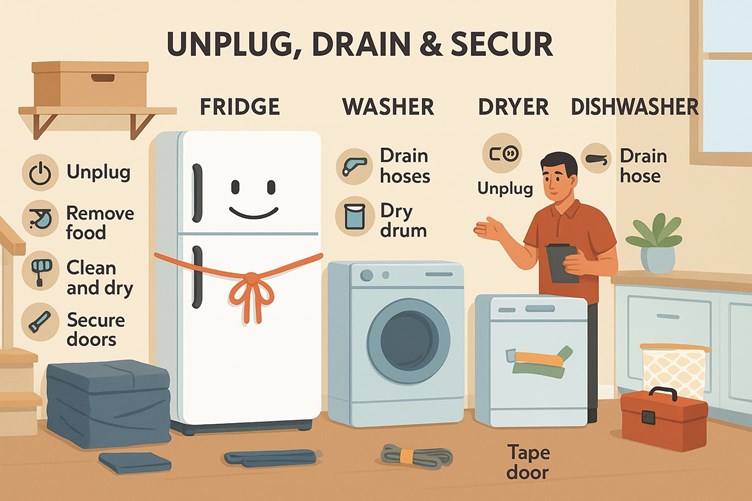
Are you planning to move your washer dryer or need to replace it? Knowing how to disconnect your washer dryer safely and correctly is essential to avoid water damage, electrical issues, or unnecessary repairs.
In this guide, you’ll discover simple, step-by-step instructions that anyone can follow, even if you’re not a DIY expert. By the time you finish reading, you’ll feel confident and ready to handle the task without stress or confusion. Keep reading to make sure your washer dryer disconnection goes smoothly and safely.

Credit: www.espares.co.uk
Preparation Before Disconnecting
Disconnecting a washer dryer safely needs some preparation. You must get ready to avoid any damage or leaks.
Take time to prepare your tools and shut off power and water. This makes the process easier and safer.
Gathering Necessary Tools
Before disconnecting, gather all tools needed. This helps the job go smoothly without interruptions.
- Adjustable wrench to loosen water connections
- Screwdriver for removing panels or screws
- Towels or rags to catch water drips
- Bucket to hold any excess water
- Flashlight to see in dark areas
Turning Off Power Supply
Always turn off the power before working on your washer dryer. This prevents electric shock or damage.
Find the right circuit breaker or unplug the machine from the wall socket. Make sure power is fully off.
- Locate your home’s electrical panel
- Switch off the breaker for the washer dryer
- Use a tester to confirm power is off
- If needed, unplug the appliance from the outlet
Shutting Off Water Valves
Stop the water flow by closing the water valves. This prevents leaks while disconnecting hoses.
Turn the valves clockwise until tight. If there are two valves, close both hot and cold water lines.
- Find the water supply valves behind the washer
- Turn each valve clockwise to shut off water
- Open the washer taps briefly to drain pipes
- Keep towels ready to catch any drips
Detaching Water Connections
Disconnecting the water connections is an important step before moving your washer dryer. This helps avoid water spills and damage.
Careful handling of the water hoses and draining leftover water keeps the area dry and safe.
Removing Inlet Hoses
Turn off the water supply to the washer dryer. This stops water from flowing into the machine.
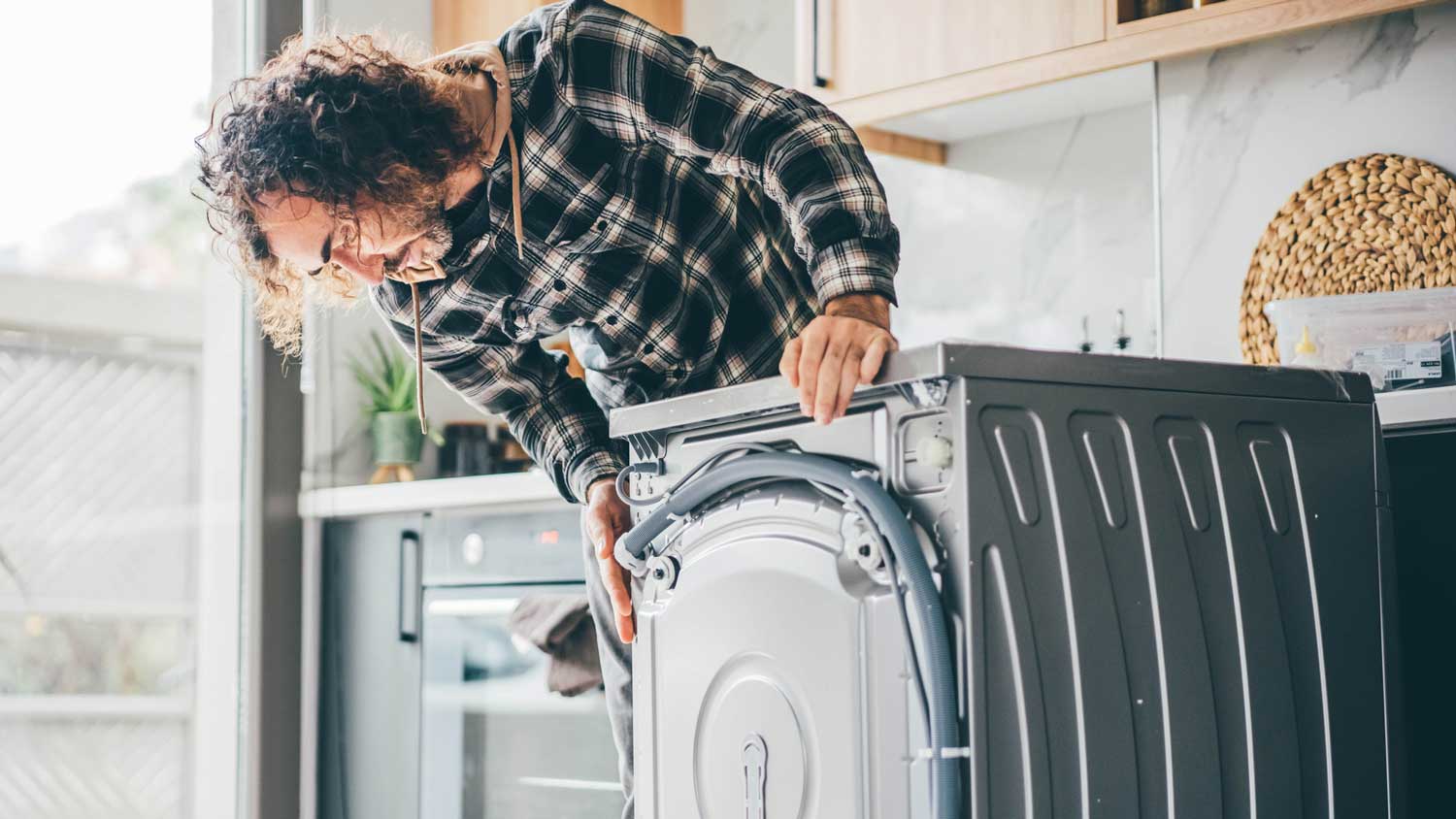
Use a wrench or your hands to unscrew the inlet hoses from the back of the washer dryer. Be gentle to avoid damage.
- Locate the water valves behind the machine
- Turn both valves clockwise to close
- Unscrew the hoses from the water valves
- Unscrew the hoses from the washer dryer connectors
- Keep a towel nearby to catch drips
Draining Residual Water
Some water may stay inside the hoses after removal. Drain this water to avoid spills.
Hold the hose ends over a bucket or sink. Let the water flow out completely before storing or moving the hoses.
- Place a container under each hose end
- Lower the hose so water drains out easily
- Wait until no more water comes out
- Dry the hoses with a cloth before storing
Disconnecting Electrical Components
Disconnecting the electrical parts of a washer dryer is important for safety. You must make sure the power is off before starting any work.
This guide covers unplugging the appliance and checking for hardwired connections. Follow these steps carefully.
Unplugging The Appliance
Always unplug the washer dryer from the power outlet before doing any repairs or moves. This stops electricity from flowing and keeps you safe.
- Locate the power cord at the back of the appliance.
- Firmly grip the plug, not the cord, when pulling it out.
- Pull the plug straight from the outlet to avoid damage.
- Check the cord and plug for any signs of wear or damage.
- Do not touch the plug or outlet with wet hands.
Checking For Hardwired Connections
Some washer dryers do not use plugs and are hardwired into your home’s electrical system. You must find these connections before disconnecting.
| Task | Description | Safety Tip |
|---|---|---|
| Locate Breaker | Find the circuit breaker that powers the washer dryer. | Switch off the breaker to cut power. |
| Remove Access Panel | Unscrew the back panel to see the wiring connections. | Use insulated tools to avoid shock. |
| Identify Wires | Look for color-coded wires and note their positions. | Take a photo for reference before disconnecting. |
| Disconnect Wires | Use a screwdriver to loosen wire connectors carefully. | Double-check power is off before touching wires. |

Credit: www.reddit.com
Separating The Washer And Dryer Units
Disconnecting a washer dryer combo can seem tricky. Follow these steps to safely separate the units.
Understanding how to locate and detach connection points is crucial. This ensures safe and easy separation of the washer and dryer.
Locating Connection Points
Find where the washer and dryer are connected. Look for screws or clips holding them together.
Check the back and sides of the units. This will help you identify all connection points.
- Look for screws at the top corners
- Check for clips along the sides
- Examine the back for any additional connectors
Safely Detaching Units
Once you find the connection points, it’s time to detach them. Use a screwdriver or other appropriate tools.
Ensure the units are unplugged before starting. This prevents electrical hazards.
- Unplug both units from the power source
- Remove screws or clips with a suitable tool
- Gently separate the washer and dryer
Moving And Storing The Washer Dryer
Moving a washer dryer needs care to avoid damage. Proper steps help keep the machine safe and your home clean.
Storing the washer dryer correctly protects it from dust and moisture. This keeps it working well for a long time.
Using Proper Lifting Techniques
Use your legs, not your back, when lifting the washer dryer. Bend your knees and keep your back straight.
Get help if the machine is too heavy. Lift slowly and avoid twisting your body.
- Keep feet shoulder-width apart for balance
- Hold the washer dryer close to your body
- Lift with your legs, not your back
- Use a dolly or hand truck if possible
- Ask someone to help with heavy lifting
Protecting Floors And Walls
Use blankets or pads to protect floors from scratches. Move the washer dryer carefully to avoid hitting walls.
Check the path before moving the machine. Clear any obstacles that might cause damage.
- Place furniture pads under the washer dryer feet
- Cover floors with cardboard or cloth
- Keep a clear path free of objects
- Move slowly and watch for corners
- Use wall protectors if space is tight
Troubleshooting Common Issues
Disconnecting a washer dryer can be tricky if you face common problems. Knowing how to handle these issues saves time and damage.
This guide covers stuck hoses and electrical concerns you might meet while disconnecting your machine.
Dealing With Stuck Hoses
Hoses may stick to the washer dryer due to dirt, rust, or long use. Forcing them off can cause damage.
Try loosening stuck hoses gently with simple tools or warm water to soften the connection.
- Turn off water supply before disconnecting hoses
- Use pliers or a wrench carefully to twist loose
- Apply warm soapy water to soften hose ends
- Tap the hose connection lightly with a rubber mallet
- Check for cracks or damage before reattaching
Handling Electrical Concerns
Always unplug the washer dryer before working on electrical parts. This stops electric shock risks.
Inspect the power cord and outlet for damage. Replace any worn parts before reconnecting the machine.
- Unplug the machine from the wall socket
- Check the power cord for cuts or frays
- Test the outlet with another device to ensure power off
- Do not touch wires with wet hands
- Call a professional if you see burnt marks or smell burning
Credit: www.angi.com
Frequently Asked Questions
How Do I Safely Disconnect A Washer Dryer?
First, unplug the appliance from the power outlet. Turn off the water supply valves. Disconnect the water hoses carefully to avoid leaks. Finally, detach the drain hose and move the unit away from the wall gently.
Can I Disconnect A Washer Dryer Without Tools?
Basic disconnection usually requires no special tools. You may only need pliers to loosen hose fittings. Always ensure the power is off and water supply is shut before starting.
How Do I Prevent Water Leaks When Disconnecting?
Turn off the water supply before disconnecting hoses. Use a towel to catch any drips. Loosen hoses slowly to release trapped water carefully. Check hose ends for damage before reinstallation.
What Should I Do After Disconnecting My Washer Dryer?
Inspect hoses for wear or damage. Clean the area around connections. Store hoses properly if reusing. Dispose of old parts responsibly. Ensure the appliance is completely dry before storage.
Conclusion
Disconnecting a washer dryer can seem tricky at first. Take your time and follow each step carefully. Always turn off the power and water before you start. Keep tools nearby and work in a safe space. Double-check all connections before moving the appliance.
Doing it right helps avoid leaks and damage. Now you have the basic guide to disconnect your washer dryer. Simple, safe, and stress-free. Ready for your next laundry room task?