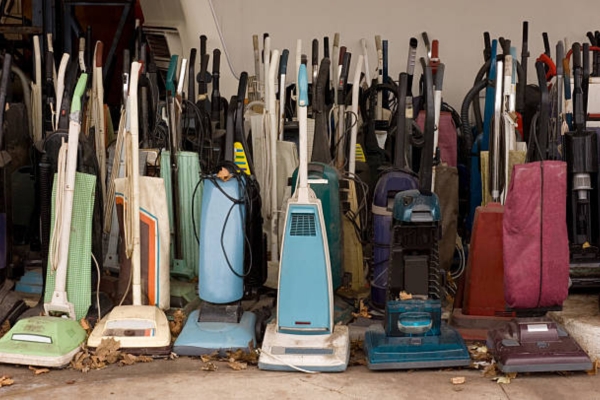
Have an old vacuum cleaner that’s taking up space and no longer works? You might be wondering how to get rid of it without causing harm to the environment or breaking any rules.
Disposing of your vacuum cleaner properly is easier than you think. You’ll discover simple, practical steps to say goodbye to your old appliance safely and responsibly. Keep reading to find out exactly what you need to do—you’ll feel great knowing you handled it the right way.

Credit: www.eufy.com
Assess Vacuum Cleaner Condition
Assessing the condition of your old vacuum cleaner is the first step before disposal. This helps decide if the vacuum can be repaired, reused, or recycled. Understanding its state saves money and reduces waste.
Check For Repair Options
Inspect the vacuum cleaner for visible damage or broken parts. Listen for unusual sounds when turning it on. Check if the suction power is weak or inconsistent.
Look for simple fixes like:
- Replacing filters
- Unclogging hoses
- Changing belts
- Cleaning brushes
Some repairs are easy and affordable. Others might need professional help. Compare repair costs to buying a new vacuum.
Determine Reusability
Decide if the vacuum cleaner still works well enough to be used. Consider donating if it runs and looks clean. Schools, charities, or community centers may accept it.
If parts are reusable, keep them for future repairs or crafts. Broken vacuums can offer valuable components like motors or switches.
Vacuum cleaners that are beyond repair should be recycled properly. Avoid throwing them in the trash to protect the environment.
Find Donation Opportunities
Finding a place to donate your old vacuum cleaner can give it a second life and help someone in need. Instead of tossing it out, think about who could still benefit from it. Donation options often exist in your community and can be surprisingly easy to access.
Local Charities
Many local charities accept household appliances if they are still in working condition. These organizations often help families setting up homes or individuals recovering from hardship. You can call ahead to ask about their donation guidelines and whether they offer pickup services.
Consider charities that focus on helping low-income families or shelters. Donating your vacuum cleaner there can make a real difference in someone’s daily life. Have you ever thought about how a simple appliance can ease someone’s cleaning chores and reduce their stress?
Community Centers
Community centers frequently run programs that support residents with limited resources. They may accept donations like vacuum cleaners to lend out or redistribute. Check with your local center to see if they have a donation program or a swap event coming up.
Sometimes, community centers partner with repair shops to fix donated items before passing them on. This means your old vacuum cleaner could be restored and given a fresh start. Would you be willing to spend a little time ensuring your vacuum is clean and working before donating? That effort can extend its usefulness significantly.
Explore Recycling Programs
Finding the right way to dispose of your old vacuum cleaner can make a big difference for the environment and your community. Recycling programs offer practical options to keep bulky appliances out of landfills. You might be surprised by how easy it is to give your vacuum a second life through these programs.
Manufacturer Take-back
Many vacuum cleaner brands have take-back programs. These allow you to send your old unit back to the manufacturer for proper recycling or refurbishment. It’s worth checking the brand’s website or calling customer service to see if they offer this service.
Sometimes, manufacturers even offer discounts on new models when you return your old vacuum. This not only helps reduce waste but can also save you money. Have you ever considered whether your vacuum’s brand supports this kind of eco-friendly initiative?
E-waste Recycling Centers
Your local e-waste recycling centers accept vacuum cleaners along with other household electronics. These centers ensure hazardous materials are handled safely, and useful parts are recovered. You can usually find nearby locations through your city’s waste management website or community bulletin boards.
Dropping off your vacuum at an e-waste center is straightforward and responsible. Many people don’t realize that vacuums contain components that can be harmful if thrown in regular trash. What’s stopping you from making that responsible choice today?

Credit: nixxitjunk.com
Prepare Vacuum For Disposal
Preparing your vacuum cleaner for disposal is a crucial step that ensures safety and environmental responsibility. Taking a few moments to clear out batteries and dust helps prevent potential hazards and makes the disposal process smoother. Have you ever wondered what hidden dangers might linger inside an old vacuum?
Remove Batteries
First, check if your vacuum cleaner has any batteries, especially if it’s cordless. Removing batteries is important because they can leak harmful chemicals if left inside. Use a screwdriver or follow the manufacturer’s instructions to open the battery compartment carefully.
Store the batteries separately in a safe container until you can recycle them properly. Many electronics stores and recycling centers accept batteries for safe disposal. This step protects the environment and prevents damage to waste facilities.
Empty Dust And Bags
Next, empty the dust container or vacuum bags completely. Leaving dust and debris inside can cause unpleasant odors and attract pests. If your vacuum uses disposable bags, remove and seal them in a plastic bag before tossing them out.
For bagless vacuums, empty the dust bin over a trash bag or outside to avoid mess. Wiping down the container can also help reduce allergens. Are you surprised how much dust accumulates even after a quick clean?
Avoid Common Disposal Mistakes
Disposing of an old vacuum cleaner might seem simple, but it’s easy to make mistakes that harm the environment or waste valuable resources. Avoiding common disposal errors helps you play a part in reducing pollution and promoting recycling. Let’s look at some key points to keep in mind before you part with your vacuum.
Prevent Landfill Dumping
Throwing your vacuum cleaner directly into the trash often means it ends up in a landfill, where it can take decades to break down. Many parts, like plastics and metals, could be recycled or reused instead. Ask yourself: Is there a local recycling center or e-waste program that accepts vacuum cleaners?
Before tossing it out, check if manufacturers or stores offer take-back or trade-in programs. Some communities organize special collection days for bulky electronics—these events keep appliances out of landfills. Avoiding landfill dumping means you help reduce harmful waste and conserve resources for future use.
Handle Hazardous Parts Properly
Vacuum cleaners contain components such as batteries, motors, and wiring that can be hazardous if not disposed of correctly. Batteries, especially, should never go into regular trash because they can leak toxic chemicals. Do you know where to safely drop off batteries or electronic parts in your area?
Separate these hazardous parts from the rest of the vacuum before disposal. Many recycling centers have special bins for batteries and electronic waste. Handling these parts properly protects the environment and prevents potential health risks.
Consider Upcycling Ideas
Consider upcycling your old vacuum cleaner to give it a new life. Upcycling helps reduce waste and lets you create useful or decorative items. It saves money and sparks creativity. Many parts of a vacuum cleaner can be reused in smart ways.
Creative Repurposing
Vacuum parts can turn into unique household tools or decor. Use the hose as a flexible cable organizer or plant holder. The vacuum body can become a storage container for small items. Wheels and buttons can be reused in craft projects or toy making. Old vacuum filters can serve as air fresheners by adding essential oils.
Diy Projects
- Transform the vacuum nozzle into a dustpan for tight spaces.
- Build a mini robot using vacuum motors and wheels.
- Create a desk organizer using the vacuum’s plastic parts.
- Use the vacuum’s tubing to make a garden irrigation system.
- Make a lamp by fitting a light bulb into the vacuum body.
These projects save your vacuum from the trash and offer fun ways to reuse parts. Upcycling turns old objects into treasures. It is a small step toward a greener lifestyle.
Stay Informed On Local Laws
Knowing how to properly dispose of your old vacuum cleaner can save you time, money, and hassle. Local laws about electronic waste vary widely, so staying informed helps you avoid fines and ensures your appliance is handled responsibly. Have you checked what rules apply in your area before tossing out that bulky vacuum?
Disposal Regulations
Different cities and towns have specific rules about throwing away appliances like vacuum cleaners. Some places treat them as regular trash, while others require drop-off at special collection centers.
It’s important to find out if your vacuum cleaner contains hazardous materials, such as batteries or electronic components, which may need separate handling. Local government websites often list these rules clearly.
If you ignore these regulations, you might face penalties or cause environmental harm. Do you know where your nearest authorized disposal site is?
Recycling Incentives
Many communities offer recycling programs that give you benefits for turning in old electronics, including vacuum cleaners. These incentives can be in the form of discounts, vouchers, or even cash rewards.
Some retailers also have take-back programs that accept old appliances when you buy a new one. This makes it easier to recycle and helps you save money at the same time.
Why not take advantage of these programs? They reduce waste and support a cleaner environment while giving you a small bonus.

Credit: www.eufy.com
Frequently Asked Questions
How Can I Recycle My Old Vacuum Cleaner?
Recycling a vacuum cleaner involves taking it to a local recycling center. Many centers accept electronic waste. Alternatively, check if the manufacturer offers a recycling program. These programs often provide instructions for proper disposal. Always remove the vacuum’s dust bag or canister before recycling.
Where Can I Donate My Used Vacuum Cleaner?
You can donate a used vacuum cleaner to local charities or thrift stores. Ensure it’s in working condition. Organizations like Goodwill or Salvation Army often accept these donations. It’s a great way to extend the vacuum’s life and help those in need.
Is It Possible To Repair My Vacuum Cleaner?
Yes, many vacuums can be repaired with new parts. Check with the manufacturer for replacement parts or contact a local repair shop. Sometimes, a simple fix like changing a belt or filter can extend its life significantly.
Can Vacuum Cleaners Be Thrown In The Trash?
Throwing vacuum cleaners in the trash is discouraged. They contain components that are harmful to the environment. Instead, check for local electronic waste disposal options. Proper disposal helps in reducing environmental impact and ensures responsible waste management.
Conclusion
Disposing of an old vacuum cleaner does not have to be hard. You can recycle parts or donate if it still works. Many places accept electronics for safe disposal. Taking these steps helps the environment and saves space at home.
Always check local rules before throwing it away. Small actions make a big difference in keeping the earth clean. Now you know how to get rid of your old vacuum cleaner properly. Easy and responsible!