Are you wondering what to do with those freezer packs once they’ve served their purpose? Tossing them in the trash might seem easy, but it’s not always the best choice for you or the environment.
Knowing how to dispose of freezer packs properly can save you from unnecessary waste and even potential harm. You’ll discover simple, practical steps to get rid of your freezer packs the right way. Keep reading—you’ll be surprised at how easy it is to make a positive impact with just a few small actions.
Types Of Freezer Packs
Freezer packs come in different types, designed for various cooling needs. Knowing the types helps in choosing the right pack for your use. It also guides proper disposal to protect the environment.
Gel Packs
Gel packs contain a thick, gel-like substance inside a plastic pouch. They stay cold longer than ice packs. These packs are flexible, making them easy to mold around items. The gel inside is usually non-toxic but not edible.
Ice Packs
Ice packs are filled with water or a water-based solution. They freeze solid and can be reused multiple times. Ice packs are heavier and less flexible than gel packs. They are simple and often used for short-term cooling.
Reusable Vs Disposable
- Reusable freezer packs can be refrozen and used many times.
- Disposable freezer packs are designed for one-time use only.
- Reusable packs reduce waste and save money in the long run.
- Disposable packs may contain chemicals that require special disposal.
Credit: support.cookunity.com
Safety Precautions
Freezer packs contain gels or liquids that need careful handling. Safety matters when disposing of them. Taking precautions protects your health and the environment. Follow simple safety steps to avoid accidents and harm.
Handling Leaks
Leaks can happen if freezer packs break or tear. Avoid touching the gel or liquid directly with bare hands. Use gloves or a plastic bag to pick up the leaking pack. Clean the surface with warm water and soap right away. Dispose of the leaking pack in a sealed plastic bag to prevent spills. Keep pets and children away from leaks to avoid risks.
Avoiding Toxic Exposure
Some freezer packs contain chemicals that can be harmful. Do not puncture or cut the packs to prevent exposure. Avoid inhaling fumes if a pack leaks. Work in a well-ventilated area during disposal. Wash hands thoroughly after handling freezer packs. Store unused packs safely away from heat or sharp objects. Check the product label for any specific safety warnings.
Disposal Options
Disposing of freezer packs properly helps protect the environment and reduces waste. There are several options to consider depending on the type of freezer pack and local rules. Knowing where and how to dispose of them is important for safe handling.
Recycling Programs
Some freezer packs can be recycled through special programs. Check if your local recycling center accepts gel or plastic packs. Many centers have drop-off points for these items. Clean the packs before dropping them off. This prevents contamination and helps recycling processes.
Household Waste Guidelines
Not all freezer packs belong in recycling bins. Some packs should be disposed of with regular household waste. Read the label on the pack for disposal instructions. If unsure, place the pack inside a sealed bag. This keeps leaks contained and avoids messes in trash bins.
Hazardous Waste Facilities
Freezer packs containing chemicals may need special disposal. Hazardous waste facilities handle items with toxic substances safely. Search for a local hazardous waste site near you. These facilities prevent harmful chemicals from damaging the environment. Never throw chemical packs in regular trash or recycling.

Credit: www.yahoo.com
Eco-friendly Alternatives
Finding eco-friendly alternatives to traditional freezer packs can make a big difference in reducing plastic waste and chemical exposure. These options not only protect the environment but also offer practical and often cost-effective solutions for keeping your food cold. Let’s look at some simple ideas you can try at home to stay cool without harming the planet.
Diy Freezer Packs
Making your own freezer packs is easier than you might think and lets you control the materials used. A popular method is to fill resealable plastic bags with a mixture of water and rubbing alcohol. This combo freezes to a slushy consistency, making it flexible and reusable.
You can also use natural items like sponges soaked in water or small cloth bags filled with rice or beans. Freeze these alternatives, and they will keep your food cool while avoiding chemicals and single-use plastics. Have you ever tried creating your own freezer packs? It’s a great way to cut down on waste and save money at the same time.
Natural Cooling Methods
Natural cooling methods can complement or replace freezer packs in many situations. For example, placing bottles of frozen water or ice cubes in insulated bags offers a simple, zero-waste solution. You can also use wet cloths or towels that cool down as the water evaporates, especially effective in cooler, breezy environments.
Another idea is to store perishables in shaded, well-ventilated areas whenever possible. This reduces the need for artificial cooling and helps food stay fresh longer. What natural tricks have you found useful for keeping things cool during a picnic or trip?
Repurposing Freezer Packs
Freezer packs do not need to be thrown away after one use. They can serve many new purposes around the home. Repurposing freezer packs helps reduce waste and saves money. Many freezer packs hold cold for a long time, making them useful for other tasks.
First Aid Uses
Freezer packs work well as cold compresses for injuries. Place the pack in a cloth before applying it to the skin. Use to reduce swelling from bumps, sprains, or bruises. Keep a freezer pack ready in your first aid kit. It helps soothe headaches or reduce fever quickly.
Gardening Applications
Use freezer packs to keep plants cool during hot days. Place packs near delicate plants to protect them from heat stress. Freezer packs can also help keep seedlings fresh during transport. They act as small cooling pads in garden toolboxes or picnic baskets.
Creative Home Uses
- Use freezer packs to keep food cold in lunch bags or coolers.
- Place packs in pet carriers to keep animals comfortable during travel.
- Use packs to cool down rooms quickly by placing them in front of fans.
- Freeze packs and use them as ice substitutes in drinks or bowls.
- Wrap packs in cloth to create reusable hot/cold packs for relaxation.

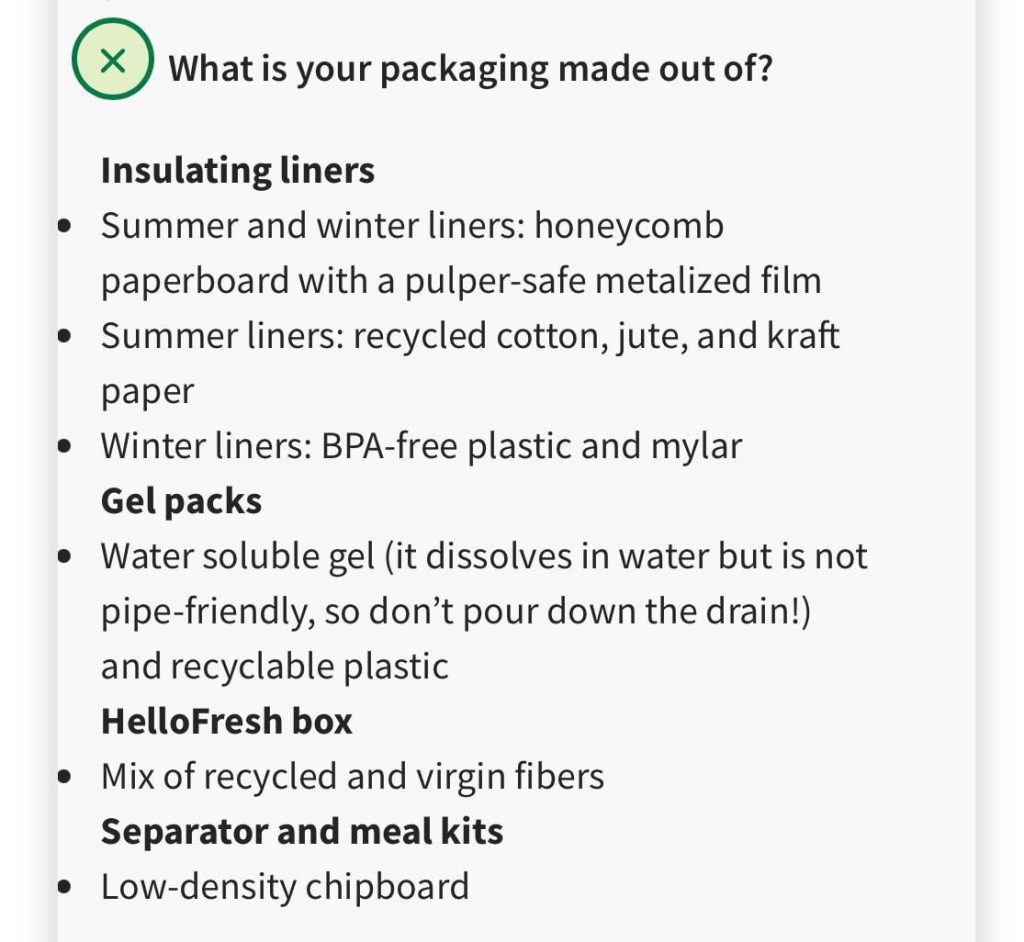
Credit: www.hellofresh.com
Tips To Reduce Waste
Reducing waste from freezer packs helps protect the environment. Small changes in how you choose and care for these packs can make a big difference. This section shares simple tips to keep freezer packs lasting longer and reduce the need to throw them away.
Buying Durable Packs
Choose freezer packs made from strong, long-lasting materials. Look for thick plastic and well-sealed edges that prevent leaks. Durable packs can be reused many times, lowering waste and saving money. Consider packs that are BPA-free and eco-friendly for safer use.
Proper Maintenance
Clean freezer packs gently after each use with mild soap and water. Avoid sharp objects that can puncture or damage the pack. Store them flat or upright in a cool, dry place. Check packs regularly for cracks or leaks and repair small holes with waterproof tape to extend their life.
Frequently Asked Questions
How Do I Safely Dispose Of Freezer Packs?
To safely dispose of freezer packs, check if they are recyclable in your area. If not, puncture and empty the liquid, then discard the plastic pouch in the trash. Avoid pouring gel down drains to prevent environmental harm.
Can Freezer Packs Be Recycled With Plastic Waste?
Some freezer packs are recyclable if made from recyclable plastic. Check local recycling guidelines to confirm. Remove any gel or liquid before recycling to avoid contamination. When unsure, treat them as regular waste for safe disposal.
What Should I Do With Old Freezer Packs?
Old freezer packs can be reused or donated if intact. If damaged, empty the contents safely and dispose of the plastic as trash. Do not throw gel packs directly into compost or drains.
Is It Harmful To Throw Freezer Packs In The Trash?
Throwing freezer packs in the trash is generally safe if the gel is removed. The plastic may take time to decompose, so recycling is better when possible. Avoid discarding the gel to protect the environment.
Conclusion
Disposing of freezer packs responsibly is essential. It protects both health and nature. Always check local recycling rules. They guide you properly. Some packs contain harmful chemicals. Handle with care to avoid risks. Consider reusing packs for storage or cooling needs.
This reduces waste significantly. Choose eco-friendly options when buying new packs. They offer safer disposal later. Share these tips with friends. Help them make informed choices too. Every small action counts towards a cleaner planet. Let’s work together for a sustainable future.