
Are you staring at that old microwave oven, wondering what to do with it? You’re not alone.
Many people find themselves in this situation, unsure of the best way to dispose of their outdated appliances. You might be tempted to just toss it in the trash, but wait—there’s a lot more to consider. Did you know that improper disposal can harm the environment and even pose safety risks?
By understanding the right methods, you not only keep your surroundings safe but also contribute positively to our planet. Imagine feeling good about getting rid of your microwave! Stick around as we unravel the simple, impactful steps you can take to dispose of your microwave oven responsibly. You’ll be surprised at how easy it is to make a difference!

Credit: providentjunk.ca
Why Proper Disposal Matters
Disposing of your microwave oven properly is more important than you might think. Old microwaves contain materials that can harm the environment and pose health risks if not handled carefully. Ignoring proper disposal can lead to problems that affect you and your community.
Environmental Risks Of Microwaves
Microwave ovens contain metals and chemicals that can leak into the soil and water if thrown away with regular trash. These substances can damage ecosystems and contaminate drinking water. Imagine harmful chemicals seeping into the ground where children play or food is grown.
Many parts of a microwave, like circuit boards and capacitors, are difficult to break down naturally. When these end up in landfills, they contribute to pollution and waste valuable resources. Recycling these components helps reduce environmental harm and conserves materials.
Health Hazards From Improper Disposal
Microwaves contain hazardous materials such as lead and mercury. If these are not disposed of correctly, they can release toxins into the air or water. Exposure to these toxins can cause serious health problems including headaches, skin irritation, and even long-term diseases.
Think about the workers handling waste. Without proper disposal methods, they face increased risk of exposure to dangerous substances. Your decision to dispose of your microwave properly protects these workers and your community’s health.
Preparing Your Microwave For Disposal
Preparing your microwave for disposal is an essential step that ensures safety and convenience. Taking time to properly get it ready can make the disposal process smoother and prevent any hazards. Let’s focus on unplugging, cleaning, and removing any personal items before you say goodbye to your old microwave.
Unplugging And Cleaning
First, always unplug your microwave from the power source. This simple action eliminates any risk of electric shock while handling the appliance.
Next, clean the microwave thoroughly. Remove food particles, grease, and spills inside and out. A clean microwave is easier to recycle or donate and shows respect for the next user.
Use mild soap and a damp cloth for wiping down the surfaces. Avoid harsh chemicals that can damage the materials or create hazardous waste.
Removing Personal Items
Check the microwave cavity and any compartments for leftover items. Sometimes small containers, magnets, or notes might be stuck inside unnoticed.
Don’t forget to remove turntables, racks, and trays. These parts can be recycled separately or cleaned for donation.
Have you ever found something surprising inside your microwave during cleanup? It’s a good reminder to double-check before disposal.
Recycling Options For Microwaves
Recycling microwaves helps reduce waste and recover valuable materials. Many parts inside can be reused or safely processed. Choose a recycling option that fits your needs and local rules. Proper disposal protects the environment from harmful substances inside microwaves.
Local Recycling Centers
Local recycling centers often accept old microwaves. They have the tools to dismantle and recycle parts properly. Find centers near you by checking municipal websites or calling waste management offices. Some centers may require appointments or special drop-off times.
Manufacturer Take-back Programs
Many microwave brands offer take-back programs. These allow customers to return old appliances for recycling. Visit the manufacturer’s website for details on how to send your microwave back. Some programs provide prepaid shipping labels or drop-off locations.
Electronic Waste Collection Events
Communities host electronic waste collection events regularly. These events collect items like microwaves, computers, and phones. They provide a safe way to recycle electronics and keep hazardous materials out of landfills. Check local event schedules through city websites or community boards.
Donation And Reuse Opportunities
Microwave ovens often still work or can be fixed. Donating or reusing them helps reduce waste. It supports people who need affordable appliances. This section explores places and services that accept microwaves for reuse.
Charity Organizations
Many charities accept microwave ovens in good condition. They provide these to families or community centers. Donating helps those with limited income. Some popular charities include:
- Local shelters
- Thrift stores
- Community aid groups
Check with the charity about their donation rules. Clean your microwave and make sure it works well.
Repair And Resale Services
Repair shops can fix broken microwaves for resale. This extends the appliance’s life and reduces landfill waste. Some shops buy old microwaves or accept them for repair. Resale stores then sell these at lower prices.
- Find local appliance repair businesses
- Ask about trade-in or buy-back programs
- Look for secondhand stores that sell repaired electronics
Using these services saves money and supports a circular economy.
Safe Disposal Methods
Proper disposal of a microwave oven protects the environment and your safety. Microwaves contain parts that need special care. Safe disposal stops harmful chemicals from polluting soil and water. It also prevents injury from broken components.
Using approved disposal methods helps manage electronic waste responsibly. Local rules often guide how to dispose of large appliances. Following these rules keeps communities clean and safe.
Hazardous Waste Facilities
Hazardous waste facilities accept old microwaves for safe recycling. These centers handle electronic items with toxic parts. They break down the microwave and recycle metals and plastics properly. This process keeps dangerous substances from harming the environment.
Before visiting, check the facility’s hours and any fees. Many towns have special drop-off days for electronic waste. Make sure to remove any food or debris from your microwave before disposal.
Bulk Waste Pickup Guidelines
Many cities offer bulk waste pickup for large appliances. This service lets residents place microwaves at the curb for collection. Check your local waste management website for pickup schedules and rules.
Microwaves often require special tags or appointments. Follow instructions to avoid fines or missed pickups. Place the microwave outside on the designated day, away from other trash.
Some programs ask you to unplug or remove batteries before pickup. Always secure the microwave door to prevent accidents during transport.

Credit: gws.sandbox.iam.s.uw.edu
Tips To Reduce Microwave Waste
Reducing microwave waste is not just about tossing less into the trash. It’s about making smarter choices that stretch the life of your microwave and lessen its environmental impact. You’ll find practical tips here that can save you money and help the planet.
Extending Microwave Lifespan
Think about how often you actually need a new microwave. Could your current one last longer with a little care? Simple actions can prevent early breakdowns and keep your microwave running smoothly.
- Clean regularly:Food spills and grease can damage internal parts. Wipe down the interior and exterior after each use to avoid buildup.
- Avoid overuse:Using your microwave for tasks it’s not designed for, like cooking heavy meals, strains the appliance.
- Use proper containers:Plastics not labeled microwave-safe can melt or release harmful chemicals, harming the oven’s interior.
- Fix minor issues early:Strange noises or uneven heating often point to repairable problems. Ignoring them might lead to costly replacements.
I once ignored a small spark inside my microwave, thinking it was a one-time thing. That spark led to a full breakdown within weeks. Taking care of minor signs early could save you from similar surprises.
Choosing Eco-friendly Models
When it’s time to buy a new microwave, your choice matters. Eco-friendly models use less energy and often last longer, cutting down on waste and electricity bills.
- Look for Energy Star certification:These microwaves meet strict energy efficiency guidelines.
- Check the wattage:Lower wattage models consume less power but still cook effectively.
- Consider size:Smaller microwaves use less energy and suit most cooking needs better.
- Research durability:Brands known for sturdy products reduce the chance of frequent replacements.
Have you ever thought about how much energy your microwave uses daily? Choosing the right model can cut your carbon footprint without sacrificing convenience. What would you do with the extra energy savings?
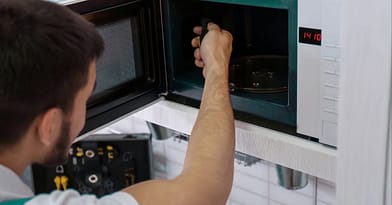
Credit: nixxitjunk.com
Frequently Asked Questions
How Do I Safely Dispose Of A Microwave Oven?
To dispose of a microwave safely, unplug it first and remove any food inside. Check local e-waste recycling programs for drop-off locations. Avoid throwing microwaves in regular trash as they contain harmful components. Many retailers or waste facilities offer microwave recycling options for free or a small fee.
Can I Recycle A Microwave Oven?
Yes, microwaves can be recycled. They contain metals and electronic parts that can be reused. Take your microwave to an e-waste recycling center or contact local waste management for guidelines. Recycling helps reduce environmental harm and conserves resources by properly handling hazardous materials inside.
Where Can I Donate A Working Microwave Oven?
You can donate a working microwave to charities, shelters, or community centers. Check local organizations like Goodwill or Habitat for Humanity. Many accept small appliances in good condition. Donating extends the appliance’s life and helps those in need while reducing waste.
What Should I Remove Before Disposing Of A Microwave?
Remove the power cord and any detachable parts before disposal. Clean the microwave to avoid odors and pests. Some recycling centers require these steps for safety. Proper preparation ensures efficient recycling and reduces contamination in waste processing.
Conclusion
Disposing of a microwave oven safely helps protect the environment. Take time to find local recycling centers or donation spots. Remove any batteries or hazardous parts before disposal. Avoid throwing microwaves in regular trash bins. This keeps harmful materials from polluting soil and water.
Responsible disposal also keeps your home safe from electrical risks. Small steps make a big difference for the planet. Stay informed and act wisely when getting rid of old appliances. Your care helps build a cleaner, healthier community for everyone.