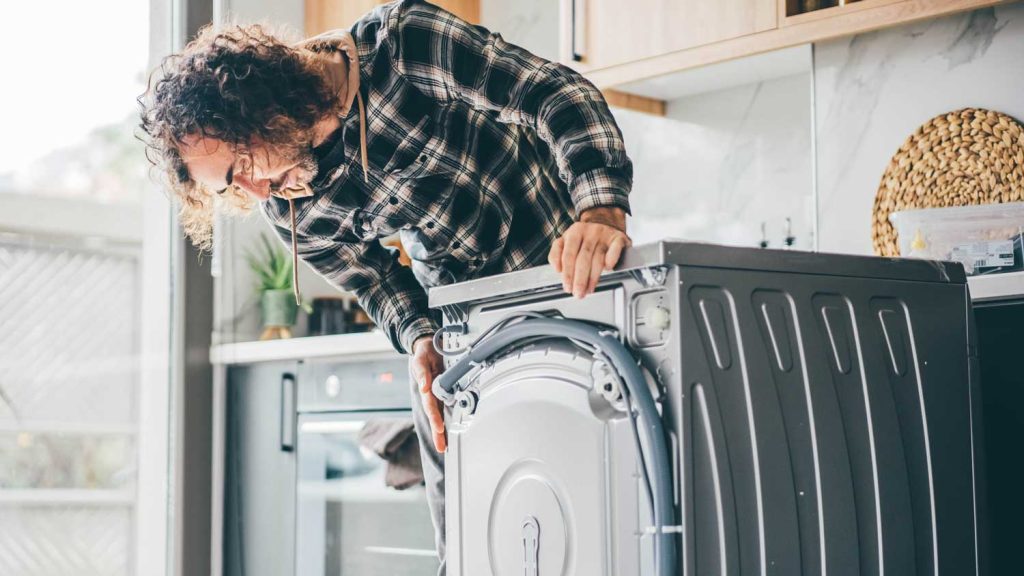
Are you wondering what to do with your old washer and dryer? Getting rid of these bulky appliances can feel overwhelming.
You might worry about the right way to dispose of them without harming the environment or breaking any rules. But don’t worry—this guide will show you simple, smart steps to take. By the end, you’ll know exactly how to handle your washer and dryer so they’re gone safely and responsibly.
Keep reading to make the process easy and stress-free!
Credit: www.angi.com
Prepare Appliances For Disposal
Before disposing of your washer and dryer, prepare them carefully. This makes disposal safe and easy.
Follow simple steps to clean and disconnect your appliances. Check manuals for special instructions.
Unplug And Clean Washer And Dryer
Always unplug your washer and dryer first. This prevents electric shocks and accidents.
Clean the inside and outside of the appliances to remove dirt and residue. This helps recycling centers handle them better.
Remove Detachable Parts
- Take off hoses and power cords.
- Remove lint filters and detergent trays.
- Detach any removable panels or shelves.
Keep these parts separate for proper recycling or disposal. This also makes appliances lighter to carry.
Check Appliance Manuals
Read your appliance manuals before disposal. They often include:
| Manual Section | Why It Matters |
|---|---|
| Disposal Instructions | Shows how to safely get rid of the appliance |
| Hazard Warnings | Lists dangers to watch for |
| Parts Recycling Info | Explains which parts can be recycled |
Explore Donation Options
Donating your washer and dryer helps others and reduces waste. You can find groups that accept appliances for reuse.
Learn how to find places that take donations and what you need to do to prepare your machines.
Find Local Charities
Start by searching for charities near you that accept washers and dryers. Community centers and thrift stores often take appliances.
- Call local shelters or nonprofit groups
- Check websites for donation guidelines
- Look for appliance recycling programs
- Ask about tax deduction options
Check Appliance Condition Requirements
Charities usually want appliances in good working order. Check their rules before donating.
| Condition | Acceptable |
| Fully working | Yes |
| Minor cosmetic damage | Usually |
| Needs repair | No |
| Missing parts | No |
Arrange Pickup Or Drop-off
Once you find a charity and check the rules, plan how to get your washer and dryer to them.
- Ask if they offer free pickup services
- Schedule a time for drop-off if needed
- Prepare the appliances for transport
- Get a receipt for your donation
Recycle Responsibly
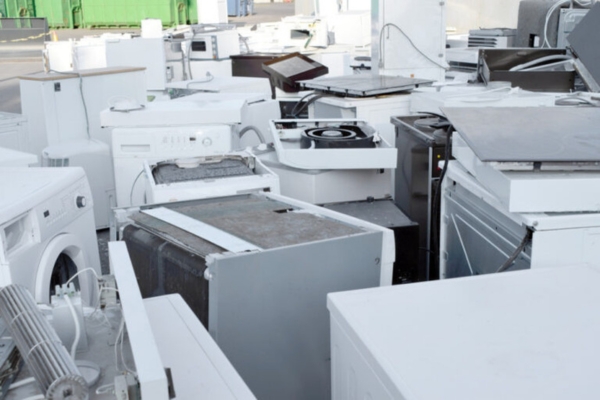
Old washers and dryers can harm the environment if thrown away carelessly. Recycling these appliances helps save resources and reduces waste. You should always recycle your washer and dryer responsibly.
Many places accept old appliances for recycling. It is important to know where and how to recycle them properly. This guide will help you find recycling centers, understand what items they accept, and schedule your appliance drop-off.
Locate Recycling Centers
Start by finding recycling centers near you that accept washers and dryers. Local waste management websites often list approved centers. You can also call your city or county office for information.
Some stores that sell appliances may also offer recycling services. Check with them to see if they accept your old washer or dryer. Knowing where to go saves time and ensures your appliance is recycled safely.
Understand Accepted Items
Recycling centers may not accept all appliances or parts. Some places only take full washers and dryers. Others might accept broken units or separate parts like metal and plastic.
- Check if the center accepts washers and dryers
- Ask if they take damaged or non-working appliances
- Find out if they recycle parts separately
- Confirm if there are any size or weight limits
Knowing what is accepted helps you prepare your appliance for drop-off. It also avoids extra trips or fees at the recycling center.
Schedule Appliance Drop-off
Many recycling centers require an appointment to drop off large appliances. Call ahead or check their website to schedule a time. This helps the center manage pickups and avoid long waits.
Prepare your washer and dryer before drop-off. Remove all hoses and cords. Clean any dirt or debris. Follow the center’s instructions for safe and easy recycling.
Credit: samrinc.com
Sell Or Give Away
Disposing of your old washer and dryer can be easy. You can sell or give them away instead of throwing them out. This helps someone else and reduces waste.
Many people look for used appliances. You just need to find the right way to offer them.
Use Online Marketplaces
Online marketplaces are great for selling or giving away washers and dryers. You can reach many buyers in your area quickly.
Post clear photos and detailed descriptions. Mention if the appliances work well and any flaws they have.
Advertise On Community Boards
Community boards, both physical and online, help you connect with local people. Try places like libraries, grocery stores, or community centers.
Online groups for your neighborhood can be very useful. Many people check these boards for deals and free items.
Set Fair Prices
Choosing a fair price helps sell your washer and dryer faster. Check prices for similar models online to know what is reasonable.
- Price slightly lower than new appliances
- Consider the age and condition
- Be open to negotiation
Hire Professional Removal Services
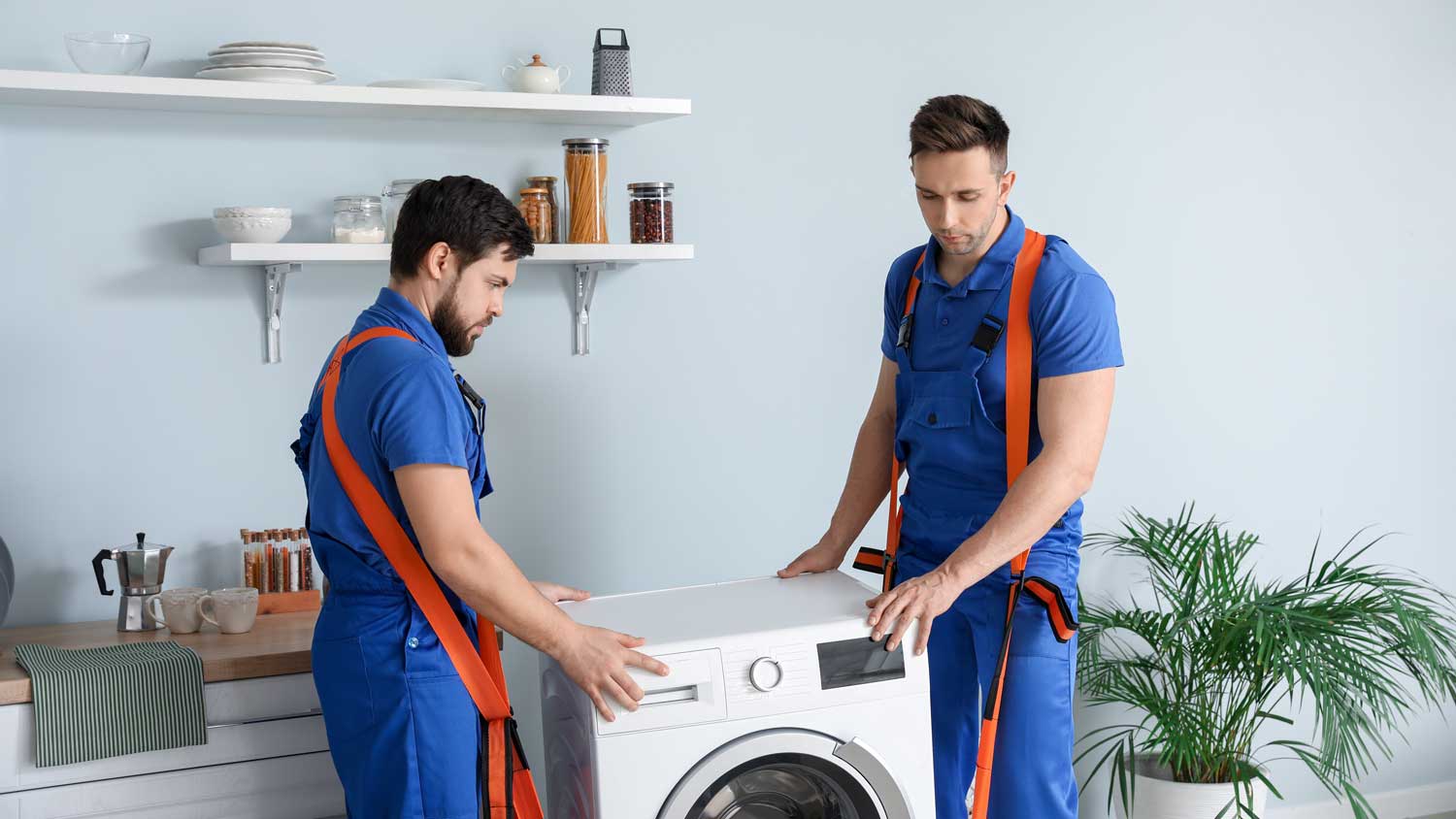
Disposing of your old washer and dryer can be challenging. Hiring professional removal services can make this task easier.
Professional services ensure that your appliances are removed safely and responsibly. They help save time and effort.
Compare Service Providers
Look for several companies that offer appliance removal services. Check their reputation and reviews online.
- Check customer reviews on their website
- Ask for recommendations from friends
- Verify their licenses and insurance
Check Eco-friendly Practices
Some companies recycle or donate old appliances. Choose services that follow eco-friendly practices.
| Service Provider | Recycling Option | Donation Option |
| Company A | Yes | No |
| Company B | Yes | Yes |
| Company C | No | Yes |
Understand Costs And Scheduling
Understand the costs involved in hiring removal services. Ask about their scheduling options to fit your needs.
Ensure the company provides a clear timeline for the removal process.
Avoid Common Disposal Mistakes
Getting rid of your old washer and dryer needs care. Wrong disposal can harm the environment and cause fines.
Learn the right way to dispose of these appliances. Avoid common mistakes to stay safe and follow the law.
Don’t Dump Appliances Illegally
Throwing washers and dryers in the wrong places is illegal. Dumping can pollute land and water.
Use approved recycling centers or pickup services. This helps keep your community clean and safe.
- Illegal dumping may lead to fines or legal trouble
- Recycling centers handle appliances safely
- Check local laws for proper disposal rules
Avoid Mixing With Regular Trash
Washers and dryers have parts that need special handling. They do not belong in regular garbage bins.
Mixing them with trash can cause damage to trucks and workers. It also blocks recycling efforts.
- Separate appliances from household trash
- Use special bulk trash pickup if available
- Take appliances to designated drop-off points
Prevent Hazardous Material Exposure
Old washers and dryers may contain harmful materials. These include chemicals and metals that can hurt people.
Handle and dispose of these appliances with care. This prevents health risks and environmental damage.
- Remove or secure any liquids before disposal
- Inform recyclers about any dangerous parts
- Wear gloves and protective gear when moving appliances
Credit: greencitizen.com
Frequently Asked Questions
How Do I Recycle My Old Washer And Dryer?
You can recycle washers and dryers at local recycling centers. Many centers accept appliances for free or a small fee. Check with your city or waste management for specific guidelines. Recycling helps reduce landfill waste and recovers valuable materials.
Can I Donate A Working Washer And Dryer?
Yes, donating working washers and dryers is encouraged. Charities and thrift stores often accept appliances in good condition. Donating extends the appliance’s life and helps those in need. Always confirm the organization’s donation policies before dropping off.
What Is The Safest Way To Dispose Of Appliances?
The safest disposal method is to use certified e-waste recyclers. They handle appliances responsibly and follow environmental standards. Avoid dumping or burning appliances to prevent toxic pollution. Contact your local waste authority for approved disposal options.
Are There Any Fees For Disposing Of Washers And Dryers?
Disposal fees vary by location and service provider. Some recycling centers offer free drop-off days or waive fees for certain appliances. Check your local waste management website to understand applicable costs. Budget for disposal fees when planning appliance replacement.
Conclusion
Disposing of your washer and dryer does not have to be hard. Choose a safe and eco-friendly method. Donate, recycle, or sell the appliances if they still work. For broken units, check local recycling centers. Many places accept old machines and handle them properly.
Always remove personal items and clean the appliances first. Proper disposal helps protect the environment and saves space at home. Take your time to find the best option near you. Simple steps make this task easier and stress-free.