
Choosing the right air conditioner size is more important than you might think. If your unit is too small, it won’t cool your space properly.
If it’s too big, you’ll waste energy and money. So, how do you figure out the perfect size for your home or office? You’ll discover simple steps to find the ideal air conditioner size. By the end, you’ll know exactly what to look for—saving you from costly mistakes and keeping you comfortably cool all year round.
Keep reading to get it right the first time.
Why Size Matters
Choosing the right air conditioner size is very important. The size affects how well the unit cools your space.
A unit that is too big or too small will cause problems. It can waste energy and cost more money.
Effects Of Oversized Units
Oversized air conditioners cool the room too fast. They turn off before removing enough humidity.
This quick cycling causes the air to feel damp and uncomfortable. The unit also uses more electricity.
- Short cooling cycles reduce humidity removal
- Increased energy consumption and higher bills
- More wear and tear on the system
- Uneven cooling with hot and cold spots
Drawbacks Of Undersized Units
Undersized units run constantly but cannot cool the space properly. This makes the room hot and uncomfortable.
Running all the time causes the unit to break down faster. It also wastes energy without fixing the problem.
- Long running time with poor cooling results
- Higher risk of system failure and repairs
- Increased energy use and expensive bills
- Cannot maintain a comfortable temperature

Credit: www.warmzilla.co.uk
Calculating Cooling Load
Choosing the right air conditioner size depends on knowing the cooling load. Cooling load means how much heat your room gains. This heat must be removed to keep the room cool.
To find the cooling load, you need to measure your room and consider heat sources. This guide explains the key steps.
Measuring Room Dimensions
Start by measuring the length, width, and height of the room. Multiply these to get the room’s volume. This helps estimate how much air needs cooling.
- Measure the length of the room in feet or meters.
- Measure the width of the room.
- Measure the height from floor to ceiling.
- Calculate volume: length × width × height.
Considering Sunlight Exposure
Sunlight adds heat to your room. South and west-facing windows get the most sun. Shade and curtains reduce heat gain.
| Window Direction | Heat Gain Level |
|---|---|
| North | Low |
| East | Moderate in morning |
| South | High all day |
| West | High in afternoon |
Accounting For Occupants And Appliances
People and appliances add heat inside the room. Each person adds heat, and machines like computers or ovens add more.
- Each occupant adds about 250 BTUs of heat.
- Check appliance manuals for heat output.
- Include heat from lights and electronics.
Btu And Ton Explained
Choosing the right air conditioner size is important for comfort and energy savings.
BTU and ton are key terms to understand when picking an AC unit.
What Is Btu?
BTU stands for British Thermal Unit. It measures heat energy.
One BTU is the amount of heat needed to raise one pound of water by one degree Fahrenheit.
- BTU shows how much heat an air conditioner can remove from a room.
- A higher BTU means more cooling power.
- BTU ratings help match the AC to room size.
Converting Btu To Tons
Air conditioners are also measured in tons. This is different from weight.
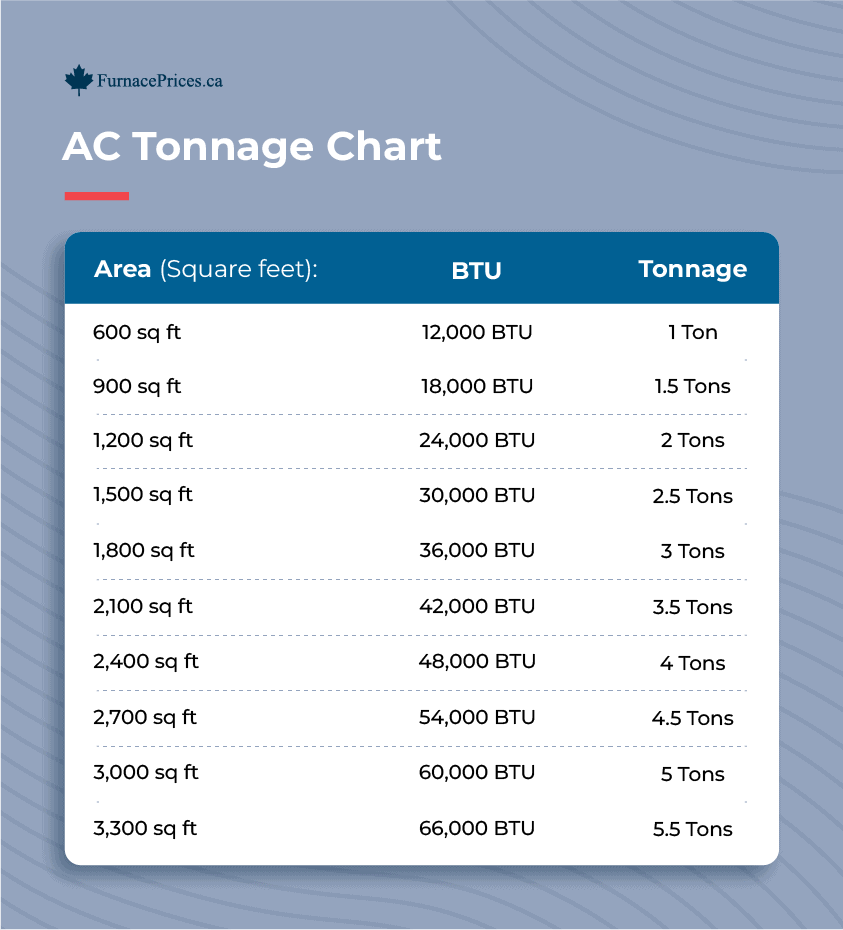
One ton equals 12,000 BTU per hour of cooling capacity.
| Unit | BTU per Hour |
|---|---|
| 1 Ton | 12,000 BTU |
| 2 Tons | 24,000 BTU |
| 3 Tons | 36,000 BTU |
To find tons, divide the BTU by 12,000. For example, 24,000 BTU ÷ 12,000 = 2 tons.
Using Online Calculators
Choosing the right air conditioner size is important for comfort and energy savings. Online calculators help find the best size quickly.
These tools use information about your room to suggest the correct cooling capacity. They make the process simple and fast.
Reliable Tools To Try
Many websites offer free AC size calculators. Some are more accurate and trusted by experts.
- Energy Star AC Calculator
- HVAC.com Cooling Calculator
- Home Depot Air Conditioner Sizing Tool
- CoolCalc Manual J Load Calculator
Use these tools to get an estimate based on room size, climate, and insulation.
Input Tips For Accurate Results
Entering correct information is key to getting a good AC size estimate. Small mistakes can change results a lot.
- Measure your room’s length and width carefully.
- Include ceiling height if the tool asks for it.
- Note how much sunlight the room gets daily.
- Mention the number of people usually in the room.
- List any heat sources like appliances or electronics.
- Check if your home is well insulated or drafty.
Double-check your entries before submitting the form. This helps the calculator suggest the best air conditioner size.
Energy Efficiency Ratings
Air conditioners come in different sizes and efficiency levels. Choosing the right size helps save energy and money. Energy efficiency ratings show how well an air conditioner uses electricity.
Understanding these ratings helps you pick a model that cools your home without wasting power.
Seer And Eer Basics
SEER stands for Seasonal Energy Efficiency Ratio. It measures cooling efficiency over a season. A higher SEER means better efficiency and lower electricity bills.
EER means Energy Efficiency Ratio. It shows efficiency during peak usage times. EER is useful for hot days when the air conditioner works hardest.
| Rating | What It Means | Typical Range |
|---|---|---|
| SEER | Seasonal efficiency over cooling season | 13 to 21+ |
| EER | Efficiency at peak temperature | 8 to 12+ |
Choosing Energy-smart Models
Look for models with high SEER and EER ratings. These models use less electricity and reduce your bills. Energy-smart units also lower environmental impact.
- Check Energy Star certification for trusted efficiency
- Compare SEER and EER ratings before buying
- Consider size and cooling needs to avoid oversizing
- Look for features like variable speed fans for better control
- Regular maintenance keeps efficiency high
Professional Assessment Benefits
Choosing the right air conditioner size is key for comfort and efficiency. A professional assessment helps you get accurate sizing for your space.
Experts use tools and knowledge to measure your home. This avoids problems like high energy bills or poor cooling.
When To Call An Expert
Call a professional if you are unsure about your home’s cooling needs. Also, if your current AC unit does not cool well or costs too much to run, an expert can help.
- If your home feels too hot or cold in some rooms
- When you plan to add or remove rooms
- If your energy bills suddenly rise without reason
- When you replace an old air conditioner
- If you want to improve indoor air quality
What To Expect During Evaluation
A technician will inspect your home to find the best AC size. They check your home’s size, insulation, windows, and sun exposure.
| Evaluation Step | What It Involves |
| Home Measurement | Measuring rooms and total square footage |
| Insulation Check | Looking at wall and attic insulation quality |
| Window Analysis | Assessing window size and sun exposure |
| Ventilation Review | Checking air flow and duct conditions |
| Appliance Load | Considering heat from lights and electronics |
Installation Considerations
Choosing the right size air conditioner is only part of the process. Proper installation is key to good performance.
This section covers important tips for placing your air conditioner and ensuring it has good airflow.
Proper Placement Tips
Place the air conditioner in a shaded area if possible. Direct sunlight makes it work harder.
Keep the unit away from heat sources like ovens or lights. This helps it cool better.
- Install the unit on a sturdy, level surface.
- Ensure easy access for maintenance and cleaning.
- Avoid placing it near obstructions like curtains or furniture.
- Do not block the air intake or exhaust vents.
Ensuring Adequate Ventilation
Good ventilation helps the air conditioner work efficiently. It needs space to release hot air outside.
Check that the outdoor unit has at least 2 feet of clearance on all sides. This allows proper airflow.
- Keep the area around the unit clean and free of debris.
- Trim plants or bushes that block airflow.
- Do not enclose the outdoor unit in a tight space.
- Use vents or fans if the installation area is small or enclosed.
Credit: www.furnaceprices.ca
Maintenance For Optimal Performance
Choosing the right size air conditioner is important. Proper maintenance keeps it running well.
Regular care helps your air conditioner cool better and last longer.
Regular Filter Cleaning
Dirty filters block airflow and reduce cooling power. Clean filters often to keep air flowing.
Check your filters every month during heavy use. Wash or replace them as needed.
- Turn off the air conditioner before cleaning
- Remove the filter carefully
- Use water and mild soap to wash reusable filters
- Let filters dry completely before reinstalling
- Replace disposable filters every 1-3 months
Seasonal Checkups
Seasonal checkups help find problems early. They keep your air conditioner ready for hot weather.
Hire a professional or do simple checks yourself before summer and winter.
- Inspect and clean coils
- Check refrigerant levels
- Test thermostat accuracy
- Clear debris around the unit
- Examine electrical connections
Credit: lynnswinnipeg.ca
Frequently Asked Questions
How Do I Measure My Room For Ac Size?
Measure the room’s length and width in feet. Multiply these numbers to get square footage. This helps determine the cooling capacity needed for your AC.
What Btu Rating Is Best For My Room?
Choose an AC with BTUs matching your room size. Generally, 20 BTU per square foot works well. This ensures efficient cooling without wasting energy.
Can An Oversized Ac Cause Problems?
Yes, oversized AC units cool too fast, causing humidity issues. They cycle on and off frequently, reducing efficiency and comfort.
How Does Insulation Affect Ac Size?
Poor insulation means more cooling power is needed. Well-insulated rooms retain cool air better, allowing for a smaller AC unit.
Conclusion
Determining the right air conditioner size is essential for comfort. An oversized unit wastes energy and increases costs. A too-small unit struggles to cool efficiently. Use the BTU method to calculate the ideal size. Consider room dimensions and insulation. Climate and sunlight also affect cooling needs.
Don’t forget about the number of people using the space. Proper sizing ensures efficient cooling and energy savings. It’s crucial for maintaining a comfortable home environment. Choose wisely to enjoy a cool, energy-efficient summer.