Filling large planters might seem simple, but if you don’t do it right, your plants won’t thrive. You want your garden to look full and vibrant, not half-empty or heavy to move.
You’ll discover easy, practical tips that save you time, money, and frustration. By the end, you’ll know exactly how to fill your big planters so your plants grow strong and healthy. Ready to transform your garden? Let’s get started!
Choosing The Right Planters
Picking the right planter is important for growing healthy plants. Large planters need special care for size and material.
Choosing well helps your plants grow strong and look great in your space.
Size And Shape Considerations
Large planters must be big enough for plant roots to spread. Too small planters can stop growth.
Shape also matters. Wide and deep shapes hold more soil and water, which plants need.
- Choose a planter at least twice as wide as the plant’s root ball
- Deep planters help plants with long roots
- Round shapes allow even root growth
- Rectangular planters fit well in narrow spaces
Material Options And Their Benefits
Planters come in many materials. Each has benefits for plants and your garden style.
Choose a material based on how heavy it is, if it keeps moisture, and how it looks.
- Terracotta:Breathable, keeps soil dry, but can crack in cold weather
- Plastic:Lightweight and affordable, retains moisture well
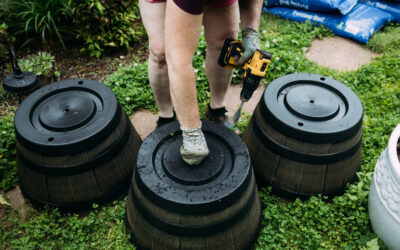
- Wood:Natural look, good insulation, may need treatment to last
- Metal:Stylish and durable, but can heat up plants in sun
- Concrete:Very strong and heavy, holds moisture well
Credit: greenvilledesigns.com
Preparing The Planter Base
Filling large planters needs a strong base. A good base helps plants grow well and keeps the planter safe.
Prepare the base carefully to make sure water drains and the planter is not too heavy.
Drainage Solutions
Drainage stops water from building up in the planter. Too much water can hurt plant roots.
Use holes at the bottom of the planter for water to escape. You can also add a layer to help water flow.
- Make sure the planter has enough drainage holes
- Place broken pots or gravel at the bottom to help water drain
- Use landscape fabric to stop soil from washing out but allow water through
Using Fillers To Reduce Weight
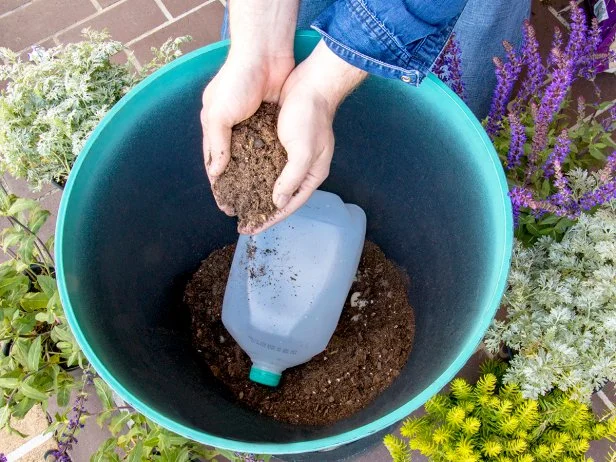
Large planters can get very heavy when full of soil. Fillers lower the weight without hurting plants.
Fillers take up space inside the planter. Use lightweight materials under the soil layer to make the planter lighter.
- Use plastic bottles or foam blocks to fill the bottom
- Broken pottery or packing peanuts are also good fillers
- Cover fillers with a layer of landscape fabric before adding soil
Selecting The Ideal Soil Mix
Filling large planters with the right soil mix helps plants grow strong. The soil mix should hold water, drain well, and provide nutrients.
Choosing the ideal soil mix means understanding what plants need. This guide will explain key soil parts and how to mix them for best results.
Essential Soil Components
Good soil mix has three main parts. Each part plays a role in plant health and growth. You need soil that holds water but drains excess.
The main components are organic matter, mineral soil, and drainage material. These parts work together to keep roots healthy.
- Organic matter:Provides nutrients and holds moisture.
- Mineral soil:Gives structure and supports roots.
- Drainage material:Prevents water from pooling and causing root rot.
Mixing Techniques For Optimal Growth
Mix soil components evenly for the best results. Use clean tools and containers to avoid pests and diseases.
Start by combining mineral soil and organic matter. Add drainage materials last and mix well to ensure good airflow and water flow.
- Use a large container to mix the soil well.
- Break up clumps to create a loose texture.
- Check moisture by squeezing the mix; it should hold shape but crumble easily.
- Adjust components if the mix is too wet or dry.
Credit: www.hgtv.com
Choosing The Perfect Plants
Filling large planters with the right plants makes your garden look great. You want plants that grow well and look nice together.
Choosing plants depends on the environment and how you want the planter to appear. Think about the climate and the colors you like.
Considering Climate And Sunlight
Some plants need full sun, while others grow better in shade. Know how much sunlight your planter gets each day. Also, check the temperature and rain in your area.
- Full sun plants need 6 or more hours of sunlight.
- Partial shade plants like 3 to 6 hours of sunlight.
- Shade plants grow in less than 3 hours of sunlight.
- Choose plants that survive your local weather.
- Check if plants need more water or less.
Balancing Plant Sizes And Colors
Mixing tall and short plants adds depth to your planter. Use colors that match or contrast to make it interesting. Think about the shape and texture too.
| Plant Type | Size | Color |
| Spiky Grass | Tall | Green |
| Flowering Vine | Medium | Red |
| Trailing Ivy | Short | Dark Green |
| Bright Marigold | Short | Orange |
Planting Techniques
Filling large planters requires careful planting techniques. Proper steps help plants grow well and look nice.
Good techniques improve soil use and keep plants healthy in big containers.
Arranging Plants For Aesthetics
Arrange plants to create a balanced and attractive look. Think about height, color, and texture.
Place taller plants in the center or back. Put shorter plants near the edges for a full look.
- Use a mix of leaf shapes for interest
- Combine colors that look good together
- Group plants with similar water needs
- Leave space for plants to grow
Ensuring Proper Plant Spacing
Plant spacing is key for healthy growth. Too close plants can crowd each other.
Give each plant enough room for roots and leaves to spread. This helps air flow and light reach all plants.
- Check plant labels for spacing advice
- Leave at least 2-4 inches between small plants
- Allow more space for bigger plants
- Adjust spacing as plants grow
Watering And Maintenance
Large planters need careful watering to keep plants healthy. Proper maintenance helps plants grow strong and last longer.
Check soil moisture often. Adjust watering to the season and weather for best results.
Establishing A Watering Routine
Water large planters deeply but less often. This encourages roots to grow deeper and stay healthy.
- Water in the morning or late afternoon to reduce evaporation.
- Check soil with your finger; water if the top 2 inches are dry.
- Use a watering can or hose with a gentle spray to avoid soil erosion.
- Ensure water drains well to prevent root rot.
Seasonal Care Tips
Adjust care as the seasons change. Plants in large planters need special attention in winter and summer.
| Season | Care Tips |
| Spring | Start watering more often; prune dead leaves. |
| Summer | Water daily if hot; add mulch to keep soil cool. |
| Fall | Reduce watering; remove fallen debris. |
| Winter | Water less; protect plants from frost and cold winds. |
Enhancing Aesthetic Appeal
Large planters can be stunning focal points in any garden or patio. Filling them thoughtfully improves their beauty and draws attention.
Choosing the right elements inside and on top of the soil creates a polished and inviting look.
Incorporating Decorative Elements
Decorative items add personality to large planters. They bring color, shape, and texture, enhancing the overall style.
- Use colorful stones or pebbles around plants
- Add small statues or garden figurines
- Place decorative stakes or plant markers
- Include driftwood or natural wood pieces
- Use themed items like seashells or glass gems
Using Mulch For A Finished Look
Mulch covers the soil surface and gives a clean, neat appearance. It also helps keep soil moist and controls weeds.
| Mulch Type | Appearance | Benefits |
| Wood Chips | Natural brown | Long lasting, good moisture retention |
| Bark Mulch | Reddish or dark brown | Enhances color contrast |
| Gravel | Various colors | Decorative and drains well |
| Leaf Mold | Dark brown | Improves soil quality |
Troubleshooting Common Issues
Large planters can bring life to your garden or patio. Sometimes, problems arise that affect plant health.
Knowing how to fix common issues helps keep your plants strong and growing well.
Dealing With Pest Infestations
Pests can damage plants by eating leaves or spreading disease. Watch for signs like holes or sticky residue.
- Remove pests by hand if you see only a few.
- Use natural sprays such as neem oil or insecticidal soap.
- Keep plants healthy to resist pests better.
- Introduce beneficial insects like ladybugs that eat harmful bugs.
- Clean the planter and remove dead leaves often.
Solving Soil And Drainage Problems
Soil and drainage issues can cause root rot or poor growth. Check if water stays too long or drains too fast.
| Problem | Cause | Solution |
| Poor Drainage | Clogged holes or dense soil | Clear drainage holes, add coarse material |
| Soil Too Wet | Overwatering or no drainage | Water less, improve drainage |
| Soil Too Dry | Water evaporates quickly | Use mulch, water deeply |
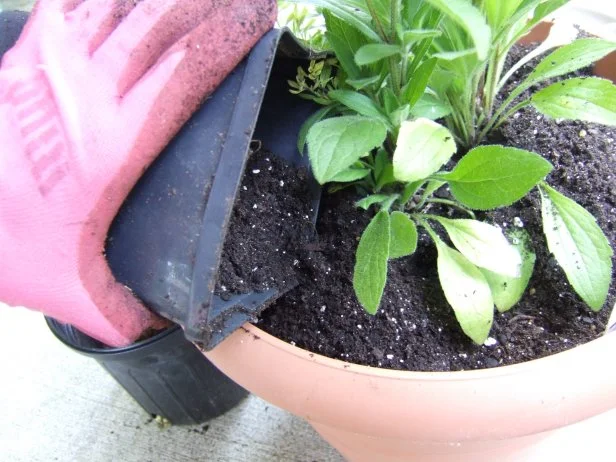
| Soil Compaction | Heavy soil or no aeration | Mix in organic matter or sand |
Credit: www.hgtv.com
Frequently Asked Questions
How Do I Prepare A Large Planter For Planting?
Start by cleaning the planter thoroughly. Add a layer of gravel for drainage. Use high-quality potting soil to fill it. This prevents waterlogging and supports healthy root growth. Ensure the soil is loose and well-aerated before planting.
What Is The Best Soil Mix For Large Planters?
A mix of potting soil, compost, and perlite works best. This combination retains moisture and provides nutrients. It also ensures proper drainage and aeration. Avoid garden soil as it may compact and hinder root growth.
How Much Soil Do I Need For A Large Planter?
Fill the planter about two-thirds full with soil mix. Leave space for the plant root ball and top dressing. This allows roots to spread and prevents soil spilling when watering. Adjust soil amount based on planter size.
Should I Add Fertilizer When Filling Large Planters?
Yes, add slow-release fertilizer to the soil mix. It provides essential nutrients over time. Avoid over-fertilizing as it can harm plants. Follow product instructions for the correct amount based on planter size.
Conclusion
Filling large planters is easier with the right steps. Start with good drainage to keep plants healthy. Use lightweight materials to save space and weight. Add quality soil for strong root growth. Layering helps with water flow and plant support.
Regular care keeps your plants thriving and beautiful. Enjoy watching your garden grow and flourish. Simple tips make big planters work well every time. Try these ideas for a happy, green space.