Finding the perfect fit for your climbing shoes can make or break your climbing experience. If your shoes are too tight, they’ll hurt and distract you.
If they’re too loose, you’ll lose grip and control on the wall. You might think fitting climbing shoes is just about size, but there’s more to it. In this guide, you’ll discover simple, practical tips to help you choose climbing shoes that feel just right—comfortable enough to wear for hours, yet snug enough to boost your performance.
Keep reading, and you’ll learn how to fit climbing shoes like a pro.
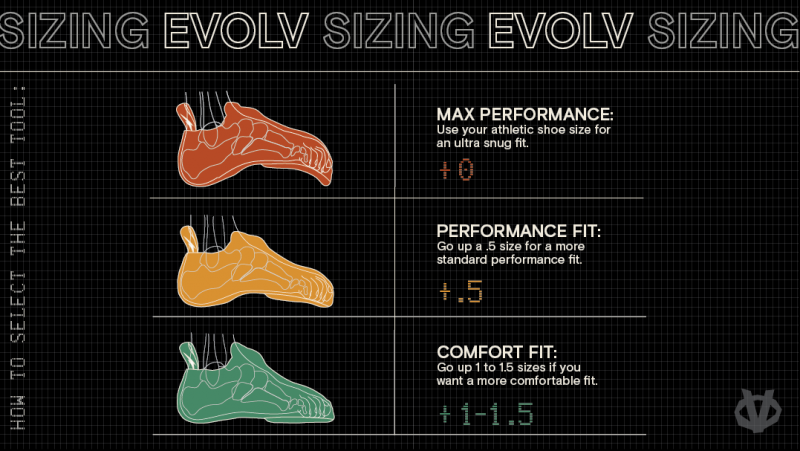
Choosing The Right Size
Climbing shoes need to fit well for comfort and performance. Picking the right size helps you climb better.
Shoes that are too tight or loose can cause pain or slipping. It is important to find the best fit for your feet.
Measuring Your Feet Accurately
Measure your feet at the end of the day when they are largest. Use a ruler or tape to find the length and width.
Stand on a piece of paper and mark the longest toe and heel. Measure the distance between these points to get your foot length.
- Wear the socks you plan to use with climbing shoes
- Measure both feet and use the larger measurement
- Write down your foot length in centimeters or inches
Considering Different Brands
Climbing shoe sizes vary across brands. One size in one brand may feel different in another.
Try shoes from several brands to find the best fit. Check each brand’s size chart before buying online.
- Read reviews about how the shoes fit
- Look for brands that fit your foot shape
- Test shoes in-store if possible
Impact Of Socks And Foot Shape
Socks affect the fit of climbing shoes. Thin socks or no socks give a tighter fit. Thick socks add space inside the shoe.
Your foot shape also matters. Wide feet need wider shoes. Narrow feet fit into slimmer shoes better.
- Try shoes with the socks you will climb in
- Choose shoes designed for your foot width
- Consider insoles if you need extra support

Credit: www.evolvsports.com
Types Of Climbing Shoes
Climbing shoes come in different shapes and fits. Choosing the right type helps you climb better and stay comfortable.
Each shoe type fits your foot and climbing style in a unique way. Understanding these can help you pick the best shoe.
Neutral Fit Shoes
Neutral fit shoes have a relaxed shape. They offer comfort for long climbs and all-day wear.
These shoes have a straight toe box and do not force your foot into a tight position. They are good for beginners.
- Good for long climbing sessions
- Comfortable for wide feet
- Best for crack and trad climbing
Moderate Fit Shoes
Moderate fit shoes have a slight curve in the toe area. They balance comfort and performance.
These shoes fit snug but not too tight. They work well for many types of climbing, from sport to bouldering.
- Provide good toe power
- Comfortable for most climbers
- Versatile for different climbing styles
Aggressive Fit Shoes
Aggressive fit shoes have a downturned shape. They put your toes in a curved position for better grip.
These shoes fit very tight. They are best for steep climbs and precise foot placements.
- Maximize performance on small holds
- Less comfortable for long climbs
- Ideal for advanced climbers
Trying On Climbing Shoes
Fitting climbing shoes is key for good performance and safety. Shoes must be tight but not painful. Testing them on your foot helps find the right fit.
Try shoes with the socks you usually wear or barefoot if preferred. Walk and stretch your toes inside the shoes to check the fit.
Proper Lacing Techniques
Use laces to secure your climbing shoes firmly. Tighten the laces evenly from the toes to the ankle. This prevents slipping during climbs.
- Start lacing from the bottom eyelets near your toes.
- Pull the laces tight but do not cause pain.
- Cross laces evenly at each eyelet.
- Tie a secure knot at the top to keep shoes snug.
- Recheck tightness after walking a few steps.
Checking Toe And Heel Fit
Your toes should just touch the front of the shoe without curling painfully. The heel must be locked in place without gaps or slipping.
| Fit Area | What to Check | Fit Tips |
|---|---|---|
| Toes | Toes should be flat or slightly curled | Look for no dead space in front |
| Heel | Heel stays tight without lifting | Tighten laces or straps to lock heel |
| Arch | Arch holds the shoe securely | Shoes should wrap around arch snugly |
Assessing Comfort Vs Performance
Climbing shoes balance comfort and performance. Tighter shoes improve grip but may cause discomfort. Choose shoes that feel snug but not painful.
- Wear shoes for short periods first.
- Check for pain points or numbness.
- Consider shoe stiffness for your climbing style.
- Remember, a little tightness is normal.
- Don’t ignore sharp pain or blisters.

Credit: www.reddit.com
Breaking In Your Shoes
Climbing shoes need to fit tight but also feel comfortable. Breaking them in makes them softer and easier to wear.
New shoes can feel stiff and hard. Taking time to soften them helps prevent pain during climbs.
Methods To Soften New Shoes
Wear your climbing shoes at home for short times. This helps the material stretch slowly.
Use a shoe stretcher to gently expand tight areas. This can make shoes more comfortable faster.
- Wear thick socks with your shoes to stretch them
- Use warm water to soften leather (do not soak)
- Flex the shoes by bending them with your hands
- Try climbing on easy routes to break them in naturally
Avoiding Common Break-in Mistakes
Do not wear your new shoes all day. This can cause blisters and pain.
Avoid forcing shoes to stretch quickly with heat or harsh methods. This can damage the material.
- Never soak shoes in water fully
- Do not use a hair dryer directly on shoes
- Avoid wearing shoes that cause sharp pain
- Do not rush the break-in process
Signs Of Poor Fit
Climbing shoes must fit well to help you climb safely and comfortably. Poor fit can cause problems during climbs.
Knowing the signs of a bad fit helps you pick shoes that protect your feet and improve your performance.
Pressure Points And Pain
Shoes that are too tight or misshaped create pressure points on your feet. This causes pain in toes, arches, or heels.
Sharp or constant pain means the shoe does not fit your foot shape well. It can lead to long-term foot problems.
- Check for numbness or tingling in toes
- Look for red marks after taking off shoes
- Notice if pain lasts after climbing
Slippage And Heel Lift
If your heel slips up inside the shoe, the fit is loose. This reduces control on steep climbs and edges.
Heel lift causes blisters and makes your foot slide forward. This can lead to toe injuries and less grip.
- Feel your heel move when walking or climbing
- Check if your foot slides forward inside the shoe
- Try shoes with a snug heel cup to avoid slippage
Nail Damage And Blisters
Too-tight shoes can press nails against the shoe’s front. This causes bruised or damaged toenails.
Blisters form when shoes rub your skin too much. This happens if the shoe fits poorly or moves a lot.
- Watch for dark or loose toenails
- Check for red or swollen skin inside shoes
- Use shoes that fit snugly without pinching toes
Maintaining Climbing Shoes
Climbing shoes need care to last long and perform well. Proper maintenance keeps them comfortable and safe.
In this guide, learn how to clean, dry, and know when to replace your climbing shoes.
Cleaning And Drying Tips
Clean your shoes after each use to remove dirt and sweat. Use a soft brush or cloth with mild soap and water.
- Do not use harsh chemicals or bleach.
- Air dry shoes at room temperature.
- Avoid direct sunlight or heaters, which can damage materials.
- Remove insoles and let them dry separately.
- Use newspaper inside shoes to absorb moisture faster.
When To Replace Your Shoes
Check your climbing shoes often for signs of wear. Replacing shoes on time helps avoid injuries.
| Wear Sign | Reason to Replace |
| Thin or worn-out soles | Less grip on rock surfaces |
| Damaged or torn upper | Reduced foot support |
| Stretched out fit | Less control and comfort |
| Loose or broken closures | Poor fit and security |
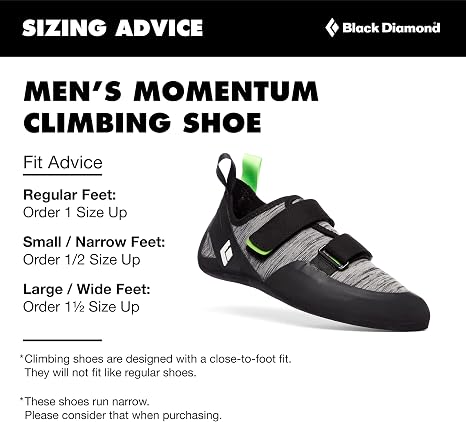
Credit: www.amazon.co.uk
Frequently Asked Questions
How Tight Should Climbing Shoes Fit?
Climbing shoes should fit snugly without causing pain. They must hold your foot firmly to enhance control and precision during climbs.
Can Climbing Shoes Stretch Over Time?
Yes, most climbing shoes stretch slightly with wear. Choose a snug fit initially, considering material and brand stretch characteristics.
How To Know If Climbing Shoes Are Too Tight?
Shoes are too tight if they cause numbness or severe pain. Minor discomfort is normal but avoid long-term foot damage.
Should Climbing Shoes Be Worn With Socks?
Climbing shoes are generally worn without socks for better fit and sensitivity. However, thin socks can be used for hygiene or comfort.
Conclusion
Choosing the right climbing shoes feels tricky, but it is worth the effort. Shoes should fit snugly without pain or numbness. Test them by walking and standing on toes. Remember, tight shoes help control, but comfort matters most. Taking time to find the perfect fit improves climbing performance and safety.
Trust your feet, listen to how they feel. This balance makes climbing more enjoyable and less tiring. Keep these tips in mind for your next shoe purchase. Happy climbing!