Is your microwave oven acting up just when you need it most? You don’t have to rush out to buy a new one or pay for expensive repairs right away.
Fixing your microwave might be easier than you think. You’ll discover simple, step-by-step tips to troubleshoot and repair common microwave problems. By the time you finish reading, you’ll feel confident to bring your microwave back to life—and save time and money.
Let’s get started and make your microwave work like new again!
Common Microwave Issues
Microwaves may stop heating or turn off suddenly due to common faults. Simple fixes like checking the door latch or replacing a fuse often solve these problems. Understanding basic repairs can save time and money.
Common microwave issues can be frustrating and inconvenient. Understanding these problems helps in troubleshooting and fixing them. Below are some common issues and how to address them.Microwave Not Heating
A microwave not heating is a common complaint. This problem often arises from a faulty diode or door switch. Check these components for damage. Replace them if necessary. Ensure the microwave is plugged in correctly. Inspect the power outlet for any issues.Turntable Not Spinning
A non-spinning turntable affects cooking evenly. First, check the turntable motor for faults. Clean the roller guide and ensure it’s placed correctly. Examine the coupler beneath the turntable. Replace it if it’s broken or worn.Sparking Inside The Oven
Sparking inside the microwave can be alarming. This issue often results from metal inside the oven. Remove any metal objects immediately. Check for food debris or grease buildup. Clean the interior thoroughly to prevent sparks.Microwave Door Problems
Microwave door issues can prevent proper operation. Inspect the door latch and hinges for damage. Ensure the door closes tightly. If the door doesn’t align properly, adjust or replace the latch. A faulty door switch can also cause problems. Test and replace if needed.
Credit: www.youtube.com
Safety Tips Before Repair
Repairing a microwave oven requires careful attention to safety. Microwaves contain parts that can be dangerous if mishandled. Taking safety precautions helps prevent injuries and damage. Always prepare yourself before starting any repair work.
Unplugging The Microwave
Always unplug the microwave from the power source first. This step stops electricity from flowing. Even if the microwave looks off, it can still have power. Never skip this step to avoid electric shock.
Handling High Voltage Components
Microwaves have high voltage parts like the capacitor. These parts store electricity even after unplugging. They can give a strong shock if touched. Use a tool to discharge capacitors safely before touching them.
Using Proper Tools
Use tools designed for electrical work. Insulated screwdrivers and pliers reduce the risk of shock. Avoid using damaged or worn tools. Proper tools make the repair safer and easier.
Basic Troubleshooting Steps
Fixing a microwave oven can seem tricky, but many common problems have simple solutions you can try on your own. Before calling a technician, it’s smart to go through some basic troubleshooting steps. These checks often reveal easy fixes that save time and money.
Checking The Power Source
Start by confirming your microwave is properly plugged in. Sometimes the issue is as simple as a loose connection or a tripped circuit breaker. Test the outlet by plugging in another device like a lamp to see if it works.
If the outlet is dead, reset your breaker or check your fuse box. Power problems are common but easy to overlook. Have you ever spent hours trying to fix a device only to find it wasn’t getting power at all?
Inspecting The Door Switch
The microwave won’t operate if the door switch isn’t working correctly. This safety feature stops the microwave from running when the door is open. Open and close the door firmly to hear a clicking sound, which indicates the switch is engaging.
If you don’t hear a click, the switch might be faulty or misaligned. Replacing a door switch is usually straightforward and affordable. This simple check can solve issues where your microwave refuses to start or stops mid-cycle.
Testing The Fuse
A blown fuse can cut power to your microwave’s internal components. To test it, unplug the microwave and locate the fuse inside the control panel or near the power cord. Use a multimeter to check for continuity—if there’s none, the fuse needs replacing.
Remember, fuses blow for a reason, like a power surge or a faulty part, so don’t just replace it without further inspection. Have you checked your fuse lately when your microwave suddenly stopped working?
Examining The Magnetron
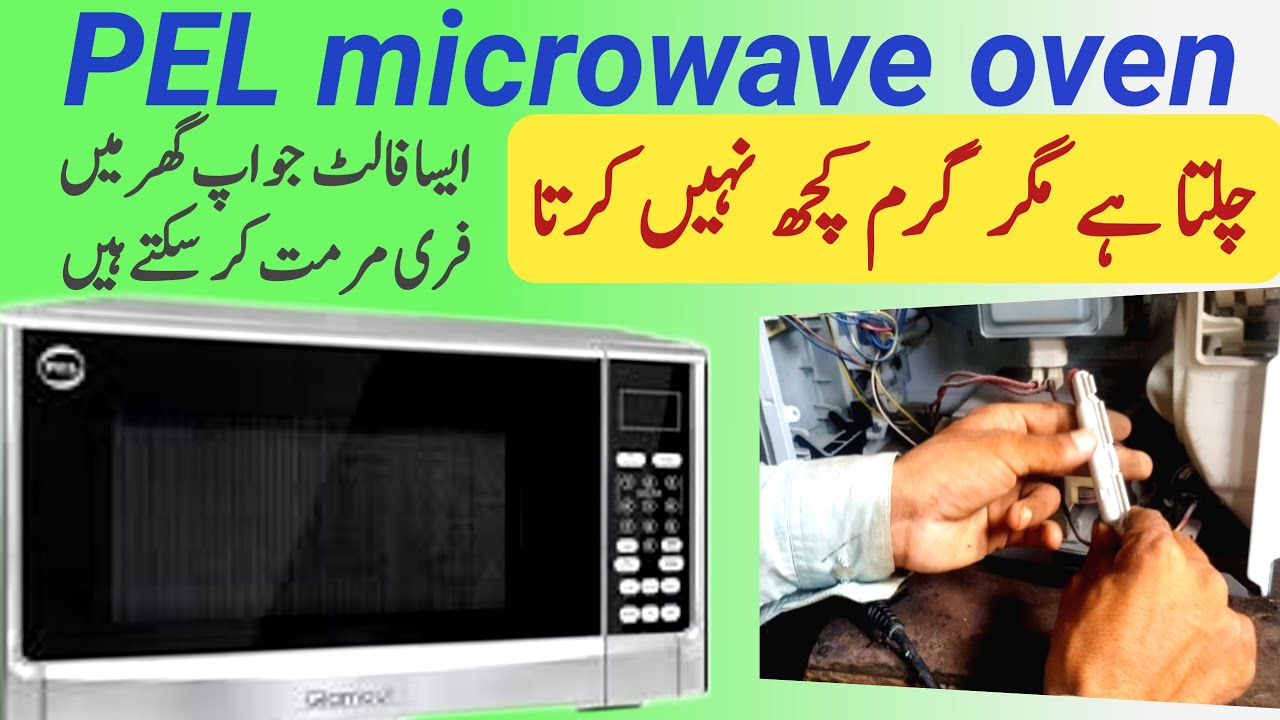
The magnetron generates the microwaves that heat your food. If your microwave runs but doesn’t heat, this part could be the culprit. Look for signs like a burning smell, strange noises, or visible damage to the magnetron.
Testing the magnetron requires caution because it involves high voltage components. If you’re comfortable, use a multimeter to check its resistance, but if not, consult a professional. Understanding this key part can help you decide whether repair or replacement makes more sense.
Credit: www.youtube.com
Fixing Specific Problems
Fixing specific problems in a microwave oven can bring it back to life without buying a new one. Small issues often cause big troubles. Identifying the exact problem helps save time and money. Some repairs require simple tools and a little patience. This section covers common fixes anyone can try safely.
Replacing A Blown Fuse
A blown fuse stops the microwave from turning on. First, unplug the microwave to avoid electric shock. Open the back panel carefully. Locate the fuse near the power cord. Use a multimeter to check if the fuse is broken. Replace it with a fuse of the same rating. Close the panel and test the microwave.
Fixing The Turntable Motor
The turntable motor moves the plate inside the microwave. If the turntable stops spinning, the motor may be faulty. Unplug the microwave and remove the turntable. Access the motor under the plate. Check the wires and connections for damage. Replace the motor if it does not work. Reassemble and test the turntable.
Cleaning Or Replacing The Waveguide Cover
The waveguide cover protects the microwave’s magnetron. Grease and food spills can damage it. Remove the cover by unscrewing the fasteners. Clean it gently with warm water and mild soap. Replace the cover if it is burnt or cracked. Always use an original or compatible part. Reattach the cover before using the microwave.
Repairing Door Latches And Switches
Door latches and switches keep the microwave safe to use. A broken latch or switch can stop the microwave from starting. Inspect the door for damage. Test the switches with a multimeter for continuity. Tighten loose screws or replace broken parts. Make sure the door closes firmly before use.
When To Call A Professional
Knowing when to call a professional for your microwave oven repair can save you time, money, and even prevent injury. Some problems are straightforward and safe to fix on your own, but others require expert skills and tools. Recognizing the signs that your microwave needs professional attention helps you avoid unnecessary risks and ensures a proper fix.
Complex Electrical Issues
Microwaves contain high-voltage components that can be dangerous if handled incorrectly. If your microwave won’t power on or trips your circuit breaker, the problem might lie in the electrical system. These issues often involve capacitors or transformers that store electricity even when unplugged.
Attempting to fix these parts without proper training can lead to shocks or further damage. Do you feel confident working with electrical parts that hold a charge? If not, it’s safer to call a professional technician.
Parts Replacement Challenges
Replacing parts like the magnetron, door switches, or control panels can be tricky. Some components require exact matching and precise installation to keep the microwave functioning correctly. Incorrect part replacement can cause the oven to malfunction or become unsafe.
Have you checked if the replacement parts are available and compatible with your model? Professionals have access to the right parts and know how to install them correctly, saving you from guesswork and wasted money.
Safety Concerns
Microwaves use microwave radiation to heat food, and any damage to the door seal or shielding can cause leakage. If your microwave has a cracked door, broken latch, or damaged seals, it’s essential to get it inspected by a professional. Using a microwave with compromised safety features can expose you to harmful radiation.
Moreover, if you notice burning smells, sparks, or unusual noises, stop using your microwave immediately. Would you risk your health over a quick fix? Letting an expert handle these safety concerns protects you and your family.
Credit: www.maytag.com
Maintenance Tips To Extend Microwave Life
Maintaining your microwave oven properly can save you from unexpected breakdowns and costly repairs. Small, consistent efforts help keep your microwave running smoothly for years. Let’s look at some simple yet effective maintenance tips that you can start applying today.
Regular Cleaning
Food spills and splatters inside your microwave don’t just look messy; they can cause unpleasant odors and even damage internal components over time. Clean the interior regularly using a damp cloth and mild detergent.
Steam cleaning works wonders too—place a bowl of water with lemon slices inside and run the microwave for a few minutes. This softens grime, making it easy to wipe away.
Don’t forget to clean the door seals carefully. Dirt buildup there can affect the microwave’s efficiency and safety.
Avoiding Metal Inside
Metal objects inside a microwave can cause sparks and serious damage. Even small metal trims on plates or aluminum foil can be risky.
Have you ever accidentally microwaved a fork? I did, and it caused a loud pop and a brief flash inside. Fortunately, no damage occurred, but it could have been worse.
Stick to microwave-safe containers made of glass, ceramic, or specific plastics to keep your microwave safe and functional.
Proper Usage Habits
Overheating or running your microwave empty can strain the magnetron, the key part that generates microwaves. Avoid heating food for longer than necessary.
Break long cooking times into shorter intervals, stirring or checking food in between. This prevents overheating and uneven heating.
Also, ensure the microwave sits on a flat, stable surface with enough ventilation space. Crowding it in a tight corner can cause overheating issues.
Frequently Asked Questions
How Do I Reset A Microwave Oven Safely?
To reset a microwave, unplug it from the power source for 1-2 minutes. Then, plug it back in. This clears minor errors and may fix unresponsive controls.
Why Is My Microwave Not Heating Food?
If your microwave runs but doesn’t heat, the magnetron might be faulty. It may need replacement by a professional technician for safety.
How Can I Fix A Microwave Door That Won’t Close?
Check for debris or misalignment on the door latch and frame. Clean or adjust parts carefully. Replace damaged door components if necessary.
What Causes A Microwave Turntable To Stop Spinning?
The turntable motor or roller guide could be broken or dirty. Inspect and clean these parts. Replace the motor if it’s defective.
Conclusion
Fixing a microwave oven can save time and money. Start with simple checks like power and door issues. Use the right tools and follow safety steps carefully. Small problems often have easy solutions. When unsure, ask a professional for help.
Regular cleaning and maintenance keep your microwave working well. Stay patient and take your time during repairs. A working microwave makes cooking faster and easier again. Keep these tips in mind for future fixes.