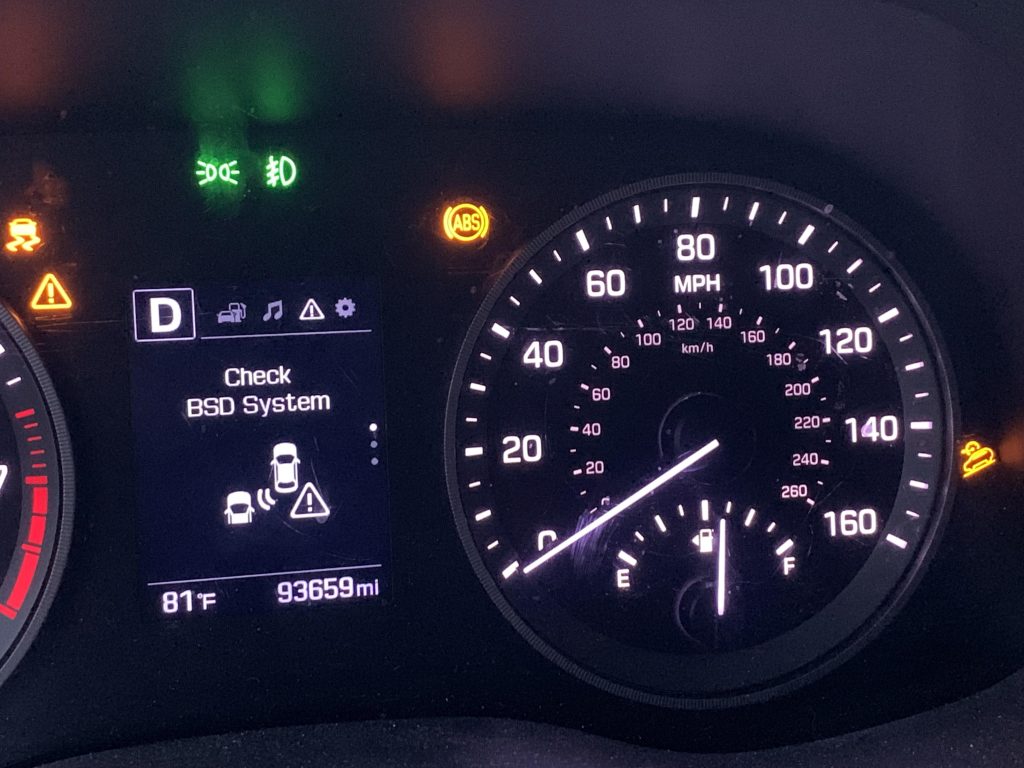
If your Hyundai’s Blind Spot Detection (BSD) system isn’t working right, it can feel frustrating and unsafe. You rely on this technology to keep you aware of vehicles hiding in your blind spots.
But don’t worry—fixing your BSD system might be simpler than you think. In this guide, you’ll discover easy steps to diagnose and repair common BSD issues. By the end, you’ll feel confident getting your system back to full strength, making your drives safer and stress-free.
Keep reading to learn how you can take control of your Hyundai’s BSD system today.
Common Bsd System Issues
The Blind Spot Detection (BSD) system in your Hyundai is designed to enhance safety by alerting you to vehicles in your blind spots. However, like any advanced technology, it can face issues that affect its performance. Understanding the common BSD system problems can help you troubleshoot effectively and keep your car’s safety features running smoothly.
Sensor Malfunctions
The BSD system relies heavily on sensors mounted on the rear sides of your vehicle. Dirt, ice, or physical damage can block or impair these sensors, causing them to malfunction. If you notice inconsistent warnings or no alerts at all, check the sensors for debris or damage first.
Sometimes, sensors fail due to internal faults, which might require professional diagnostics. Have you ever ignored a sensor warning only to realize it was a false alert? Clearing sensor issues early can save you from costly repairs later.
Warning Light Errors
Your Hyundai’s dashboard warning lights are your first clue to BSD system problems. A persistent BSD warning light might indicate a system error rather than an actual blind spot threat. This can happen due to electrical glitches or software bugs.
Resetting the system by turning off the car and restarting it can sometimes clear these errors. If the light stays on, it’s wise to scan the system using an OBD-II scanner or visit a technician. Are you ignoring warning lights thinking they’re minor? That could compromise your safety.
System Calibration Problems
Proper calibration is crucial for the BSD system to function correctly. Calibration issues often arise after sensor replacement, bumper repairs, or software updates. If your BSD alerts are off-target or completely absent, the system might need recalibration.
Calibration usually requires specialized equipment and professional service. However, knowing when the system needs calibration—such as after a collision or sensor adjustment—helps you avoid driving with impaired safety features. Have you checked your BSD system after any recent repairs?
Credit: www.hyundai-forums.com
Basic Troubleshooting Steps
Basic troubleshooting helps solve common issues with the BSD system on Hyundai vehicles. This system uses sensors to detect vehicles in blind spots. Dirt, loose wiring, or software glitches can cause malfunctions. Simple checks often fix these problems quickly. Follow these steps carefully for safe and effective results.
Checking Sensor Cleanliness
Dirty sensors reduce BSD system performance. Clean sensors gently with a soft cloth. Avoid harsh chemicals or abrasive materials. Check for mud, dust, or ice covering the sensors. Clean sensors improve detection and system reliability.
Inspecting Wiring And Connections
Loose or damaged wiring causes BSD errors. Look behind sensor covers and wheel wells. Check for frayed wires or corrosion. Secure all connectors firmly. Repair or replace damaged wires to restore proper function.
Resetting The Bsd System
Resetting the system can clear minor errors. Turn off the vehicle and wait for a few minutes. Restart the engine to reset the BSD system. Some models allow reset through the settings menu. Consult the owner’s manual for exact steps.
Advanced Fixes
Advanced fixes for your Hyundai’s Blind Spot Detection (BSD) system require a bit more technical skill but can save you costly trips to the dealer. These solutions often involve tools and parts that go beyond basic troubleshooting, giving you more control over the repair process. Understanding these fixes can help you maintain the system’s accuracy and reliability over time.
Recalibrating Sensors Using Diagnostic Tools
Recalibrating BSD sensors is essential when the system shows false warnings or stops detecting vehicles properly. You’ll need a compatible OBD-II diagnostic tool to access the sensor data and perform recalibration.
Connect the tool to your Hyundai’s diagnostic port and follow the prompts to reset the sensors. This process realigns sensor readings with the vehicle’s actual surroundings, improving detection accuracy. Have you noticed your BSD alerts going off unexpectedly? Recalibration might be the answer.
Replacing Faulty Sensors
If recalibration doesn’t fix the issue, a sensor could be faulty or damaged. Identifying the exact sensor causing the problem is key—usually the side or rear radar units.
Replacing these sensors involves carefully removing the old unit and installing a new, OEM-compatible sensor. Make sure to handle the sensor with care to avoid damage during installation. After replacement, recalibrate the system to sync the new sensor with your vehicle’s control module.
Updating System Software
Sometimes, BSD malfunctions stem from outdated system software rather than hardware issues. Hyundai often releases software updates that fix bugs and improve system performance.
Check if your vehicle’s software is up to date through the dealer or by using a diagnostic tool that supports software updates. Installing the latest software can enhance sensor communication and overall system reliability. Do you know when your BSD system last received an update?
Preventive Maintenance Tips
Preventive maintenance helps keep the BSD system in your Hyundai working well. It avoids costly repairs and improves safety. Small habits and regular checks protect the sensors and system from damage. This section covers simple steps to maintain your BSD system effectively.
Regular Sensor Cleaning
Clean the sensors often to remove dirt and debris. Use a soft cloth and mild cleaner. Avoid harsh chemicals that might damage the sensor lens. Clean sensors improve detection and reduce false alerts. Check sensors after bad weather or off-road driving.
Routine System Checks
Run system tests regularly using the vehicle’s diagnostics. Check for error messages or warning lights on the dashboard. Update the BSD system software at service centers. Monitor sensor alignment and wiring for damage. Early detection of issues helps fix problems fast.
Safe Driving Practices
Drive carefully in crowded or tight spaces. Avoid sudden movements that trigger false warnings. Keep a safe distance from other vehicles to reduce sensor strain. Park in areas free from obstacles like bushes or poles near sensors. Gentle driving extends the sensor lifespan and system reliability.
When To Seek Professional Help
Knowing when to seek professional help for your Hyundai’s Blind Spot Detection (BSD) system is vital. Some issues are simple to fix, but others need expert care. Acting at the right time can prevent bigger problems and keep your driving safe.
Signs Of Serious Malfunctions
- The BSD warning light stays on constantly.
- System alerts sound without reason.
- Blind spot indicators fail to light up.
- Frequent false alarms occur while driving.
- The system stops working after minor repairs.
These signs suggest a deeper problem with sensors or wiring. Avoid driving without BSD if these appear.
Choosing The Right Service Center
- Pick a Hyundai-certified service center.
- Check if technicians have BSD repair experience.
- Look for centers with modern diagnostic tools.
- Read customer reviews about their service quality.
- Confirm warranty coverage for repairs.
Expert technicians ensure proper diagnosis and repair. They prevent damage from incorrect fixes.
Cost Considerations
BSD system repairs vary in price. Sensor replacements cost more than software updates. Labor charges depend on service center rates and repair complexity.
Request a detailed estimate before approving work. Compare prices from multiple centers. Consider repair costs versus system benefits for your safety.
Credit: www.kia-forums.com
Credit: www.hyundai-forums.com
Frequently Asked Questions
What Causes Bsd System Issues In Hyundai Vehicles?
BSD system problems often stem from sensor malfunctions, wiring issues, or software glitches. Environmental factors like dirt or weather can also affect sensor performance. Regular maintenance helps prevent such issues and ensures accurate blind spot detection for safe driving.
How Do I Reset The Bsd System On My Hyundai?
To reset the BSD system, turn off the vehicle and restart it after a few minutes. Some models may require a system reset via the vehicle settings menu. Consult your Hyundai owner’s manual for model-specific reset instructions.
Can I Fix Hyundai Bsd Sensor Problems Myself?
Basic sensor cleaning and inspection can be done at home using a soft cloth. However, complex issues like wiring faults or software errors need professional diagnostics and repairs to ensure safety and proper system functionality.
How Long Does It Take To Repair Bsd System Faults?
Repair time varies based on the issue’s complexity. Simple sensor cleaning may take 30 minutes, while electronic repairs or software updates could require a few hours. Always consult a certified Hyundai technician for accurate time estimates.
Conclusion
Fixing the BSD system on your Hyundai is manageable. Follow the steps carefully. Start by checking the system for errors. Update the software if necessary. Ensure all connections are secure. Consult the Hyundai manual for guidance. Seek professional help if needed.
Regular maintenance prevents future issues. Always keep your car’s software updated. This ensures smooth performance. Addressing problems early saves time and money. A well-functioning BSD system enhances safety. Enjoy your drive with confidence. Remember, understanding your car’s systems is key.
Stay informed and proactive for a hassle-free experience.