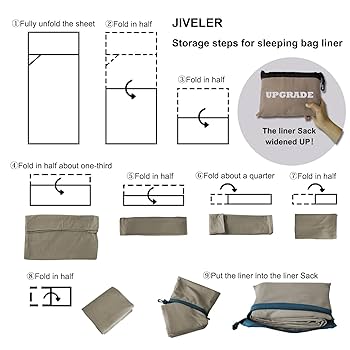
Folding a sleeping bag might seem simple, but doing it the right way can save you space, keep your gear in good shape, and make your next trip easier. If you’ve ever struggled to fit your sleeping bag back into its stuff sack or ended up with a bulky, messy bundle, this guide is for you.
By learning a few easy steps, you’ll protect your sleeping bag’s insulation and make packing up faster and stress-free. Ready to master the perfect fold? Keep reading, and you’ll never wrestle with your sleeping bag again.
Choosing The Right Surface
Picking the right surface to fold your sleeping bag helps keep it clean and dry. A good surface protects the bag’s material and makes folding easier.
Flat, dry, and clean areas are best. Avoid rough or wet places that can damage the fabric or add moisture.
Flat And Even Ground
Choose a flat surface to fold your sleeping bag. Uneven ground can cause wrinkles and make the bag harder to fold neatly.
Flat surfaces help keep the insulation even and prevent damage to the bag’s filling.
Cleanliness Matters
Make sure the surface is clean and free of dirt, sand, or sharp objects. These can stick to the bag or tear the fabric over time.
- Use a tarp or groundsheet if the area is dusty or rough.
- Brush off any debris before laying down the bag.
- Avoid areas with sticks or stones that can poke holes.
Dry And Moisture-free Area
Folding your sleeping bag on a dry surface helps keep it free from moisture. Wet spots can cause mildew and bad smells later.
| Surface Type | Dryness | Risk to Sleeping Bag |
| Grass | Usually dry | Low if not wet |
| Dirt or soil | Can be moist | Moderate, may stain |
| Concrete or pavement | Dry | Low but can be rough |
| Sand | Dry | Can get inside zipper |
| Wet ground | Wet | High, avoid |
Preparing The Sleeping Bag
Folding a sleeping bag the right way helps keep it clean and saves space. Proper preparation makes folding easier and protects the bag’s insulation.
Start by getting the sleeping bag ready. This step ensures it stays fresh and lasts longer on your trips.
Shake Out And Flatten
First, hold the sleeping bag by the top and give it a good shake. This removes dirt and helps fluff the insulation inside.
- Lay the sleeping bag flat on a clean surface.
- Smooth out any wrinkles or lumps.
- Make sure the bag is dry to avoid mildew.
- Check that no debris or leaves are stuck inside.
Zip Up Completely
Before folding, zip the sleeping bag all the way up. This keeps the shape tidy and prevents the zipper from catching during storage.
| Reason | Benefit |
| Zip up fully | Protects the insulation and shape |
| Keep zipper closed | Prevents damage and snags |
| Check zipper function | Ensures smooth folding and packing |
Basic Rolling Method
Folding a sleeping bag properly saves space and keeps it clean. The basic rolling method is simple and effective for packing your bag.
This method works well for most sleeping bags and is easy to do anywhere.
Lay Flat And Fold Lengthwise
Start by laying your sleeping bag flat on a clean surface. Smooth out any wrinkles or lumps to make it even.
Fold the sleeping bag in half lengthwise. This makes it narrower and easier to roll tightly.
Start Rolling Tightly
Begin rolling from the foot end of the sleeping bag. Roll it tightly to remove air and reduce size.
Keep your roll firm and even as you go. This helps the sleeping bag stay compact.
Secure With Straps Or Bands
After rolling, secure the sleeping bag with straps or elastic bands. This stops it from unrolling during transport.
If your sleeping bag has built-in straps, use them. Otherwise, use separate bands or cords.
Compact Stuff Sack Technique
Folding a sleeping bag into a compact shape helps save space in your backpack. The compact stuff sack technique is a simple way to pack your sleeping bag tightly.
This technique avoids rolling and focuses on stuffing the sleeping bag into the sack. It works well for down or synthetic sleeping bags.
Stuff Instead Of Rolling
Stuffing your sleeping bag keeps the insulation fluffy and protects it better. Rolling can squash the insulation and reduce warmth.
Start by holding the sleeping bag at one end. Push it into the stuff sack evenly without folding or rolling it.
- Lay the sleeping bag flat
- Grab the opening of the stuff sack
- Push the sleeping bag inside in sections
- Do not fold or roll tightly
- Keep the insulation loose
Compress And Secure
After stuffing, compress the sack to reduce size further. Use compression straps if your sack has them.
Make sure the sack is securely closed. A tight closure keeps the sleeping bag compact and easy to carry.
- Push down on the sack gently to remove air
- Fasten compression straps or cords
- Close the sack zipper or drawstring fully
- Check for any loose ends
- Pack the sack in your backpack carefully
Folding For Storage
Folding a sleeping bag correctly helps keep it in good shape. Proper storage stops damage and makes it last longer.
Always fold your sleeping bag loosely for storage. This keeps the insulation fluffy and effective.
Avoid Compression
Do not store your sleeping bag in a tight stuff sack. Compression can damage the insulation inside.
Keep your sleeping bag loose to protect its warmth and shape. Compression reduces loft and comfort.
Use A Large Storage Bag
Use a big, breathable storage bag for your sleeping bag. It lets air flow and prevents mildew.
Store your sleeping bag loosely inside this large bag. It keeps the insulation soft and full.
Credit: www.youtube.com
Tips For Different Sleeping Bag Types
Folding a sleeping bag correctly saves space and keeps it clean. Different sleeping bags need different folding methods. Knowing the right way helps keep your bag in good shape.
This guide covers tips for down and synthetic bags, plus mummy and rectangular shapes. Follow these simple steps for each type.
Down Vs. Synthetic Bags
Down bags are soft and compress well. Synthetic bags are bulkier but dry faster. Folding affects how long they last and how easy they are to carry.
- For down bags, avoid tight folding to keep the feathers fluffy.
- Roll down bags loosely and store them in a large sack.
- Synthetic bags can be folded or rolled tighter since they are more durable.
- Always dry your bag fully before folding to prevent mildew.
Mummy Vs. Rectangular Shapes
Mummy bags are narrower and shaped to fit the body. Rectangular bags are roomier and less tapered. The folding method depends on the shape.
| Sleeping Bag Shape | Best Folding Method | Reason |
| Mummy | Roll tightly from the foot end | Saves space and keeps shape |
| Rectangular | Fold into thirds then roll | Prevents wrinkles and fits larger storage |
Common Mistakes To Avoid
Folding a sleeping bag might seem easy. Yet, many make mistakes that harm the bag or take too much space. Avoiding these errors helps keep your sleeping bag in good shape and makes packing simpler.
Here are common mistakes to watch for when folding your sleeping bag. Learning these tips saves time and keeps your gear ready for your next trip.
Not Cleaning The Sleeping Bag First
Many people fold their sleeping bags without cleaning them. Dirt and moisture stay inside and cause bad smells or damage the insulation. Always make sure your sleeping bag is dry and clean before folding.
Folding Too Tightly
Pressing the sleeping bag too hard to make it smaller can hurt the filling. This reduces warmth over time. Fold gently to keep the insulation fluffy and effective.
Ignoring The Shape Of The Bag
Sleeping bags have shapes made for comfort and warmth. Folding in a wrong way can cause creases that wear the fabric. Follow the bag’s natural lines to fold it correctly.
Skipping The Roll Before Fold
Some people try to fold without rolling first. Rolling helps reduce air inside and makes folding easier. Skipping this step wastes space and makes the bag bulky.
Using Incorrect Folding Techniques
- Folding from the bottom up can trap air inside.
- Folding unevenly causes lumps and creases.
- Not smoothing the fabric leads to wrinkles.
- Ignoring manufacturer instructions risks damage.
Use a consistent and smooth folding style to keep your bag neat and safe.
Storing The Sleeping Bag In Its Compression Sack Long-term
Compression sacks save space but can harm the sleeping bag if used for long storage. The constant pressure damages the insulation. Use a large storage sack or hang the bag when not in use.
| Storage Method | Best Use |
| Compression Sack | Short trips and travel |
| Large Storage Sack or Bag | Long-term storage |
| Hanging | Home storage to keep loft |

Credit: www.ebay.com

Credit: www.amazon.co.uk
Frequently Asked Questions
How Do You Fold A Sleeping Bag Compactly?
Start by laying the sleeping bag flat. Fold it lengthwise twice. Roll tightly from the foot end to the top. Secure with straps or a compression sack for a compact, easy-to-carry shape.
Why Is Proper Sleeping Bag Folding Important?
Proper folding prevents damage and maintains insulation. It reduces bulk, making storage and transport easier. Correct folding also extends the sleeping bag’s lifespan by avoiding unnecessary creases.
Can Folding Affect Sleeping Bag Insulation Quality?
Yes, improper folding compresses insulation unevenly. This reduces loft, lowering warmth and comfort. Always fold or roll gently to preserve the insulation’s effectiveness and keep it fluffy.
How Often Should I Fold My Sleeping Bag?
Fold your sleeping bag after every use to keep it clean and organized. For long-term storage, loosely roll or store it in a large sack to maintain loft.
Conclusion
Folding a sleeping bag properly saves space and keeps it clean. It also helps the bag last longer. Start by laying it flat and rolling tightly. Use straps or ties to hold it together. Practice a few times to get quick and neat folds.
This simple skill makes packing easier and your gear more organized. Try it on your next trip and see the difference. Small habits like this improve every camping experience. Keep your sleeping bag ready and enjoy your outdoor adventures.