Do you often find yourself with extra bell peppers and onions that you just can’t use up in time? You’re not alone.
These vibrant vegetables add flavor and color to many dishes, but they can spoil faster than you’d like. Imagine the convenience of having perfectly preserved peppers and onions ready to use whenever you need them. Freezing is the solution, and it’s easier than you think.
Dive into this guide to discover how you can save time, reduce waste, and always have fresh-tasting ingredients at your fingertips. By the end of this article, you’ll wonder why you didn’t start freezing your bell peppers and onions sooner. Let’s unlock the secret to preserving these kitchen staples, so you can enjoy their goodness all year round.
Choosing Fresh Bell Peppers And Onions
Choosing fresh bell peppers and onions is key to preserving their flavor and texture. Fresh vegetables freeze better and taste closer to fresh when thawed. Selecting the right peppers and onions means avoiding spoilage and waste.
Look for firm, brightly colored bell peppers without soft spots or wrinkles. The skin should be smooth and shiny. Avoid peppers with blemishes or cuts, as these can spoil quickly.
Pick onions that feel heavy for their size and have dry, papery skins. Avoid onions with soft spots, mold, or green shoots. These signs indicate age or damage, which affects quality after freezing.
Inspecting Bell Peppers For Freshness
- Choose peppers with vibrant, even color.
- Check for firm texture and smooth skin.
- Avoid wrinkles, soft spots, or discoloration.
- Pick peppers without cuts or bruises.
Selecting Quality Onions
- Look for dry, papery outer layers.
- Onions should feel heavy and firm.
- Avoid any with soft spots or mold.
- Skip onions with green or sprouting tops.
Tips For Buying Fresh Produce
- Buy from local markets for fresher options.
- Choose vegetables with no signs of damage.
- Check for consistent size for even freezing.
- Pick produce that is just ripe, not overripe.
Preparing Peppers And Onions For Freezing
Preparing bell peppers and onions properly helps keep their flavor and texture after freezing. The right steps ensure they stay fresh and easy to use later. Start with clean vegetables and cut them into sizes that fit your cooking needs. Proper preparation makes cooking faster and food tastier.
Washing And Drying
Rinse bell peppers and onions under cold running water. Remove dirt and any chemicals on the surface. For bell peppers, wash outside and inside after removing seeds. Peel off the dry outer skin of onions. Shake off excess water carefully.
Drying is important to avoid ice crystals. Use a clean kitchen towel or paper towels to pat them dry. Make sure no moisture remains before freezing. This step helps prevent freezer burn and keeps texture firm.
Slicing And Dicing Techniques
Choose the right cut based on how you plan to cook later. Slice peppers into strips for stir-fries. Dice them into small pieces for soups or sauces. Cut onions into rings or small cubes depending on your recipe.
- Cut bell peppers into uniform pieces for even freezing.
- Remove seeds and white membranes from peppers before cutting.
- Peel onions fully and trim ends before slicing.
- Keep pieces consistent in size for quick cooking later.
Use a sharp knife to make clean cuts. Avoid crushing the vegetables to keep their shape. Proper slicing and dicing improve freezing quality and cooking results.
Blanching Bell Peppers And Onions
Blanching bell peppers and onions before freezing helps keep their color, flavor, and texture. This simple process stops enzyme actions that cause spoilage. It also makes vegetables easier to cook later. Blanching is a quick step that improves the quality of frozen peppers and onions.
Why Blanching Helps
Blanching slows down enzyme activity that leads to food spoilage. It prevents loss of color and flavor in bell peppers and onions. The process also reduces bacteria and dirt on the surface. Blanched vegetables freeze better and last longer in the freezer. It helps keep their fresh taste and crisp texture after thawing.
Step-by-step Blanching Process
- Bring a large pot of water to a rolling boil.
- Prepare a bowl of ice water for cooling.
- Cut bell peppers and onions into desired sizes.
- Place the peppers and onions in boiling water.
- Blanch bell peppers for 2-3 minutes, onions for 2 minutes.
- Immediately transfer them to the ice water bath.
- Let them cool for the same time as blanching.
- Drain thoroughly and dry with a clean towel.
- Pack into freezer bags or containers for freezing.
Freezing Methods
Freezing bell peppers and onions is a great way to keep them fresh and ready for your recipes. Choosing the right freezing method can make a big difference in texture and flavor when you use them later. Let’s look at two simple but effective ways to freeze these vegetables so they stay tasty and easy to use.
Single Layer Freezing
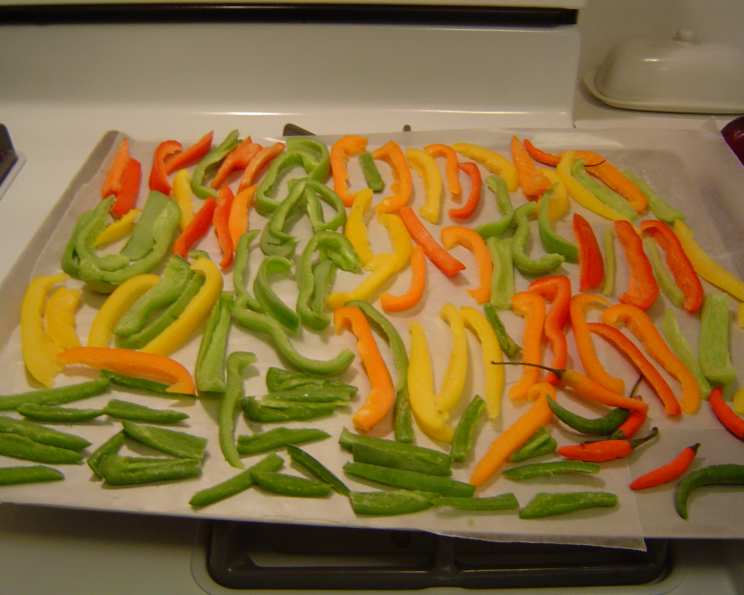
Lay your chopped bell peppers and onions on a baking sheet in a single layer. Make sure the pieces don’t touch each other to prevent clumping. Pop the tray into the freezer for a few hours until the pieces are firm.
This quick freeze stops the vegetables from sticking together. Once frozen, transfer them into freezer-safe bags or containers. Have you ever struggled to separate frozen veggies stuck in one big block? This method saves you from that hassle.
Using Freezer Bags And Containers
After freezing your veggies in a single layer or right after chopping, place them in freezer bags or airtight containers. Squeeze out as much air as possible from bags to avoid freezer burn. Label the bags with the date and contents for easy tracking.
Containers work well if you want to store larger amounts or keep your freezer organized. You can also portion veggies into small bags for quick cooking without thawing the whole batch. How much time could you save by having pre-portioned peppers and onions ready to go?
Storage Tips For Maximum Freshness
Proper storage is key to keeping frozen bell peppers and onions fresh longer. Following simple tips helps maintain their color, texture, and flavor. It also prevents freezer burn and spoilage. Careful handling before freezing sets the stage for tasty meals later.
Labeling And Dating
Always label your freezer bags or containers clearly. Use a permanent marker to write the contents and freezing date. This practice helps track freshness and avoid using old vegetables by mistake. It also makes meal planning easier.
Try this simple labeling format:
- Bell Peppers – Frozen on 04/20/2024
- Chopped Onions – Frozen on 04/20/2024
Check labels before cooking to use the oldest items first. Rotate your stock to prevent waste.
Optimal Freezer Conditions
Keep your freezer temperature at or below 0°F (-18°C) for best results. This temperature slows down enzyme activity that causes spoilage. Avoid frequent opening of the freezer to keep temperature steady.
Use airtight containers or heavy-duty freezer bags for storage. Remove as much air as possible before sealing. Vacuum sealing works well for long-term storage.
Store peppers and onions in a flat layer to freeze quickly and evenly. Quick freezing preserves texture and flavor better.
Keep frozen vegetables away from strong-smelling foods. Bell peppers and onions can absorb odors easily, which affects taste.
Credit: hungryhealthyhappy.com
Thawing And Using Frozen Peppers And Onions
Thawing and using frozen bell peppers and onions is simple. Proper thawing keeps their texture and flavor fresh. Using them straight from the freezer can save time and still deliver great taste.
Best Practices For Thawing
Thaw peppers and onions in the refrigerator for several hours or overnight. This slow thaw keeps them firm and reduces water loss. For quick thawing, place them in a sealed bag and run under cold water. Avoid thawing at room temperature to prevent sogginess.
Drain any excess water after thawing. Gently pat dry with a paper towel to keep dishes from becoming watery. Use thawed vegetables within a day for the best flavor.
Cooking With Frozen Vegetables
Frozen peppers and onions can be cooked without thawing for certain recipes. Add them directly to soups, stews, or stir-fries. This method saves time and keeps vegetables tender.
Sautéing works well with thawed or frozen peppers and onions. Cook over medium heat until soft and fragrant. Avoid overcooking to maintain their natural sweetness and texture.
- Use frozen peppers and onions in casseroles and baked dishes.
- Add frozen vegetables to scrambled eggs or omelets.
- Blend thawed peppers and onions into sauces and dips.
Common Mistakes To Avoid
Freezing bell peppers and onions saves time and reduces waste. Avoiding common mistakes ensures the best taste and texture. Simple errors can cause soggy, mushy, or bland vegetables after freezing.
Knowing what to avoid helps keep your veggies fresh and flavorful. Careful preparation and storage make all the difference in the freezer.
Skipping The Blanching Process
Blanching stops enzyme action that causes spoilage. Bell peppers and onions benefit from a quick blanch before freezing. Skipping this step can lead to loss of color and flavor.
Freezing Without Drying Properly
Water on the surface causes ice crystals. These crystals damage texture and taste. Dry your vegetables thoroughly before freezing to avoid this problem.
Using Large Or Uneven Pieces
Big chunks freeze slower and unevenly. Cut peppers and onions into small, uniform pieces. This helps them freeze quickly and thaw evenly.
Not Using Airtight Containers Or Bags
Air exposure causes freezer burn and loss of flavor. Use airtight containers or freezer bags. Remove as much air as possible before sealing.
Freezing Too Many Vegetables At Once
Overloading the freezer slows down freezing speed. Freeze in small batches for better results. This keeps veggies fresh and prevents clumping.
Forgetting To Label And Date
Without labels, you may forget how long vegetables have been frozen. Always label bags with the date and contents. Use older items first to avoid waste.

Credit: www.aol.com
Credit: gbskitchen.com
Frequently Asked Questions
How Long Can You Freeze Bell Peppers And Onions?
You can freeze bell peppers and onions for up to 6 months. Beyond this, they may lose flavor and texture. Proper packaging in airtight containers or freezer bags helps maintain freshness and prevent freezer burn.
Should Bell Peppers And Onions Be Blanched Before Freezing?
Blanching bell peppers and onions before freezing is optional. It helps preserve color and texture but is not necessary. Simply chopping and freezing raw peppers and onions works well for most recipes.
How To Thaw Frozen Bell Peppers And Onions?
Thaw frozen bell peppers and onions in the refrigerator overnight. You can also add them directly to hot dishes without thawing. This prevents sogginess and retains their flavor and texture.
Can Frozen Bell Peppers And Onions Be Used Raw?
Frozen bell peppers and onions are best used cooked. Their texture changes after freezing, making them less suitable for raw dishes. Use them in soups, stir-fries, and casseroles for best results.
Conclusion
Freezing bell peppers and onions saves time and reduces food waste. Prepare them by washing, chopping, and drying well. Store in airtight bags or containers to keep freshness. Frozen peppers and onions work great in many cooked dishes. Use them straight from the freezer for easy meal prep.
Enjoy fresh flavors all year without extra trips to the store. Simple steps lead to tasty, ready-to-use vegetables anytime.