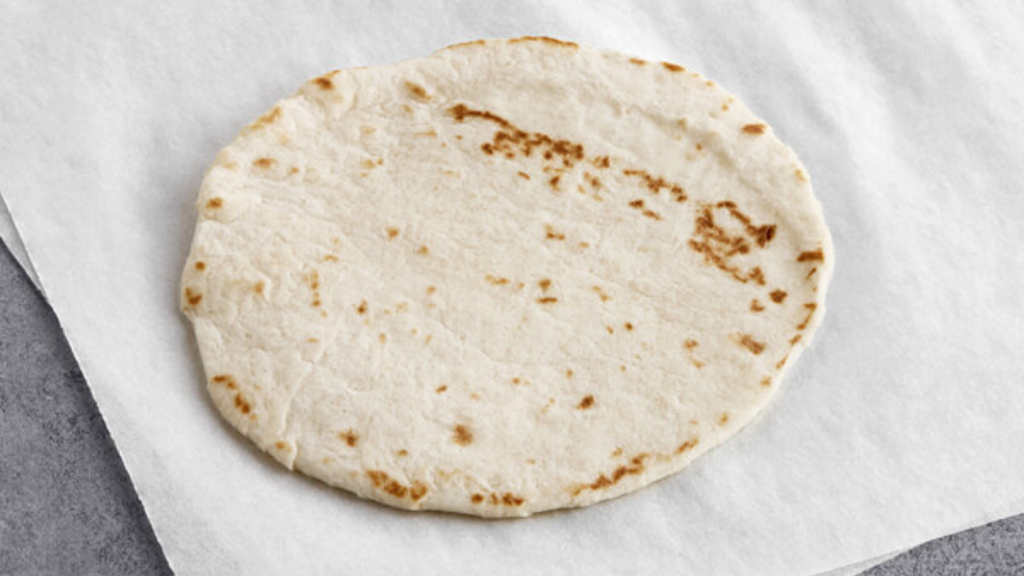
Do you love the delightful taste of lefse but often find yourself with more than you can eat at once? You’re not alone.
Many lefse enthusiasts like you wonder how to preserve this delicious Norwegian flatbread without sacrificing its texture and flavor. Freezing could be your perfect solution, and it’s simpler than you might think. Imagine having a stash of fresh-tasting lefse ready to enjoy anytime you crave it.
In this guide, you’ll discover the easy steps to freeze lefse effectively, ensuring it stays as tasty as the day it was made. Stick around to learn these essential tips and take the guesswork out of preserving your favorite treat. Your future self will thank you!
Choosing Lefse For Freezing
Choosing the right lefse for freezing is crucial to keep its texture and flavor intact. Not all lefse handles freezing well, so knowing what to pick can save you from disappointment later. Let’s focus on what makes lefse freeze-worthy and how to spot the best candidates.
Selecting Fresh Lefse
Always start with the freshest lefse possible. Freshly made lefse has the right moisture level and softness, which helps it freeze and thaw without becoming dry or crumbly. If you’re buying from a store or bakery, check the packaging date or ask when it was made.
Look for lefse that feels pliable, not stiff or overly dry. If it cracks when you gently bend it, it might not freeze well. A soft, flexible texture means it will thaw with less damage.
Types Suitable For Freezing
Not every type of lefse is a good candidate for freezing. Traditional potato-based lefse holds up well because it has moisture and fat that protect it during freezing. Lefse with added fillings or toppings, like cinnamon sugar or butter, usually don’t freeze well—they can become soggy or separate.
- Plain potato lefse: Best for freezing, maintains texture and taste.
- Whole wheat lefse: Freezes well but may dry out slightly, so wrap tightly.
- Filled or flavored lefse: Avoid freezing; better fresh or refrigerated for short periods.
Have you ever frozen lefse only to find it crumbly or tough after thawing? Choosing the right type upfront can prevent that frustration. Keep your focus on simple, fresh lefse for the best frozen results.

Credit: vintagedishandtell.com
Preparing Lefse For Storage
Preparing lefse for storage is a crucial step to keep its soft texture and rich flavor intact. If you freeze it improperly, you might end up with pieces that stick together or lose their delicate taste. Taking a bit of time to prepare lefse correctly ensures you can enjoy it fresh even weeks later.
Cooling Lefse Properly
Before you even think about freezing, make sure your lefse is completely cool. Warm lefse trapped in plastic or foil can create moisture, leading to soggy or freezer-burned pieces. Lay each piece flat on a clean surface or cooling rack, and let it sit until it reaches room temperature.
Do you find it tempting to stack them right after cooking? Resist that urge. Even a slight warmth can cause sticking and ruin your batch.
Separating With Parchment Paper
Once cooled, separate each lefse with parchment paper before stacking or packaging. This simple step prevents the pieces from sticking together during freezing. Cut parchment paper to the same size as your lefse for a perfect fit.
Stack the lefse carefully, placing a sheet of parchment between each one. This way, when you pull one out, you won’t have to struggle peeling it off the others. Have you ever tried separating frozen lefse without any barrier? It’s frustrating and often tears the delicate rounds.
Packaging Techniques
Proper packaging preserves the freshness and texture of lefse during freezing. It prevents moisture loss and protects against freezer burn. Choosing the right packaging method helps keep lefse soft and ready to enjoy later.
Using Airtight Containers
Airtight containers block air and moisture from reaching the lefse. Use plastic or glass containers with tight-fitting lids. Layer lefse with parchment paper to stop them from sticking together. These containers are easy to stack and store.
Ensure the container seals completely before freezing. This method keeps lefse fresh for several weeks. It also helps maintain the soft texture and flavor.
Vacuum Sealing Benefits
Vacuum sealing removes all air around the lefse. This prevents freezer burn and extends shelf life. Lefse stays moist and fresh longer than with other packaging.
Vacuum-sealed packages save space in the freezer. They also protect against odors from other foods. This method is ideal for long-term storage and preserving quality.

Credit: www.reddit.com
Freezing Lefse Correctly
Freezing lefse correctly keeps its soft texture and fresh taste. Proper freezing stops the lefse from drying out or becoming tough. Knowing the right temperature and how to avoid freezer burn makes a big difference. Follow these tips to enjoy your lefse even after weeks in the freezer.
Ideal Freezer Temperature
The perfect freezer temperature for lefse is 0°F (-18°C) or lower. This cold temperature slows down the growth of ice crystals that can damage the lefse. Keep the freezer steady and avoid frequent temperature changes. Use a freezer thermometer to check the temperature often. A stable, cold freezer keeps lefse fresh for months.
Avoiding Freezer Burn
Freezer burn dries out lefse and causes tough spots. Wrap each piece tightly in plastic wrap before freezing. Place the wrapped pieces in an airtight container or freezer bag. Remove as much air as possible from bags to stop ice crystals. Label the packages with the date for easy tracking. Use frozen lefse within three months for best flavor.
Thawing Lefse Safely
Thawing lefse safely is key to preserving its soft texture and delicate flavor. If you rush this process or do it incorrectly, you risk ending up with a dry or crumbly lefse that’s hard to enjoy. Taking the time to thaw it the right way ensures every bite tastes just as fresh as when it was made.
Refrigerator Thawing Method
This is the safest way to thaw lefse, especially if you have time on your side. Simply move the frozen lefse from the freezer to the refrigerator and let it thaw slowly overnight or for about 8-12 hours.
Slow thawing keeps moisture locked in, preventing the lefse from drying out. You’ll notice it stays soft and pliable—perfect for rolling or heating later. Have you tried thawing lefse on the counter and ended up with a tough texture? This method avoids that problem.
Quick Thaw Techniques
If you need lefse thawed fast, there are ways to speed things up without ruining the texture. One option is to unwrap the lefse and place it between two sheets of wax paper or a clean towel, then leave it at room temperature for about 30-60 minutes.
This approach works well if you plan to heat or eat the lefse immediately after. Another quick way is to use the microwave on a low power setting for short bursts of 10-15 seconds, checking often to avoid overheating. Be cautious—too much heat will dry it out.
Have you ever microwaved lefse and ended up with a stiff, cracked surface? Try these gentle techniques instead and see how much softer your lefse stays.
Reheating Lefse For Best Taste
Reheating lefse properly keeps its soft texture and rich flavor. It avoids dryness or toughness. The goal is to warm it gently, so it tastes fresh and delicious. Two common ways to reheat lefse are using a skillet or a microwave. Both methods work well with some simple tips.
Using A Skillet Or Griddle
Heat a dry skillet or griddle over medium heat. Place the lefse flat on the surface. Warm each side for about 30 seconds to 1 minute. Watch closely to prevent burning or crisping.
This method keeps lefse soft and pliable. It also brings out the fresh, buttery taste. Use a clean, dry pan to avoid extra moisture. If you want, cover the skillet briefly with a lid for even warming.
Microwave Tips
Wrap the lefse in a damp paper towel. This keeps moisture inside while heating. Place it on a microwave-safe plate. Heat on medium power for 15 to 20 seconds.
Check the lefse and heat more if needed. Avoid overheating, as it can dry out or harden. The damp towel helps keep the lefse soft. This method is quick and convenient.
Troubleshooting Common Issues
Freezing lefse can sometimes lead to unexpected problems. Common issues include dryness and loss of softness. These problems happen because of how lefse is stored and thawed. Addressing these issues helps keep lefse fresh and tasty after freezing.
Preventing Dryness
Dryness happens when lefse loses moisture during freezing. To stop this:
- Wrap lefse tightly in plastic wrap to seal out air.
- Place wrapped lefse in an airtight freezer bag.
- Remove as much air as possible from the bag before sealing.
- Freeze lefse flat to avoid cracks and dry spots.
These steps lock in moisture and keep lefse soft.
Maintaining Soft Texture
Lefse can become tough if frozen or thawed wrong. To keep it soft:
- Cool lefse completely before freezing to avoid condensation.
- Thaw lefse slowly in the refrigerator, not at room temperature.
- Reheat lefse gently on a warm griddle or skillet.
- Cover lefse with a clean kitchen towel while reheating.
Slow thawing and gentle warming help maintain lefse’s soft texture.
Storing Leftover Lefse
Storing leftover lefse properly is key to enjoying its soft texture and rich flavor later. Whether you plan to use it in a few days or save it for months, how you store it will make all the difference. Let’s look at ways to keep your lefse tasting fresh and ready for your next meal.
Short-term Vs Long-term Storage
If you want to eat your lefse within a few days, storing it in the fridge is enough. Wrap each piece in wax paper or parchment, then place them in an airtight container or zip-top bag. This keeps moisture out and prevents the lefse from drying.
For longer storage, freezing is your best bet. Stack lefse with layers of wax paper between each piece to avoid sticking. Then wrap the stack tightly in plastic wrap and place it in a freezer bag. This method preserves flavor and texture for up to 3 months.
Tips For Keeping Freshness
- Cool completely:Always let your lefse cool before wrapping. Wrapping warm lefse traps steam and causes sogginess.
- Use airtight packaging:Exposure to air dries out lefse quickly. Use sealed bags or containers to maintain moisture.
- Label and date:Keep track of how long your lefse has been stored to avoid unpleasant surprises.
- Thaw carefully:Move frozen lefse to the fridge overnight to thaw gently. Avoid microwaving, which can make it tough.
Have you noticed lefse losing its softness after storage? Trying these tips can help you keep that perfect, tender bite every time.

Credit: food52.com
Frequently Asked Questions
How Long Can You Freeze Lefse Safely?
Lefse can be frozen for up to 6 months without losing quality. Proper wrapping prevents freezer burn and moisture loss. Use airtight packaging or vacuum-sealed bags for best results. Thaw lefse in the refrigerator before use for optimal texture and flavor.
What Is The Best Way To Wrap Lefse For Freezing?
Wrap lefse individually in plastic wrap to prevent sticking. Then place them in a resealable freezer bag or airtight container. This method keeps lefse fresh and maintains its soft texture when thawed. Label the package with the freezing date for easy tracking.
Can You Freeze Homemade Lefse Without Cooking It First?
It’s best to cook lefse before freezing to preserve taste and texture. Raw dough may not freeze well and can become tough after thawing. Cooked lefse freezes better and reheats evenly, ensuring a delicious result every time.
How Should You Thaw Frozen Lefse Properly?
Thaw lefse slowly in the refrigerator overnight for best results. Avoid microwaving directly to prevent sogginess or drying out. After thawing, warm lefse on a griddle or skillet briefly to restore softness and flavor.
Conclusion
Freezing lefse keeps it fresh and tasty for weeks. Wrap each piece tightly to avoid freezer burn. Thaw lefse gently before warming to keep soft texture. Store in the freezer to enjoy anytime you want. This method saves time and reduces waste.
Now, you can enjoy homemade lefse whenever you like. Simple steps make freezing lefse easy and effective. Give it a try and keep your lefse fresh!