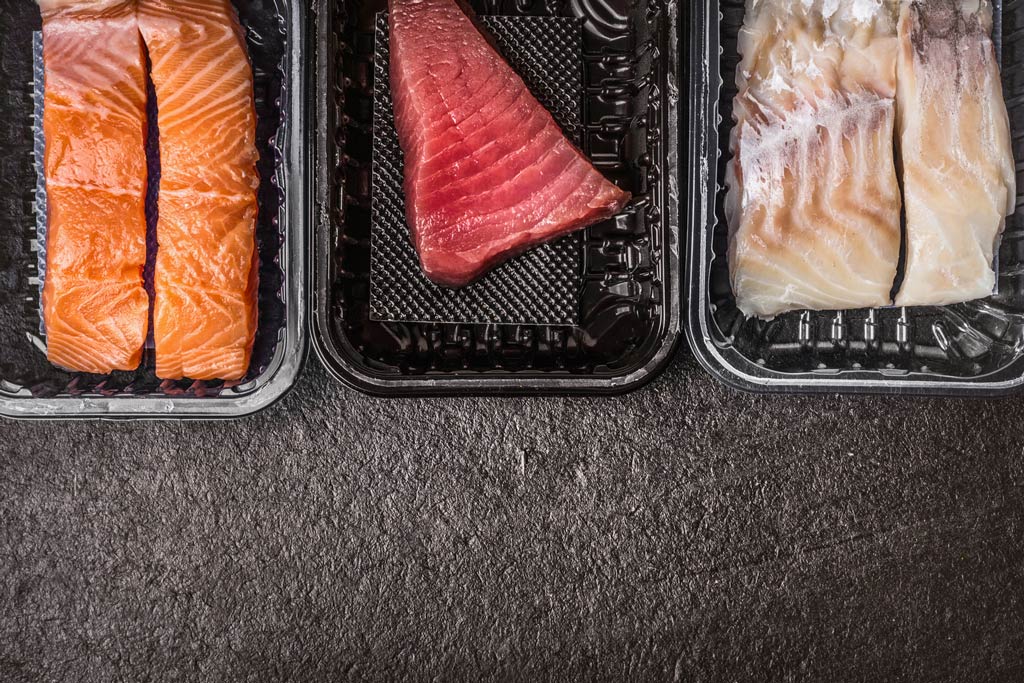
Are you wondering how to freeze salmon fillet the right way? Freezing salmon can keep it fresh and tasty for weeks, but only if you do it correctly.
If you’ve ever ended up with freezer burn or a fishy smell, this guide is for you. You’ll learn simple steps to lock in flavor and texture, so your salmon tastes just as good when you thaw it. Keep reading to discover easy tips that will save your salmon—and your dinner plans.

Credit: wildforsalmon.com
Choosing Fresh Salmon
Choosing fresh salmon is key to freezing it properly. Fresh salmon keeps its flavor and texture after freezing. Poor quality fish can spoil quickly and lose taste.
Knowing how to pick fresh salmon helps you enjoy better meals later. Look closely at the fillet’s color, smell, and firmness. These signs show freshness and quality.
Identifying Quality Fillets
Fresh salmon fillets have a bright, vibrant color. The flesh should look moist but not wet or slimy. Avoid fillets with brown spots or dull patches.
Smell the fish gently. It should have a clean, ocean-like scent. A strong fishy or sour smell means the salmon is not fresh.
Press the fillet lightly with your finger. Fresh salmon feels firm and springs back. Soft or mushy flesh shows the fish is old.
Selecting The Right Portion
Choose portions that fit your cooking plans. Smaller portions freeze and thaw more evenly. It also helps to avoid waste.
Buy fillets with the skin on. The skin helps keep the fish moist during freezing. It also protects the flesh from freezer burn.
Consider the thickness of the fillet. Thick pieces take longer to freeze but stay juicy. Thin pieces freeze faster but can dry out if overcooked later.
Preparing The Salmon
Preparing your salmon fillet properly before freezing is crucial for maintaining its freshness and flavor. Taking a little extra time to clean and portion the fish will save you hassle later and keep your meals tasting great. Let’s break down the steps to get your salmon ready for the freezer.
Cleaning And Trimming
Start by rinsing the salmon under cold running water to remove any surface impurities. Pat it dry with paper towels to avoid excess moisture, which can cause freezer burn. Look closely for any remaining pin bones—use tweezers to gently pull them out.
Trim off the skin if you prefer, but leaving it on can help protect the flesh during freezing. Also, cut away any discolored or fatty edges since these parts don’t freeze as well and can affect taste. You want the cleanest, freshest fillet possible before packing it up.
Portioning For Storage
Think about how you’ll use the salmon later. Dividing the fillet into meal-sized portions means you only thaw what you need, reducing waste. Try wrapping each portion tightly in plastic wrap or freezer paper to keep air out.
For extra protection, place the wrapped pieces in a labeled freezer bag. Write the date and portion size on the bag to keep track of freshness. Have you ever defrosted a huge piece only to realize you only needed a small portion? Portioning avoids that frustration.
Packaging Methods
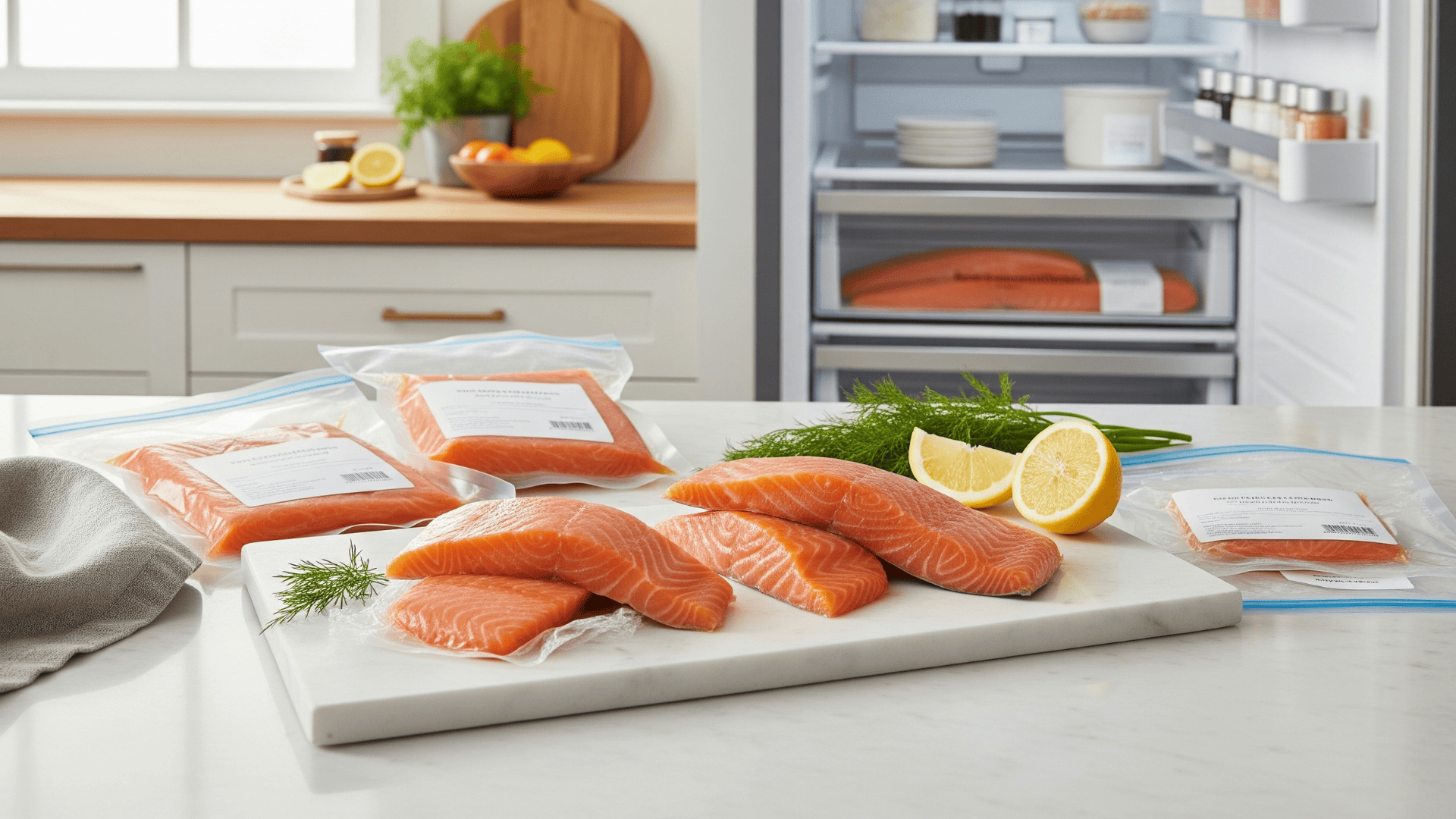
Proper packaging is essential for freezing salmon fillets. It protects the fish from freezer burn and preserves its freshness. Good packaging keeps the salmon’s flavor and texture intact during storage. Choose a method that seals out air and moisture well. Here are two common packaging methods to consider.
Using Plastic Wrap And Foil
Start by wrapping the salmon tightly in plastic wrap. Make sure no part of the fish is exposed to air. Next, cover the wrapped fillet with a layer of aluminum foil. This double wrapping helps block moisture and air. It also prevents the salmon from absorbing other freezer odors. Label the package with the date to track freshness.
Vacuum Sealing Benefits
Vacuum sealing removes all air from the packaging. This method extends the salmon’s freezer life. It stops freezer burn better than plastic wrap alone. Vacuum-sealed salmon keeps its flavor and texture longer. It also saves space in the freezer by making a compact package. Using a vacuum sealer is worth the investment for regular freezing.
Credit: knowseafood.com
Freezing Techniques
Freezing salmon fillet is a smart way to preserve its freshness and flavor, but the technique you use can make all the difference. Proper freezing methods help maintain the fish’s texture and prevent waste. Let’s focus on key freezing techniques that ensure your salmon stays as delicious as the day you bought it.
Setting The Freezer Temperature
Your freezer’s temperature plays a crucial role in preserving salmon quality. Keep your freezer at or below -18°C (0°F) to stop bacterial growth and slow down enzyme activity.
Many freezers have adjustable settings—choose the coldest option if possible. If you freeze salmon at higher temperatures, ice crystals can form inside the fillet, damaging its texture when thawed. Have you checked your freezer’s temperature lately? A simple thermometer can help you stay precise.
Avoiding Freezer Burn
Freezer burn dries out your salmon and ruins its flavor. It happens when air reaches the fish during freezing, causing dehydration and oxidation.
To prevent this, wrap the salmon tightly in plastic wrap or foil, then place it inside a heavy-duty freezer bag. Remove as much air as possible before sealing. You can also use a vacuum sealer for the best protection.
Remember, even small air pockets can lead to freezer burn over time. Have you ever noticed dry spots on frozen salmon? That’s freezer burn sneaking in. Taking a few extra minutes to seal your fish properly makes a big difference.
Storage Duration
Knowing how long you can store salmon in the freezer is key to enjoying its best flavor and texture. Freezing salmon stops bacterial growth, but over time, the quality still declines. Understanding storage duration helps you plan your meals better and avoid waste.
How Long To Freeze Salmon
Raw salmon fillets can be safely frozen for up to 6 months without losing too much quality. Beyond this period, the fish may start to develop freezer burn or dry out, affecting taste and texture.
If you’ve cooked the salmon before freezing, aim to use it within 2 to 3 months for the best flavor. Always freeze it as soon as possible after cooking to lock in freshness.
Have you ever found a forgotten fish in the freezer and wondered if it’s still good? Keeping track of these time frames will save you from that dilemma.
Labeling And Organizing
Labeling your salmon packages with the freezing date is a simple step that makes a big difference. Use a permanent marker or freezer-safe labels to mark the date clearly.
Organize your freezer so the oldest items are at the front. This helps you use salmon before it passes its prime storage duration.
Try grouping salmon in smaller portions. This way, you only thaw what you need, preserving the rest for later without repeated freezing and thawing.

Credit: content.ces.ncsu.edu
Thawing Salmon Safely
Thawing salmon safely is essential to keep its texture fresh and avoid any health risks. If you rush the process or leave it out too long, you might end up with a mushy fillet or worse, foodborne bacteria. Understanding the right way to thaw salmon ensures you enjoy its rich flavor exactly as intended.
Refrigerator Thawing
Refrigerator thawing is the safest and most reliable way to defrost your salmon. Simply place the frozen fillet on a plate or shallow dish and leave it in the fridge. This gentle thawing keeps the fish at a safe temperature, preventing bacteria growth.
Depending on the size of your fillet, this process usually takes 12 to 24 hours. Planning ahead is key here—try to move your salmon to the fridge the night before you plan to cook it. This method preserves the salmon’s texture and flavor better than any quick thawing option.
Quick Thawing Options
Need to thaw salmon fast? You have a couple of options, but they require careful attention. One popular method is to seal the salmon in a plastic bag and submerge it in cold water. Change the water every 30 minutes to keep it cold and avoid any bacterial growth.
This method takes about one to two hours depending on the thickness of the fillet. Avoid using hot water or leaving the fish out on the counter as this can cause uneven thawing and spoilage. Another quick option is using the defrost setting on your microwave, but use it cautiously to prevent partially cooking the edges.
Frequently Asked Questions
How Long Can You Freeze Salmon Fillet Safely?
Salmon fillets can be frozen safely for up to 3 months. Proper packaging, like vacuum sealing or airtight wrapping, preserves freshness. Always label with the date to track storage time. Thaw in the refrigerator for best quality and safety.
What Is The Best Way To Freeze Salmon Fillet?
Wrap salmon fillets tightly in plastic wrap, then place them in a freezer bag. Remove as much air as possible to prevent freezer burn. Alternatively, vacuum sealing is ideal for preserving flavor and texture. Freeze immediately after packaging.
Can You Freeze Cooked Salmon Fillet?
Yes, cooked salmon fillets freeze well. Cool completely before wrapping tightly in plastic wrap or aluminum foil. Store in an airtight container or freezer bag. Consume within 2 to 3 months for the best taste and quality.
Should Salmon Fillet Be Frozen Raw Or Cooked?
Freezing salmon fillet raw preserves texture and flavor better. Cooked salmon can be frozen but may lose some moisture. For best results, freeze raw fillets and cook after thawing. Always ensure proper packaging to avoid freezer burn.
Conclusion
Freezing salmon fillet is simple and effective. Follow the right steps. First, clean and dry the fish. Then, wrap it tightly in plastic. Use a freezer bag to avoid freezer burn. Label it with the date. This helps keep track.
Store it in the coldest part of the freezer. Salmon stays fresh for months this way. Enjoy tasty, nutritious meals anytime. So, next time you have extra salmon, freeze it. It’s easy and saves money. Enjoy the benefits of fresh salmon whenever you like.