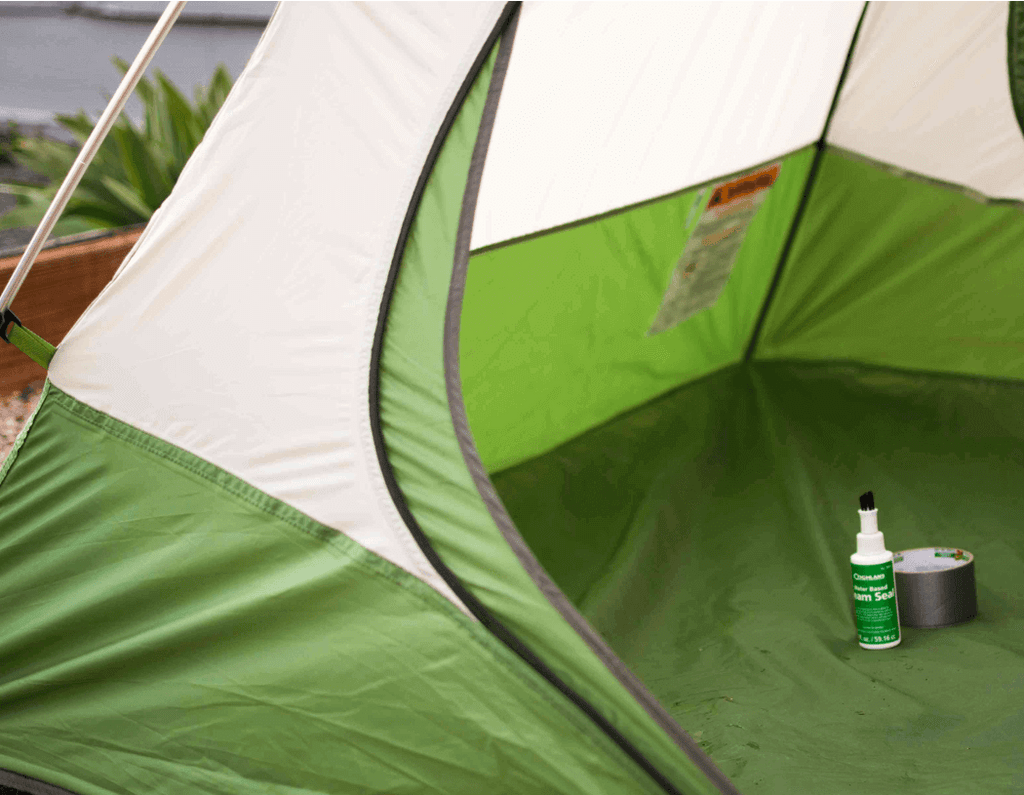
Finding mold on your tent can be frustrating and worrying. You want your gear to stay clean, safe, and ready for your next adventure.
But don’t panic—removing mold from your tent is easier than you think. In this guide, you’ll discover simple, effective steps to get rid of mold quickly and protect your tent from future damage. Keep reading to learn how to bring your tent back to life and keep it fresh for all your outdoor trips.
Causes Of Mold On Tents
Mold grows on tents when conditions are right for it. It needs moisture, warmth, and time to develop. Understanding what causes mold can help you keep your tent clean and dry.
This guide covers the main causes of mold on tents and how these factors lead to mold growth. Learning about these causes helps prevent mold damage.
Moisture And Humidity
Moisture is the biggest cause of mold on tents. Rain, dew, or wet ground can leave your tent damp. Humid air makes it hard for moisture to dry out. Wet fabric stays wet longer, creating mold-friendly conditions.
- Rain or water leaks inside the tent
- Condensation from breathing or cooking inside
- Dew forming on the tent overnight
- Wet ground soaking through the tent floor
- High humidity in the air
Improper Storage
Storing a tent while it is still damp or dirty helps mold grow. Folding a wet tent traps moisture inside. Storing tents in dark, damp places also raises mold risk.
| Storage Mistake | Effect |
| Folding wet tent | Traps moisture, encourages mold |
| Leaving dirt or debris | Feeds mold spores |
| Keeping tent in basement or garage | High humidity and darkness |
| Using plastic bags | Limits airflow, holds moisture |
Lack Of Ventilation
Poor airflow inside a tent keeps it damp longer. Without fresh air, moisture builds up inside. This creates a perfect place for mold to grow.
- Closed tent windows or vents
- Sealed tents with no air movement
- Storing tents in tight spaces without airflow
- Using heavy fabrics that trap moisture

Credit: www.reddit.com
Prevention Tips
Mold on your tent can cause damage and bad smells. It grows when moisture stays inside the fabric. You can stop mold by following simple prevention steps.
Keeping your tent dry and clean helps it last longer. Use these tips to protect your tent from mold and keep it fresh for your next trip.
Drying Your Tent Thoroughly
Always dry your tent fully before storing it. Even a little moisture can cause mold to grow. Set up your tent in a sunny, breezy place to dry.
Check all corners and seams. Use a towel to wipe damp spots. Do not pack your tent wet or damp.
Choosing The Right Storage Spot
Store your tent in a cool, dry place with good air flow. Avoid basements or garages that are damp or humid. Use a breathable bag or container.
Do not store your tent in plastic bags for long periods. This traps moisture inside and causes mold. Keep it away from direct sunlight to protect fabric.
- Use mesh bags or cotton sacks for storage
- Keep storage area clean and dry
- Check your tent regularly for signs of mold
Using Tent Waterproofing
Apply waterproof sprays or treatments to your tent fabric. This helps keep water out and reduces mold growth. Follow product instructions carefully.
Reapply waterproofing after several uses or washes. A well-treated tent dries faster and stays mold-free longer.
- Choose waterproofing products made for tents
- Test a small area before full application
- Allow the tent to dry fully after treatment
Cleaning Supplies Needed
Removing mold from a tent needs the right cleaning supplies. Using safe and effective items helps protect the tent fabric.
This guide lists key supplies that work well for cleaning mold off tents.
Mild Detergents
Mild detergents are gentle on tent materials but clean mold effectively. Avoid harsh chemicals that can damage the fabric.
- Use liquid dish soap or gentle laundry detergent
- Mix detergent with warm water to create cleaning solution
- Test on a small area before full cleaning
White Vinegar And Baking Soda
White vinegar and baking soda help kill mold spores without toxic chemicals. They are natural and safe for the environment.
| Supply | Purpose |
| White Vinegar | Disinfects and removes mold stains |
| Baking Soda | Deodorizes and scrubs gently |
| Water | Dilutes vinegar for safe use |
Soft Brushes And Cloths
Soft brushes and cloths help remove mold without harming the tent fabric. Use gentle scrubbing motions.
- Use a soft-bristled brush to scrub mold spots
- Apply cleaning solution with a clean cloth
- Rinse cloth often to avoid spreading mold
- Dry the tent thoroughly after cleaning
Step-by-step Mold Removal
Mold on a tent can cause bad smells and damage the fabric. Removing mold quickly keeps your tent safe to use.
This guide shows you how to clean mold from your tent in easy steps. Follow each step carefully for best results.
Setting Up A Cleaning Area
Choose a well-ventilated outdoor area for cleaning your tent. Mold spores spread easily, so fresh air helps keep them away.
Lay a clean tarp or plastic sheet on the ground. This protects the surface and catches any mold debris.
Applying Cleaning Solutions
Mix a gentle cleaning solution using water and mild soap or white vinegar. Avoid strong chemicals that can damage tent fabric.
Use a spray bottle or soft cloth to apply the solution to the mold spots. Make sure to cover all affected areas well.
Scrubbing Mold Spots Gently
Use a soft brush or sponge to scrub the mold spots carefully. Do not use hard brushes that can tear the tent material.
Scrub in small circles and be patient. Removing mold may take a few minutes per spot.
Rinsing And Drying Properly
Rinse the cleaned areas with clean water to remove soap or vinegar. Use a hose or a damp cloth for this step.
Dry the tent completely in the sun. Sunlight helps kill any leftover mold spores and prevents new mold growth.
Dealing With Stubborn Mold
Mold on tents can be hard to remove. Stubborn mold needs careful treatment. It is important to clean it well to keep the tent safe and usable.
Some mold stains may not disappear with simple cleaning. You may need special products and repeated efforts to get rid of the mold completely.
Using Commercial Mold Removers
Commercial mold removers can help remove tough mold from tents. These products are made to kill mold spores and clean surfaces deeply.
Always follow the instructions on the product label. Test the remover on a small area of the tent first. This prevents damage to the fabric.
- Wear gloves and a mask for safety.
- Apply the mold remover evenly on the moldy spots.
- Let it sit for the recommended time.
- Scrub gently with a soft brush.
- Rinse the tent thoroughly with clean water.
Repeating Cleaning Process
Stubborn mold may require cleaning more than once. Repeat the cleaning process if mold remains after the first attempt.
- Apply mold remover again to affected areas.
- Scrub gently to lift the mold stains.
- Rinse the tent completely.
- Dry the tent in the sun to kill leftover spores.
- Check for any remaining mold after drying.
Keep repeating these steps until the mold disappears. Do not dry the tent if mold is still present, as this can spread spores.
When To Consider Tent Replacement
Sometimes mold damage is too severe to fix. The fabric may weaken or stay stained even after cleaning.
| Condition | Reason to Replace |
| Fabric shows holes | Mold has damaged material strength |
| Persistent mold stains | Cleaning does not remove spots |
| Strong mold smell | Health risk from spores remains |
| Repeated mold growth | Cannot keep mold away after cleaning |
Replace your tent if mold causes any of these issues. A new tent ensures safety and comfort on your trips.

Credit: www.reddit.com
Maintaining Mold-free Tents
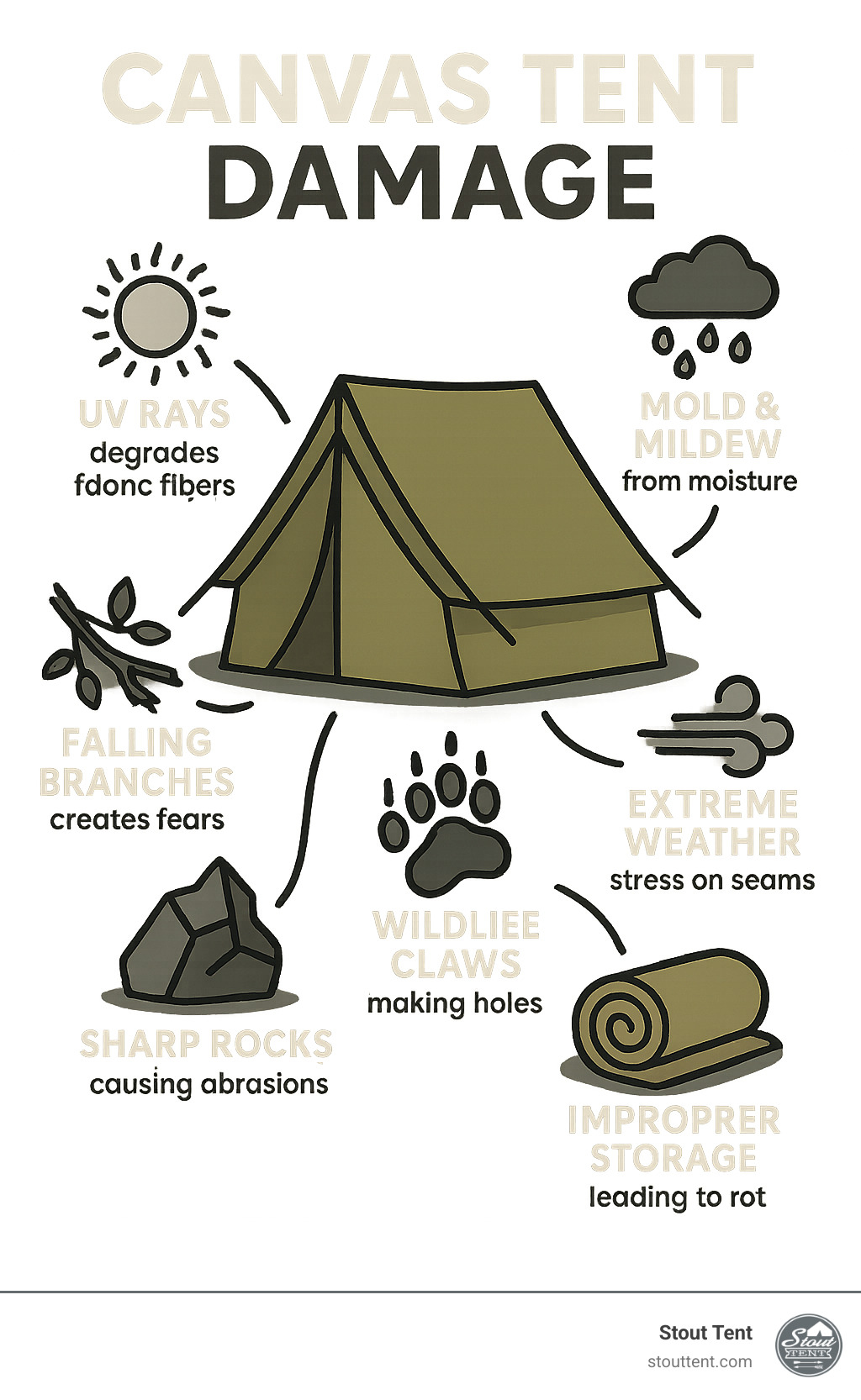
Mold can damage your tent fabric and cause bad odors. Keeping your tent mold-free needs care and attention. Following simple steps helps extend your tent’s life.
Regular cleaning and storage habits stop mold from growing. Read on to learn how to keep your tent safe from mold.
Regular Inspections
Check your tent for mold every time you use it. Look inside and outside for spots or stains. Early mold signs can be small and easy to miss.
- Inspect corners and seams where water collects
- Look under the floor and rainfly
- Smell for musty odors inside the tent
- Check zippers and storage pockets
Proper Tent Care After Trips
After camping, clean and dry your tent before storing it. Moisture left inside causes mold to grow fast. Follow these steps to care for your tent properly.
- Shake off dirt and debris outside
- Wipe down wet spots with a dry cloth
- Air dry the tent completely in a shaded area
- Use mild soap and water to clean if needed
- Do not fold or pack the tent until fully dry
Storing With Moisture Absorbers
Proper storage is key to preventing mold. Use moisture absorbers to keep the tent dry in your storage area. This helps stop mold spores from growing.
| Moisture Absorber Type | Benefits |
| Silica Gel Packs | Absorbs moisture, reusable after drying |
| Charcoal Bags | Natural deodorizer, absorbs dampness |
| Clay Desiccants | Eco-friendly, absorbs humidity |
Credit: stouttent.com
Frequently Asked Questions
How Do I Safely Remove Mold From My Tent?
Use a mixture of mild soap and water to scrub mold gently. Avoid harsh chemicals that can damage tent fabric. Dry the tent completely in sunlight to prevent mold from returning.
What Household Items Kill Mold On Tents Effectively?
White vinegar and baking soda are safe and effective for mold removal. Spray vinegar on mold, wait 30 minutes, then scrub with baking soda paste. Rinse thoroughly and dry in sunlight.
Can Mold Damage My Tent Fabric Permanently?
Yes, mold can weaken fabric fibers and cause stains. Prompt cleaning is essential to prevent permanent damage and maintain tent durability.
How Can I Prevent Mold Growth In My Tent?
Store your tent dry and in a well-ventilated area. Avoid packing it wet and always air it out after use to prevent mold formation.
Conclusion
Cleaning mold off your tent keeps it safe and long-lasting. Use gentle soap and water to scrub the mold away. Dry the tent fully before storing it to stop mold growth. Regular checks help catch mold early and protect your gear.
Keep your tent fresh and ready for every trip. Simple care makes a big difference. Mold won’t stand a chance.