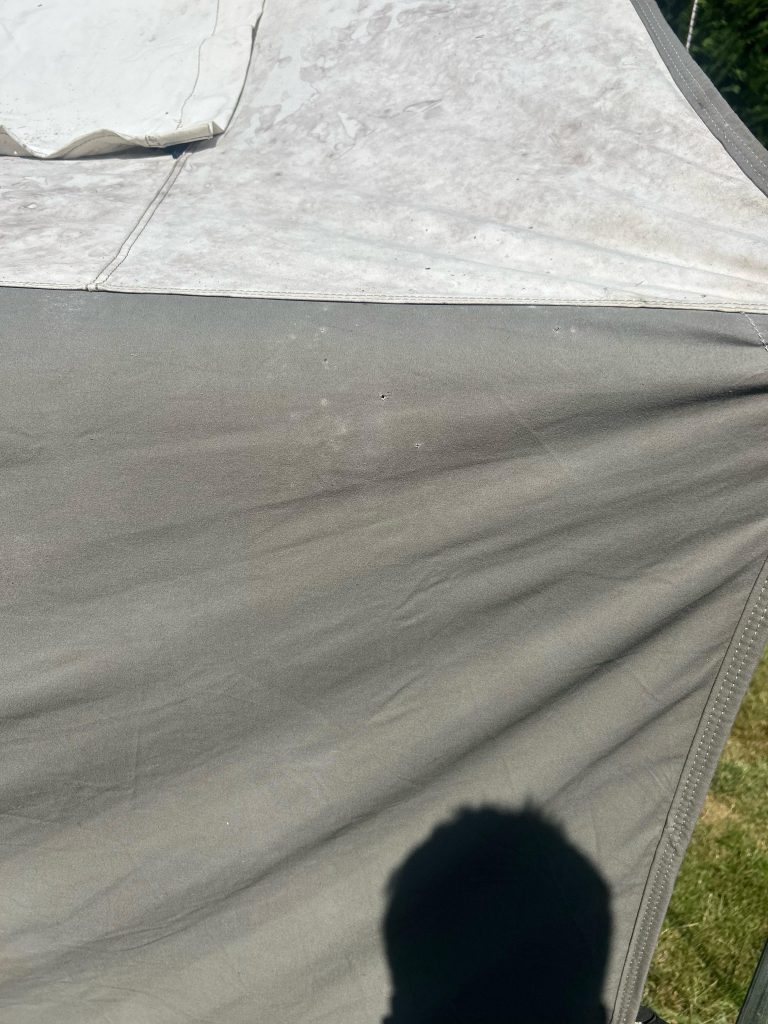
You’ve just unpacked your tent after a camping trip, only to find it covered in mould. It’s frustrating, right?
Mould not only looks bad but can damage your tent and even affect your health. The good news is, you don’t have to toss your tent or buy a new one. With the right steps, you can get mould off your tent quickly and safely.
Keep reading, and you’ll learn simple, effective ways to restore your tent and keep it fresh for your next adventure. Don’t let mould ruin your outdoor plans—let’s tackle it together!
Identify Mould Spots
Mould can grow on a tent if it stays damp or dirty. Finding mould early helps keep your tent safe and clean. Look carefully to spot mould before it spreads.
Check all parts of the tent, especially hidden or shaded areas. Knowing where mould likes to grow helps you clean better and protect your gear.
Check Common Areas
Mould often hides in places that stay wet or dark. These spots are where you should look first on your tent.
- Inside tent corners and seams
- Under the rainfly or flysheet
- On the floor and groundsheet
- Near zippers and pockets
- Inside storage bags and stuff sacks
Assess Severity
After finding mould, check how bad it is. This helps you decide how to clean it and if you need extra care.
| Severity Level | Description | Action Needed |
| Light | Small spots or patches | Clean with mild soap and water |
| Moderate | Multiple spots, some spreading | Use a mould cleaner and dry thoroughly |
| Severe | Large areas covered, strong smell | Deep clean or consider professional help |

Credit: hot-tent.com
Prepare Cleaning Supplies
Getting mould off a tent needs careful preparation. You must gather the right supplies to clean safely and effectively.
This guide will help you choose safe cleaners and gather the necessary tools.
Choose Safe Cleaners
Using the right cleaners is important to prevent damage to your tent material. Avoid harsh chemicals.
- White vinegar is a natural option for killing mould.
- Mild dish soap can help remove dirt without harming the fabric.
- Specialty tent cleaners are available at outdoor stores.
Gather Tools
Having the right tools makes the cleaning process easier and more efficient. Ensure you have everything ready before you start.
Here’s a simple table of tools you might need:
| Tool | Purpose |
| Soft brush | Scrubbing mould gently |
| Bucket | Mixing cleaning solution |
| Sponge | Applying cleaner to tent |
Clean The Tent
Removing mould from a tent is important to keep it safe and usable. Cleaning the tent properly helps stop mould from spreading.
Follow simple cleaning steps to get rid of mould and protect your tent fabric.
Remove Loose Dirt
Start by shaking out the tent to remove loose dirt and debris. Dirt can trap moisture and help mould grow.
Use a soft brush or cloth to gently brush off dirt from the tent surface. Avoid hard scrubbing to protect the fabric.
Apply Cleaning Solution
Mix a mild cleaning solution using water and a gentle soap or tent cleaner. Avoid strong chemicals that can harm the tent material.
Use a spray bottle or sponge to apply the solution evenly on the mouldy areas. Let it sit for a few minutes to break down the mould.
Scrub Gently
Use a soft brush or sponge to gently scrub the tent where mould is visible. Scrub in small circles to lift the mould from the fabric.
Rinse the tent with clean water to remove the cleaning solution and mould residue. Dry the tent completely before storing it.
Rinse And Dry
Removing mould from a tent needs careful rinsing and drying. These steps help stop mould from coming back.
Rinsing removes dirt and mould spores. Drying stops moisture that mould needs to grow.
Thorough Rinsing Tips
Use clean water and rinse the tent well. Pay extra attention to corners and seams where mould hides.
- Use a soft brush to scrub mould spots gently
- Rinse with cold or lukewarm water only
- Avoid strong detergents that can damage tent fabric
- Repeat rinsing until water runs clear
- Check zippers and pockets for trapped dirt
Optimal Drying Methods
Dry the tent fully before storing it. Damp tents invite mould to grow again quickly.
| Drying Method | Details |
| Air Drying | Set tent up in sunlight with good airflow |
| Indoor Drying | Use a well-ventilated room away from direct heat |
| Use of Fans | Speed up drying by directing fans at damp areas |
| Check for Damp Spots | Inspect fabric and seams to ensure no moisture remains |
Prevent Future Mould
Mould grows on tents if they stay damp and dirty. You can stop mould by taking good care of your tent. Keep your tent dry and clean after each use.
Follow simple steps to store, ventilate, and maintain your tent. These actions help stop mould from coming back.
Proper Tent Storage
Store your tent only when it is fully dry. Damp tents create the perfect place for mould to grow. Use a large breathable bag or loose stuff sack to keep air flowing.
Avoid storing your tent in plastic bags or tight containers. Keep it away from damp basements or areas with poor air circulation.
- Dry your tent completely before storing
- Use breathable storage bags
- Keep in a cool, dry place
- Do not store in plastic or sealed containers
Ventilation Techniques
Good airflow inside your tent stops moisture build-up. Open vents and windows during and after use. This helps dry the tent fabric fast.
If possible, set up your tent in a breezy spot. Use mesh panels to increase air movement. Avoid sealing the tent completely when packing up.
- Open vents and windows while camping
- Choose a windy, shaded spot
- Use mesh panels for better airflow
- Don’t seal tent while damp
Regular Maintenance
Check your tent often for dirt and mould spots. Clean it right away if you find any. Use mild soap and water for cleaning. Avoid harsh chemicals that damage fabric.
Dry your tent fully after cleaning. Repair small tears or holes quickly. Regular care keeps your tent fresh and free from mould.
- Inspect tent regularly for mould
- Clean with mild soap and water
- Dry completely before storage
- Fix tears or holes promptly

Credit: www.reddit.com
When To Seek Professional Help
Mould on a tent can sometimes be cleaned at home. Mild mould spots often come off with simple cleaning. But some cases need expert attention to avoid damage.
Knowing when to get professional help saves your tent from further harm. It also keeps your camping gear safe and usable for a long time.
Signs Of Severe Damage
Severe mould damage means the tent may have lost its waterproofing or fabric strength. Look for these signs before deciding to call a pro.
- Large patches of mould covering most of the tent fabric
- Fabrics that feel brittle or thin in mouldy areas
- Strong, persistent smells that don’t go away
- Visible holes or tears near mould spots
- Water leaking through areas with mould
These signs show that mould has damaged the tent deeply. Cleaning at home might not fix these problems well.
Finding Repair Services
Look for tent repair shops or outdoor gear services that handle mould and fabric damage. They have tools and cleaners to restore your tent.
Check if the repair service offers:
- Professional mould removal
- Fabric treatment to restore waterproofing
- Patch or fabric replacement options
- Inspection for hidden damage
Choose a service with good reviews and experience in tent repairs. This helps protect your tent from future mould problems.

Credit: www.reddit.com
Frequently Asked Questions
How Do I Remove Mould From A Tent Safely?
Use a mixture of water and mild soap or vinegar. Gently scrub affected areas with a soft brush. Rinse thoroughly and dry the tent completely in sunlight to prevent mould growth.
What Household Products Kill Mould On Tents?
White vinegar, baking soda, and mild detergent effectively kill mould on tents. Avoid harsh chemicals that can damage fabric. Always test a small area first to ensure fabric safety.
Can Mould Damage My Tent Fabric Permanently?
Yes, mould can weaken and stain tent fabric permanently. Prompt cleaning prevents damage and prolongs tent life. Regular maintenance and proper drying reduce mould risks.
How Often Should I Clean My Tent To Prevent Mould?
Clean your tent after every camping trip, especially if stored damp. Regular cleaning and drying prevent mould and unpleasant odors. Store tents in a dry, ventilated area.
Conclusion
Cleaning mould off a tent is important for camping safety. Use gentle cleaners and soft brushes to protect fabric. Always dry your tent fully before storing it away. Regular checks help catch mould early and stop it from spreading. Taking care of your tent keeps it strong and ready for adventures.
A clean tent means a better camping experience. Simple steps go a long way in keeping mould away. Stay safe, stay clean, and enjoy your time outdoors.