You’ve just finished chopping onions on your wooden cutting board, and now that strong, lingering smell won’t go away. It’s frustrating, isn’t it?
That onion odor can stick around for days, making your board smell less than fresh every time you use it. But don’t worry—there are simple, effective ways to get rid of that smell and keep your cutting board clean and ready for your next meal.
You’ll discover easy tips and tricks to refresh your wooden board quickly, so you can say goodbye to that stubborn onion smell for good. Keep reading—you’ll be amazed at how simple it can be!
Credit: www.lemonslavenderandlaundry.com
Why Onion Odor Lingers
Onion smell can stay on wood cutting boards for a long time. This happens because wood soaks up the onion scent deeply. It is not easy to wash it away with water alone.
Understanding why onion odor sticks helps to find better ways to clean your board. The smell comes from special compounds in onions and how wood holds onto smells.
How Wood Absorbs Smells
Wood is porous, meaning it has many tiny holes inside. These holes let liquids and smells soak in. When you cut onions, their smell seeps into these holes.
The wood traps the onion odor molecules inside. Over time, the smell can build up if the board is not cleaned well. This makes the onion scent hard to remove.
Onion Compounds That Cause Odor
Onions contain sulfur compounds that create a strong smell. These compounds release gases when the onion is cut. The gases stick to surfaces like wood easily.
The main smelly compound is called allyl propyl disulfide. It is responsible for the sharp onion smell that lingers on cutting boards.
- Allyl propyl disulfide causes the strong onion smell
- Sulfur compounds release gases when onions are cut
- These gases stick to porous materials like wood
Immediate Steps After Cutting Onions
Onion smell can stick to your wood cutting board. Acting quickly helps reduce the odor. Follow these steps right after cutting onions.
Cleaning the board properly stops the smell from lasting long. Use simple rinsing and drying methods to keep the board fresh.
Rinsing Techniques
Rinse the cutting board with cold water soon after use. Hot water can make the smell soak deeper into the wood.
Use mild soap and scrub gently with a sponge. Avoid harsh scrubbing to protect the wood surface.
- Rinse with cold water immediately.
- Apply mild soap and scrub gently.
- Rinse well to remove all soap.
- Dry with a clean towel or air dry.
Avoiding Odor Setting
Do not let onion juice stay on the board. Wipe it off quickly to stop the smell from settling.
Keep the board dry and store it in a well-ventilated place. Moisture and poor air flow make odors last longer.
- Wipe off onion juice right away.
- Dry board completely after washing.
- Store board in open or airy space.
- Use lemon or vinegar rinse to neutralize odors.
Natural Cleaning Methods
Wood cutting boards can hold strong smells like onion. Using natural cleaning methods helps remove odors safely.
These simple ways use common kitchen ingredients. They clean your board without harsh chemicals.
Using Lemon And Salt
Lemon and salt work well to remove onion smells from wood. Lemon juice kills bacteria and salt scrubs the surface.
Cut a lemon in half and sprinkle coarse salt on the board. Rub the lemon over the salted surface firmly.
- Let the lemon juice sit for 5 minutes
- Scrub again with the lemon and salt
- Rinse with warm water and dry well
Baking Soda Scrub
Baking soda is a natural deodorizer. It lifts odors and cleans the wood without damage.
Make a paste with baking soda and water. Spread it on the cutting board and scrub gently with a sponge.
- Let the paste sit for 10 minutes
- Rinse the board with warm water
- Dry completely before storing
Vinegar Rinse
White vinegar kills bacteria and neutralizes odors. It is safe to use on wood cutting boards.
Mix equal parts white vinegar and water. Wipe the board with a cloth soaked in the solution.
- Let it sit for a few minutes
- Rinse with warm water
- Dry the board completely

Credit: branchbasics.com
Deep Odor Removal Techniques
Onion smells can stick to wood cutting boards. These odors can be hard to remove with just soap and water.
Deep cleaning methods help remove these strong smells safely and effectively.
Activated Charcoal Application
Activated charcoal absorbs odors and impurities from wood surfaces. It is safe and natural to use on cutting boards.
To use, place a small amount of activated charcoal powder on the board. Rub it gently into the wood with a soft cloth.
- Leave the charcoal on the board for at least 1 hour.
- Rinse the board with warm water after treatment.
- Dry the board completely before storing.
Hydrogen Peroxide Treatment
Hydrogen peroxide helps remove odors by breaking down odor molecules. It is safe for wood if used correctly.
Apply a 3% hydrogen peroxide solution to the cutting board. Spread it evenly and let it sit for 10 minutes.
- Use a clean cloth to wipe the board after treatment.
- Rinse with warm water and dry well.
- Repeat if the smell remains strong.
Preventing Onion Smell Build-up
Onion smell can stick to wood cutting boards easily. Preventing the smell is better than removing it later.
Good care keeps your board fresh and safe for all foods.
Proper Drying And Storage
Dry your cutting board fully after washing. Moisture lets smells stay and grow.
Store the board in a dry, well-ventilated place. Avoid stacking wet items on it.
- Wipe board with a dry cloth after washing
- Air dry board standing on its side
- Keep board away from damp cabinets or drawers
- Do not store under heavy objects
Regular Maintenance Tips
Clean your board with mild soap and warm water after each use. Avoid harsh chemicals that damage wood.
Use natural deodorizing methods often to stop onion smell build-up.
- Rub the surface with lemon or vinegar to neutralize odors
- Apply a light coat of food-safe mineral oil monthly
- Scrub with coarse salt and lemon to remove deep smells
- Never soak the board in water for long times
When To Replace Your Cutting Board
Wood cutting boards can absorb strong smells like onion odor. Sometimes, cleaning may not remove the smell completely.
Knowing when to replace your board is important for food safety and kitchen hygiene.
Signs Of Persistent Odor
If the onion smell stays even after thorough cleaning, it may be time to replace your board. Persistent odor means bacteria can hide deep in the wood.
- The smell returns quickly after washing
- Strong onion odor remains despite deodorizing methods
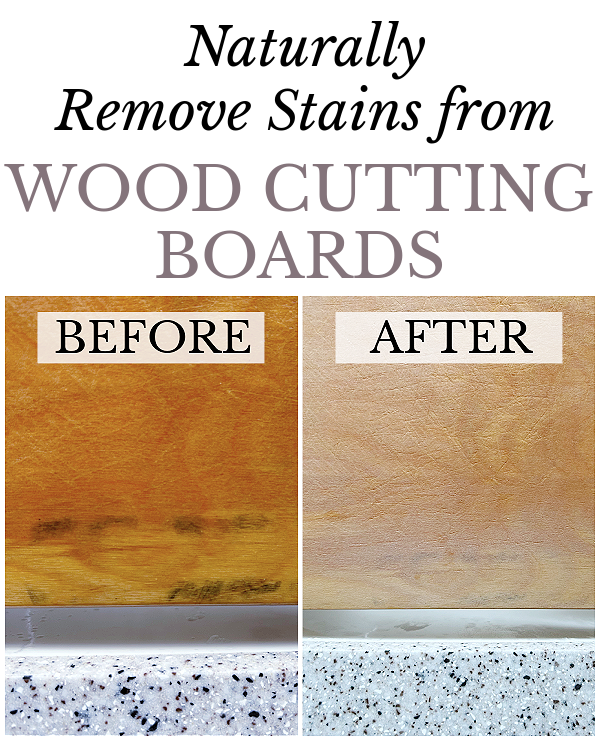
- Surface stains and discoloration are visible
- Board feels sticky or tacky after washing
Board Condition And Safety
Check your board for cracks, deep cuts, or warping. These damage signs can harbor bacteria and affect food safety.
| Condition | What It Means | Action |
| Deep cracks or splits | Can trap bacteria and odors | Replace board |
| Warped or bent shape | Unstable cutting surface | Replace board |
| Surface roughness | Hard to clean properly | Sand or replace |
| Loose parts or joints | Board may break during use | Replace board |

Credit: www.amazon.ca
Frequently Asked Questions
How Do I Remove Onion Smell From Wood?
To remove onion smell, sprinkle baking soda on the board. Rub it gently with a damp cloth, then rinse. Alternatively, rub with lemon or vinegar, then rinse. Dry the board thoroughly. These natural methods help neutralize odors without damaging the wood.
Can Vinegar Neutralize Onion Smell On Cutting Boards?
Yes, vinegar is effective at neutralizing onion smell. Simply rub the board with vinegar, let it sit for a few minutes, then rinse with water. Vinegar’s acidic properties help break down odor-causing compounds, leaving your cutting board fresh.
Is Lemon Effective For Removing Odors From Wood?
Lemon is highly effective for removing odors from wood. Cut a lemon in half and rub it on the board’s surface. Let the juice sit for a few minutes, then rinse. The natural acidity of lemon eliminates odors and leaves a fresh scent.
Can I Use Baking Soda For Odor Removal?
Yes, baking soda is excellent for removing odors. Sprinkle it generously on your cutting board, add a little water to make a paste, and scrub gently. Rinse well and dry. Baking soda absorbs and neutralizes unpleasant smells effectively.
Conclusion
Getting onion smell out of a wood cutting board is simple. Use lemon, salt, or baking soda to scrub the surface. These natural ingredients help remove odors and clean the board safely. Rinse well and dry the board completely to stop smells from returning.
Regular cleaning keeps your board fresh and ready to use. A little care goes a long way in keeping your kitchen tools odor-free. Try these tips and enjoy a clean, smell-free cutting board every time.