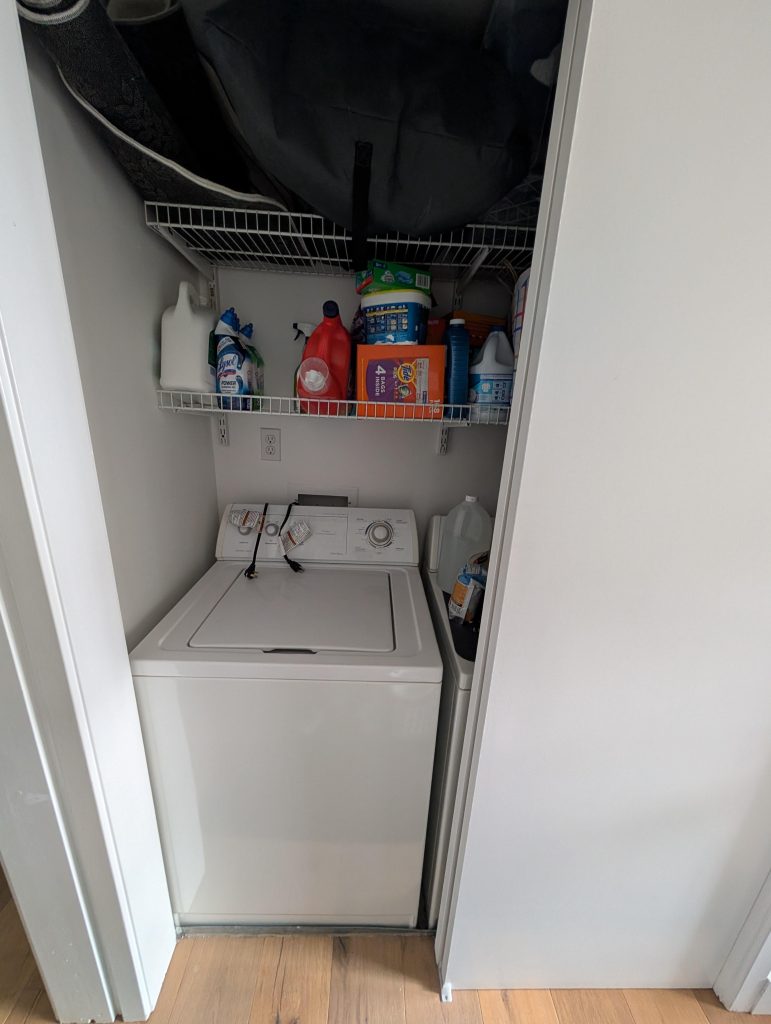
Are you stuck with an old washer and dryer that you no longer need? Getting rid of these bulky appliances can feel overwhelming.
You might wonder where to start or worry about the hassle of disposal. But don’t worry—there are simple and effective ways to say goodbye to your washer and dryer without stress. Keep reading, and you’ll discover easy steps that save you time, money, and effort while making sure your appliances are handled responsibly.
Your space—and peace of mind—will thank you!
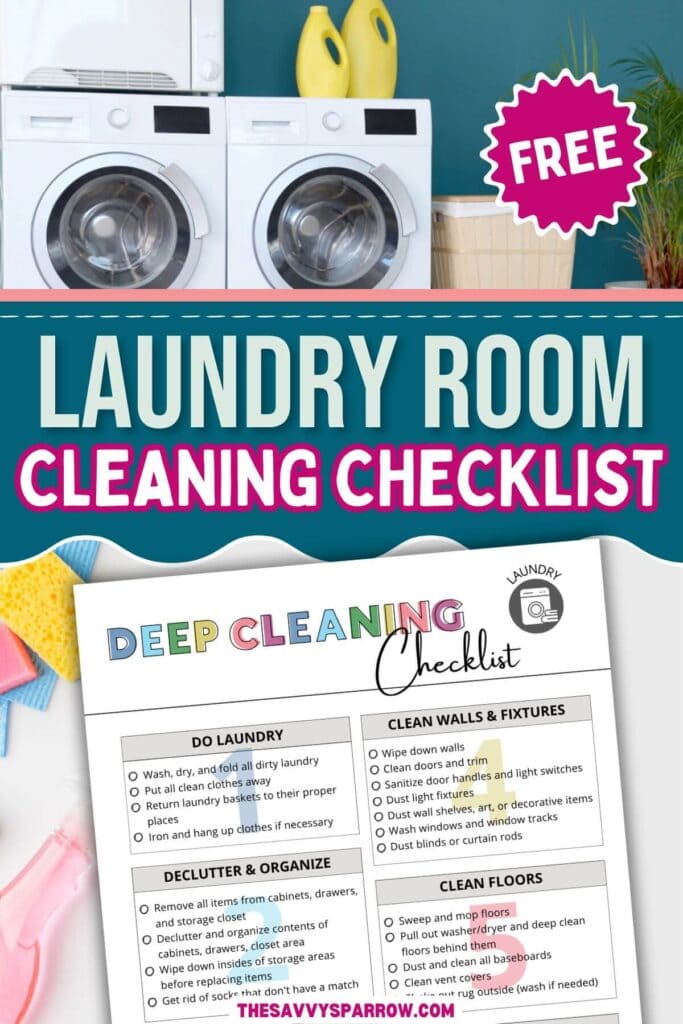
Credit: thesavvysparrow.com
Preparing Your Washer And Dryer
Getting rid of a washer and dryer requires some preparation. You need to clean and disconnect them safely first. This helps avoid damage and mess.
Also, check if any parts can be reused or recycled. This step can save money and reduce waste.
Cleaning And Disconnecting Safely
Before removal, unplug the washer and dryer from power outlets. Turn off water valves to stop the flow. Drain any leftover water from hoses and the washer tub.
- Unplug the machines from electrical sockets.
- Turn off water supply valves.
- Disconnect water hoses carefully.
- Drain water from hoses and tubs.
- Wipe down the surfaces to remove dirt.
Cleaning helps prevent leaks and odors. Use a mild cleaner and a cloth for wiping. Avoid harsh chemicals that can damage surfaces.
Checking For Reusable Parts
Washers and dryers have parts that may still work. You can save these for repairs or recycling. Check belts, knobs, hoses, and filters for good condition.
| Part | Condition to Check |
| Belts | No cracks or fraying |
| Knobs | Not broken or loose |
| Hoses | No leaks or holes |
| Filters | Clean and intact |
If parts look worn out, do not keep them. Dispose of broken parts properly to avoid hazards.

Credit: www.goodhousekeeping.com
Donation Options
Getting rid of a washer and dryer can be easy by donating them. Many places accept working appliances.
Donating helps people in need and reduces waste in landfills. It is a good way to recycle old machines.
Local Charities And Nonprofits
Local charities often accept washers and dryers in good condition. They give these appliances to families who need them.
Before donating, check if the appliance works well. Some groups may offer pickup services for large items.
- Call the charity to confirm they accept appliances
- Ask if they provide free pickup
- Make sure the washer and dryer are clean and working
Community Centers And Shelters
Community centers and shelters sometimes need washers and dryers. These places help low-income families and people in crisis.
Donating to these centers can support their daily operations. It also helps improve the lives of many people in your area.
- Contact local shelters to see if they accept appliances
- Verify the condition and age of your washer and dryer
- Schedule a drop-off or ask about donation pick-up
Selling Your Appliances
Selling your washer and dryer is a good way to clear space. It also helps you get some money back. You can sell them in many places.
Before selling, clean your appliances and check if they work well. Take clear photos for your ads. Write honest descriptions to attract buyers.
Online Marketplaces
Online marketplaces allow you to reach many buyers quickly. You can list your washer and dryer on popular sites. Set a fair price based on their condition.
- Create a detailed listing with photos
- Include the brand, model, and age
- Describe any damages or repairs
- Set a clear price or let buyers make offers
- Respond promptly to questions from buyers
Garage Sales And Local Ads
Garage sales and local ads help you sell nearby. Many buyers like to see items before buying. You can use flyers or local bulletin boards to advertise.
| Method | Advantages | Tips |
| Garage Sale | Meet buyers in person | Display appliances clearly |
| Local Ads | Reach community buyers | Use simple, clear language |
| Flyers | Cost-effective | Include contact info and photos |
Recycling And Disposal
Getting rid of a washer and dryer needs care for the environment. Proper recycling and disposal help reduce waste.
This guide explains how to recycle your appliances or arrange for bulk waste pickup safely and easily.
Finding A Recycling Center
Many cities have centers that accept old washers and dryers for recycling. These centers break down parts to reuse metal and plastic.
- Search online for local recycling centers
- Call to confirm they accept large appliances
- Check if there is a fee or free drop-off
- Prepare the washer and dryer by disconnecting all hoses and cords
- Transport items safely to the recycling location
Scheduling Bulk Waste Pickup
Many towns offer bulk waste pickup for big items like washers and dryers. This service collects appliances from your home.
| Action | Details |
| Contact local waste management | Find out if bulk pickup is available |
| Schedule a pickup date | Set a convenient day for collection |
| Prepare appliance | Remove doors or secure loose parts |
| Place appliance outside | Put it in the designated pickup area |
| Follow any special instructions | Check for rules on placement and size limits |
Eco-friendly Tips
Getting rid of a washer and dryer can create waste. It is important to do it in a way that helps the planet.
There are ways to reduce waste and reuse parts. These tips help you be eco-friendly when disposing of old appliances.
Repurposing Old Parts
You can take parts from old washers and dryers to use again. Some parts work well for other projects or repairs.
For example, motors and belts can be reused. Metal parts can be cleaned and used in DIY projects or crafts.
- Use motors for small machines
- Turn metal parts into garden tools
- Recycle plastic parts for crafts
- Save screws and bolts for repairs
Reducing Waste Impact
Properly disposing of your washer and dryer lowers waste. Recycling helps keep materials out of landfills.
Many recycling centers accept old appliances. Some places even offer pickup services to make it easy for you.
- Check local recycling rules for appliances
- Donate working appliances to charity
- Use certified e-waste recyclers
- Remove hazardous materials before disposal
Hiring Professional Services
Getting rid of a washer and dryer can be tricky. Hiring professional services makes it easier. They handle heavy lifting and disposal.
Professional teams ensure safe and proper removal. This saves you time and effort.
Appliance Removal Companies
Appliance removal companies specialize in large item disposal. They handle washers and dryers with care.
These companies have the right tools for the job. They also know local disposal rules.
- Experienced staff ensures safety
- Proper disposal methods are followed
- Quick and efficient service
Cost And Convenience
Hiring professionals is convenient but costs money. Prices depend on location and company.
Convenience is a big advantage. You avoid lifting and potential injuries.
| Service | Price Range |
| Basic Removal | $50 – $100 |
| Full Disposal | $100 – $200 |
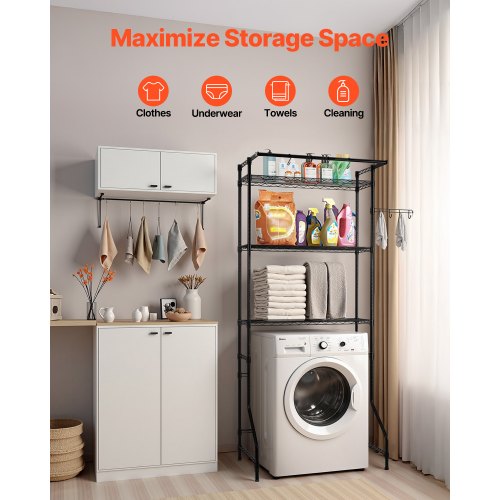
Credit: www.vevor.ca
Frequently Asked Questions
How Do I Dispose Of An Old Washer And Dryer?
Contact local waste management for bulky item pickup. You can also donate if functional or sell for parts. Recycling centers often accept appliances to reduce landfill waste.
Can I Sell A Used Washer And Dryer?
Yes, selling on platforms like Craigslist or Facebook Marketplace is common. Ensure they are clean and in working condition. Provide clear photos and detailed descriptions for better chances.
What Are Eco-friendly Ways To Get Rid Of Appliances?
Donate to charities or recycling programs that handle appliances. Many communities offer appliance recycling days. This helps reduce waste and promotes sustainable disposal.
Should I Remove Parts Before Disposal?
Yes, remove any personal items and detachable parts. Disconnect hoses and power cords safely. Some recycling centers require appliances to be intact, so check local guidelines first.
Conclusion
Getting rid of a washer and dryer does not have to be hard. You can donate, sell, or recycle them safely. Many local services help with pickup or drop-off. Always check for special rules in your area. Removing these appliances clears space and helps the environment.
Take your time and choose the best option for you. This way, you handle old machines responsibly and easily.