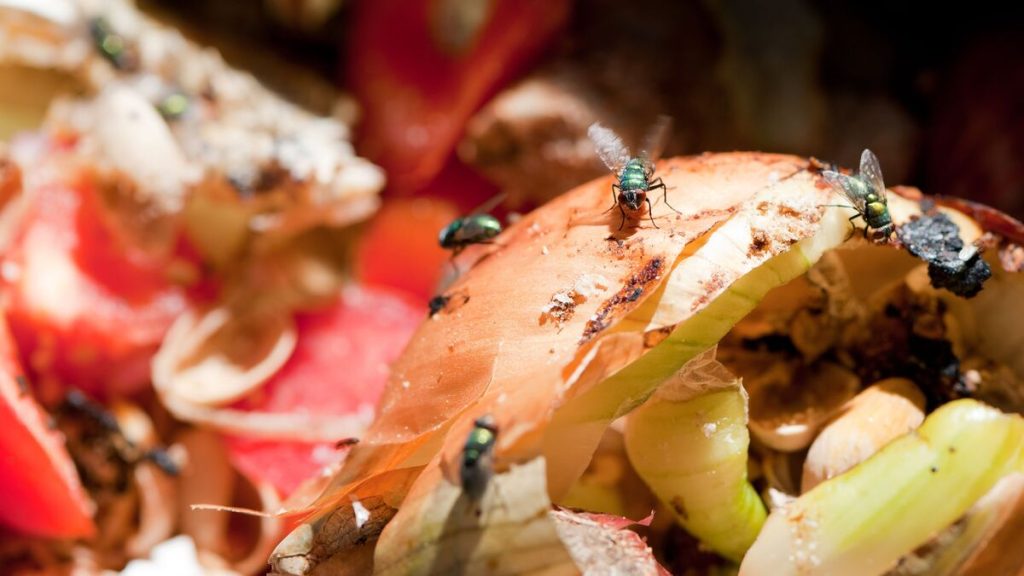
Are flies taking over your compost bin and turning your hard work into a frustrating mess? You’re not alone.
Those buzzing pests can make composting unpleasant and slow down the process. But don’t worry—there are simple, effective ways you can get rid of flies and keep your compost healthy. You’ll discover easy tips and tricks that anyone can use to stop flies from invading your bin for good.
Keep reading, and take back control of your compost today!
Causes Of Flies In Compost
Flies in compost bins are common and can be annoying. They come because the compost has things they like.
Knowing why flies appear helps to keep them away. It also keeps your compost healthy and clean.
Common Fly Types In Compost
There are several fly types that often show up in compost bins. Each type has different habits and needs.
- Fruit flies: Small flies attracted to rotting fruit and vegetables.
- Fungus gnats: Tiny flies that like moist areas and decaying organic matter.
- House flies: Larger flies that breed in moist, decaying waste.
- Blow flies: Usually found on meat scraps and animal products in compost.
Attractants For Flies
Flies are drawn to certain materials in compost bins. These attractants make the bin a perfect home.
- Rotting fruits and vegetables release smells that attract flies.
- Meat scraps and dairy products give off strong odors.
- Too much moisture creates a damp place for flies to lay eggs.
- Exposed food waste provides easy access for flies.
Compost Conditions Favoring Flies
Certain compost conditions help flies to multiply and stay longer. Keeping these in check reduces flies.
- Wet and soggy compost attracts fungus gnats and house flies.
- Slow decomposition leaves food waste exposed for longer.
- Warm temperatures speed up fly reproduction.
- Lack of proper aeration causes bad smells and attracts flies.

Credit: www.birminghammail.co.uk
Preventing Flies From Invading
Flies can make your compost bin unpleasant and slow down the composting process. Keeping flies away is easier if you manage the bin well. This guide helps you stop flies before they get inside.
Focus on three key areas: the right compost balance, moisture control, and using covers. These steps keep your compost healthy and fly-free.
Proper Compost Material Balance
Flies like rotting food and wet waste. Balancing green and brown materials helps prevent this. Greens are wet and rich in nitrogen. Browns are dry and full of carbon.
- Add dry leaves, straw, or shredded paper as brown materials.
- Include vegetable scraps and grass clippings as green materials.
- Aim for a mix of about three parts brown to one part green.
- Turn the compost often to keep air flowing.
Maintaining Moisture Levels
Too much moisture attracts flies and slows composting. Too little moisture stops the process. Your compost should feel like a damp sponge.
| Moisture Level | Effect on Flies |
| Too Wet | Attracts flies and causes bad smell |
| Just Right | Limits flies and aids decomposition |
| Too Dry | Stops composting and may attract pests |
Using Covers And Barriers
Covers block flies from laying eggs in your compost. Barriers keep flies out but let air and water in.
Try these simple covers and barriers:
- Use a tight-fitting lid on your bin.
- Place a layer of dry leaves or newspaper on top of new scraps.
- Cover fresh food waste with finished compost or soil.
Natural Fly Repellents
Flies can be a nuisance in your compost bin. Natural repellents can help keep them away. Using these methods is safe and eco-friendly.
Learn how essential oils, homemade sprays, and beneficial insects can solve your fly problem.
Essential Oils And Herbs
Essential oils have strong scents that flies dislike. Herbs are also effective in keeping flies at bay. Both are easy to use around your compost.
- Mint: Plant around the compost to deter flies.
- Lavender oil: Mix with water and spray near the bin.
- Basil: Grow in pots close to the compost area.
Homemade Spray Solutions
Homemade sprays are easy to make. They use common ingredients and are safe for the environment. These sprays can reduce the number of flies.
- Vinegar and water: Mix equal parts and spray around the bin.
- Lemon juice and eucalyptus oil: Combine and use as a fly repellent.
- Garlic spray: Crush garlic and mix with water for spraying.
Beneficial Insects
Some insects can help control fly populations. Introducing these insects can be a natural way to manage flies. They do not harm your compost.
- Predatory beetles: They eat fly larvae.
- Nematodes: These microscopic worms attack fly larvae.
- Parasitoid wasps: They lay eggs in fly larvae, reducing flies.

Credit: www.oregonlive.com
Physical Fly Control Methods
Flies can be a big problem in compost bins. They spread germs and make the area unpleasant. Using physical methods helps control flies without chemicals.
These methods are simple and safe. They reduce fly numbers by trapping or disturbing their environment.
Fly Traps And Sticky Sheets
Fly traps and sticky sheets catch flies and stop them from laying eggs. Place these near the compost bin to catch flies before they enter.
- Hang sticky sheets around the compost bin.
- Use baited fly traps to attract flies.
- Check and replace traps regularly.
Regular Turning And Aeration
Turning the compost often stops flies from settling. It also helps air reach the pile, which reduces fly breeding.
- Use a pitchfork or compost aerator tool.
- Turn the compost every few days.
- Mix the layers well to expose all parts to air.
Cleaning The Compost Bin
Cleaning the bin removes fly eggs and larvae. Keep the bin dry and remove any spilled food.
| Cleaning Task | Purpose |
|---|---|
| Remove old compost residues | Reduces fly breeding spots |
| Wash bin with water and mild soap | Kills eggs and larvae |
| Dry bin before adding new waste | Stops flies from laying eggs |
When To Seek Professional Help
Flies in your compost bin can be annoying. Most of the time, you can fix this yourself. Sometimes, the problem needs expert help.
Knowing when to call a professional saves time and keeps your compost healthy.
Persistent Fly Infestations
Flies can come back even after cleaning your compost bin. If you see many flies for weeks, the problem is serious. It may mean the compost is too wet or has bad materials inside.
Professional help is good if flies keep coming back. Experts can check your bin and suggest fixes. They can also clean the bin deeply if needed.
Safe Use Of Insecticides
Insecticides can kill flies fast. Use them only if other ways do not work. Professionals know which insecticides are safe for compost and people.
Experts can apply insecticides correctly. This stops harm to your plants and soil. They also help avoid risks to pets and children.
- Only use insecticides made for compost areas
- Follow label instructions carefully
- Keep children and pets away during treatment
- Ask a professional if you are unsure

Credit: www.reddit.com
Frequently Asked Questions
How Can I Prevent Flies In My Compost Bin?
Keep your compost balanced with dry and green materials. Turn it regularly to reduce odors and moisture. Cover fresh food scraps with brown materials like leaves or newspaper to deter flies.
What Natural Remedies Stop Flies In Compost Bins?
Sprinkle diatomaceous earth or neem leaves on compost surface. These natural substances repel flies without harming your compost. Avoid chemical sprays that can disrupt the composting process.
Why Do Flies Infest Compost Bins?
Flies are attracted to moist, decaying organic matter and food scraps. Overly wet or uncovered compost bins create ideal breeding grounds for them. Proper maintenance minimizes fly attraction.
How Often Should I Turn My Compost To Reduce Flies?
Turn your compost bin every 1 to 2 weeks. Regular turning aerates the pile and speeds up decomposition. This also discourages flies by reducing odors and moisture buildup.
Conclusion
Keeping flies away from your compost bin takes some effort but works well. Cover food scraps with dry leaves or soil to stop flies. Turn the compost often to keep it fresh and less smelly. Avoid adding too much wet or sweet waste that attracts flies.
Use fine mesh or a lid to block fly entry. Small steps like these help maintain a healthy compost pile. Enjoy fly-free composting and create rich soil for your garden easily.