Are you tired of tiny gnats invading your grow tent and ruining your plants? These little pests can quickly take over, damaging your hard work and leaving you frustrated.
But don’t worry—you can get rid of gnats for good. You’ll discover simple, effective ways to protect your grow tent and keep your plants healthy. Keep reading to learn the secrets that will help you win the battle against gnats once and for all.
Identify Gnat Infestation
Gnats in a grow tent can harm plants. Learn to identify infestations quickly.
Spotting gnats early helps protect your plants. Understanding their signs is essential.
Common Signs Of Gnats
Gnats are tiny flying insects. They often gather around plants and soil.
Look for these signs to know if you have a gnat problem:
- Small flies hovering around your plants
- Larvae in the soil near plant roots
- Plants showing signs of stress or damage
Types Of Gnats In Grow Tents
Different gnats can invade grow tents. Knowing the type helps in control measures.
Here are common types found in grow tents:
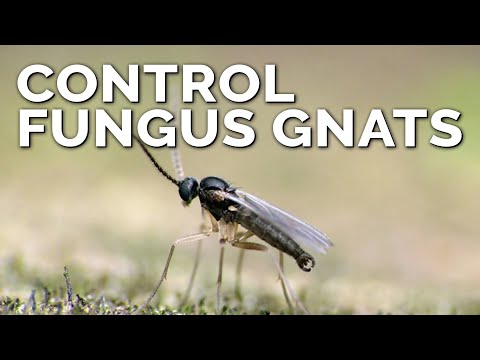
- Fungus gnats: They thrive in moist soil.
- Fruit flies: Attracted to decaying organic matter.
- Drain flies: Often come from nearby water sources.
Credit: todayshomeowner.com
Prevent Gnat Entry
Gnats can harm plants in your grow tent. Stopping them from entering is the first step. You need to keep your tent sealed and protected.
Small openings let gnats and other pests inside. Using screens and sealing cracks blocks their path.
Seal Openings And Cracks
Check your grow tent for any holes or gaps. Gnats can enter through even tiny cracks. Seal these openings with tape or weatherstripping.
Pay close attention to zipper seams, ventilation ports, and corners. Fixing these stops gnats from sneaking in.
- Use strong tape on tears or holes
- Apply weatherstripping on vents and seams
- Inspect regularly for new cracks
- Seal gaps around power cords or hoses
Use Fine Mesh Screens
Cover air vents with fine mesh screens. The mesh keeps gnats out while letting air flow inside. Choose screens with small holes to block tiny insects.
Secure the mesh tightly to avoid gaps. Replace damaged screens quickly to maintain protection.
- Pick mesh with holes smaller than 1 millimeter
- Attach screens using strong tape or fasteners
- Check screens for tears or loose edges
- Clean screens to keep airflow clear
Optimize Grow Tent Environment
Gnats thrive in damp, warm environments. To stop them, you need to change the grow tent conditions. This helps keep your plants healthy and pest-free.
Simple changes in humidity and watering habits can reduce gnats quickly. Focus on creating an environment they do not like.
Control Humidity Levels
Gnats love moist air. Keep the humidity in your grow tent low to stop them from multiplying. Use a dehumidifier or fans to reduce moisture.
Check humidity daily to keep it between 40% and 60%. This range is good for most plants and bad for gnats.
- Use a hygrometer to measure humidity
- Ventilate the tent well
- Run fans to increase air movement
- Use a dehumidifier if needed
Avoid Overwatering Plants
Wet soil attracts gnats to lay eggs. Water plants only when the top inch of soil feels dry. This keeps the soil from staying too wet.
Use pots with good drainage. Remove standing water from trays or saucers under pots to stop gnats from breeding.
- Check soil moisture before watering
- Water less often but deeply
- Use pots with drainage holes
- Empty excess water from trays

Credit: www.reddit.com
Natural Remedies
Gnats in a grow tent can harm your plants. Using natural remedies helps keep them away safely.
These methods use simple, natural ingredients and tools. They work well without chemicals.
Use Sticky Traps
Sticky traps catch gnats flying near your plants. Place them close to the soil and leaves.
Yellow sticky traps work best because gnats are attracted to bright colors. Change traps often to keep them effective.
- Buy yellow sticky traps from garden stores
- Hang traps near plant bases or soil
- Replace traps every 1-2 weeks
- Check traps daily for gnats
Apply Beneficial Nematodes
Beneficial nematodes are tiny worms that kill gnat larvae. They live in the soil and protect your plants.
These nematodes are safe for plants and humans. Water them into the soil to start working quickly.
- Buy nematodes online or at garden centers
- Mix them with water as instructed
- Apply the mix to the soil surface
- Keep soil moist to help nematodes survive
Try Neem Oil Treatments
Neem oil stops gnats by disrupting their life cycle. It is a natural oil extracted from neem trees.
Spray neem oil on the soil and leaves. Repeat every few days until gnats disappear.
- Mix neem oil with water and a small amount of soap
- Spray the mixture on soil surface and leaves
- Avoid spraying too much to prevent plant stress
- Use regularly for best results
Chemical Solutions
Gnats can harm plants in your grow tent. Chemical solutions help control these pests quickly. Use chemicals carefully to keep plants safe.
Choosing the right insecticide and using it properly will reduce gnats without damaging your plants or environment.
Select Safe Insecticides
Pick insecticides labeled safe for indoor plants and edible crops. Avoid harsh chemicals that can harm your plants or health.
Look for products with ingredients like neem oil, insecticidal soap, or pyrethrin. These options kill gnats without lasting harm.
- Neem oil: natural and breaks gnat life cycle
- Insecticidal soap: kills soft-bodied insects on contact
- Pyrethrin: derived from chrysanthemum flowers, fast-acting
- Spinosad: targets larvae in soil
Proper Application Techniques
Apply insecticides carefully to avoid damage. Follow the label instructions for dose and timing.
Spray the soil surface and plant leaves where gnats rest. Avoid overwatering to reduce breeding areas.
- Wear gloves and a mask during application
- Spray in the evening to protect beneficial insects
- Repeat treatments as directed to stop gnat eggs and larvae
- Keep grow tent ventilated after spraying
Maintain Long-term Control
Keeping gnats away from your grow tent requires ongoing care. Simple habits help reduce their numbers over time.
Focus on cleaning and checking your plants regularly. These actions stop gnats from coming back.
Regular Cleaning Practices
Clean your grow tent often to remove gnat eggs and larvae. Dirt and plant debris can hold pests.
- Remove dead leaves and fallen plant material daily
- Wipe down tent walls and surfaces with mild soap
- Change water in trays and containers regularly
- Keep soil surface dry by avoiding overwatering
- Use sticky traps to catch adult gnats
Monitor And Inspect Plants
Check your plants every few days. Look under leaves and near soil for signs of gnats.
| Inspection Area | What to Look For | Action |
| Soil surface | Small white larvae | Let soil dry before watering |
| Leaves and stems | Adult gnats or eggs | Use sticky traps or spray insecticidal soap |
| Drainage holes | Moist buildup | Clear blockages and dry area |
| Grow tent floor | Plant debris | Remove debris and clean floor |

Credit: www.reddit.com
Frequently Asked Questions
How Do Gnats Get Into A Grow Tent?
Gnats enter grow tents through contaminated soil, plants, or air. They thrive in moist, organic-rich environments, especially in overwatered soil.
What Is The Best Way To Kill Gnats In Grow Tents?
Use sticky traps, beneficial nematodes, or insecticidal soap. Reducing soil moisture also helps break their breeding cycle and control their population.
How Can I Prevent Gnats From Returning To My Grow Tent?
Maintain proper soil moisture, clean regularly, and quarantine new plants. Good ventilation and avoiding overwatering keep gnats from thriving.
Are Gnats Harmful To Plants In Grow Tents?
Yes, gnats can damage plant roots and spread diseases. Their larvae feed on roots, reducing plant growth and overall health.
Conclusion
Gnats can harm your plants and slow their growth. Keep your grow tent clean and dry to stop them. Use traps and natural sprays to catch and kill gnats fast. Check your soil and water less often to avoid breeding spots.
Stay patient and consistent with these steps. Soon, your grow tent will be free of gnats. Healthy plants will grow strong and thrive. Simple actions make a big difference. Keep your garden safe and enjoy the results.