
Are you tired of seeing those stubborn white streaks on your clean dishes? Lime deposits in your dishwasher can be a real nuisance, leaving your glassware cloudy and your appliance less efficient.
But don’t worry, you’re not alone in this battle against mineral build-up. Imagine a world where every dish comes out sparkling clean, and your dishwasher runs like new. Sounds great, right? In this guide, we’ll show you exactly how to banish those pesky lime deposits once and for all.
Stick with us, and you’ll discover simple yet effective solutions that can save you time, money, and frustration. Ready to reclaim your spotless kitchen? Let’s dive in!

Credit: vancouverapplianceservice.ca
Causes Of Lime Deposits
Lime deposits in dishwashers appear as white, chalky buildup. These deposits reduce dishwasher efficiency and can damage its parts. Understanding the causes helps prevent and remove lime buildup effectively. Two main causes are water quality and how the dishwasher is used.
Hard Water Effects
Hard water contains high levels of minerals like calcium and magnesium. These minerals leave behind lime deposits during washing cycles. Hot water in the dishwasher causes minerals to settle on surfaces. Over time, this buildup becomes thick and hard to remove. Hard water also clogs spray arms and filters, reducing cleaning power.
Dishwasher Usage Patterns
Frequent short cycles may not fully dissolve minerals. Using low-temperature settings can increase lime buildup. Not using dishwasher salt or rinse aid can worsen deposits. Overloading the dishwasher blocks water flow, causing uneven cleaning. Skipping regular cleaning allows lime to accumulate faster.

Credit: www.budget101.com
Signs Of Lime Buildup
Lime buildup in your dishwasher can cause several problems. It often starts small but grows over time. Spotting early signs helps fix the issue quickly. This keeps your dishwasher running well and your dishes clean.
White Film On Dishes
A common sign of lime buildup is a white, chalky film on dishes. This film feels rough and looks cloudy. It won’t wash away easily with regular rinsing. The lime deposits come from hard water minerals left behind after washing.
Notice this film on glasses, plates, or silverware. It often appears after several washes. This buildup dulls the shine and may make dishes look dirty.
Reduced Dishwasher Efficiency
Lime deposits can clog dishwasher parts. This reduces water flow and heating efficiency. The dishwasher may take longer to clean dishes properly. You might see spots or leftover food after a cycle.
The machine uses more energy as it works harder. Over time, this can lead to higher electricity bills. Regular lime removal keeps the dishwasher efficient and saves money.
Natural Cleaning Methods
Natural cleaning methods offer simple and effective ways to tackle lime deposits in your dishwasher without harsh chemicals. These options are not only eco-friendly but also budget-friendly, using items you likely have in your kitchen. Let’s dive into two of the most popular natural solutions that can restore your dishwasher’s performance and shine.
Using Vinegar
White vinegar is a powerful natural cleaner known for breaking down mineral buildup. To use it, pour one cup of white vinegar into a dishwasher-safe container and place it on the top rack of your empty dishwasher.
Run a hot water cycle without any detergent. The vinegar will dissolve lime deposits and remove odors, leaving your dishwasher fresh.
Have you noticed how vinegar not only cleans but also helps prevent future buildup? Try repeating this every month to keep your machine in top shape.
Baking Soda Application
Baking soda works well to neutralize odors and scrub away residue gently. After running a vinegar cycle, sprinkle one cup of baking soda across the bottom of your dishwasher.
Run a short, hot water cycle to let the baking soda clean and brighten the interior. This step enhances the vinegar treatment by tackling any remaining grime.
Wondering why these two ingredients work so well together? Vinegar breaks down deposits, and baking soda scrubs and deodorizes, making them a dynamic duo for natural cleaning.
Commercial Descaling Products
Commercial descaling products offer a powerful way to tackle lime deposits in your dishwasher. These specially formulated solutions break down mineral buildup quickly and effectively, restoring your appliance’s performance. Using the right product can save you time and effort compared to home remedies.
Choosing The Right Product
Look for descalers designed specifically for dishwashers. Some products target lime deposits, while others focus on grease or general cleaning. Check the label to ensure it mentions removing limescale or calcium buildup.
Consider the type of water in your area. Hard water areas benefit from stronger descaling agents. If unsure, ask your local hardware store or read online reviews to find what works best for your situation.
Be cautious about harsh chemicals if you have a sensitive dishwasher model. Some descalers are made with gentler, eco-friendly ingredients that protect your machine. Have you ever used a product that left your dishwasher smelling odd? That’s a sign to try a different formula.
How To Apply Descalers
Start by reading the instructions on the product label carefully. Many descalers require you to run an empty dishwasher cycle with the product inside. This allows the solution to reach all affected areas.
Usually, you will pour the descaler into the detergent dispenser or directly into the dishwasher tub. Avoid mixing descalers with regular dishwasher detergent during this process.
After the cycle finishes, wipe down any remaining residue inside your dishwasher with a clean cloth. If lime deposits persist, a second application might be necessary. Have you noticed how regular descaling extends the life of your appliance?
Preventing Future Lime Deposits
Preventing future lime deposits in your dishwasher helps keep it running smoothly. Lime build-up reduces cleaning power and can damage parts. Taking steps to stop deposits saves time and money. Simple habits and tools make a big difference.
Water Softening Solutions
Hard water causes lime deposits by leaving minerals behind. Using water softening methods lowers these minerals. A water softener system treats water before it enters the dishwasher. This reduces scale and extends appliance life.
Another option is adding dishwasher-specific water softening agents. These products help break down minerals during cycles. They keep the dishwasher cleaner and prevent buildup on dishes and surfaces.
Regular Maintenance Tips
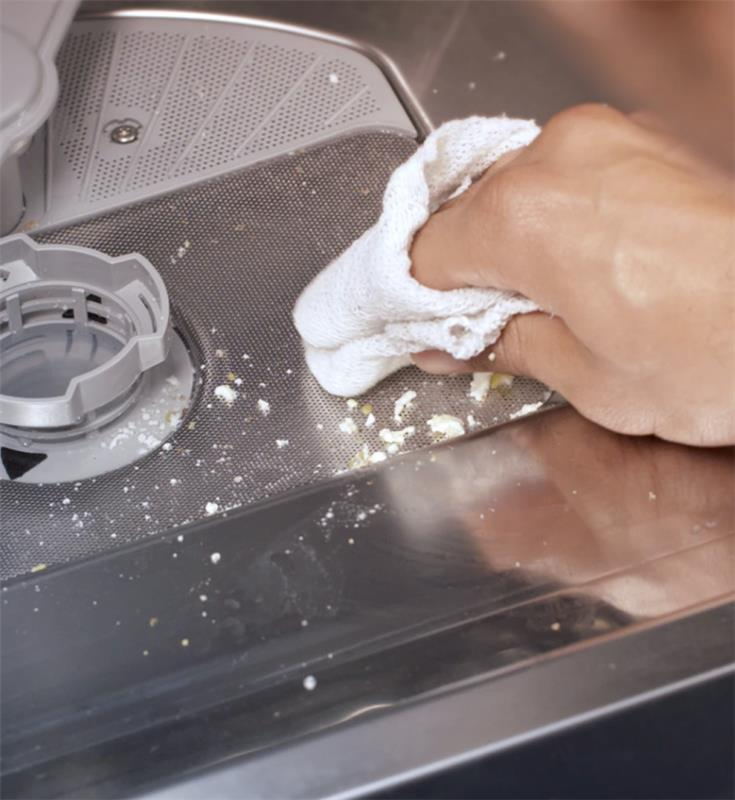
Routine cleaning prevents lime deposits from forming. Run an empty cycle with vinegar or a dishwasher cleaner monthly. This dissolves mineral deposits and grease.
Check and clean filters often. Remove trapped food and debris to improve water flow. Inspect spray arms for clogs and clear holes with a toothpick if needed.
Use the right detergent in correct amounts. Too much detergent can cause residue, while too little reduces cleaning power. Follow manufacturer guidelines for best results.
Credit: www.finishdishwashing.ca
When To Call A Professional
Knowing when to call a professional for lime deposit problems is important. Some issues go beyond simple cleaning. A technician can diagnose hidden problems and fix them safely. This saves time and prevents damage to your dishwasher.
Persistent Buildup Issues
If lime deposits keep returning despite regular cleaning, it signals a bigger problem. Hard water may be very strong in your area. Lime scale can build up inside parts you cannot reach. Professionals have special tools to remove deep deposits. They also offer treatments to slow down future buildup.
Appliance Inspection And Repair
A professional can inspect your dishwasher thoroughly. They check filters, spray arms, and heating elements for damage or blockages. Sometimes lime deposits cause malfunctions or poor washing performance. Experts can repair or replace faulty parts. This helps your dishwasher work efficiently again and last longer.
Frequently Asked Questions
What Causes Lime Deposits In Dishwashers?
Lime deposits form due to hard water, which contains high minerals like calcium and magnesium. These minerals build up as white, chalky residue inside the dishwasher over time.
How Can I Prevent Lime Buildup In My Dishwasher?
Use a water softener or dishwasher cleaner regularly. Also, run hot water before starting the dishwasher to reduce mineral deposits.
Is Vinegar Effective For Removing Lime Deposits?
Yes, white vinegar dissolves lime deposits naturally. Run a cycle with a cup of vinegar placed on the top rack to clean and descale your dishwasher.
How Often Should I Clean Lime Deposits In Dishwasher?
Clean your dishwasher every 1 to 3 months to prevent heavy lime buildup. Regular maintenance ensures better cleaning and longer appliance life.
Conclusion
Removing lime deposits keeps your dishwasher working well. Regular cleaning stops buildup and saves money. Use common household items like vinegar or lemon juice. Run a cleaning cycle once a month for best results. This simple habit extends your machine’s life and cleans your dishes better.
No need for harsh chemicals or expensive products. Just a little care goes a long way. Enjoy sparkling dishes and a fresh-smelling dishwasher every day. Easy to do. Easy to keep up.