
Are tent worms taking over your trees and turning your yard into a mess? You’re not alone, and the good news is, you don’t have to just watch them destroy your greenery.
Imagine enjoying a healthy, lush garden without those pesky tents hanging from your branches. You’ll discover simple, effective ways to get rid of tent worms for good. Keep reading, and you’ll learn easy steps that anyone can follow to protect your trees and bring your outdoor space back to life.
Identifying Tent Worms
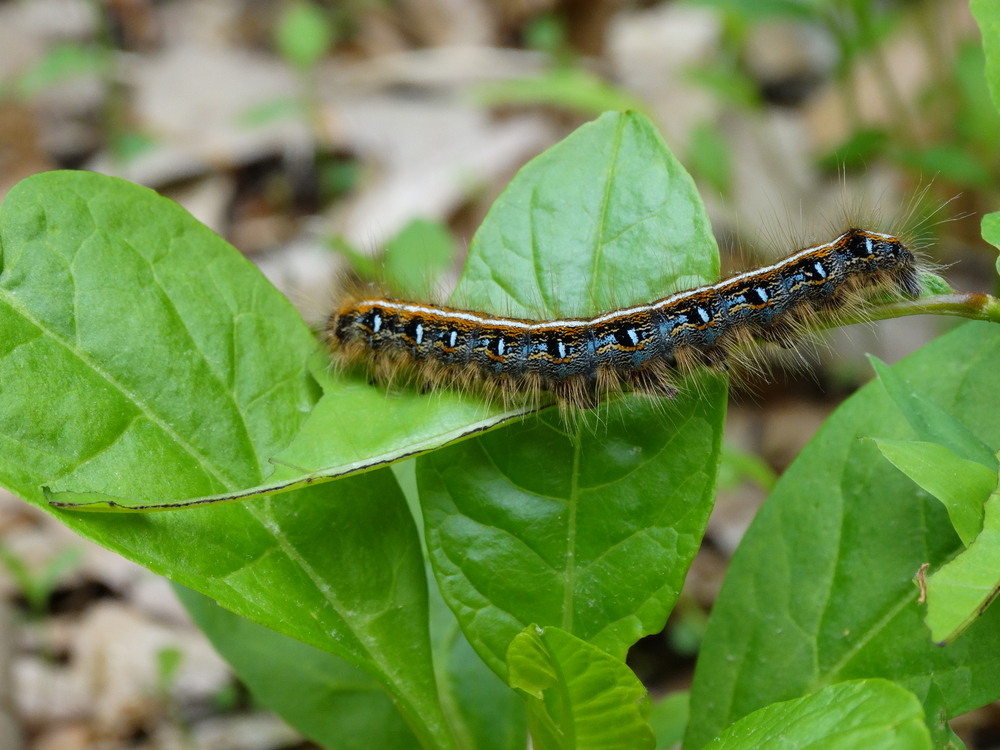
Tent worms are caterpillars that build web-like tents in trees. These tents protect them while they eat leaves.
Knowing how to spot tent worms helps protect your trees from damage early.
Common Signs On Trees
Tent worms leave clear signs on trees. Their tents are the most visible mark.
Look for these signs to identify a tent worm problem:
- Webbed tents on branches or leaves
- Leaves chewed or skeletonized
- Brown or dead leaves inside the tent
- Clusters of caterpillars inside the webs
- Sticky residue or droppings on leaves
Types Of Tent Worms
There are different tent worm species. Each type has unique habits and tents.
Common types include these:
- Eastern Tent Caterpillar:Builds silk tents in tree forks in spring.
- Forest Tent Caterpillar:Makes mats on tree trunks and branches.
- Fall Webworm:Creates large white webs over leaves in late summer.
Credit: www.gardeningknowhow.com
Damage Caused By Tent Worms
Tent worms create large silk tents in tree branches. They feed on leaves and cause harm to the tree. This damage can affect the tree’s health and growth.
Understanding the impact of tent worms helps in taking steps to protect trees. Trees may suffer short-term and long-term effects from the infestation.
Impact On Tree Health
Tent worms eat many leaves quickly. This defoliation weakens the tree. A weak tree cannot make enough food through photosynthesis.
- Leaves turn brown and fall off early
- Tree growth slows down
- Branches may dry out
- Tree becomes more open to diseases
Long-term Effects
Repeated attacks by tent worms can cause lasting damage. The tree loses strength and may die over time. Recovery can take several years.
| Effect | Details |
| Reduced Growth | Less leaf area lowers energy for growth |
| Increased Vulnerability | Weak trees attract other pests and diseases |
| Branch Dieback | Damaged branches may die and fall off |
| Tree Death | Severe or repeated damage can kill the tree |
Natural Control Methods
Tent worms can damage trees and plants in your garden. Using natural control methods helps keep your plants safe without chemicals.
These methods focus on working with nature to reduce tent worm numbers and protect your plants.
Encouraging Beneficial Insects
Beneficial insects eat tent worms and their eggs. Attracting these insects helps control tent worm populations naturally.
Plant flowers that provide nectar and pollen to keep beneficial insects healthy and active.
- Ladybugs eat tent worm eggs and larvae
- Parasitic wasps lay eggs inside tent worms
- Lacewings feed on tent worm caterpillars
- Plant nectar-rich flowers like dill, fennel, and yarrow
- Avoid using broad insecticides that kill helpful insects
Manual Removal Techniques
Physically removing tent worms can quickly reduce their damage. This method works well for small infestations.
Check trees and plants often. Remove and destroy tents and caterpillars by hand.
- Wear gloves to protect your hands
- Use a stick or your hands to pull down tents
- Drop the tents into soapy water to kill the caterpillars
- Prune heavily infested branches to stop spread
- Repeat removal every few days to catch new tents
Chemical Treatments
Chemical treatments can help control tent worms on trees and shrubs. Using the right products stops larvae from damaging leaves and branches. Careful use of pesticides is important for safety and effectiveness.
Choose pesticides that target tent worms without harming other insects or plants. Follow instructions to get the best results and protect the environment.
Selecting The Right Pesticides
Choose pesticides labeled for tent worm control. Look for products with active ingredients like Bacillus thuringiensis (Bt) or spinosad. These are less harmful to beneficial insects.
- Use Bt for young tent worm larvae. It works by stopping their digestion.
- Spinosad affects the nervous system of larvae, killing them quickly.
- Pyrethroid-based insecticides kill on contact but can harm bees.
- Avoid broad-spectrum insecticides that kill many insect types.
Safe Application Practices
Applying pesticides safely protects you, others, and the environment. Follow these tips for safe use:
| Practice | Description |
|---|---|
| Read label instructions | Follow all directions about dose, timing, and protective gear. |
| Wear protective clothing | Use gloves, masks, and long sleeves to avoid skin contact. |
| Apply in calm weather | Spray when wind is low to prevent drift to other plants or people. |
| Avoid spraying near water | Prevent contamination of ponds, lakes, or streams. |
| Clean equipment | Wash sprayers after use to avoid residue build-up. |
Preventive Measures
Tent worms can harm your trees by eating leaves and making webs. Preventing them keeps trees healthy and strong.
Using simple care and timing tips helps stop tent worms before they start. These steps protect your trees year-round.
Tree Care And Maintenance
Healthy trees are less likely to have tent worm problems. Check your trees often for damage or weak spots.
Remove dead branches and fallen leaves. This reduces places where tent worms can hide and grow.
- Prune trees in early spring or late fall
- Clear fallen leaves and debris from the ground
- Water trees regularly during dry periods
- Use mulch to keep soil moist and healthy
Seasonal Timing Tips
Tent worms appear mostly in late spring and early summer. Start preventive steps before this time.
Early action reduces the chance of large webs and heavy leaf damage. Watch trees closely during warm months.
- Inspect trees in late April or early May
- Remove small webs or nests quickly
- Use safe insect controls if needed
- Keep trees healthy all year for better defense

Credit: www.pubs.ext.vt.edu
When To Call A Professional
Tent worms can damage trees and plants if left alone. Some cases need expert attention. Knowing when to call a professional can save your garden.
Professionals know how to treat infestations safely. They use tools and methods that protect your trees and the environment.
Signs You Need Expert Help
Look for these signs to decide if you need a pro. Early help can stop damage from getting worse.
- Large tents covering many branches
- Defoliation or bare branches where leaves are missing
- Repeated tent worm outbreaks despite treatment
- Presence of larvae in hard-to-reach tree areas
- Weak or dying branches near the tents
Choosing The Right Arborist
Picking a skilled arborist helps control tent worms safely. Check their experience and methods.
| Factor | What to Look For |
| Certification | Licensed and insured professional |
| Experience | Years working with tree pests |
| Methods | Eco-friendly and safe pest control |
| References | Positive reviews from past clients |
| Response Time | Quick inspection and treatment |
Credit: www.brodybrotherspestcontrol.com
Frequently Asked Questions
What Are Tent Worms?
Tent worms are caterpillars known for building silk tents in tree branches. They can cause significant defoliation. These pests are found in the spring and feed on tree leaves. Identifying them early can help in managing their population and reducing potential damage to your trees.
How Do Tent Worms Affect Trees?
Tent worms feed on tree leaves, causing defoliation and stress. This can weaken the tree, making it more susceptible to diseases. While healthy trees usually recover, repeated infestations can lead to permanent damage. Managing tent worm populations is crucial for maintaining tree health and preventing long-term issues.
What Are Natural Ways To Remove Tent Worms?
Manual removal and pruning of affected branches are effective natural methods. Introducing natural predators like birds can help. Using soapy water to dislodge and kill them can also be beneficial. These methods minimize chemical use, promoting a healthier environment and preserving beneficial insects.
Can Tent Worms Harm Humans Or Pets?
Tent worms are not harmful to humans or pets. They don’t bite or sting, but their presence can be a nuisance. Handling them may cause mild skin irritation in some people. It’s best to use gloves when managing them to avoid any potential discomfort.
Conclusion
Controlling tent worms protects your plants and garden health. Remove nests early to stop damage. Use safe sprays or natural remedies to reduce pests. Check trees regularly to catch problems fast. Keep your yard clean from fallen leaves and debris.
With care and attention, you can manage tent worms well. Healthy plants grow stronger and look better too. Stay patient and consistent for best results. Your garden will thank you with vibrant, green growth.