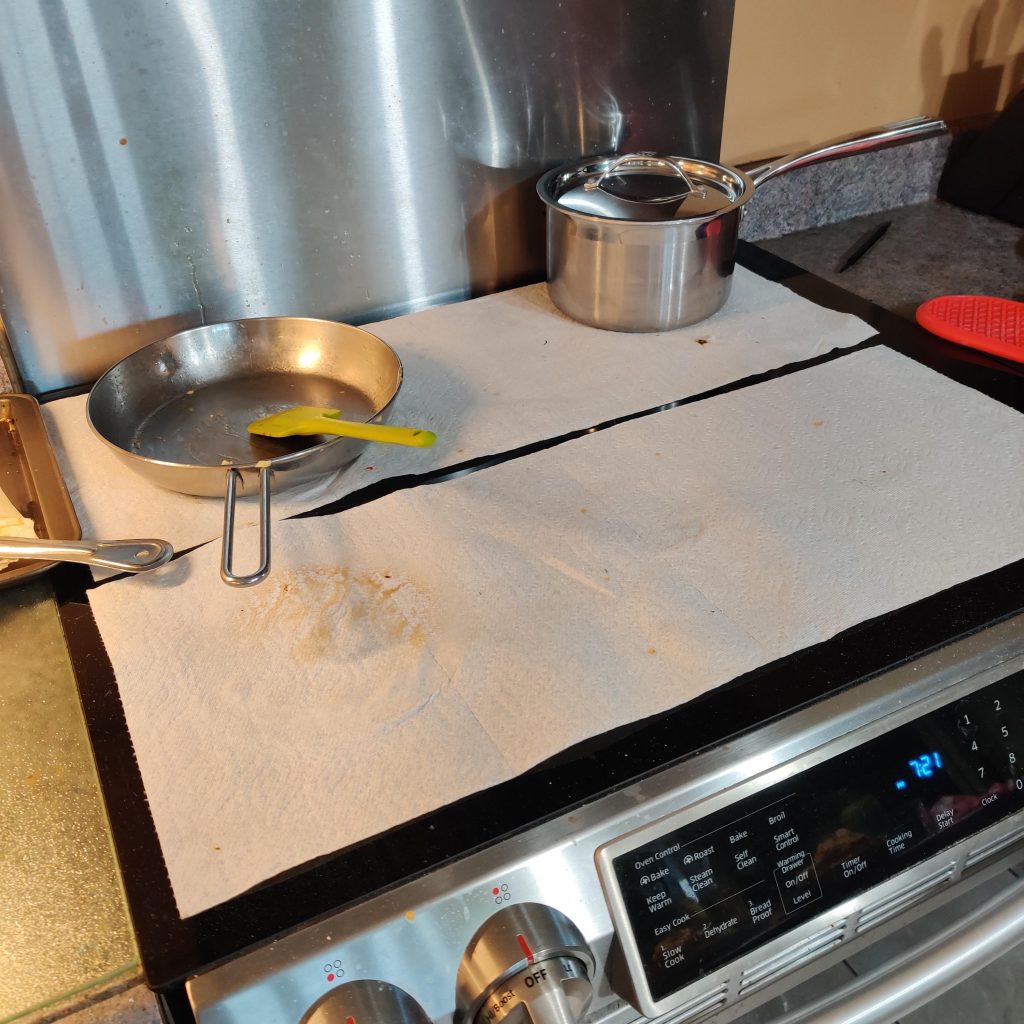
Your glass cooktop is the shining centerpiece of your kitchen, but those unsightly scratches can be a real eyesore, right? Imagine if you could restore its pristine look without spending a fortune on replacement or professional services.
You’re in luck! With a few simple techniques, you can bring back the glossy finish you love. Keep reading, and you’ll discover easy, effective ways to eliminate those pesky scratches, turning your cooktop into a flawless surface once again. This guide will empower you with the secrets to make your kitchen sparkle and impress everyone who steps into it.
Curious to learn how? Let’s dive in and transform your cooktop together!

Credit: www.reddit.com
Identify Scratch Types
Before you start fixing scratches on your glass cooktop, it’s crucial to understand the kind of scratch you’re dealing with. Not all scratches are the same, and treating them incorrectly can make the damage worse. Identifying whether your scratch is shallow or deep helps you decide on the best approach to restore your cooktop’s smooth surface.
Surface Scratches
Surface scratches are usually light and don’t penetrate the glass deeply. You can often feel them with your fingernail, but they don’t catch or snag. These scratches often look like fine lines that barely disrupt the smoothness of the cooktop.
These types of scratches can often be polished out with a gentle abrasive cleaner or a special glass cooktop polish. If you’ve ever used toothpaste to buff out a small scratch on your phone screen, you’ve already tried a similar technique. Have you noticed how light scratches reflect light differently? That difference can guide you on how much effort to apply when buffing.
Deep Scratches
Deep scratches are more severe and usually catch your fingernail when you run it over the surface. These scratches penetrate below the surface, sometimes cracking the glass slightly. They are often caused by sharp objects or heavy impacts.
Deep scratches require more careful attention. Simple polishing won’t be enough, and attempting aggressive treatments might worsen the damage. Sometimes, the best solution is to consult a professional or consider replacing the cooktop glass if the scratch compromises safety or usability.
Gather Needed Tools
Gathering the right tools is essential before fixing scratches on a glass cooktop. The correct items make the process easier and protect the surface from damage. Choose tools that suit the scratch depth and your comfort level. Some tools are common household items, while others are specialized kits designed for glass surfaces.
Household Items
Simple tools found at home often help remove minor scratches. These include:
- Soft cloths for cleaning and polishing
- Baking soda to create a gentle abrasive paste
- Toothpaste (non-gel) for mild scratch removal
- White vinegar for cleaning before treatment
- Plastic scraper or credit card to avoid further damage
These items are affordable and easy to use. They work well on light surface scratches.
Specialized Kits
Specialized glass cooktop repair kits provide effective solutions for deeper scratches. These kits usually contain:
- Polishing compounds specifically made for glass
- Buffing pads or wheels for better scratch removal
- Protective gloves to keep hands safe
- Detailed instructions for proper use
Using a kit can save time and improve results. Choose one compatible with your cooktop brand and model.
Prep The Cooktop
Before you attempt to remove scratches from your glass cooktop, preparing the surface is crucial. Proper preparation ensures you don’t accidentally cause more damage and that any cleaning or polishing product works effectively. Taking time to prep your cooktop can save you frustration and improve your results.
Clean The Surface
Start by removing any food residue, grease, or dust from your cooktop. Use a soft cloth or sponge with warm, soapy water to wipe the entire surface gently. Avoid abrasive cleaners or scrubbers that might add more scratches.
Pay extra attention to corners and edges where grime tends to accumulate. If you spot stubborn spots, use a glass cooktop cleaner or a mixture of baking soda and water. This step not only cleans but also helps you see the scratches clearly for the next part of the process.
Dry Thoroughly
After cleaning, make sure the cooktop is completely dry before moving forward. Use a microfiber cloth to avoid leaving lint or streaks behind. Moisture can interfere with the scratch removal products and reduce their effectiveness.
Have you ever tried fixing scratches only to find the solution didn’t stick? Drying thoroughly is often the missing link. A dry surface guarantees better contact and better results in the scratch repair process.

Credit: www.amazon.com
Diy Scratch Removal Methods
Scratches on a glass cooktop can spoil its look and make cooking less enjoyable. Many scratch removal techniques use items found at home. These DIY methods save money and avoid harsh chemicals. Each method gently polishes the glass surface to reduce scratch visibility. Choose the one that fits your supplies and scratch severity.
Using Baking Soda Paste
Baking soda is a mild abrasive that works well on light scratches. Mix baking soda with water until it forms a thick paste. Apply the paste on the scratch with a soft cloth. Rub gently in small circles for a few minutes. Wipe off the paste with a clean damp cloth. Repeat if needed, but avoid harsh scrubbing to prevent more damage.
Applying Toothpaste
Non-gel toothpaste has fine abrasive properties. Dab a small amount of toothpaste on a soft, damp cloth. Rub the toothpaste over the scratch in circular motions. Continue for two to three minutes. Use a clean cloth to wipe away all toothpaste residue. This method is best for shallow scratches and easy to try.
Rubbing With Cerium Oxide
Cerium oxide is a powder used for glass polishing. Mix the powder with water to make a smooth slurry. Use a felt pad or soft cloth to apply the mix on the scratch. Buff the area in small circles with gentle pressure. Rinse the cooktop with water and dry it well. This method works well for deeper scratches but requires more care.
Polishing With Metal Polish
Some metal polishes can also smooth out glass scratches. Choose a polish safe for glass surfaces. Apply a small amount on a microfiber cloth. Rub the scratched area gently in circular motions. Clean off excess polish with a damp cloth. Test on a small spot first to avoid discoloration or damage.
Test Small Areas First
Testing small areas first is crucial before fixing scratches on your glass cooktop. It protects the surface from potential damage. This step lets you see how the cleaner or polishing product reacts with your cooktop.
Start with an out-of-sight corner or edge. Apply a tiny amount of the product there. Wait a few minutes to check any changes. Look for discoloration, cloudiness, or worsening scratches.
This cautious approach helps avoid bigger problems. It saves you time and money by preventing damage to the whole cooktop. Testing small areas also builds confidence in your chosen method.
Choose An Inconspicuous Spot
Pick a place where damage is less visible. Corners or edges usually work best. This way, any unwanted effects remain hidden.
Apply A Small Amount Of Product
Use just a drop or a small dab. Too much product can cause streaks or residue. Apply gently with a soft cloth or cotton swab.
Wait And Observe
Give the product time to work, about 5 to 10 minutes. Check the spot closely under good light. Look for changes in texture or color.
Assess Results Before Full Application
If the small area looks good, continue with the rest. If damage appears, stop immediately. Try a different product or method instead.
Repeat Treatment If Needed
Sometimes, a single treatment isn’t enough to completely remove scratches from your glass cooktop. You might notice faint lines or rough spots still visible after your first attempt. That’s when repeating the treatment can make all the difference.
Don’t rush to give up on your cooktop just because the scratches don’t vanish immediately. Patience is key. Each round of treatment gradually smooths the surface and reduces the appearance of scratches.
Assess The Scratch Depth Before Repeating
Check how deep the scratches are before deciding to repeat the process. Light surface scratches usually respond well to multiple treatments. But if the scratches feel deep or catch your fingernail, they might need professional attention.
Try gently running your finger over the scratch. If it still feels rough, your repeated treatment can focus on those areas to improve the smoothness.
Use The Same Cleaning Materials Consistently
Stick to the same polishing compound or cream you used the first time. Switching products mid-way can produce uneven results. Consistency helps build up a smooth, even finish.
Remember to use a soft cloth or sponge to avoid adding new scratches. Applying gentle pressure repeatedly can slowly erase the damage without causing more harm.
Take Breaks Between Treatments
Give your cooktop a rest between treatments. Let the surface cool and dry completely before starting again. This prevents residue buildup and helps you see the true progress clearly.
Have you ever felt impatient trying to fix something yourself? Taking breaks not only protects your cooktop but also keeps you focused and precise.
Monitor Progress And Adjust Pressure
Watch how the scratches fade with each treatment. You might need to apply a bit more or less pressure depending on the results. Too much force can worsen scratches, while too little won’t make an impact.
Find the right balance by testing pressure in small sections. This approach ensures you treat your entire cooktop evenly and avoid patchy spots.
Avoid Future Scratches
Protecting your glass cooktop from scratches keeps it looking new and working well. Small scratches can worsen over time, making cleaning and cooking harder. Preventing scratches saves money on repairs and maintains your kitchen’s beauty.
Use Proper Cookware
Choose cookware with smooth, flat bottoms. Avoid pots or pans with rough or warped edges. Use materials like stainless steel, ceramic, or heavy-duty glass. Avoid cast iron or stoneware that can scratch the surface.
Lift pots when moving them on the cooktop. Do not slide cookware across the glass. This simple habit prevents many scratches. Use cookware that matches the size of the burner to avoid overhanging edges.
Regular Maintenance Tips
Clean your cooktop after each use with a soft cloth. Avoid abrasive scrubbers or harsh chemicals. Use a cleaner made specifically for glass cooktops. Wipe spills immediately to prevent staining and buildup.
Check your cooktop regularly for dirt or grit. Even small particles can cause scratches if rubbed. Keep the surface dry and clean before cooking. Use a protective pad under heavy pots if needed.

Credit: www.amazon.com
Frequently Asked Questions
How Can I Remove Light Scratches From A Glass Cooktop?
Use a glass cooktop cleaner and a soft cloth to gently buff light scratches. Avoid abrasive materials to prevent further damage.
What Household Items Help Erase Scratches On Glass Cooktops?
A baking soda paste or toothpaste can help reduce minor scratches when applied gently with a soft cloth.
Can Professional Products Fix Deep Scratches On Glass Cooktops?
Yes, specialized scratch removal kits designed for glass cooktops can improve deep scratches effectively when used as directed.
Is It Safe To Use Metal Scrapers On Glass Cooktops?
No, metal scrapers can worsen scratches and damage the surface. Always use plastic or rubber tools for cleaning.
Conclusion
Removing scratches from your glass cooktop is easier than it seems. Simple household items can make a big difference. Take time to clean and polish gently. Avoid harsh tools that might cause more damage. Regular care helps keep your cooktop looking new.
Small scratches don’t have to stay forever. With patience, you can restore its smooth surface. Keep your kitchen safe and shiny every day. Try these tips and see the change yourself.