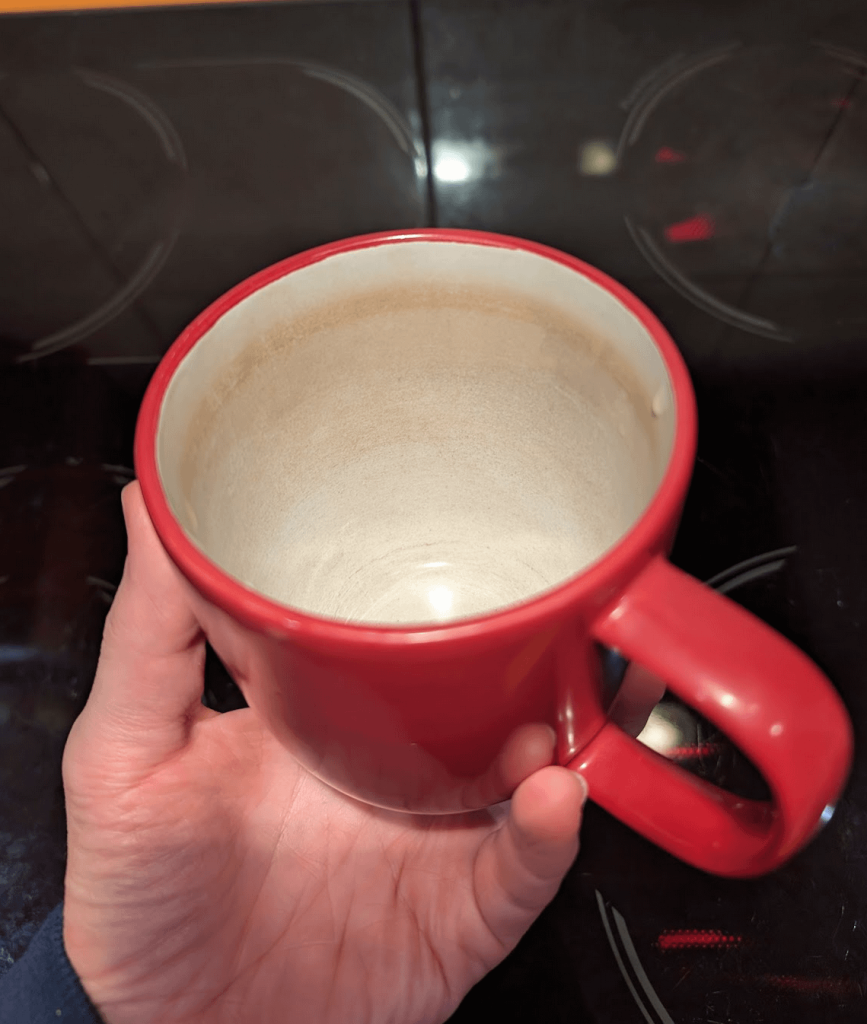
You love your daily cup of tea, but those stubborn stains on your favorite cups? Not so much.
They can make even the nicest mug look old and dirty. If you’ve tried scrubbing and still see those marks, you’re not alone. The good news is, you don’t have to throw your cups away or buy new ones. You’ll discover simple, effective ways to get tea stains out of cups—quickly and easily.
Keep reading, and you’ll learn tricks that save your mugs and bring back their clean, fresh look. Your tea time deserves nothing less!
Common Causes Of Tea Stains
Tea stains on cups happen because of natural compounds in tea. These compounds stick to the cup surface. Over time, they form a dark layer that is hard to clean.
Knowing the causes helps in preventing and removing stains. Here are the common reasons tea stains appear on your cups.
Tannins In Tea
Tannins are natural chemicals found in tea leaves. They give tea its color and flavor. Tannins easily bind to the cup’s surface and cause stains. The longer tea stays in the cup, the stronger the stain becomes.
Porous Cup Materials
Cups made from materials like ceramic or unglazed clay absorb tea more. This absorption makes stains set deeper and harder to remove. Smooth materials like glass or glazed cups resist stains better.
Temperature Of The Tea
Hot tea causes stains more quickly than cold tea. Heat opens the cup’s surface pores. This lets tannins stick faster and create marks. Cooling tea stains less but still can leave marks over time.
Frequency Of Use
Using the same cup for tea daily without washing causes buildup. Stains layer on top of old marks. This makes the stains darker and tougher to clean.
Table Of Tea Stain Causes And Effects
| Cause | Effect on Stains |
| Tannins in Tea | Bind to cup surface, create dark marks |
| Porous Materials | Absorb tea, stain deeply |
| Hot Temperature | Opens pores, speeds stain formation |
| Frequent Use | Builds layers of stains |
Everyday Household Remedies
Tea stains on cups happen often and look unpleasant. You do not need special cleaners to remove them.
Common household items can clean these stains well. Here are easy ways to try at home.
Using Baking Soda
Baking soda is a mild abrasive that helps lift stains without scratching your cup. It also deodorizes.
- Make a paste with baking soda and a little water.
- Rub the paste gently inside the cup using a soft cloth or sponge.
- Let it sit for 10 minutes to break down the stains.
- Rinse the cup well with warm water.
Vinegar Solutions
White vinegar is acidic and helps dissolve tea stains. It also kills bacteria in cups.
| Method | Instructions |
| Soak | Fill the cup with equal parts vinegar and water. Soak for 30 minutes, then scrub and rinse. |
| Spray | Spray vinegar on stains, wait 10 minutes, scrub gently, and rinse. |
| Boil | Heat vinegar and water in the cup, let it cool, then clean and rinse. |
Lemon Juice Method
Lemon juice is natural and has mild acid to break tea stains. It also leaves a fresh scent.
To use lemon juice:
- Cut a lemon in half and rub it directly on the stains.
- Let the juice sit on the cup for 15 minutes.
- Use a soft sponge to scrub the stained area gently.
- Rinse the cup with warm water and dry it.
Commercial Cleaning Products
Tea stains on cups can be hard to remove with just water. Commercial cleaning products help get rid of these stains quickly. They contain special ingredients that break down the tea marks.
Using these products saves time and effort. Many are safe for everyday use and work well on different cup materials like ceramic and glass.
Choosing The Right Cleaner
Pick a cleaner made for tea or coffee stains. Some products are gentle and safe for kitchenware. Look for labels that say safe for cups or dishes.
Check the ingredients to avoid harsh chemicals. Cleaners with baking soda or mild acids like citric acid work well. Avoid strong bleaches that can damage your cups.
- Choose non-abrasive cleaners
- Look for stain remover or kitchen cleaner labels
- Avoid bleach and strong chemicals
- Consider eco-friendly products
Safe Usage Tips
Read the instructions on the product label before use. Use gloves to protect your skin from irritation. Work in a well-ventilated area to avoid fumes.
Rinse cups thoroughly after cleaning. Do not mix different cleaning products. Store cleaners out of reach of children and pets.
- Wear gloves during cleaning
- Follow product instructions carefully
- Rinse cups well after use
- Do not mix cleaners
- Keep products away from children and pets

Credit: puracy.com
Preventing Future Stains
Tea stains can make cups look old and dirty. Preventing these stains helps keep your cups bright and clean. Simple habits and care can stop stains from forming.
Here are some easy ways to avoid tea stains on your cups for a long time.
Regular Cleaning Habits
Cleaning your cups after each use stops tea from leaving marks. Use warm water and mild soap to wash them well. Avoid leaving tea in the cup for a long time.
- Rinse cups immediately after drinking tea
- Wash with a soft sponge to avoid scratches
- Use baking soda paste to scrub if stains appear
- Dry cups fully before storing
Proper Storage Techniques
Store cups in a dry place to prevent moisture stains. Keep them away from dust and strong smells. Stack cups carefully to avoid damage.
| Storage Tip | Reason |
| Keep cups dry | Prevents mold and water marks |
| Store in closed cabinets | Keeps dust and dirt away |
| Use cup separators or soft cloth | Avoids scratches and chips |
| Do not stack too high | Prevents cups from falling |
Dealing With Stubborn Stains
Tea stains on cups can be tough to remove. These stains often build up over time and need special care.
Using the right methods makes cleaning easier. Focus on soaking and scrubbing to get the best results.
Soaking Techniques
Soaking helps loosen the dried tea stains. Use warm water mixed with cleaning agents to soften the marks.
- Fill the cup with warm water and add a teaspoon of baking soda.
- Let it soak for 15 to 30 minutes.
- For strong stains, try soaking overnight with white vinegar.
- Rinse well with clean water before scrubbing.
Scrubbing Tools And Tips
Using the right tools makes scrubbing effective without scratching the cup. Soft brushes and cloths work best.
| Tool | Best For | How to Use |
| Soft sponge | Light stains | Gently scrub in circles |
| Toothbrush | Hard-to-reach areas | Use with baking soda paste |
| Non-abrasive brush | Stubborn stains | Apply firm pressure while scrubbing |
| Microfiber cloth | Final polish | Wipe dry after cleaning |
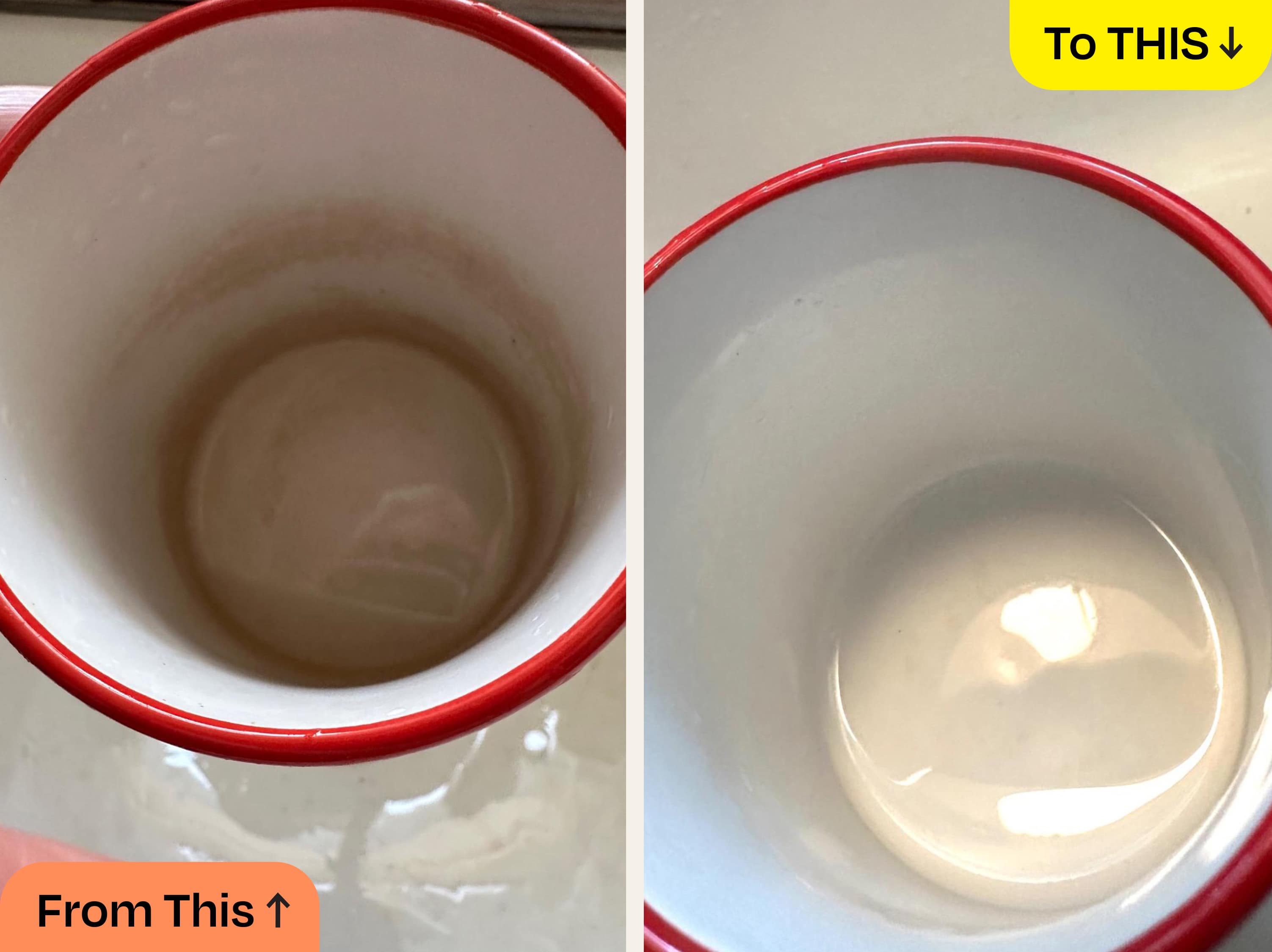
Credit: www.thekitchn.com
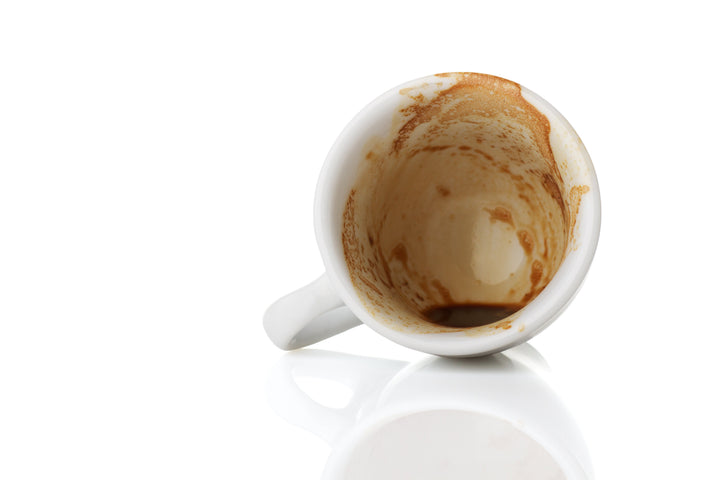
Credit: nelsonwashonline.co.uk
Frequently Asked Questions
How Do You Remove Tea Stains From Cups?
To remove tea stains, use baking soda and water. Make a paste and scrub the stains gently. Rinse thoroughly with warm water. Alternatively, vinegar and salt can be effective. Mix equal parts and scrub the stains. Always rinse well to ensure no residue remains.
Can Lemon Remove Tea Stains Effectively?
Yes, lemon is effective for removing tea stains. Cut a lemon in half and rub it on the stains. Its natural acidity helps break down the stains. Rinse the cup well with warm water afterwards. This method is natural and leaves a fresh scent.
Is Vinegar Safe For Cleaning Tea Stains?
Vinegar is safe and effective for cleaning tea stains. It’s a natural cleaner that breaks down stains easily. Mix vinegar with salt or baking soda for better results. Scrub gently and rinse thoroughly after cleaning. Vinegar is non-toxic and environmentally friendly.
How Often Should I Clean Tea-stained Cups?
You should clean tea-stained cups regularly to prevent buildup. After each use, rinse your cup with warm water. For stubborn stains, deep clean weekly using baking soda or vinegar. Regular maintenance keeps your cups looking fresh and stain-free.
Conclusion
Tea stains on cups can be stubborn but are easy to remove. Use simple household items like baking soda or vinegar. Scrub gently to avoid scratching your cup. Regular cleaning stops stains from building up. A clean cup tastes better and looks nice.
Try these tips to keep your cups fresh. Small steps make a big difference. Enjoy your tea without worrying about stains. Clean cups, happy tea time!