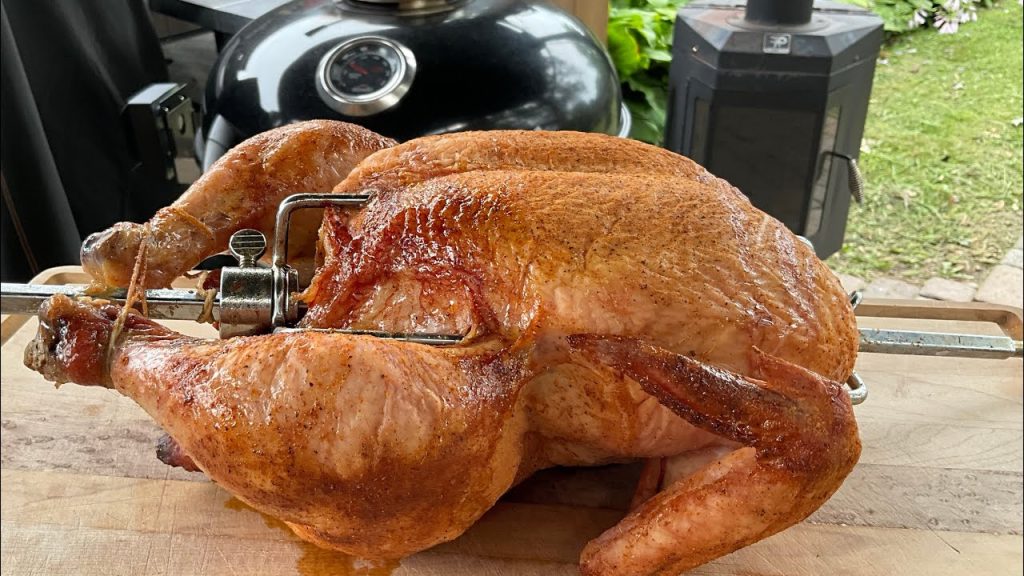
Grilling a whole chicken on charcoal might seem tricky, but it’s easier than you think—and the taste is unbeatable. Imagine biting into juicy, smoky chicken with crispy skin, all cooked right in your backyard.
You don’t need fancy equipment or complicated steps. With the right tips, you’ll impress your family and friends with a delicious meal that’s packed with flavor. Ready to learn how to master this classic grilling skill? Keep reading, and you’ll be grilling like a pro in no time.
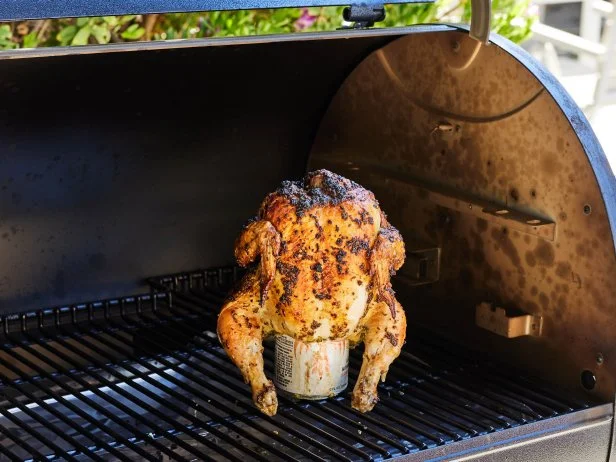
Credit: www.foodnetwork.com
Choosing The Right Chicken
Grilling a whole chicken over charcoal starts with picking the right bird. Your choice affects cooking time and flavor. Understanding different options helps you get the best results.
This guide covers the main factors: whole chickens versus cut pieces, fresh or frozen options, and size considerations.
Whole Vs. Cut Pieces
Choosing between a whole chicken and cut pieces depends on your cooking style. Whole chickens offer even cooking and retain moisture. Cut pieces cook faster and are easier to handle on the grill.
- Whole chicken: cooks slowly, great for even heat
- Cut pieces: cook quicker, good for smaller portions
- Whole chicken: ideal for charcoal grilling to get smoky flavor
- Cut pieces: easier to season individually
Fresh Or Frozen Options
Fresh chicken often has better texture and flavor. Frozen chicken is more convenient and can be stored longer. Thaw frozen chicken safely before grilling to avoid uneven cooking.
| Option | Pros | Cons |
| Fresh Chicken | Better texture, natural flavor | Short shelf life, may be pricier |
| Frozen Chicken | Long storage, usually cheaper | Needs thawing, slight texture change |
Size Considerations
Choose a chicken size that fits your grill and guest count. Smaller chickens cook faster and fit small grills. Larger chickens need more charcoal and cooking time.
- Small (3-4 pounds): cooks in 1 to 1.5 hours, good for 2-3 people
- Medium (4-5 pounds): cooks in 1.5 to 2 hours, serves 4-5 people
- Large (5+ pounds): needs 2+ hours, great for 6 or more
Preparing The Chicken
Grilling a whole chicken on charcoal is a delicious way to enjoy outdoor cooking. Preparing the chicken properly ensures it cooks evenly and tastes great.
Follow these steps to get your chicken ready for the grill. Each step is simple and will help you achieve juicy and flavorful results.
Cleaning And Trimming
Start by cleaning the chicken under cold water. This removes any debris or ice crystals that may be present.
Trim excess fat and remove the giblets if they are inside. This helps the chicken cook more evenly.
- Rinse thoroughly with cold water
- Trim excess skin and fat
- Remove giblets from the cavity
Brining For Juiciness
Brining adds moisture to the chicken, making it juicy. Use a simple solution of water, salt, and sugar.
Let the chicken soak in the brine for several hours. This step is crucial for keeping the meat tender.
| Brine Ingredients | Amount |
| Water | 4 cups |
| Salt | 1/4 cup |
| Sugar | 1/4 cup |
Dry Rub And Marinade Ideas
A dry rub or marinade adds flavor to your chicken. Choose spices that you enjoy, such as paprika, garlic powder, or thyme.
Rub the spices all over the chicken. For best results, let it sit in the fridge for a few hours.
- Paprika for a smoky taste
- Garlic powder for rich flavor
- Thyme for a hint of freshness
Setting Up The Charcoal Grill
Grilling a whole chicken on charcoal takes patience and the right setup. Preparing your grill well helps cook the chicken evenly. You get juicy meat and crispy skin this way.
This guide covers charcoal selection, arranging for indirect heat, and managing airflow and temperature. Follow these steps to set your grill for perfect results.
Charcoal Selection
Choose the right charcoal to maintain steady heat for a long time. Lump charcoal lights faster and burns hotter but unevenly. Briquettes burn longer and give consistent heat.
- Use natural lump charcoal for quick heat and smoky flavor.
- Use briquettes for longer cooking with steady temperature.
- A mix of both can balance heat and cooking time.
- Avoid charcoal with additives or quick-light chemicals.
Arranging For Indirect Heat
Indirect heat cooks the chicken slowly without burning. Arrange the coals to one side or split them on two sides of the grill. Place a drip pan under the chicken to catch fat.
Indirect Heat Setup Example:
| Charcoal Placement | Chicken Placement | Purpose |
|---|---|---|
| Coals on one side | Chicken on opposite side | Slow, even cooking |
| Coals split left and right | Chicken in center | Heat surrounds chicken |
| Drip pan under chicken | N/A | Catches fat and prevents flare-ups |
Managing Airflow And Temperature
Control airflow with the grill vents to keep temperature steady. Open vents increase oxygen, making coals hotter. Close vents to lower heat but don’t shut them fully.
- Start with vents fully open to light charcoal.
- Adjust bottom vents to control heat level.
- Use top vents to release smoke and heat.
- Keep grill lid closed as much as possible.
- Use a thermometer to monitor grill temperature.
Grilling Techniques
Grilling a whole chicken on charcoal adds rich flavor and juicy texture. Proper techniques help cook the bird evenly and safely.
Follow these tips on placing the chicken, turning and basting, and using a drip pan to get the best results.
Placing The Chicken
Place the chicken on the grill with the breast side up. Use indirect heat by arranging hot charcoal to one side. This prevents burning.
Keep the lid closed to hold heat and smoke around the chicken. This helps cook it evenly and adds smoky flavor.
Turning And Basting Tips
Turn the chicken carefully every 20 minutes to cook all sides without drying it out. Use tongs to avoid piercing the meat.
- Baste the chicken with marinade or sauce during each turn.
- Use a brush for even coverage.
- Apply basting in the last 30 minutes to prevent flare-ups.
Using A Drip Pan
A drip pan catches fat and juices. Place it below the chicken to avoid flare-ups and keep the grill clean.
| Benefit | Details |
|---|---|
| Reduces flare-ups | Prevents fat from hitting coals and causing flames |
| Keeps grill clean | Collects drippings for easy disposal |
| Enhances moisture | Juices in pan create steam for juicier chicken |
Monitoring Cooking Progress
Grilling a whole chicken on charcoal needs close attention. Watching the cooking progress helps you get juicy and safe meat.
Checking the chicken often lets you cook it evenly and avoid undercooking or burning.
Checking Internal Temperature
Use a meat thermometer to check the chicken’s inside temperature. Insert it into the thickest part of the thigh.
The safe temperature for cooked chicken is 165°F (75°C). This ensures harmful bacteria are killed.
- Insert thermometer without touching bone
- Check temperature several times during cooking
- Remove chicken once it hits 165°F (75°C)
Signs Of Doneness
Besides temperature, look for visual and texture clues. These signs help confirm the chicken is cooked well.
The juices from the chicken should run clear. Pink or red juices mean it needs more time on the grill.
- Skin should be golden brown and crispy
- Meat near the bone should not be pink
- Chicken should feel firm but not hard
Avoiding Common Mistakes
Avoid mistakes that can ruin your grilled chicken. Watch the heat and check the chicken often.
Do not open the grill too much. This can lower the temperature and lengthen cooking time.
- Don’t cook at too high heat to prevent burning
- Use a clean thermometer to avoid false readings
- Let the chicken rest after cooking for juiciness
- Avoid guessing doneness without a thermometer

Credit: www.youtube.com
Adding Flavor Enhancements
Grilling a whole chicken on charcoal is a delicious way to enjoy smoky flavors. Adding flavor enhancements makes your chicken tastier and more aromatic.
Use different woods, herbs, and sauces to create a rich, complex taste. These simple additions bring out the best in your grilled chicken.
Smoke Wood Options
Choosing the right wood chips or chunks changes the flavor of your chicken. Each type offers a unique taste and aroma while grilling over charcoal.
- Hickory: Strong, bacon-like flavor that adds richness.
- Applewood: Mild and sweet, perfect for a light smoke.
- Cherry: Slightly fruity and sweet, deepens the meat’s color.
- Mesquite: Bold and earthy, use sparingly to avoid bitterness.
- Pecan: Nutty and mild, adds a smooth smoky taste.
Herbs And Aromatics
Fresh herbs and aromatics add layers of flavor to your chicken. You can stuff them inside the cavity or rub them on the skin before grilling.
| Herb/Aromatic | Flavor Profile | How to Use |
|---|---|---|
| Rosemary | Pine-like and earthy | Place sprigs inside the chicken or under the skin |
| Thyme | Herbaceous and slightly minty | Mix with butter or oil for a rub |
| Garlic | Strong and savory | Crush cloves and stuff inside the cavity |
| Lemon | Bright and tangy | Slice and place inside the chicken for fresh aroma |
| Onion | Sweet and pungent | Roast whole or in chunks alongside chicken |
Sauces And Glazes
Sauces and glazes add moisture and extra flavor layers. Brush them on during the last minutes of grilling to avoid burning.
- Barbecue sauce: Sweet, tangy, and smoky; apply near the end.
- Honey mustard glaze: Combines sweetness with a bit of spice.
- Teriyaki sauce: Adds a sweet and salty Asian flavor.
- Garlic butter: Melted butter mixed with garlic and herbs, brushed often.
- Chili glaze: Spicy and sweet, gives a nice kick to the chicken.
Resting And Serving
Grilling a whole chicken on charcoal needs careful resting and serving. These steps help keep the chicken juicy and tasty.
Resting lets the juices settle inside the meat. Serving it right makes your meal more enjoyable.
Resting Time Importance
After grilling, let the chicken rest for 10 to 15 minutes. This stops the juices from running out when you cut it.
Resting also helps the meat stay moist and tender. Cover the chicken loosely with foil to keep it warm.
Carving Tips
Use a sharp knife to carve the chicken. Start by removing the legs and wings for easier serving.
Cut along the joints to keep the meat on the bones. Slice the breast meat against the grain for tender pieces.
- Remove legs by cutting through the joint
- Separate wings at the joint
- Slice breast meat thinly across the grain
- Keep carving smooth and even
Serving Suggestions
Serve the grilled chicken with fresh sides like salads or grilled vegetables. Add a sauce or dip for extra flavor.
Use a large plate or wooden board to arrange the pieces nicely. This makes it easy for guests to pick their favorites.
- Fresh green salad
- Grilled corn or vegetables
- Barbecue sauce or garlic dip
- Warm bread or rice
Safety Tips And Cleanup
Grilling a whole chicken on charcoal is fun and tasty. Safety and cleanup keep you healthy and ready for next time.
Follow simple steps to handle raw poultry, clean the grill, and dispose of charcoal properly.
Handling Raw Poultry Safely
Raw chicken can carry germs that cause sickness. Always wash hands before and after touching it.
Use separate cutting boards and utensils for raw poultry. Do not mix with other foods.
- Keep raw chicken cold until ready to cook
- Wash surfaces with hot, soapy water after use
- Cook chicken to 165°F (74°C) for safety
- Do not reuse marinades used on raw chicken unless boiled
Grill Cleaning Techniques
Clean your grill after each use to remove grease and food bits. This stops flare-ups and keeps food tasty.
Use a stiff wire brush to scrub the grill grates while still warm. This removes stuck-on residue easily.
- Brush the grates before and after cooking
- Use soapy water and a sponge for deep cleaning
- Rinse and dry the grill parts before storing
- Check for rust and replace damaged parts
Charcoal Disposal
Dispose of charcoal safely to avoid fire hazards. Wait until ashes are cool before handling.
Place cold ashes in a metal container with a lid. Keep the container away from buildings and flammable materials.
- Do not dump hot ashes in trash or on grass
- Use water to cool ashes faster if needed
- Store ashes until fully cold before disposal
- Recycle charcoal bags if possible

Credit: www.youtube.com
Frequently Asked Questions
How Long To Grill A Whole Chicken On Charcoal?
Grill a whole chicken on charcoal for about 1 to 1. 5 hours. Maintain indirect heat around 350°F. Turn the chicken occasionally for even cooking. Use a meat thermometer; it’s done at 165°F internal temperature.
What Charcoal Type Is Best For Grilling Chicken?
Natural lump charcoal is best for grilling chicken. It burns hotter and cleaner than briquettes. Lump charcoal adds a smoky flavor that enhances the chicken’s taste. Avoid chemical additives for a pure grilling experience.
How To Prevent Chicken From Drying Out On The Grill?
Marinate the chicken before grilling to retain moisture. Use indirect heat to cook slowly and evenly. Baste the chicken with sauce or oil during grilling. Let the chicken rest before slicing to keep juices inside.
Should You Spatchcock A Chicken For Grilling?
Yes, spatchcocking helps grill chicken evenly and faster. It flattens the bird, exposing more surface area to heat. This method reduces cooking time and ensures crispy skin. It’s easier to manage on a charcoal grill.
Conclusion
Grilling a whole chicken on charcoal brings rich, smoky flavors. It takes patience and care to cook it just right. Keep the heat steady and turn the chicken often. Use a meat thermometer to check for doneness. Rest the chicken before cutting to keep it juicy.
Simple steps lead to delicious results every time. Give it a try and enjoy your tasty grilled meal. Cooking outdoors adds fun and flavor to any day.