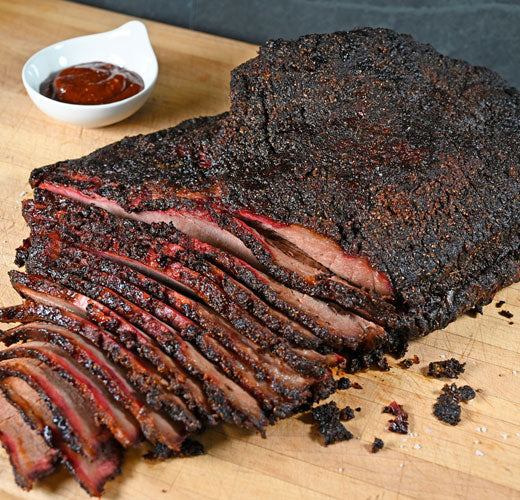
Grilling brisket with charcoal is a skill that can turn your backyard cookouts into unforgettable feasts. If you want tender, smoky meat that melts in your mouth, you need to master the right techniques.
This guide will show you exactly how to control the heat, prepare your brisket, and get that perfect smoky flavor every time. By the end, you’ll have the confidence to impress your friends and family with a brisket that’s bursting with flavor.
Ready to take your grilling game to the next level? Let’s dive in.
Choosing The Right Brisket
Grilling brisket with charcoal starts with picking the right meat. The quality and cut affect taste and texture.
Spend time selecting a brisket that suits your grilling style. This helps you cook a juicy, tender meal.
Selecting Quality Meat
Look for brisket with good marbling. Fat inside the meat adds flavor and keeps it moist during cooking.
Choose fresh meat with a bright red color. Avoid dull or brownish brisket, which may be older.
- Check for even fat distribution
- Pick meat with a firm texture
- Avoid any unpleasant smell
Understanding Brisket Cuts
Brisket has two main parts: the flat and the point. Each cooks differently and has a unique texture.
The flat is leaner and slices well. The point has more fat and is juicier but tougher to cut.
- Flat: thin, lean, good for even slices
- Point: thicker, fatty, great for shredding
Trimming Tips
Trim excess fat to avoid flare-ups on the grill. Leave a thin fat layer to keep meat moist.
Remove silver skin and hard fat. These parts do not break down well during cooking.
- Keep about ¼ inch of fat on top
- Cut away thick hard fat
- Remove silver skin gently with a knife
Preparing The Brisket
Grilling brisket with charcoal starts with good preparation. Proper prep helps the meat cook evenly and taste great.
Focus on seasoning, marinating, and letting the brisket reach room temperature before grilling.
Seasoning And Rubs
Seasoning adds flavor to the brisket’s surface. Use dry rubs with spices like salt, pepper, and paprika.
Apply the rub evenly to cover the entire brisket. Let the rub sit on the meat for at least 30 minutes before cooking.
- Salt helps enhance the natural meat flavor
- Pepper adds a mild heat and earthiness
- Paprika gives a smoky, sweet taste
- Garlic powder boosts savory notes
- Brown sugar can balance spices with sweetness
Marinating Techniques
Marinating brisket can make it tender and juicy. Use a mix of acidic ingredients and spices.
Place the brisket in a sealed bag or container with the marinade. Refrigerate it for 4 to 12 hours.
- Use vinegar or citrus juice for acidity
- Add oil to help flavors stick
- Include herbs like rosemary or thyme
- Use salt to help break down muscle fibers
Bringing Meat To Room Temperature
Take the brisket out of the fridge before grilling. Let it sit at room temperature for 1 to 2 hours.
This step helps the meat cook evenly. Cold meat can cook unevenly and dry out the edges.
- Remove brisket from packaging
- Place on a tray or plate
- Keep it covered to avoid contamination
- Do not leave out longer than 2 hours
Setting Up The Charcoal Grill
Grilling brisket with charcoal needs patience and the right setup. You must prepare your grill correctly to cook the meat slowly and evenly.
Proper setup helps control heat and smoke, which are key for tasty brisket. Let’s look at how to set up your charcoal grill.
Charcoal Selection
Choose high-quality charcoal for steady heat and good flavor. Lump charcoal burns hotter and cleaner than briquettes.
Briquettes burn longer and give a steady temperature, which works well for slow cooking like brisket.
- Lump charcoal: burns hot, adds smoky flavor
- Briquettes: burns steady, lasts longer
- Avoid quick-light charcoal for better taste
Arranging Coals For Indirect Heat
Brisket needs slow cooking with indirect heat. Arrange your coals to one side of the grill.
Place a drip pan on the empty side. This catches fat and stops flare-ups. Put the brisket on the side without coals.
- Light charcoal and let it ash over
- Push coals to one side for indirect heat
- Use a drip pan under the meat
- Place brisket fat side up on the cool side
Managing Airflow And Temperature
Airflow controls how hot your grill gets. Open vents let in oxygen to keep coals burning.
Adjust vents to keep grill temperature between 225°F and 250°F. Close vents to lower heat and open them to raise it.
- Open bottom vents to feed coals oxygen
- Use top vents to release smoke and heat
- Check temperature often with a grill thermometer
- Add more charcoal if temperature drops too low

Credit: www.reddit.com
Smoking And Grilling Process
Grilling brisket with charcoal takes patience and care. The key is to cook it slowly at low heat.
Using smoke adds flavor and helps tenderize the meat. Watching the temperature keeps the brisket juicy.
Maintaining Low And Slow Heat
Keep your charcoal fire small to keep the temperature steady. Aim for around 225°F to 250°F.
- Arrange charcoal on one side for indirect heat
- Use a water pan to keep the air moist
- Add a few coals every hour to keep heat steady
- Control airflow with vents to adjust temperature
Adding Wood Chips For Smoke Flavor
Wood chips create smoke that adds a rich flavor to brisket. Different woods give different tastes.
| Wood Type | Flavor |
| Hickory | Strong and smoky |
| Apple | Sweet and mild |
| Mesquite | Bold and earthy |
| Cherry | Slightly sweet and fruity |
Soak wood chips in water for 30 minutes before adding. Place chips on hot coals or in a smoker box.
Monitoring Internal Temperature
Check the brisket’s temperature often. This tells you when it is done and safe to eat.
- Insert a meat thermometer into the thickest part of the brisket
- Look for 195°F to 205°F for tender, cooked meat
- Rest the brisket for at least 30 minutes before slicing
- Use a clean probe each time to avoid contamination
Wrapping And Resting The Brisket
Wrapping and resting are key steps when grilling brisket with charcoal. These steps help keep the meat juicy and tender.
Proper wrapping stops the brisket from drying out. Resting lets the juices settle inside the meat.
When To Wrap
Wrap the brisket after it reaches an internal temperature of about 165°F (74°C). At this point, the meat has absorbed enough smoke and flavor.
Wrapping speeds up cooking and keeps the brisket moist during the final phase.
Choosing Wrap Materials
Use the right wrap to protect the brisket and keep moisture in. Two common materials are foil and butcher paper.
- Aluminum Foil:Seals tightly, traps steam, and cooks brisket faster.
- Butcher Paper:Breathes slightly, keeps bark firm while locking moisture.
Choose foil for faster cooking and softer bark. Pick butcher paper for a firmer bark with good moisture.
Resting Time And Techniques
Resting lets juices spread evenly inside the brisket. It improves tenderness and flavor.
| Resting Duration | Method | Purpose |
| 30-60 minutes | Keep wrapped in foil or paper | Keep warm and let juices redistribute |
| Up to 2 hours | Place in cooler or insulated container | Hold temperature without overcooking |
Do not cut the brisket too soon. Wait until resting is complete to keep it juicy.
Credit: www.hardcorecarnivore.com
Slicing And Serving
Grilling brisket with charcoal creates rich flavors that many enjoy. After cooking, slicing and serving the meat properly brings out its best taste and texture.
Learn how to cut the brisket the right way, some serving ideas, and tips to store leftovers safely.
Cutting Against The Grain
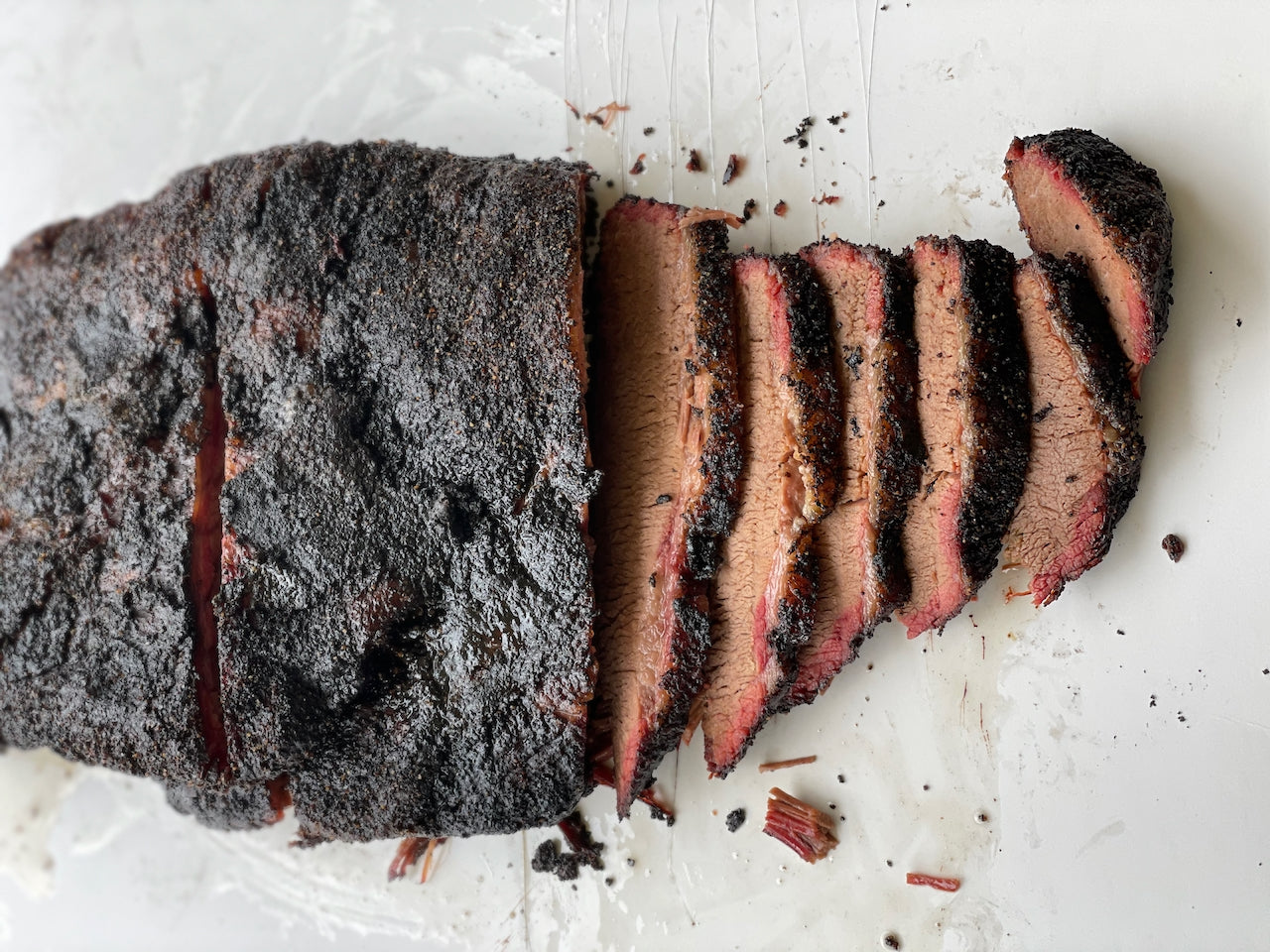
Cutting brisket against the grain makes the meat easier to chew. The grain is the direction the muscle fibers run. Look closely before slicing.
- Identify the grain direction on the brisket surface.
- Use a sharp knife for clean cuts.
- Slice perpendicular to the grain in thin pieces.
- Cut across the whole brisket for even slices.
- Keep the slices uniform for better presentation.
Serving Suggestions
Brisket pairs well with many side dishes. Serve it hot with simple or classic sides to complement the smoky flavor.
| Side Dish | Description |
| Coleslaw | A crunchy, fresh salad that balances rich brisket. |
| Baked Beans | Sweet and savory beans add depth to the meal. |
| Cornbread | Soft and slightly sweet bread to soak up juices. |
| Pickles | Acidic and crisp, they cut through the fat. |
| Grilled Vegetables | Lightly charred veggies add color and flavor. |
Storing Leftovers
Store leftover brisket properly to keep its flavor and avoid waste. Cool it before placing in the fridge or freezer.
- Wrap brisket slices tightly in foil or plastic wrap.
- Place wrapped meat in an airtight container.
- Refrigerate if using within 3 to 4 days.
- Freeze for longer storage, up to 3 months.
- Thaw frozen brisket slowly in the fridge.
Common Mistakes To Avoid
Grilling brisket with charcoal takes time and patience. Avoiding common mistakes helps you get better results. Pay attention to key parts of the process to make your brisket tasty and tender.
This guide covers common errors to avoid when grilling brisket. Fixing these will improve your cooking experience and final taste.
Temperature Fluctuations
Keeping a steady temperature is important for grilling brisket. Charcoal can cause heat to rise and fall quickly. This makes cooking uneven and toughens the meat.
Check the grill temperature often. Use vents to control airflow and heat. Add charcoal slowly to keep the fire steady. Avoid opening the grill too much.
- Use a reliable grill thermometer
- Adjust vents to control heat
- Add charcoal in small amounts
- Keep the lid closed as much as possible
Overcooking Or Undercooking
Cooking brisket too long makes it dry and tough. Cooking it too short leaves it chewy and hard to eat. Both hurt the flavor and texture.
Use a meat thermometer to check the internal temperature. Aim for about 195°F to 205°F for tender brisket. Remove the meat once it reaches this range.
- Monitor temperature with a probe
- Cook low and slow for best results
- Rest the brisket before slicing
- Don’t rush the cooking time
Ignoring Meat Preparation
Skipping prep steps reduces the quality of your brisket. Trimming fat and seasoning properly are important. These steps help the meat cook evenly and taste better.
Trim excess fat but leave a thin layer for moisture. Apply a dry rub or marinade to add flavor. Let the meat sit at room temperature before grilling.
- Trim fat but keep some for juiciness
- Use a simple dry rub for flavor
- Let brisket rest outside fridge before cooking
- Pat meat dry before adding rub
Tips For Enhancing Flavor
Grilling brisket with charcoal can create amazing flavors. The key is to use the right techniques.
Enhancing the flavor of your brisket involves choosing spices, wood, and sauces wisely.
Using Spice Rub Variations
Spice rubs give brisket a burst of flavor. Choose spices that complement the meat.
Try different mixes to find what you like best. You can even make your own blend.
- Use salt and pepper for a classic taste
- Add paprika for a smoky flavor
- Include garlic powder for extra depth
Experimenting With Wood Types
Wood adds a unique aroma to your brisket. Different woods give different flavors.
Experimenting with wood types can change the taste profile of your meat.
- Hickory provides a strong, hearty flavor
- Applewood offers a sweet, mild taste
- Mesquite gives a bold, intense smokiness
Adding Sauce And Glazes
Sauces and glazes enhance brisket with moisture and flavor. Apply them during the last part of grilling.
Choose sauces that complement your spice rub and wood choice.
- Barbecue sauce adds a sweet and tangy taste
- Mustard glaze offers a sharp, zesty flavor
- Honey glaze provides a sweet, sticky coating

Credit: snakeriverfarms.com
Frequently Asked Questions
How Long Does It Take To Grill Brisket With Charcoal?
Grilling brisket with charcoal usually takes 8 to 12 hours. Low and slow cooking at 225-250°F ensures tender meat. Monitor temperature and adjust charcoal as needed for consistent heat.
What Charcoal Type Is Best For Grilling Brisket?
Lump charcoal is preferred for brisket grilling. It burns hotter and cleaner than briquettes. Use hardwood lump charcoal for better flavor and consistent heat during long cooking.
Should I Soak Wood Chips For Charcoal Grilling Brisket?
Soaking wood chips is optional but recommended. Soaked chips produce more smoke and last longer. Add them gradually to charcoal for steady smoky flavor without flare-ups.
How Do I Maintain Temperature When Grilling Brisket?
Maintain temperature by controlling airflow with vents. Add charcoal gradually to keep heat steady. Use a water pan to stabilize temperature and add moisture during cooking.
Conclusion
Grilling brisket with charcoal takes time and patience. Keep the heat steady and the smoke low. Use a good rub and let the meat rest. Watch the temperature closely for best results. The effort brings out deep, smoky flavors. Enjoy the process as much as the meal.
Great brisket is worth every careful step. Try it again to improve your skills. Simple steps lead to tasty, tender meat. Your next barbecue can be truly special.