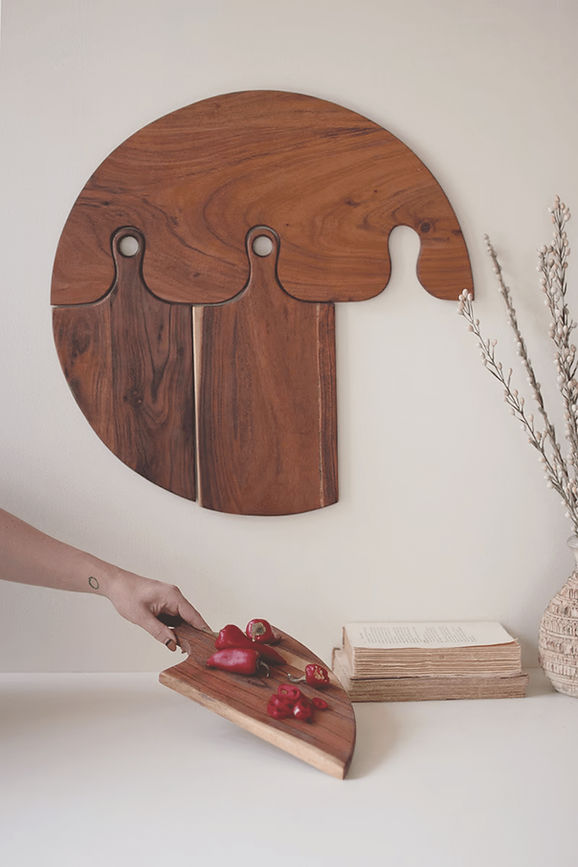
Are you tired of cluttered kitchen counters and searching for a smart way to store your cutting boards? Hanging your cutting boards on the wall is a simple trick that can save space and keep your kitchen looking neat.
Imagine having your boards right where you need them, easy to grab and put away. In this guide, you’ll discover easy steps to hang your cutting boards safely and stylishly. Keep reading—you’ll be surprised how a small change can make a big difference in your kitchen’s organization and feel.
Choosing The Right Cutting Boards
Hanging cutting boards on the wall saves space and adds style to your kitchen. Picking the right boards matters for both function and look.
Think about the material, size, and design before you hang your cutting boards. This guide helps you choose wisely.
Materials That Work Best
Wood and bamboo are popular for hanging cutting boards. They look warm and natural on the wall. Plastic boards are light but may not look as nice.
- Wood:Strong, lasts long, and looks classic.
- Bamboo:Eco-friendly, light, and resists water.
- Plastic:Easy to clean, but less decorative.
- Composite:Durable and modern in style.
Sizes And Shapes To Consider
Choose boards that fit your wall space and kitchen style. Mix shapes and sizes to create a balanced look.
| Size | Best Use | Wall Space Needed |
| Small (under 12″) | Chopping herbs, quick tasks | Minimal |
| Medium (12″-18″) | Everyday chopping | Moderate |
| Large (over 18″) | Slicing bread, big veggies | More space |
| Round or Odd Shapes | Decorative and unique | Depends on shape |
Boards That Double As Decor
Some cutting boards have pretty patterns or colors. Use these to add charm to your kitchen walls. Hanging them makes the space feel warm.
Tips for Decor Boards:
- Look for unique wood grains or inlays
- Choose boards with painted or engraved designs
- Mix plain boards with decorative ones for contrast
- Use hooks or leather straps to hang them stylishly
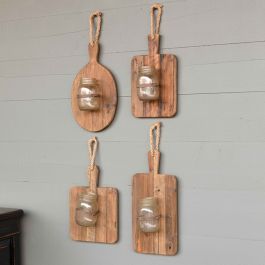
Credit: www.antiquefarmhouse.com
Selecting Wall Space
Hanging cutting boards on the wall saves counter space. It also adds a nice look to your kitchen.
Choosing the right wall space is important. It helps keep your boards easy to reach and safe.
Ideal Locations In The Kitchen
Pick walls near your food prep areas. This makes cutting boards quick to grab and use.
Avoid walls too close to the stove or sink. Heat and water can damage the boards over time.
- Near the countertop or chopping area
- Away from heat sources like ovens
- Dry spots away from sinks and dishwashers
Assessing Wall Strength
Make sure the wall can hold the weight of your cutting boards. Some boards are heavy and need strong support.
Use a stud finder to locate studs behind drywall. Studs provide the best support for hanging items.
- Check for wall studs with a stud finder
- Use proper hooks or anchors for drywall
- Test the weight before hanging all boards
Balancing Function And Style
Choose a spot that looks good and works well. The boards should be easy to reach and fit the kitchen style.
Arrange boards by size or shape for a neat look. Mixing wood tones can add visual interest.
- Place boards within arm’s reach of prep areas
- Organize by size or wood type
- Keep space around boards for easy removal
Mounting Options For Cutting Boards
Hanging cutting boards on the wall saves space and keeps your kitchen organized. There are several ways to mount cutting boards safely and attractively.
This guide covers three common mounting options. Choose the one that fits your kitchen style and cutting board size.
Using Hooks And Pegs
Hooks and pegs are simple tools to hang cutting boards on the wall. You can use S-hooks or wooden pegs depending on your board’s design.
- Install sturdy hooks or pegs on a wooden strip or directly on the wall.
- Make sure the hooks fit the hole or handle of the cutting board.
- Space hooks evenly to avoid crowding and allow air circulation.
- Use wall anchors for heavy boards to secure the hooks firmly.
Installing Shelves
Shelves provide a flat surface to rest your cutting boards. This method works well for boards without hanging holes.
| Type of Shelf | Best For | Notes |
| Floating Shelf | Modern kitchens | Minimalist look, no visible brackets |
| Wall-mounted Shelf with Lip | Boards that slide easily | Lip prevents boards from falling |
| Tiered Shelf | Multiple boards | Keeps boards separated and easy to access |
Make sure shelves are strong and level. Use screws and anchors suitable for your wall type.
Magnetic Strips And Rails
Magnetic strips hold cutting boards with metal parts or embedded magnets. Rails can also secure boards by clipping or resting them.
Advantages of magnetic strips:
- Keep boards visible and easy to grab
- Save counter and shelf space
- Work best with metal or magnetic inserts
Use strong magnets and install the strip on a clean, sturdy wall.
Preparing Cutting Boards For Hanging
Hanging cutting boards on the wall saves space and shows off your kitchen style. Before hanging, prepare your boards carefully to keep them safe and looking good.
Proper preparation includes adding hardware, cleaning the board, and protecting both the wall and the board. Follow these steps to get ready.
Adding Hanging Hardware
Choose the right hardware to hang your cutting board securely. You can use hooks, sawtooth hangers, or D-rings based on the board size and weight.
Attach the hardware firmly to the back of the board. Make sure it is centered and balanced for safe hanging.
- Use screws for heavy boards
- Choose adhesive hooks for lightweight boards
- Place hangers away from the cutting surface
- Test the strength before hanging
Cleaning And Maintenance Tips
Clean your cutting board before hanging to remove dust and stains. Use mild soap and warm water to wash it gently.
Dry the board completely to prevent mold or warping. Regularly clean and oil the board to keep its finish fresh.
- Use food-safe mineral oil for maintenance
- Avoid soaking the board in water
- Wipe off dust regularly when hung
Protecting The Wall And Board
Protect your wall from scratches by adding felt pads or rubber bumpers to the back of the board. This also keeps the board stable.
Keep the board away from direct sunlight and moisture on the wall. This helps prevent damage to both the board and the wall surface.
- Attach small rubber bumpers to corners
- Hang boards in dry, shaded areas
- Check wall anchors for weight support
Creative Display Ideas
Hanging cutting boards on the wall can add charm to your kitchen. It also saves space and keeps boards within reach.
Try different ways to display cutting boards to make your kitchen look lively. Use shapes, colors, and themes for a unique look.
Arranging By Size And Color
Sort your cutting boards by size to create balance on the wall. Place larger boards at the bottom and smaller ones on top.
Use color to add interest. Mix light and dark wood tones or paint some boards in soft colors for contrast.
- Group boards from largest to smallest
- Alternate colors for a patterned look
- Use similar shapes for neatness
Mixing With Other Kitchen Tools
Combine cutting boards with other kitchen tools on the wall. This creates a useful and decorative display.
Hang items like wooden spoons, metal whisks, or small pots near the boards. This adds texture and function.
- Use hooks or pegboards for easy hanging
- Mix materials like wood and metal
- Keep tools within arm’s reach for cooking
Seasonal And Themed Displays
Change your cutting board display to match seasons or holidays. This keeps your kitchen fresh and festive.
Add small decorations like dried herbs for fall or fresh flowers for spring. Use themed colors to highlight events.
- Use red and green boards for Christmas
- Add orange leaves for autumn
- Place pastel boards with flowers in spring
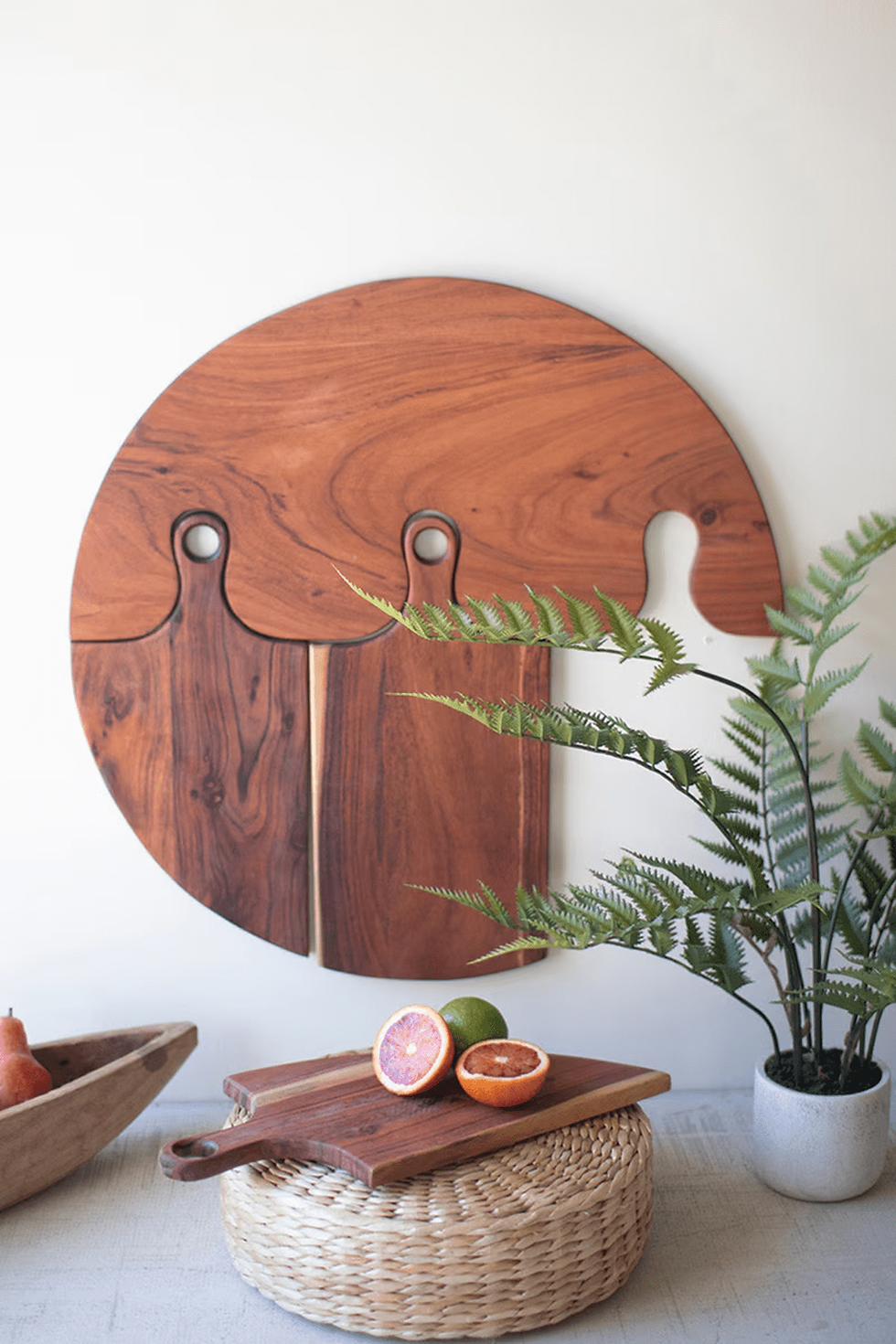
Credit: www.healthierhomes.com
Safety And Practical Considerations
Hanging cutting boards on the wall saves space and looks neat. It also keeps them within easy reach.
To do this safely, consider the weight, support, and how to avoid damage. Proper planning helps protect your boards and walls.
Weight Limits And Support
Cutting boards can be heavy, especially large or thick ones. Make sure the wall and hooks can hold the weight.
Use sturdy hooks or brackets designed for heavy items. Check the packaging for weight limits before buying.
- Use wall anchors for drywall to increase strength
- Install hooks into studs for best support
- Distribute weight evenly if hanging multiple boards
Easy Access And Convenience
Place cutting boards where you can grab them quickly. Avoid high or hard-to-reach spots.
Organize boards by size or use. This saves time and keeps your kitchen tidy.
- Hang boards near the prep area for quick use
- Keep frequently used boards at eye level
- Use labels or color codes for easy identification
Avoiding Damage To Boards And Walls
Use soft materials between boards and hooks to prevent scratches. Avoid metal hooks that can dent wood.
Protect walls by using proper anchors and avoid overloading. Check boards often for wear or cracks.
- Use felt or rubber pads on hooks
- Choose wall anchors that fit your wall type
- Do not hang wet boards to prevent mold and damage

Credit: www.shutterstock.com
Frequently Asked Questions
How Do You Hang Cutting Boards On A Wall?
To hang cutting boards on a wall, use hooks, nails, or a mounted rack. Ensure they are securely fastened to support the board’s weight. Choose a spot away from moisture to maintain their quality and longevity. This method saves space and adds a decorative element to your kitchen.
What Tools Are Needed To Hang Cutting Boards?
You’ll need a drill, screws or nails, and wall anchors. A level ensures proper alignment. Hooks or a hanging rack can also be helpful. These tools provide a sturdy and reliable way to display cutting boards, enhancing kitchen organization and aesthetics.
Can Heavy Cutting Boards Be Hung Safely?
Yes, heavy cutting boards can be hung safely with proper tools. Use heavy-duty hooks or wall anchors to support the weight. Ensure they’re securely fastened to the wall. This prevents accidental falls and keeps your kitchen space organized and stylish.
Where Should I Hang My Cutting Boards?
Hang cutting boards in a dry, accessible spot away from direct sunlight. Ideal locations include above the countertop or near the stove. This keeps them handy for cooking tasks. Ensure the wall can support the board’s weight for safety and convenience.
Conclusion
Hanging cutting boards on the wall saves space and adds charm. Choose the right hooks or racks for your boards. Measure carefully to keep everything level and secure. This simple step keeps your kitchen neat and organized. Enjoy easy access to your cutting boards while cooking.
A tidy kitchen makes cooking more fun and efficient. Try these tips to improve your kitchen setup today.