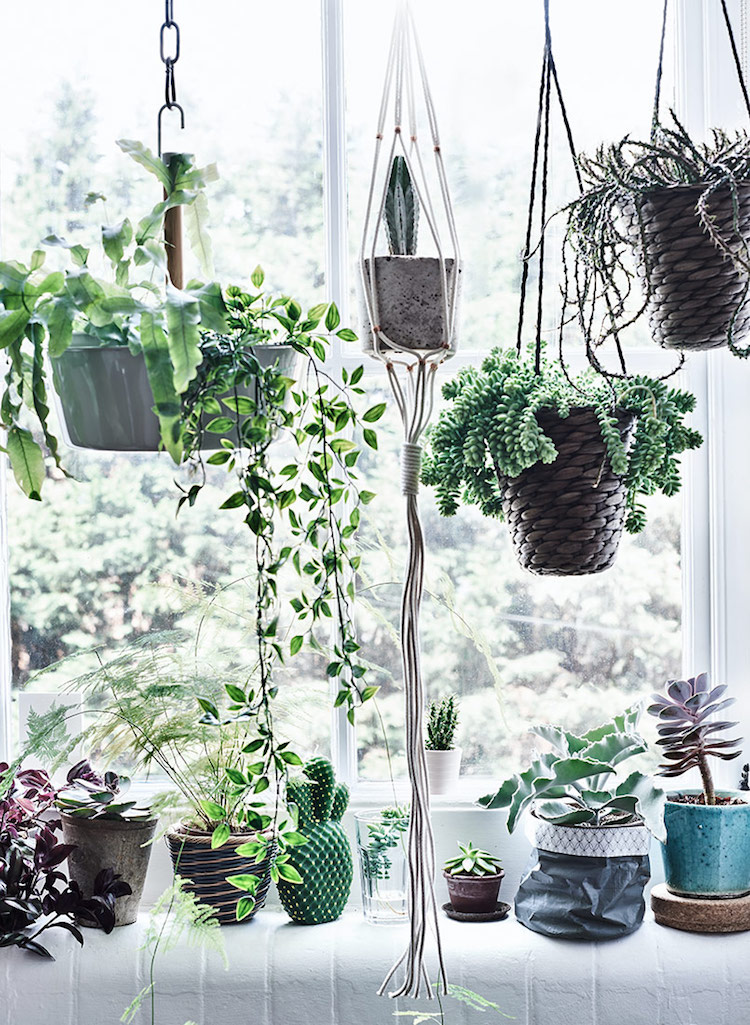
Looking to add a fresh, green touch to your living space without taking up floor space? Hanging planters on your wall is a simple and stylish way to bring nature indoors.
But you might be wondering, how do you hang them securely and beautifully? You’ll discover easy steps and clever tips that make hanging planters a breeze—even if you’ve never done it before. By the end, you’ll have the confidence to transform any blank wall into a vibrant garden that brightens your home and lifts your mood.
Ready to get started? Let’s dive in!
Choosing The Right Planters
Hanging planters on your wall can add a fresh look to any space. Picking the right planters is key to a good display.
You want planters that fit your style and hold your plants safely. This guide helps you choose the best ones.
Materials And Styles
Planters come in many materials like ceramic, metal, and wood. Each has a different look and feel.
Some styles are modern and sleek, while others are rustic or vintage. Choose a style that fits your room.
- Ceramic planters look smooth and clean
- Metal planters add a cool, industrial vibe
- Wood planters bring warmth and nature inside
- Fabric planters offer a soft and casual look
Size And Weight Considerations
Pick planters that match the size of your plants. Big plants need bigger planters with more soil.
Think about the weight too. Heavy planters need strong hooks and wall anchors for safety.
- Small planters work well for herbs and succulents
- Large planters fit bigger plants like ferns or vines
- Lightweight planters reduce strain on walls
- Check wall strength before hanging heavy pots
Matching Your Decor
Your planters should blend well with your room’s colors and style. This makes the space look neat and planned.
Use planters to add color or texture that matches your furniture and walls.
- Neutral planters fit almost any decor
- Bright planters add fun pops of color
- Natural materials suit rustic or boho rooms
- Simple styles work well in modern homes
Selecting The Best Wall
Hanging planters on walls can add charm to your space. The right wall choice ensures your plants thrive and the display looks great.
Consider factors like wall strength and exposure to sunlight. These elements affect how well your planters will do.
Indoor Vs Outdoor Walls
Indoor and outdoor walls offer different benefits. Indoor walls are protected from harsh weather. Outdoor walls provide natural sunlight.
Think about where your plants grow best. Indoor walls need more care with lighting and temperature.
- Indoor walls: Control environment better
- Outdoor walls: Use natural light and rain
Checking Wall Strength
Wall strength is crucial for heavy planters. Ensure your wall can support the weight. Check for solid materials like brick or wood.
Some walls may need extra support. Use anchors or brackets for better stability.
- Brick walls: Strong and durable
- Drywall: Needs anchors for support
Sunlight And Airflow
Plants need sunlight and air to grow. Choose walls with good exposure to both. Too much sunlight can harm some plants.
Ensure air can circulate around your planters. This prevents mold and keeps plants healthy.
- East-facing walls: Morning sun, cooler afternoons
- South-facing walls: More sun, ideal for sun-loving plants
Tools And Supplies Needed
Hanging planters on a wall requires some basic tools and supplies. Getting these ready will make your work easier and safer.
Below are the main groups of items you will need for this project.
Mounting Hardware
You need the right mounting hardware to hold your planters safely on the wall. The choice depends on your wall type and planter weight.
- Screws or nails strong enough to hold the planter
- Wall anchors for drywall or plaster walls
- Hooks or brackets designed for hanging planters
- Washers to spread the load and protect the wall
- Drill bits matching the screw size
Measuring Tools
Correct measurements help you place planters evenly and at the right height. Use these tools to measure and mark your wall.
| Tool | Purpose |
| Tape measure | Measures distance and height on the wall |
| Level | Keeps planters straight and balanced |
| Pencil | Marks points where you will drill or nail |
| Stud finder | Locates studs behind drywall for secure mounting |
Protective Gear
Safety should come first. Wear protective gear to avoid injuries while hanging planters.
- Safety glasses to protect your eyes from dust and debris
- Work gloves to protect your hands when handling hardware
- Dust mask if drilling creates dust particles
- Closed-toe shoes to protect your feet
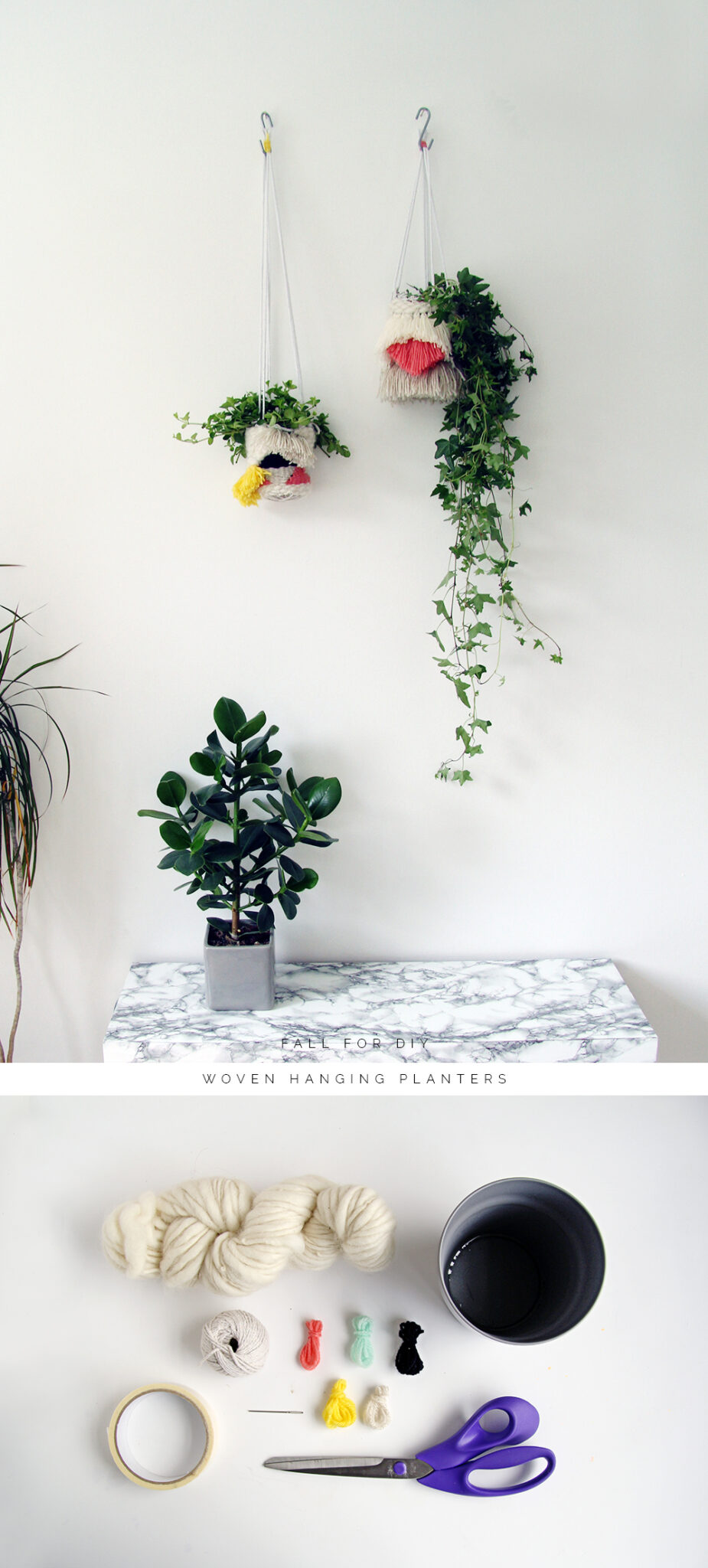
Credit: fallfordiy.com
Mounting Techniques
Hanging planters on walls adds greenery without taking floor space. There are several ways to mount planters safely and stylishly.
This guide covers common mounting techniques you can try at home. Each method suits different planter types and wall materials.
Using Hooks And Brackets
Hooks and brackets provide strong support for hanging planters. Choose the right size and type for your planter weight.
- Use wall anchors for drywall to hold hooks firmly.
- Select metal brackets for heavy or large pots.
- Install hooks at the right height to display plants well.
- Check that hooks are rust-resistant if used outdoors.
Installing Shelves For Planters
Shelves offer a flat surface to place multiple planters. They work well for smaller pots and trailing plants.
| Material | Best Use | Installation Tip |
| Wood | Indoor planters | Use brackets and anchors |
| Metal | Outdoor or heavy planters | Check rust protection |
| Glass | Decorative light pots | Secure with strong brackets |
Macramé And Hanging Planter Options
Macramé hangers add a boho look and are easy to install. They need ceiling hooks or wall anchors for support.
Popular hanging planter styles include:
- Knotted macramé ropes
- Metal chains with hooks
- Wooden hoops with ropes
Plant Selection Tips
Choosing the right plants for wall planters makes your space look beautiful. It also helps plants grow well in small areas.
Think about light, water, and care before picking plants. These tips help you find good options for your walls.
Low-maintenance Plants
Low-maintenance plants need less water and care. They fit well in wall planters and suit busy lifestyles.
- Succulents store water in their leaves.
- Snake plants survive in low light.
- Pothos grow fast with little care.
- Spider plants clean air and are easy to grow.
Plants Suited For Wall Planters
Choose plants that fit the size and shape of wall planters. Consider trailing and compact plants.
| Plant Type | Light Needs | Water Needs |
| String of Pearls | Bright, indirect | Low |
| English Ivy | Medium light | Medium |
| Herbs (Basil, Thyme) | Full sun | Medium |
| Air Plants | Bright, indirect | Low |
Caring For Wall-hung Plants
Wall plants need regular care to stay healthy. Pay attention to watering and light conditions.
- Check soil moisture before watering.
- Rotate planters to spread light evenly.
- Use a spray bottle for humidity.
- Trim dead leaves to keep plants fresh.
Creative Arrangement Ideas
Hanging planters on a wall adds life and color to any room or outdoor space. It also saves floor space and creates a unique look.
Try different arrangements to make your wall garden stand out. Use ideas that fit your style and space.
Grouping And Layering
Group several planters close together to create a bold display. Layer them at different heights for depth and interest.
Use small and large planters in clusters. This makes your arrangement look full and lively.
- Place larger planters at the bottom or center
- Hang smaller planters around to fill gaps
- Use shelves or wall hooks to vary heights
- Overlap plants slightly to create layers
Mixing Plant Types And Textures
Combine different plants to add texture and color. Mix leafy plants with flowers or succulents for variety.
Use plants with different leaf shapes and sizes. This makes your planter wall more interesting and natural.
- Pair trailing plants with upright ones
- Use smooth and fuzzy leaf textures together
- Add flowering plants for pops of color
- Include succulents for unique shapes
Seasonal And Themed Displays
Change your planters to match the season or a theme. This keeps your space fresh and fun all year.
Use colorful flowers in spring, green plants in summer, and warm tones in fall. Add decorations for holidays or special events.
- Spring: tulips, daisies, pastel pots
- Summer: bright flowers, tropical plants
- Fall: orange and red leaves, pumpkins
- Winter: evergreens, pine cones, lights
Maintenance And Safety
Hanging planters on walls adds beauty to your space. Proper care keeps plants healthy and walls safe.
Follow simple tips to maintain your wall planters and avoid damage or accidents.
Watering Techniques
Water plants carefully to avoid spills and water damage on your walls. Use a watering can with a narrow spout for control.
- Water plants slowly to let soil absorb water fully
- Use drip trays under planters to catch extra water
- Check moisture levels before watering to prevent overwatering
- Consider self-watering planters to reduce spills
Preventing Wall Damage
Protect walls from moisture and stains by using barriers and choosing the right mounting method.
| Method | Benefit |
| Use waterproof liners | Stops water from reaching the wall |
| Mount planters with hooks or brackets | Distributes weight and prevents wall cracks |
| Seal wall surface | Protects paint and plaster |
| Place felt pads behind planters | Prevents scratches and marks |
Regular Checks And Upkeep
Inspect your hanging planters often. Check for loose hooks and plant health to ensure safety and beauty.
- Check hooks and brackets for tightness
- Look for water stains or damage on walls
- Trim dead leaves to keep plants healthy
- Clean drip trays regularly to prevent mold

Credit: ca.umbra.com
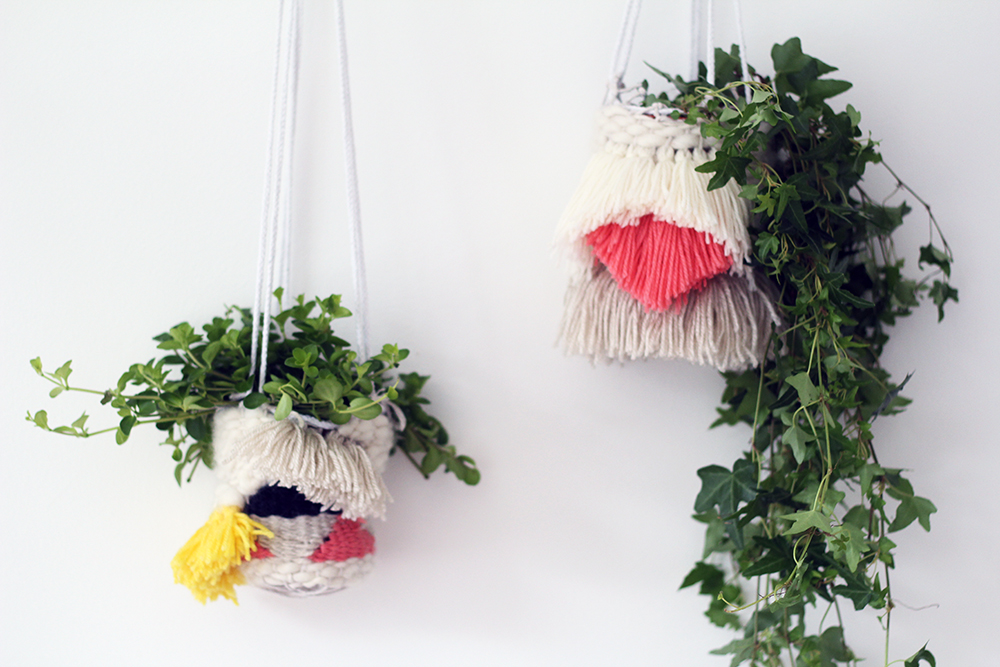
Credit: fallfordiy.com
Frequently Asked Questions
What Tools Are Needed To Hang Planters On Walls?
You need a drill, screws, wall anchors, a level, and a measuring tape. These tools ensure secure and straight planter installation.
Which Wall Types Support Hanging Planters Best?
Stud walls and brick walls support hanging planters well. Drywall requires anchors to hold planter weight safely.
How Much Weight Can Wall Planters Hold?
Weight capacity depends on wall type and anchors used. Generally, small planters hold 5-10 pounds safely.
Can I Hang Planters Without Drilling Holes?
Yes, use adhesive hooks or hanging strips for lightweight planters. Avoid heavy planters without secure support.
Conclusion
Hanging planters on your wall adds beauty and space to any room. Choose the right tools and spot before you start. Secure the planter well for safety and stability. Experiment with different heights and styles for a fresh look. Enjoy the greenery and fresh air inside your home.
Small steps create a big change in your decor. Start today and see how plants brighten your walls and mood.