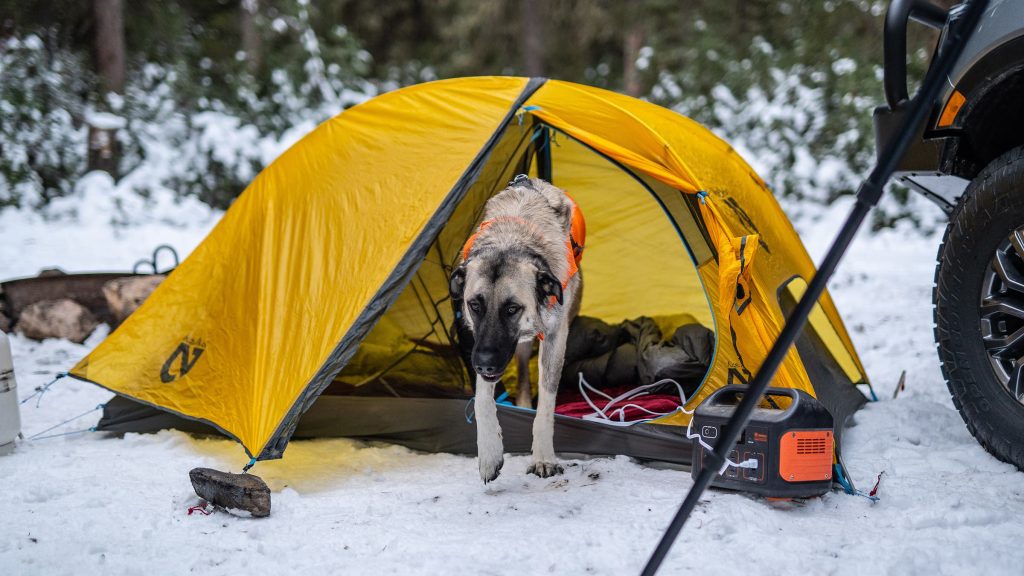
When winter camping, staying warm inside your tent can be a real challenge. You don’t want cold nights to cut your trip short or make you miserable.
But how do you heat a tent safely and effectively without risking your comfort or safety? If you’ve ever shivered under layers of blankets or worried about freezing temperatures, this guide is for you. Keep reading, and you’ll discover simple, practical ways to keep your tent cozy, so you can enjoy every moment of your winter adventure.
Choosing The Right Tent
Heating a tent in winter depends a lot on the type of tent you choose. A good tent can keep you warmer and safer. The right tent helps keep cold wind and snow outside.
Before you buy a tent for winter camping, think about its design and materials. These factors affect how well the tent holds heat.
Four-season Vs. Three-season Tents
Four-season tents are made for harsh weather. They handle snow, strong wind, and cold temperatures well. Three-season tents suit milder weather and light rain.
- Four-season tents use stronger poles and thicker fabric.
- They have less mesh to block cold air.
- Three-season tents have more mesh for ventilation.
- Three-season tents are lighter but less warm.
- Four-season tents are heavier but offer more protection.
Insulation And Material Considerations
Material and insulation affect how warm your tent stays. Look for fabrics that block wind and keep heat inside. Some tents have extra layers for warmth.
| Material | Benefit | Consideration |
| Ripstop Nylon | Lightweight and durable | Less insulation |
| Polyester | Resists water and UV rays | Moderate insulation |
| Canvas | Good insulation and breathability | Heavy and needs care |
| Double-wall design | Improves insulation | More weight and bulk |
| Single-wall design | Lighter and simpler | Less insulation |

Credit: www.reddit.com
Effective Tent Placement
Placing your tent well helps keep it warm during winter. The right spot blocks cold wind and cold air. This makes your tent warmer and more comfortable.
Knowing where to set your tent is key. Look for places that protect you from wind and cold air. This guide shows how to find these spots.
Finding Natural Windbreaks
Natural windbreaks stop cold wind from hitting your tent. Trees, bushes, and rocks can block the wind. Place your tent near these features to stay warmer.
Check the wind direction before you set up. Put the tent where the wind hits the natural barrier first. This keeps wind from blowing inside your tent.
- Look for dense trees or bushes
- Use large rocks or cliffs as shields
- Face the tent door away from the wind
- Avoid open areas with no barriers
Avoiding Low-lying Cold Spots
Cold air sinks to low spots like valleys and ditches. These spots feel colder at night. Avoid setting your tent in these places to stay warm.
Find higher ground or flat areas. These spots have better air flow and less cold air buildup. This helps keep your tent warmer in winter.
- Stay off hillsides that are too steep
- Choose flat or gently sloping ground
- Avoid areas where water collects
- Check for frost or ice as signs of cold spots
Insulating Your Tent
Keeping your tent warm in winter means stopping cold air from coming in. Good insulation helps you stay comfortable and safe. Use simple materials to add extra warmth inside your tent.
This guide covers two easy ways to insulate your tent: using ground pads and rugs, and adding reflective blankets.
Using Ground Pads And Rugs
Placing ground pads and rugs inside your tent stops cold from the ground. These layers keep your sleeping area warm and dry. Choose thick pads or rugs that trap heat well.
- Use foam or inflatable sleeping pads under your sleeping bag.
- Cover the tent floor with rugs or carpets.
- Choose materials that do not absorb moisture.
- Layer pads and rugs for better insulation.
- Keep the area clean and dry to avoid mold.
Adding Reflective Blankets
Reflective blankets reflect your body heat back to you. They are thin but work well as an extra layer inside the tent. Use them on walls or under your sleeping area.
| How to Use | Benefits |
| Line tent walls with reflective blankets | Blocks cold air and traps heat |
| Place under sleeping bag or pads | Reflects body heat upward |
| Cover yourself partially inside the tent | Adds an extra warm layer |
| Use multiple layers if possible | Increases insulation effect |

Credit: www.youtube.com
Safe Heating Methods
Keeping your tent warm in winter is important for comfort and safety. Using safe heating methods helps avoid accidents and keeps the air fresh inside.
Below are safe ways to heat your tent without risking fire or carbon monoxide poisoning.
Portable Propane Heaters
Portable propane heaters are popular for camping. They provide good heat but need careful use. Always use heaters made for indoor or tent use.
- Keep a window slightly open for ventilation.
- Place the heater on a flat, stable surface away from flammable materials.
- Never leave the heater on while you sleep.
- Check the propane tank and connections for leaks before use.
Electric Tent Heaters
Electric heaters are safer as they do not burn fuel. They need a power source, such as a generator or campsite electricity.
| Type | Power Source | Safety Tips |
| Ceramic Heater | Electricity | Do not cover; keep clear of water. |
| Oil-Filled Radiator | Electricity | Place on a stable surface; avoid tipping. |
| Infrared Heater | Electricity | Keep away from flammable materials. |
Using Hot Water Bottles
Hot water bottles provide safe, gentle heat without electricity or fuel. They are good for warming your sleeping bag or bed area.
- Fill the bottle with hot water before going to bed.
- Use a cover to avoid burns from direct contact.
- Place the bottle inside your sleeping bag or near your feet.
- Refill as needed but avoid boiling water to prevent damage.
Ventilation Tips
Keeping your tent warm in winter needs good ventilation. This helps manage moisture and keep fresh air inside.
Proper ventilation stops the build-up of stale air. It also helps with preventing condensation.
Preventing Condensation
Condensation can make your tent cold and wet. Good ventilation stops this by letting moisture escape.
Open tent vents or windows slightly. This allows moist air to leave the tent.
- Use a tent with built-in vents
- Keep wet items outside the tent
- Set up the tent away from water sources
Maintaining Fresh Air Flow
Fresh air flow is important for staying comfortable. It keeps the air inside your tent fresh and breathable.
Make sure there is a steady flow of air. This can be done by keeping vents open.
- Open vents on opposite sides for cross ventilation
- Keep the tent entrance slightly open
- Use a small battery fan for better air circulation
Sleeping Gear For Warmth
Staying warm inside a tent in winter is key to a good night’s sleep. Your sleeping gear plays a big role in keeping heat in and cold out.
Choosing the right sleeping bag and wearing the right clothes help you stay cozy in cold weather.
Choosing The Right Sleeping Bag
Pick a sleeping bag made for cold weather. Look for bags with good insulation and a shape that keeps heat close to your body.
Down bags are light and warm. Synthetic bags keep you warm even if they get wet.
- Check the temperature rating on the bag label
- Choose a mummy shape for better heat retention
- Use a sleeping pad under the bag to block cold from the ground
- Look for bags with draft collars and hoods
Layering With Thermal Clothing
Wear layers of thermal clothing to keep your body heat trapped. Thin layers work better than one thick layer.
Start with a moisture-wicking base layer. Add a warm middle layer like fleece. Avoid cotton because it traps moisture.
- Base layer: wool or synthetic fabric
- Middle layer: fleece or insulated jacket
- Wear a hat and socks to keep extremities warm
- Keep clothes dry to stay warm
Additional Warmth Strategies
Keeping a tent warm in winter takes more than just a good sleeping bag. Using extra methods helps stay cozy and safe. This guide shares two ways to add warmth inside your tent.
Follow these tips to make your winter camping more comfortable and secure. Always think about safety first when adding heat inside a tent.
Cooking Inside The Tent Safely
Cooking inside a tent can warm the space but also brings risks. Use only equipment made for indoor use. Keep all flames away from fabric and gear. Always have ventilation to avoid gas buildup.
- Use a small, safe stove designed for tents.
- Keep a window or vent open for fresh air.
- Place stove on a stable, heat-resistant surface.
- Never leave cooking unattended.
- Store fuel outside the tent.
Using Body Heat Efficiently
Body heat is a natural way to stay warm. Sharing a sleeping area with a friend or using insulated clothing helps keep heat close. Layering clothes traps heat inside.
| Method | How it Helps |
| Sharing sleeping bags | Combines body heat for extra warmth |
| Wearing a hat | Prevents heat loss from the head |
| Layered clothing | Traps heat between layers |
| Using insulated mats | Keeps cold from the ground away |
| Keeping dry | Wet clothes lose heat quickly |
Credit: cosycamp.com.au
Frequently Asked Questions
How Can I Safely Heat A Tent In Winter?
Use a tent-safe heater designed for indoor use. Ensure proper ventilation to avoid carbon monoxide buildup. Never leave heaters unattended. Follow manufacturer instructions strictly to prevent fire hazards and maintain warmth effectively.
What Are The Best Portable Heaters For Tents?
Propane catalytic heaters and electric tent heaters are popular choices. They provide steady heat and are compact. Choose models with safety features like automatic shut-off and tip-over protection for safe winter camping.
How Do I Insulate My Tent For Winter Warmth?
Use insulated sleeping pads and thermal blankets inside the tent. Add a tent footprint or tarp underneath for ground insulation. Hang a reflective blanket on tent walls to retain heat efficiently.
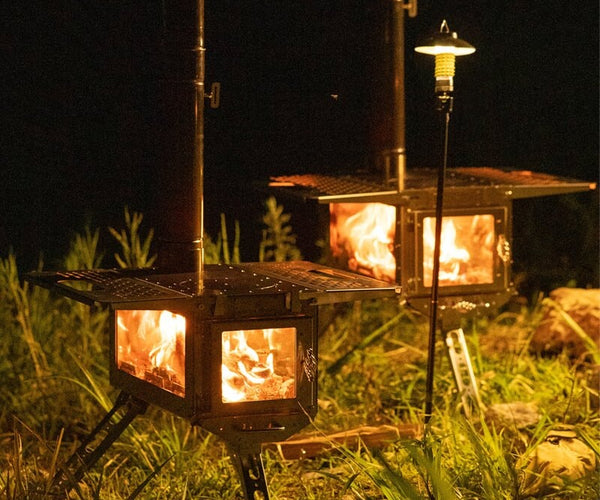
Can I Use A Wood Stove To Heat My Tent?
Yes, but only with a proper tent wood stove designed for camping. Ensure the stove pipe is safely vented. Follow safety guidelines to prevent fire risks and carbon monoxide poisoning.
Conclusion
Keeping your tent warm in winter takes planning and care. Use safe heating tools and good insulation. Close all openings to keep heat inside. Dress in layers and use warm sleeping bags. Always check for safety to avoid accidents. A warm tent makes winter camping much more fun.
Stay cozy, stay safe, and enjoy the cold outdoors. Small steps make a big difference in comfort. Your winter camping trips can be warm and memorable.