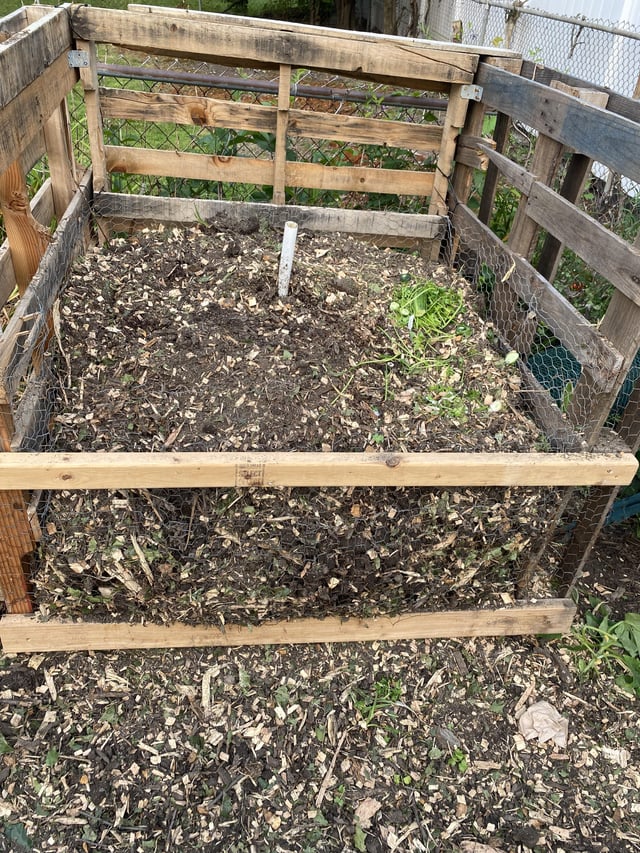
Are you struggling to get your compost bin warm and active? A cold compost pile can be frustrating, slowing down the natural process of turning kitchen scraps and yard waste into rich, healthy soil.
But don’t worry—heating up your compost bin is easier than you think. You’ll discover simple, effective steps to jumpstart the heat inside your bin, speeding up decomposition and helping you create nutrient-packed compost faster. Keep reading, and you’ll soon turn your compost pile into a hotbed of life and energy!
Choosing The Right Location
Choosing the right location for your compost bin helps it heat up faster. Heat speeds up the breakdown of waste into rich compost. Picking a good spot is important.
The location affects sunlight, wind, and how easy it is to use your compost bin. These factors help keep your compost warm and active.
Sunlight Exposure
Sunlight helps warm the compost bin naturally. Choose a spot that gets plenty of sun during the day. This will raise the temperature inside the bin.
A location with morning or afternoon sun works best. Avoid deep shade because it keeps the bin cool and slows composting.
- Place the bin where it gets at least 4-6 hours of sun
- South or west-facing areas get the most light
- Avoid shady spots near large trees or buildings
Shelter From Wind
Wind can cool down your compost bin quickly. Pick a spot that blocks strong winds but still allows air flow. This keeps the bin warm and aerated.
Good wind protection helps keep heat inside the bin. You can use fences, bushes, or walls as natural windbreaks.
- Avoid open, windy areas
- Place the bin near a wall or fence
- Use shrubs or plants to block wind gently
Accessibility
Place the compost bin where you can reach it easily. You need to add materials and turn the compost often. Easy access makes this simple.
Keep the bin near your garden or kitchen. This helps you add scraps and monitor the compost regularly to keep it warm.
- Choose a spot close to your kitchen or garden
- Make sure there is space to turn the compost
- Keep the area clear and easy to walk around
Selecting Materials To Boost Heat
Heating up a compost bin is essential for breaking down materials quickly. Choosing the right materials can boost heat levels effectively.
By selecting the proper ingredients, you can create a thriving environment for decomposition. Let’s explore what materials to use.
High Nitrogen Ingredients
High nitrogen ingredients are crucial for heating up a compost bin. They provide the necessary nutrients for microorganisms.
- Grass clippings add quick nitrogen
- Kitchen scraps like fruit peels provide moisture
- Coffee grounds enrich with nitrogen
Balancing Carbon Sources
Carbon sources balance the compost and help maintain structure. They prevent the pile from becoming too dense.
Examples include dried leaves and twigs, which are easy to find. Mix them with nitrogen-rich materials for best results.
Using Fresh Greens
Fresh greens are excellent for raising compost temperature. They decompose quickly and release heat.
- Fresh cut grass adds immediate heat
- Vegetable scraps are nutrient-rich
- Garden trimmings promote aeration
Managing Moisture Levels
Keeping the right moisture in your compost bin helps it heat up and break down materials. Too dry or too wet can slow the process.
Good moisture balance supports the microbes that create heat and turn waste into compost.
Ideal Moisture Range
The compost should feel like a wrung-out sponge. It is moist but not dripping water.
This moisture level helps microbes work well and keeps the compost warm.
- Too dry stops microbe activity
- Too wet creates bad smells
- Perfect moisture keeps heat inside
Watering Techniques
Water the compost bin evenly to keep moisture balanced. Use a gentle spray or watering can.
Check moisture by squeezing a handful of compost. Add water little by little if it feels dry.
- Spray water over the top and sides
- Mix compost after watering for even moisture
- Water in the morning or evening to reduce evaporation
Avoiding Overwatering
Too much water fills air spaces and slows down heating. It can cause bad smells and rot.
Stop watering if water pools at the bottom or compost feels soggy. Turn the pile to dry it out.
- Watch for puddles inside the bin
- Turn compost to add air and help dry
- Add dry materials like leaves or straw to absorb water
Optimizing Aeration
Aeration helps compost break down faster. It lets air reach the microbes that do the work.
Good airflow stops bad smells and keeps the compost hot. You can improve aeration with simple steps.
Turning Frequency
Turning the compost mixes air inside the pile. It stops the pile from getting too wet or dry.
Turn your compost every few days to keep it warm. This helps microbes stay active and break down waste.
- Turn compost at least twice a week
- If pile is small, turn more often
- Stop turning if pile cools down quickly
Tools For Aeration
Use tools to make turning easier and better. They help you mix the pile without hurting it.
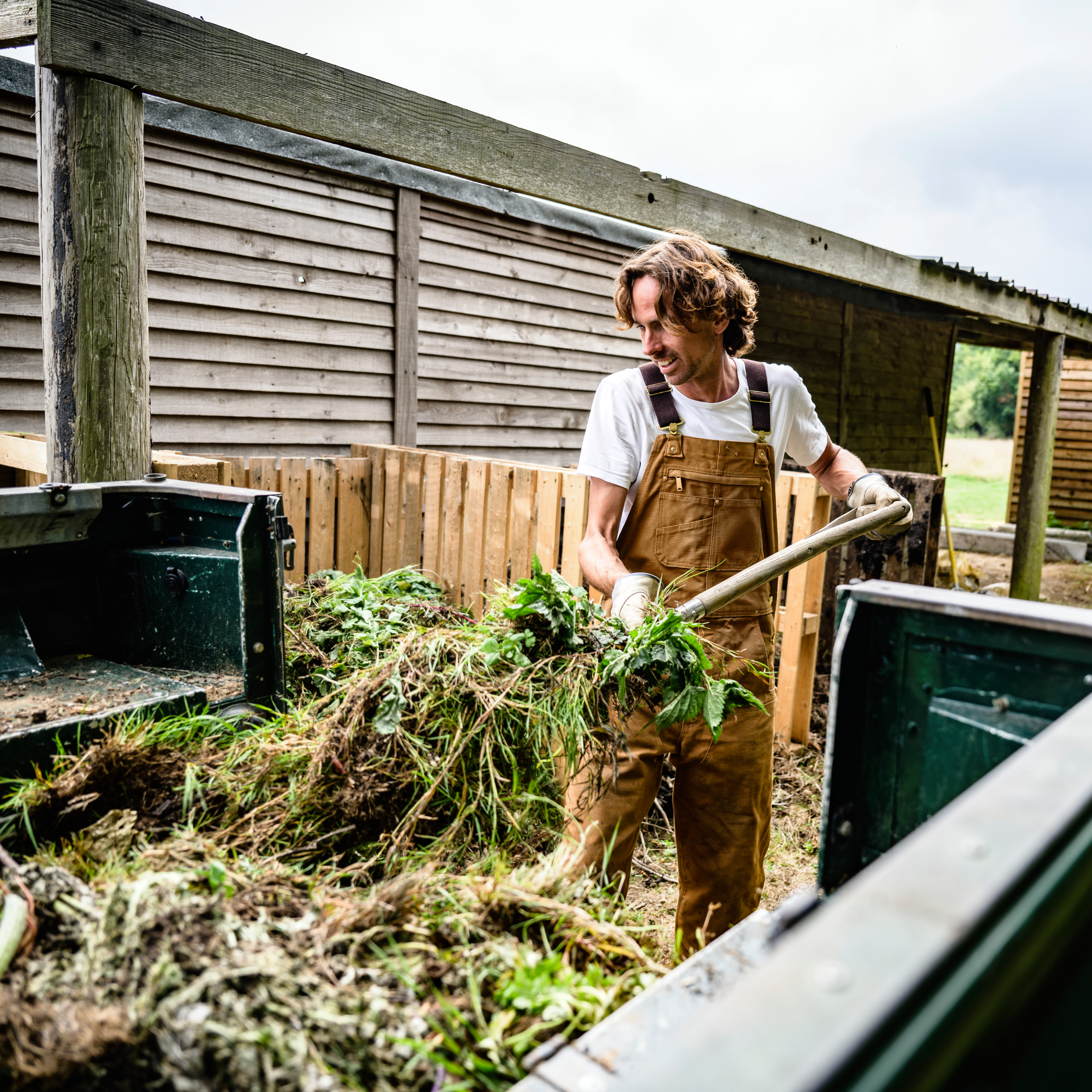
Pitchforks and compost aerators are common tools. They create air pockets and move material well.
- Pitchfork: good for small piles
- Compost aerator tool: makes holes for air
- Garden fork: helps mix dense compost
Preventing Compaction
Compaction blocks air from reaching the pile. This slows down composting and can cause bad smells.
Keep the pile loose by adding bulky materials. Avoid packing down the compost when turning it.
- Add dry leaves or straw to keep space
- Mix in small branches or shredded paper
- Do not press down the compost too hard
Insulating Your Compost Bin
Keeping your compost bin warm helps speed up the breakdown of organic material. Insulation stops heat from escaping in cold weather. You can use simple materials to keep the bin cozy.
Good insulation keeps microbes active. These microbes generate heat that breaks down waste. Let’s look at easy ways to add insulation to your compost bin.
Using Straw Or Leaves
Straw and dry leaves are natural insulators. They trap air and reduce heat loss. Add a thick layer of straw or leaves around the outside of the bin. You can also mix them inside the compost pile.
- Place a 6 to 12 inch layer of straw or leaves around the bin’s base.
- Cover the sides with a thick layer to block cold air.
- Add dry leaves inside the compost to help retain warmth.
- Replace wet or compacted straw regularly to keep insulation effective.
Covering With Tarps
Tarps protect your compost bin from wind and rain. They trap heat inside and keep moisture balanced. Use a tarp that is waterproof but breathable to avoid mold buildup.
- Wrap a tarp around the bin, securing it with clips or weights.
- Leave some air gaps near the top for ventilation.
- Remove or adjust the tarp during warm weather to prevent overheating.
Diy Insulation Methods
You can create custom insulation using household materials. Some DIY methods add both insulation and structure to your compost bin.
| Material | Use | Benefits |
| Old blankets | Wrap around bin | Traps heat, easy to adjust |
| Cardboard | Layer around bin | Good insulation, biodegradable |
| Styrofoam sheets | Place under or around bin | Blocks cold ground, lightweight |
| Wooden pallets | Create outer frame | Adds wind barrier and support |

Credit: www.letsgocompost.org
Monitoring Temperature
Keeping an eye on your compost bin’s temperature helps it break down faster. Good temperature control stops bad smells and pests. It also tells you if the compost is healthy and active.
Checking temperature often lets you make quick changes. This keeps your compost working well all year round. Use the right tools and know the right numbers for best results.
Using Compost Thermometers
Compost thermometers are long and easy to use. Insert the thermometer deep into the center of the pile for a correct reading. Avoid the edges because they are cooler and less active.
Check the temperature two to three times a week. Write down the numbers to watch trends. This helps you know when to turn or add water.
Ideal Temperature Range
| Temperature (°F) | Temperature (°C) | What It Means |
| 90 – 140 | 32 – 60 | Active composting, microbes breaking down material fast |
| 140 – 160 | 60 – 71 | High heat, kills weed seeds and pathogens |
| Below 90 | Below 32 | Slow composting, may need adjusting |
Keep your compost in the active range for best results. Too hot or too cold slows down the process.
When To Adjust Conditions
- If temperature is too low, add green materials or water to boost activity.
- If temperature is too high, turn the pile to cool it and add dry materials.
- If temperature stays the same for many days, mix the compost to add oxygen.
- Check moisture regularly; dry compost heats less.
Adjustments help keep microbes happy and compost breaking down fast. Use the temperature as your guide to improve your compost bin.
Adding Activators And Starters
Heating up a compost bin helps speed up the breakdown of materials. Adding activators and starters can boost this process. These substances provide nutrients and microbes that help compost heat quickly.
Knowing what types to use and how to apply them is important. It keeps your compost healthy and fast-working.
Types Of Activators
Activators are materials that add nitrogen, moisture, or microbes to compost. They help speed up decomposition and increase heat.
- Grass clippings – high in nitrogen and moisture
- Manure – rich in nitrogen and microbes
- Blood meal – a fast-acting nitrogen source
- Coffee grounds – add nitrogen and improve texture
- Alfalfa meal – contains nitrogen and natural enzymes
Benefits Of Starters
Starters introduce helpful bacteria and fungi to the compost. They jump-start the heating and decomposition process.
| Benefit | Effect on Compost |
| Speeds up breakdown | Faster composting time |
| Increases temperature | Better kill pathogens and seeds |
| Improves nutrient cycling | More balanced compost |
| Reduces odors | Cleaner compost area |
Application Tips
Apply activators and starters properly for best results. Balance green and brown materials to keep the pile moist but not wet.
- Sprinkle activators evenly over new compost layers.
- Mix materials well to spread microbes and nutrients.
- Check moisture; add water if too dry.
- Turn the pile every few days to add oxygen.
- Keep compost in a warm, shaded place.

Credit: www.youtube.com
Common Mistakes To Avoid
Heating a compost bin needs the right balance of conditions. Mistakes can slow down the process or cause bad smells.
Knowing what to avoid helps keep your compost warm and healthy. Here are common errors to watch out for.
Too Much Or Too Little Moisture
Moisture is key to compost heat. Too much water makes the pile soggy and smelly. Too little water stops the microbes from working.
- Check moisture by squeezing a handful; it should feel like a wrung-out sponge.
- Add water if it feels dry.
- Mix in dry materials like leaves if it is too wet.
Ignoring Aeration
Air helps microbes break down materials and produce heat. Without air, the pile turns smelly and cold.
Turn your compost regularly to add air. This keeps the pile warm and stops bad odors.
Using Wrong Materials
Not all materials are good for heating compost. Some slow the process or attract pests.
| Material | Good for Compost? | Reason |
| Fruit scraps | Yes | Break down fast, add moisture |
| Meat and dairy | No | Attract pests and smell bad |
| Dry leaves | Yes | Add carbon, balance moisture |
| Plastic and glass | No | Do not break down |
| Grass clippings | Yes | Rich in nitrogen, heats pile |
Credit: www.gardeningknowhow.com
Frequently Asked Questions
How Can I Make My Compost Bin Heat Up Faster?
To heat your compost bin faster, balance green and brown materials well. Turn the pile regularly for airflow. Keep it moist but not soggy. These actions promote microbial activity, which generates heat and speeds up decomposition.
Why Is My Compost Bin Not Heating Up?
A compost bin may not heat due to poor aeration, incorrect moisture, or imbalance in green and brown materials. Check if the pile is too dry, too wet, or compacted. Adjust these factors to encourage microbial activity and increase temperature.
What Materials Help Increase Compost Bin Temperature?
Nitrogen-rich green materials like grass clippings, vegetable scraps, and coffee grounds boost heat. Combine them with carbon-rich brown materials like leaves, straw, or paper. This balance feeds microbes, increasing heat and speeding up composting.
How Often Should I Turn My Compost Bin To Heat It Up?
Turn your compost bin every 3 to 7 days. Regular turning adds oxygen, fuels microbes, and distributes heat evenly. This helps maintain a high temperature and accelerates the breakdown of organic matter.
Conclusion
Heating your compost bin helps speed up the breakdown of materials. Keep the bin moist but not too wet. Turn the compost regularly to add air and heat. Add green materials like food scraps and brown materials like dry leaves.
Sunlight can warm the bin naturally. A warm compost bin means faster, healthier soil for your garden. Start small and watch your compost come to life. Easy steps lead to rich, black soil in no time. Give your compost the care it needs to thrive.