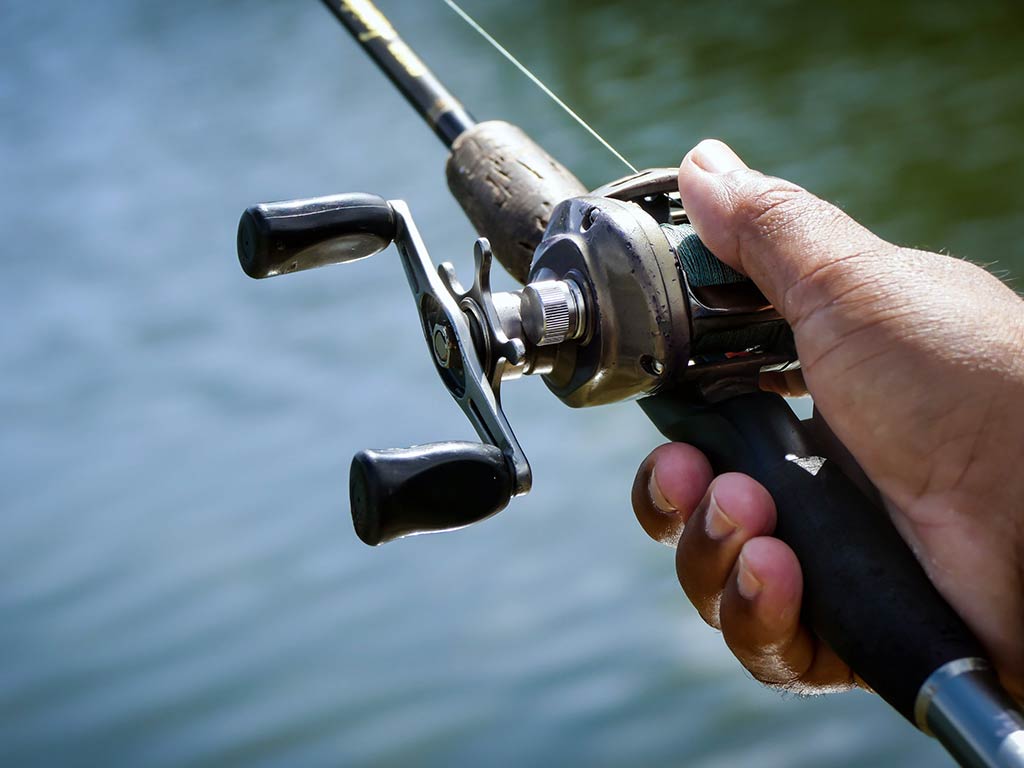
Are you ready to catch more fish and enjoy your time by the water? Holding your fishing rod the right way can make all the difference between a frustrating day and a successful fishing trip.
If you’re right-handed, mastering the correct grip will give you better control, accuracy, and comfort. You’ll learn simple, practical steps to hold your fishing rod right-handed, so you can cast like a pro and reel in your next big catch with confidence.
Keep reading to discover tips that will instantly improve your fishing experience.

Credit: anglersresource.net
Choosing The Right Rod
Choosing the right fishing rod helps you fish better with your right hand. The rod must feel comfortable and fit your fishing style. This guide explains how to pick the right rod.
Focus on the types of rods and the rod length and weight. These factors affect your grip and control when fishing right handed.
Types Of Fishing Rods
There are many kinds of fishing rods. Each type works well for different fishing styles. Knowing the types helps you choose the best rod for your needs.
- Spinning Rods:Easy to use, good for beginners. They work well with light lures and lines.
- Baitcasting Rods:Offer more control and power. They are good for heavy lures and big fish.
- Fly Rods:Used for fly fishing. They are flexible and designed for casting light flies.
- Trolling Rods:Made for slow dragging of bait or lures behind a boat.
Selecting Rod Length And Weight
The rod length and weight affect how you hold and use the rod with your right hand. Choose a rod that matches the fish you want to catch and your strength.
| Rod Length | Best Use |
| 6 to 7 feet | Good for most freshwater fishing and easy to handle |
| 7 to 9 feet | Better for casting long distances and bigger fish |
| 9 feet and longer | Used for surf fishing and large water bodies |
| Shorter than 6 feet | Good for tight spaces like small streams |
Rod weight shows how strong the rod is. Match the rod weight to the fish size. A light rod is easier to hold but suits small fish. Heavy rods handle big fish but need more strength.

Credit: blackfinrods.com
Setting Up Your Reel
Learning to hold a fishing rod right-handed starts with setting up the reel. A well-set reel improves your fishing experience. Let’s explore how to attach and adjust the reel properly.
Proper setup ensures smooth casting and reeling. This guide will help you attach the reel and adjust the drag and line effectively.
Attaching The Reel
Start by holding the rod with your left hand. The reel foot fits into the reel seat on the rod. Ensure the reel is facing the correct direction.
Turn the reel seat screw to tighten the reel. It should be firm, but avoid over-tightening. Check if the reel is securely attached before moving on.
- Hold the rod steady
- Align the reel foot with the seat
- Tighten the reel seat screw
Adjusting Drag And Line
Drag control helps manage fish resistance. Locate the drag adjustment knob, usually on the top or side of the reel.
Turn the knob clockwise to tighten the drag. Turn it counterclockwise to loosen. Adjust the drag to match the type of fish you aim to catch.
- Find the drag knob
- Turn clockwise to tighten
- Turn counterclockwise to loosen
Line tension is also crucial. Make sure the line is tight enough for casting. A loose line can cause tangles.
Basic Right-handed Grip
Holding a fishing rod correctly helps you control the line and catch fish better. For right-handed anglers, the right hand usually holds the rod.
This guide explains how to place your hand and fingers on the rod for the best grip and comfort.
Hand Placement On The Rod
Place your right hand just above the reel seat on the rod handle. This position gives balance and control.
Make sure your palm wraps around the handle firmly but not too tight. A relaxed grip helps you feel the fish bite.
- Hold the rod handle near the reel seat
- Keep your wrist straight
- Grip firmly but stay relaxed
- Keep your elbow close to your body
Finger Positioning Techniques
Use your fingers to support and guide the rod. Wrap your fingers around the handle with the thumb on top.
Your index finger can rest along the rod blank for extra control. The other fingers hold the handle securely.
- Wrap fingers around the handle
- Place thumb on top for pressure
- Rest index finger along the rod
- Keep fingers relaxed but firm
Casting Techniques
Holding a fishing rod correctly helps improve your casting accuracy and distance. This guide explains two common casting styles for right-handed anglers.
Each casting method uses a different motion and grip. Practice both to find what works best for you in different fishing situations.
Overhead Cast
The overhead cast is the most common and simple casting technique. It uses a straight motion to send the lure far into the water.
- Hold the rod with your right hand near the reel seat.
- Use your left hand to hold the rod above the reel for support.
- Pull the rod back over your shoulder smoothly.
- Bring the rod forward quickly, releasing the line at the right moment.
- Keep your eyes on the lure to control the cast direction.
Sidearm Cast
The sidearm cast is useful when you need to cast under obstacles or close to the water surface. It requires a horizontal motion.
| Sidearm Cast Steps | Details |
| Grip | Hold the rod with your right hand near the reel, keep a firm but relaxed grip. |
| Position | Keep the rod low and to your side, parallel to the water. |
| Back Swing | Move the rod backward just below shoulder level, avoiding obstacles. |
| Forward Swing | Swiftly move the rod forward, releasing the line smoothly. |
| Follow Through | Let the rod continue its motion after the release for better accuracy. |
Reeling And Handling
Holding a fishing rod right handed means using your right hand for reeling. The left hand usually supports the rod. Good reeling and handling improve your fishing experience.
Proper techniques help you catch fish more easily and reduce arm fatigue. Focus on smooth motions and firm control of the rod.
Proper Reeling Motion
Hold the rod with your left hand near the reel seat. Use your right hand to turn the handle of the reel. Keep a steady pace when reeling in.
A smooth and even reeling motion helps keep tension on the line. Avoid jerky or fast pulls to prevent line breaks or spooking fish.
- Grip the reel handle comfortably with your right hand
- Turn the handle clockwise at a steady speed
- Keep the rod tip pointed slightly up and toward the water
- Adjust speed based on fish activity and water conditions
Maintaining Rod Control
Use your left hand to hold the rod firmly but not too tight. Keep your wrist relaxed to allow smooth rod movements. This helps you respond quickly to fish bites.
Balance the rod weight evenly between both hands. Keep the rod tip up to watch the line and feel any fish activity. Good control reduces arm strain and improves your fishing success.
- Grip the rod handle with your left hand near the reel
- Hold the rod tip up and pointed toward the water
- Keep your wrist loose and flexible
- Shift your grip slightly to adjust for fish pulls
Common Mistakes To Avoid
Holding a fishing rod correctly is key for a good fishing experience. Many anglers make simple mistakes that affect their control and comfort.
Knowing what to avoid helps you cast better and reduces hand fatigue. Here are common errors to watch out for.
Incorrect Grip Pressure
Holding the rod too tightly causes tension in your hand and arm. This limits movement and makes fishing tiring.
On the other hand, a grip too loose can make you lose control. You might drop the rod or miss your catch.
- Grip firm but relaxed, like holding a bird gently.
- Avoid squeezing the rod hard during casting or reeling.
- Adjust grip pressure as you fish to stay comfortable.
Poor Wrist Movement
Stiff or rigid wrist movement reduces your casting range and accuracy. It can also cause wrist pain over time.
Using the wrist too much without support can tire your arm quickly. Balance wrist and arm motion for smooth fishing.
- Keep your wrist flexible but controlled during casts.
- Use your forearm to help with rod movement.
- Practice smooth, fluid wrist actions instead of jerky ones.
Advanced Tips For Better Control
Holding a fishing rod correctly improves your catch rate. Advanced techniques help keep better control over the rod. This guide focuses on right-handed anglers.
Using both hands effectively and adjusting your grip for different fish types can make a big difference. Learn how to optimize your hold for better fishing results.
Using Both Hands Effectively
Using both hands on the rod increases stability and control. Your dominant right hand usually handles the reel, while the left supports the rod near the reel seat.
- Place your right hand around the reel handle for smooth reeling.
- Use your left hand to grip the rod shaft firmly but not too tight.
- Shift your left hand forward or backward to balance the rod as needed.
- Keep your thumbs pointing along the rod for better leverage.
- Practice switching hand positions during casting and retrieving.
Adjusting Grip For Different Fish
Different fish require varied grip strength and rod angles. Adjust your hold depending on the fish size and fight intensity.
| Fish Type | Grip Style | Rod Angle | Pressure Level |
| Small Panfish | Light grip near reel | Low angle, around 30° | Gentle pressure |
| Medium Bass | Firm grip with both hands | Medium angle, 45° to 60° | Moderate pressure |
| Large Pike | Strong grip, hands spread out | High angle, above 60° | High pressure |

Credit: fishingbooker.com
Frequently Asked Questions
How Do I Properly Grip A Fishing Rod Right Handed?
Hold the rod with your right hand just above the reel. Wrap your fingers around the handle firmly but comfortably. Your thumb should rest on top for control. This grip helps you cast accurately and reduces fatigue during fishing.
What Is The Best Stance For Right-handed Fishing?
Stand with your left foot slightly forward and your right foot back. This position gives balance and power for casting. Keep your knees slightly bent and your body relaxed. A proper stance improves casting distance and accuracy.
How Do I Cast A Fishing Rod Right Handed?
Hold the rod firmly in your right hand. Pull the rod back smoothly and then flick it forward. Release the line at the right moment for a long, accurate cast. Practice timing for better control.
Should I Use My Left Or Right Hand To Reel In Fish?
Use your left hand to turn the reel handle if you are right-handed. This allows your right hand to keep a firm grip on the rod. It provides better control and reduces the risk of losing the fish.
Conclusion
Holding a fishing rod right handed feels easy with practice. Keep your grip firm but relaxed for better control. Position your dominant hand near the reel for smooth casting. Use your other hand to support the rod’s weight. Remember, comfort and balance matter most while fishing.
Try different holds to find what suits you best. Soon, casting and reeling will become natural actions. Enjoy the calm and fun of fishing with confidence. Keep practicing, and your skills will improve day by day.