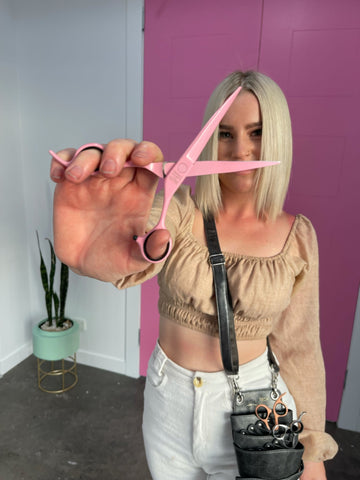
Are you tired of feeling clumsy every time you pick up a pair of cutting shears? You’re not alone.
Whether you’re a budding hairstylist, a home gardener, or someone who loves crafting, the way you hold your shears can make all the difference. Imagine cutting with precision and ease, transforming your tasks into something enjoyable and efficient. It’s not just about comfort; it’s about achieving the best results.
You’ll discover simple, effective techniques to master the art of holding cutting shears. Unlock the secrets to a firm grip, improve your control, and say goodbye to mistakes. Ready to elevate your skills and boost your confidence? Keep reading to find out how you can make every cut count.

Credit: www.jpscissors.com
Choosing The Right Shears
Picking the correct cutting shears helps you cut cleanly and safely. The right shears feel good in your hand and suit your cutting needs.
Consider the type, material, size, and weight before buying shears. Each factor affects how well you hold and use the tool.
Types Of Cutting Shears
Different shears serve different purposes. Knowing the types helps you choose shears that fit your tasks.
- Hair Cutting Shears:Designed for smooth haircuts with sharp, thin blades.
- Thinning Shears:Have teeth on one blade to thin hair without cutting all of it.
- Garden Shears:Used for cutting plants and branches, with strong, durable blades.
- Fabric Shears:Made for cutting cloth with precision and clean edges.
Material And Build Quality
Good material and build quality ensure shears last long and cut well. Look for strong metals and comfortable handles.
| Material | Benefits | Notes |
| Stainless Steel | Rust resistant and sharp | Common in many quality shears |
| Carbon Steel | Very sharp and durable | Needs more care to avoid rust |
| Titanium Coated | Extra strong and long-lasting | Usually more expensive |
| Plastic Handles | Lightweight and comfortable | Check for strong build to avoid breaking |
Size And Weight Considerations
Choose shears that fit your hand size and feel balanced. Heavy shears can tire your hand quickly. Small shears may not cut thick material well.
- Try shears before buying to check comfort.
- Lightweight shears suit long use.
- Heavy shears offer more cutting power.
- Shears between 5 to 7 inches are good for most tasks.
Proper Hand Positioning
Holding cutting shears correctly helps you cut smoothly and safely.
The right hand position reduces hand fatigue and improves control.
Finger Placement Techniques
Place your fingers carefully on the shears for a steady grip.
- Insert your ring finger and middle finger into the lower handle loop.
- Rest your index finger along the outside of the lower handle for guidance.
- Keep your pinky finger relaxed but close to the handle for support.
Thumb And Palm Alignment
Align your thumb and palm properly to avoid strain and improve power.
| Thumb Position | Palm Contact |
| Place thumb inside upper loop | Keep palm slightly cupped around handle |
| Thumb points upward or slightly forward | Maintain firm but relaxed grip |
| Avoid pushing thumb too hard | Let palm guide the shear movement |
Avoiding Common Grip Mistakes
Watch out for grip errors that cause pain or reduce cutting accuracy.
- Do not hold shears with all fingers inside one handle loop.
- Avoid gripping too tightly to prevent hand cramps.
- Do not position the thumb outside the handle loops.
- Avoid letting fingers slip off the handles during use.
Achieving Precision Cuts
Holding cutting shears properly helps you make clean, accurate cuts every time.
Good technique reduces mistakes and keeps your work neat and safe.
Controlling Shear Movement
Control the shears by moving your wrist smoothly. Avoid jerky motions.
Keep your hand steady and guide the blades along the cutting line.
- Hold handles firmly but not too tight
- Use your thumb and fingers to guide the blades
- Move shears in a slow, even motion
- Practice keeping a steady hand
Maintaining Consistent Pressure
Apply even pressure when cutting to avoid jagged edges.
| Pressure Level | Effect on Cut |
| Too Light | Uneven or incomplete cuts |
| Consistent | Smooth and clean cuts |
| Too Hard | Damage to material or blade |
Using Guides And Angles
Use guides like rulers or templates to keep your cuts straight.
Follow these tips for correct angles:
- Hold shears at a slight angle for smooth slicing
- Keep blade edges aligned with the cutting line
- Adjust angle based on material thickness
Improving Control And Comfort
Holding cutting shears correctly helps you cut better and feel less tired. Good control makes your cuts clean and smooth.
Comfort is important to avoid pain during long cutting sessions. Proper hand use reduces strain and keeps you working longer.
Hand And Wrist Exercises
Doing simple exercises can strengthen your hand and wrist. This helps you hold shears with more control and less pain.
Try stretching and moving your fingers and wrist before and after cutting. This keeps your muscles flexible and ready.
- Open and close your hand slowly 10 times
- Rotate your wrist clockwise and counterclockwise
- Stretch your fingers wide and hold for 5 seconds
- Bend your wrist up and down gently
Adjusting Grip For Fatigue
Change your grip often to avoid hand tiredness. Holding shears in one way too long can cause cramps.
Relax your fingers and try different finger positions on the handles. This keeps your hand fresh and steady.
- Use your thumb and middle finger for a firm hold
- Let your ring finger support the shears lightly
- Shift your grip every 10 to 15 minutes
- Take short breaks and shake your hand to relax
Ergonomic Tips For Long Sessions
Good posture helps you cut without pain. Keep your wrist straight and your arm relaxed while cutting.
Use shears with comfortable handles that fit your hand size. This reduces pressure points and improves control.
- Sit or stand with your back straight
- Keep your wrist aligned with your forearm
- Use cushioned or soft grip shears if possible
- Take breaks to stretch your hands and arms
Maintenance For Optimal Performance
Cutting shears need proper care to work well. Good maintenance keeps them sharp and safe.
Clean and store shears correctly. Check them often to know when to replace.
Sharpening And Cleaning
Sharp blades cut better and prevent damage. Clean shears after each use to remove dirt.
- Use a sharpening stone or tool for the blades
- Wipe blades with a dry cloth after sharpening
- Remove sap or sticky residue with rubbing alcohol
- Oil the blades lightly to stop rust
Proper Storage
Store shears in a dry place to avoid rust. Keep them in a protective case or sheath.
- Clean shears before storing
- Use blade covers for safety
- Keep out of reach of children
- Store in a place with low humidity
When To Replace Shears
Replace shears when blades are damaged or do not sharpen well. Worn handles affect control.
- Blades bent or chipped beyond repair
- Blades that stay dull after sharpening
- Loose or cracked handles
- Shears that pinch or pull while cutting

Credit: www.youtube.com

Credit: www.jpscissors.com
Frequently Asked Questions
How Should I Position My Fingers On Cutting Shears?
Place your thumb in the smaller handle hole and your ring finger in the larger hole. Rest your index and middle fingers gently on the shears for control. This grip ensures precision and reduces hand fatigue during cutting.
What Is The Best Hand Posture For Cutting Shears?
Maintain a relaxed, natural hand posture with a slight bend in your wrist. Avoid tight grips to prevent strain. Proper posture improves accuracy and comfort while cutting hair or materials.
Can I Use Cutting Shears With Either Hand?
Cutting shears are typically designed for right-handed users. However, left-handed versions exist for left-handers. Using the correct shears for your dominant hand increases control and cutting effectiveness.
Why Is A Proper Grip Important For Cutting Shears?
A proper grip enhances precision and reduces the risk of hand cramps. It helps maintain consistent cutting angles and prevents accidental slips. Good grip also prolongs shear lifespan by minimizing unnecessary pressure.
Conclusion
Holding cutting shears the right way makes cutting easier and safer. Keep your fingers relaxed and grip the handles firmly. Use your thumb and middle finger to control the blades. Practice this grip often to build comfort and accuracy. This small habit helps you cut hair or fabric smoothly.
Take your time and stay focused while cutting. Good technique protects your hands and improves your results. Try these tips next time you use cutting shears. You will notice the difference quickly. Simple steps lead to better cutting every time.