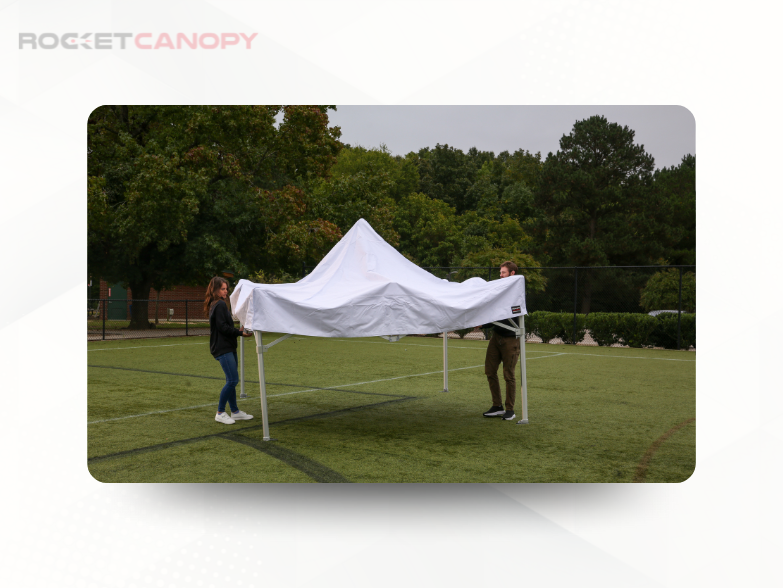
Setting up a canopy tent on concrete can be tricky. Unlike grass or dirt, concrete doesn’t let you simply stake it down.
You might worry about your tent flying away or collapsing in the wind. But don’t let that stress you out. You’ll discover simple and effective ways to hold down your canopy tent on concrete. You’ll learn tricks that keep your tent stable and safe, so you can focus on enjoying your event without constant worry.
Keep reading, and you’ll have the confidence to secure your canopy tent no matter where you set it up.
Credit: www.customtent.com
Challenges Of Securing Canopies On Concrete
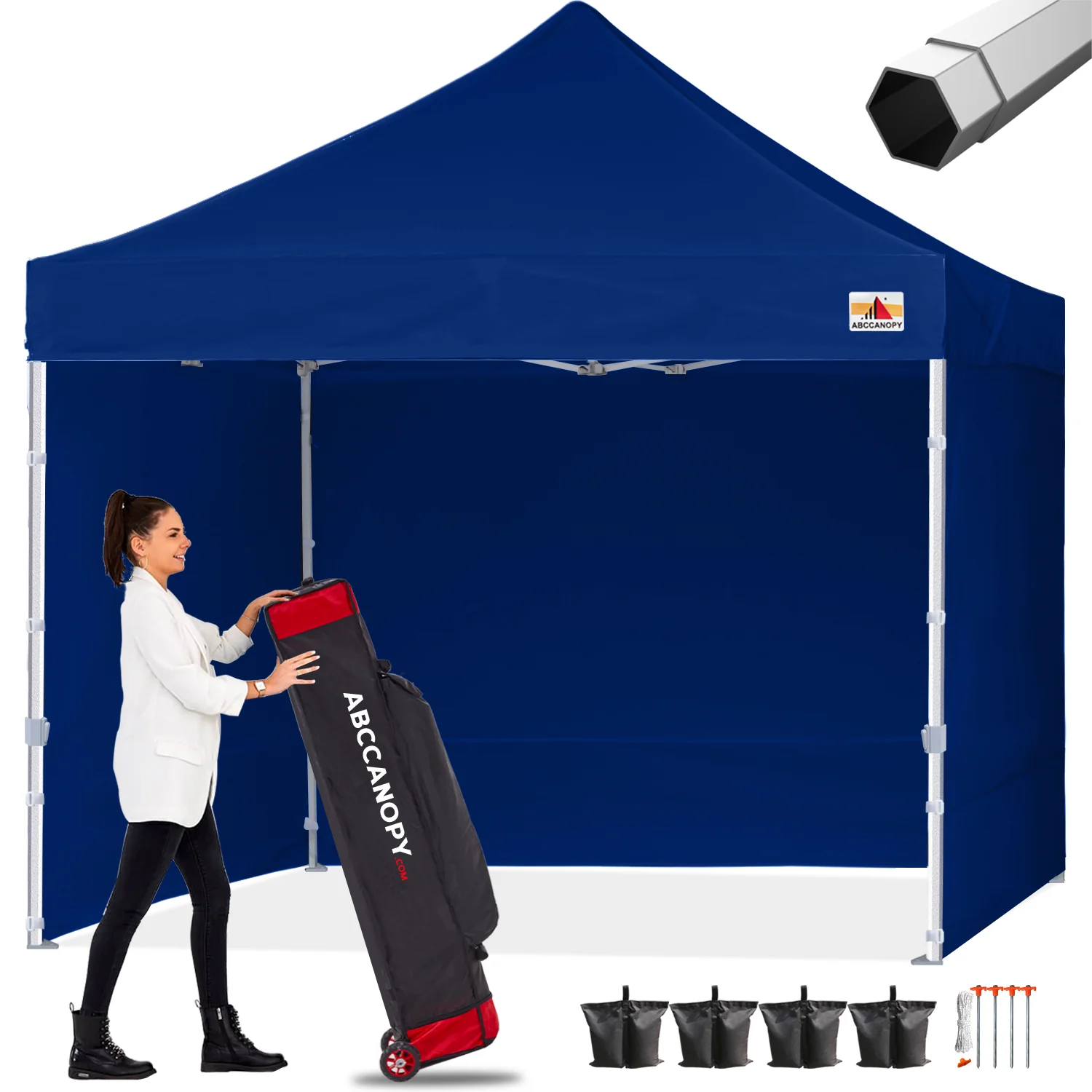
Setting up a canopy tent on concrete is not easy. The hard surface makes it hard to secure the tent properly. Special care is needed to keep the canopy stable and safe.
Concrete does not allow stakes or pegs to go into the ground. This creates unique problems that you must solve to avoid damage or accidents.
Lack Of Ground Penetration
Concrete blocks the use of regular stakes. You cannot push them into the surface. This means the canopy has less grip and can move easily.
- No space for traditional anchors
- Hard surface prevents digging or staking
- Need to use weights or special anchors
- More risk of canopy shifting or falling
Risks Of Wind Damage
Wind can cause serious damage to canopies on concrete. Without strong anchors, the tent can lift or blow away. This is dangerous for people and property nearby.
| Risk | Cause | Effect |
| Canopy lifting | Strong wind, weak anchors | Tent moves or flies off |
| Canopy tearing | Wind stress on fabric | Damage to canopy material |
| Injury risk | Falling or flying parts | Harm to people close by |
Credit: www.customtent.com
Weight-based Methods
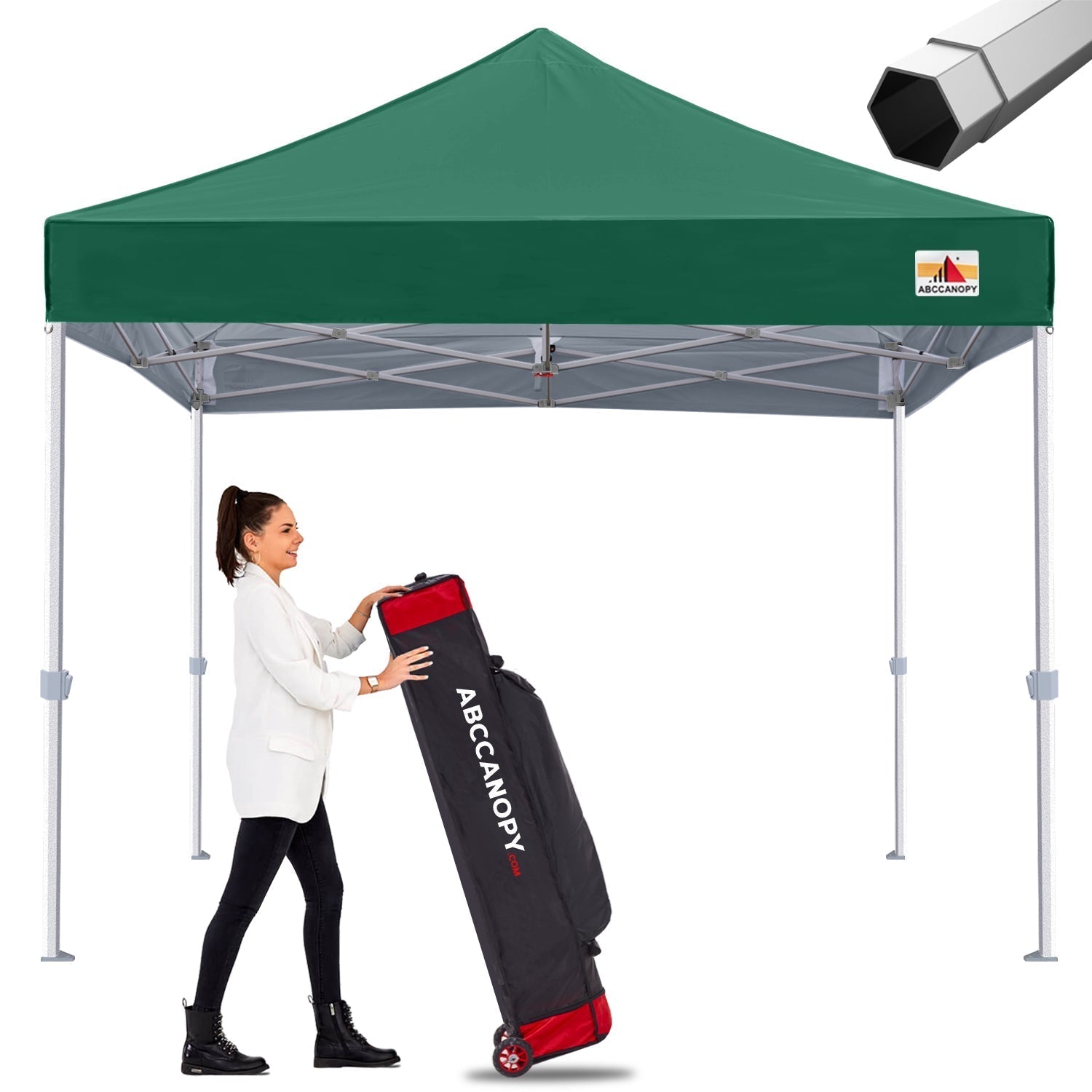
Keeping a canopy tent stable on concrete can be tricky. Weight-based methods help secure your tent safely.
These methods involve using heavy objects to hold down the tent. Let’s explore some effective options.
Using Sandbags
Sandbags are a simple solution for tent stability. They are easy to use and move around.
- Fill sandbags with sand or fine gravel.
- Place them at each corner of the tent.
- Ensure they are heavy enough to resist wind.
Filling Water Weights
Water weights are another option. They are convenient and reusable.
| Water Weight Type | Capacity |
| Plastic Containers | 10 liters each |
| Collapsible Bags | 15 liters each |
| Barrels | 50 liters each |
Concrete Blocks And Bricks
Concrete blocks and bricks are durable and offer strong support. They are perfect for long-term setups.
Attachment Techniques
Holding down a canopy tent on concrete needs special care. Concrete does not allow stakes, so you must use other ways to keep the tent stable. This guide covers three common attachment techniques.
Each method helps secure your canopy and prevents it from moving or tipping during windy conditions. Choose the one that fits your setup and tools.
Using Weighted Tent Bags
Weighted tent bags add heavy support to your tent legs. They hold the canopy firmly on hard surfaces like concrete. You fill them with sand, gravel, or water to add weight.
- Attach bags to each tent leg with the straps or hooks.
- Fill bags with heavy material to increase stability.
- Check the weight regularly to keep the tent secure.
- Use weather-resistant bags to avoid damage from moisture.
Employing Heavy-duty Straps
Heavy-duty straps help tie your tent to fixed objects or weighted anchors. These straps are strong and resist stretching or breaking under tension.
| Strap Feature | Purpose | Material |
|---|---|---|
| Durability | Withstands strong winds | Nylon or polyester |
| Adjustability | Fits different attachment points | Buckle or ratchet |
| Length | Allows secure fastening | Varies by tent size |
Loop the strap around the tent leg and anchor point, then tighten. Make sure the strap is snug but not too tight to damage the fabric.
Securing With Bungee Cords
Bungee cords offer flexible hold for your canopy. They stretch to absorb shocks from wind and movement. Use hooks on the ends to attach to tent legs and weights.
- Choose cords with strong hooks to avoid slipping.
- Attach cords diagonally for better stability.
- Check cords for wear and replace if needed.
- Combine with weights or straps for extra security.
Specialized Equipment Options
Holding down a canopy tent on concrete needs special gear. Concrete cannot be pierced easily. You need tools made for hard surfaces.
Below are some equipment choices. These options help keep your tent safe and steady on concrete floors or sidewalks.
Portable Tent Anchors
Portable tent anchors are simple devices that attach to your tent legs. They use strong grips or suction to stay on smooth concrete.
- Easy to install and remove
- No damage to concrete surface
- Good for short events
- Works best on flat, clean concrete
Using Weighted Plates
Weighted plates add heavy mass to hold the tent down. You place the plates on each leg or inside weight bags.
| Type of Weight | Material | Approximate Weight | Best Use |
| Steel Plate | Metal | 20-50 lbs | Outdoor concrete floors |
| Sandbag | Fabric filled with sand | 15-40 lbs | Temporary setups |
| Water Bag | Durable plastic | Varies (fill with water) | Easy to transport and refill |
Temporary Concrete Anchors
Temporary concrete anchors use special fasteners made for concrete. They provide strong hold without permanent damage.
Examples of temporary anchors:
- Concrete wedge anchors
- Expansion bolts with rubber sleeves
- Adhesive anchors with epoxy
These require drilling small holes and using the right tools. Always follow safety instructions.
Safety Tips For Stability
Keeping a canopy tent stable on concrete is important for safety. Strong winds or accidental bumps can cause the tent to tip over. Using the right methods helps prevent accidents and damage.
This guide covers key tips to hold down your canopy tent safely and securely on concrete surfaces.
Regularly Checking Weights
Weights keep the canopy tent steady on hard surfaces like concrete. Check these weights often to make sure they hold the tent firmly in place.
- Use heavy sandbags or water weights designed for tents.
- Inspect weights for damage or leaks.
- Reposition weights if the tent shifts.
- Replace weights if they become too light or worn out.
Positioning For Wind Direction
Place the canopy tent so it faces away from strong winds. This reduces the chance of the tent lifting off the ground.
| Wind Direction | Best Tent Position |
| North | Face tent south |
| East | Face tent west |
| South | Face tent north |
| West | Face tent east |
Avoiding Tripping Hazards
Loose ropes and weights can cause people to trip. Organize and secure all parts of the tent to keep the area safe.
- Use flat weights to reduce obstruction.
- Cover ropes with tape or mats.
- Keep walkways clear of equipment.
- Mark edges with bright colors or cones.

Credit: www.reddit.com
Diy Solutions For Tent Stability
Setting up a canopy tent on concrete can be tricky. You cannot use stakes to hold it down.
DIY weights and anchors help keep your tent safe and steady on hard surfaces.
Creating Homemade Weights
Homemade weights add pressure to tent legs and stop it from moving. You can make your own weights using simple materials.
- Fill empty buckets with sand or water.
- Use heavy bricks or concrete blocks tied to the legs.
- Fill old bags with gravel or rocks.
- Use large water bottles filled and sealed tightly.
Attach these weights to each leg using strong rope or bungee cords. This keeps the tent grounded.
Using Household Items For Anchoring
You can also use common household items as anchors for your canopy tent. These items are heavy and easy to secure.
| Household Item | Weight | How to Use |
| Water-filled trash cans | 40-50 lbs | Place next to tent legs and tie securely |
| Gym weights | 10-50 lbs | Stack on base plates and fasten with straps |
| Large potted plants | 20-60 lbs | Set close to legs and wrap rope around both |
| Paint buckets filled with cement | Heavy | Make solid weights by filling and sealing |
Frequently Asked Questions
How Do I Secure A Canopy Tent On Concrete?
Use heavy-duty weights like sandbags, water barrels, or concrete blocks. Attach them to the tent’s legs using strong straps or bungee cords. Avoid stakes since concrete doesn’t allow ground penetration. This method ensures your tent stays stable and safe during windy conditions.
What Weights Work Best For Canopy Tents On Concrete?
Heavy items such as sandbags, water-filled barrels, or concrete blocks are ideal. They provide enough pressure to hold the tent firmly. Choose weights with handles or loops for easy attachment. Proper weighting prevents the tent from lifting or shifting on hard surfaces.
Can I Use Ropes To Anchor A Canopy On Concrete?
Yes, but only if you attach the ropes to heavy weights or fixed structures. Concrete surfaces don’t allow staking, so ropes alone won’t secure your tent. Combine ropes with weighted anchors for added stability and safety during outdoor events.
Are There Special Canopy Tent Anchors For Concrete?
Yes, some anchors are designed for concrete, like screw-in anchors or weighted anchor bags. These provide a secure hold without damaging the surface. Choose anchors compatible with your tent’s frame and ensure they’re rated for outdoor use.
Conclusion
Securing a canopy tent on concrete keeps it safe and steady. Use heavy weights like sandbags or water barrels. Tie down the tent tightly to prevent movement. Check the setup often, especially on windy days. This simple care extends your tent’s life and safety.
A strong hold means you enjoy your event without worry. Stay prepared, and your canopy will stand firm.