
Imagine cruising down the road with complete confidence, knowing your car’s brakes are not only reliable but enhanced to perfection. When it comes to safety, power brakes are a game-changer, giving you that extra assurance every time you press the pedal.
But what happens when your power brakes start to feel a bit off, lacking the firm response you rely on? The secret lies in the vacuum. Boosting the vacuum for your power brakes can dramatically improve their performance, ensuring a smoother, safer driving experience.
In this guide, you’ll discover simple yet effective strategies to increase vacuum for your power brakes. Whether you’re a car enthusiast or just someone who wants to optimize their vehicle’s safety, this article will walk you through the steps to enhance your braking system. So, are you ready to unlock the full potential of your brakes and drive with more confidence than ever? Let’s dive in and transform your driving experience.
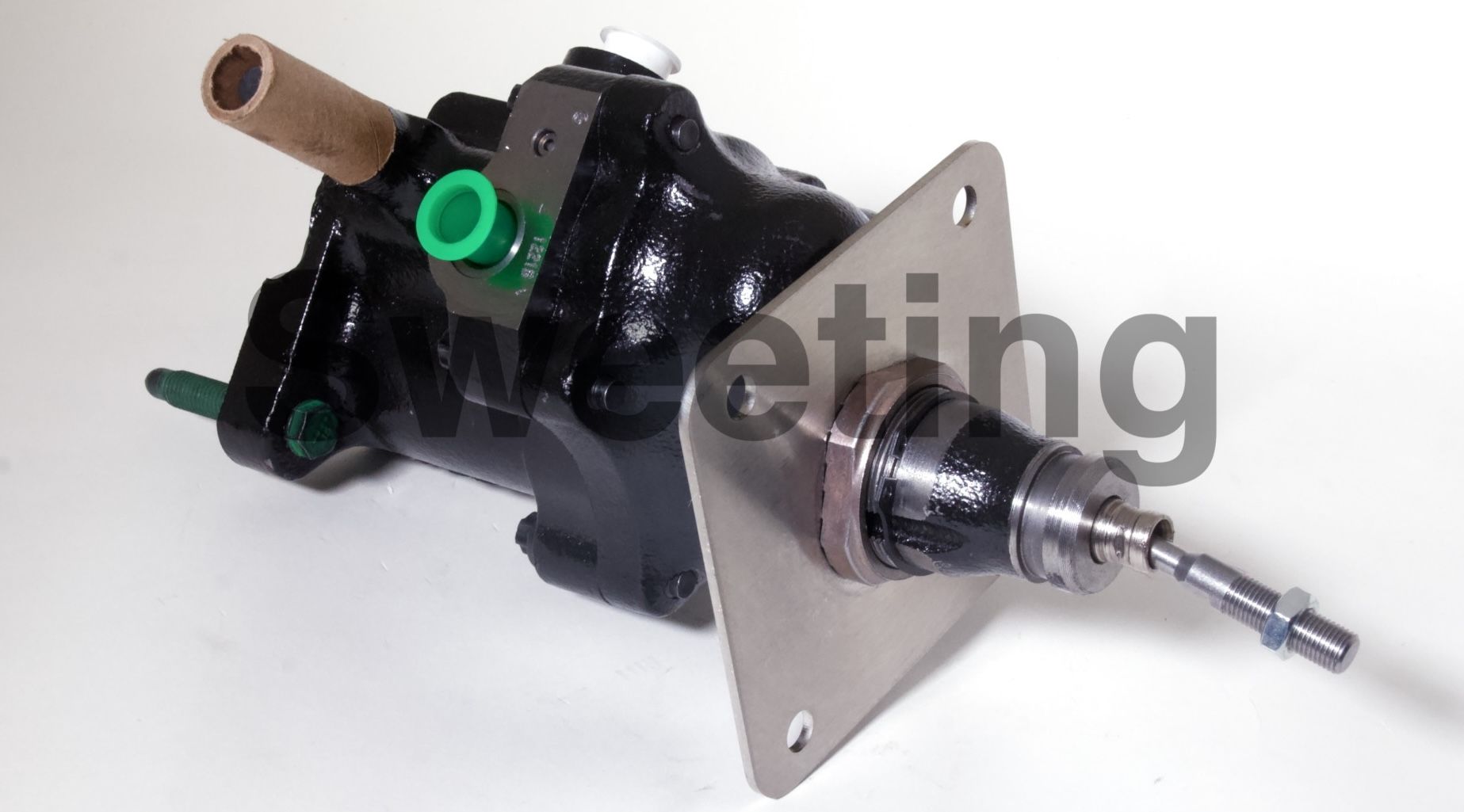
Credit: www.powerbrakeservice.net
How Vacuum Boosts Brake Power
Vacuum plays a key role in increasing brake power. It helps the brake booster assist the driver in applying force. This makes braking easier and safer. The vacuum creates pressure difference that amplifies the force on the brake pedal. This force boost helps stop the vehicle with less effort.
Role Of Vacuum In Brake Systems
The vacuum assists the brake booster by creating low pressure. This low pressure works against the atmospheric pressure on the other side. The difference in pressure pushes the booster’s diaphragm. This action increases the force transferred to the master cylinder.
The master cylinder then pushes brake fluid through the brake lines. The fluid pressure activates the brake calipers or wheel cylinders. This causes the brake pads or shoes to press against the rotors or drums. The result is stronger and more effective braking.
Common Vacuum Sources
- Engine Intake Manifold: Most vehicles use vacuum from the intake manifold.
- Vacuum Pump: Diesel engines often need a separate vacuum pump.
- Electric Vacuum Pump: Used in some hybrid or electric vehicles.
- Brake Booster Reservoir: Stores vacuum for consistent brake assist.

Credit: www.amazon.ca
Signs Of Low Vacuum Pressure
Low vacuum pressure in your power brake system can quietly undermine your vehicle’s safety and performance. Recognizing the signs early helps you avoid costly repairs and dangerous driving conditions. Let’s look closely at how low vacuum pressure affects your brakes and engine.
Brake Pedal Issues
You’ll notice the brake pedal feels different if vacuum pressure drops. It may become hard to press, requiring much more force than usual. Sometimes, the pedal sinks closer to the floor or feels spongy and unresponsive.
These changes happen because the vacuum booster isn’t working properly. Without enough vacuum, the booster can’t assist your braking effectively. Have you ever felt your brakes suddenly lose their “assist” on a busy road? That’s a clear sign your vacuum pressure might be low.
Engine Performance Effects
Low vacuum doesn’t just affect your brakes; it can also disrupt your engine’s performance. You might experience rough idling, stalling, or a noticeable drop in power. This happens because the engine vacuum plays a role in controlling fuel and air mixture.
Sometimes, the check engine light comes on due to vacuum leaks. If you notice these symptoms along with brake problems, you should inspect your vacuum lines and booster. Could your engine’s quirks be linked to your braking issues?
Checking Vacuum Levels
Checking vacuum levels is a crucial step to ensure your power brakes work efficiently. Without proper vacuum pressure, your brakes may feel weak or unresponsive. Understanding how to measure and inspect vacuum levels can save you time and keep your vehicle safe.
Using A Vacuum Gauge
A vacuum gauge is an essential tool for measuring the vacuum pressure in your brake system. Connect the gauge to the vacuum line leading to the brake booster and start the engine. The gauge should show a steady reading, typically between 17 and 21 inches of mercury (inHg).
If the reading is lower than expected or fluctuates, it could indicate a vacuum leak or a failing brake booster. I once found a vacuum reading of just 10 inHg, which explained why my brakes felt so soft. Fixing the vacuum issue restored full braking power immediately.
Make sure the gauge is properly calibrated and securely attached to avoid false readings. Checking the vacuum with the engine at idle and under light acceleration can give you a better picture of your system’s health.
Inspecting Vacuum Hoses
Vacuum hoses often cause issues in power brake systems. Over time, they can crack, harden, or develop leaks. Carefully examine each hose connected to the brake booster for any signs of wear or damage.
Look for cracks, brittleness, or areas where the hose might be loose. Even a small vacuum leak can drastically reduce brake performance. I once missed a tiny split in a hose, causing intermittent brake failure that was tricky to diagnose.
Replacing damaged hoses with quality parts can restore proper vacuum levels. You can also perform a simple test by spraying soapy water on the hoses while the engine runs; bubbles will form where there are leaks. Have you checked your vacuum hoses lately?
Improving Vacuum Supply
Improving the vacuum supply is essential for boosting the efficiency of your power brakes. Without a strong vacuum, your brake booster can’t provide the extra force needed to stop your vehicle smoothly and safely. Paying attention to the vacuum system components can make a big difference in how your brakes perform.
Replacing Worn Hoses
Vacuum hoses are the lifelines that carry the vacuum pressure to your brake booster. Over time, these hoses can become brittle, cracked, or clogged, reducing vacuum flow.
Check your hoses for any signs of wear or damage. If you find any soft spots or holes, replace the hose immediately. Using new, high-quality vacuum hoses ensures a tight seal and consistent vacuum supply to your power brakes.
Have you ever noticed your brake pedal feeling harder than usual? Worn hoses might be the hidden cause behind that frustrating change in brake feel.
Fixing Leaks And Cracks
Even a tiny leak in the vacuum system can cause a significant drop in vacuum pressure. Cracks, loose fittings, or damaged gaskets can all allow air to enter the system, weakening the vacuum supply.
Inspect all connections and joints carefully. Use a vacuum gauge or listen for hissing sounds to locate leaks. Applying proper sealant or tightening clamps can stop leaks and restore strong vacuum pressure.
Don’t overlook the impact of small leaks; they can make your brakes less responsive and increase stopping distances. How often do you check your vacuum system for these silent threats?
Adding A Vacuum Pump
Adding a vacuum pump is a practical way to boost the vacuum supply for your power brakes, especially if your engine doesn’t generate enough vacuum on its own. This extra source of vacuum ensures consistent brake performance and improves safety. Let’s look into the types of vacuum pumps available and some useful tips for installation.
Types Of Vacuum Pumps
Choosing the right vacuum pump depends on your vehicle and brake system needs. Here are the common types:
- Electric Vacuum Pumps:These pumps run on the vehicle’s electrical system and provide a steady vacuum regardless of engine load or speed. They are ideal for turbocharged or diesel engines that don’t produce enough natural vacuum.
- Mechanical Vacuum Pumps:Driven by the engine itself, mechanical pumps are mounted on the engine block or camshaft. They deliver vacuum only when the engine is running but are reliable and simple to install on older vehicles.
- Diaphragm Vacuum Pumps:These are compact and use a diaphragm mechanism to create vacuum. They are quieter and suitable for smaller brake systems but may not generate as much vacuum as electric or mechanical types.
Which type fits your vehicle best depends on your engine setup and how much vacuum your brakes require. Have you checked if your current system is struggling under heavy braking or at low RPMs?
Installation Tips
Installing a vacuum pump needs careful attention to ensure safety and performance. Here are some tips to guide you:
- Locate the Best Mounting Spot:Find a secure, vibration-free area close to the brake booster. Avoid hot engine parts to prevent damage to the pump.
- Use Proper Hoses and Fittings:Use vacuum-rated hoses and tight fittings to prevent leaks. Even a small leak can reduce vacuum efficiency dramatically.
- Wire Electric Pumps Correctly:If you opt for an electric pump, connect it to a switched power source so it runs only when the engine is on. Include a fuse for safety.
- Test Vacuum Levels After Installation:Use a vacuum gauge to check the pump’s output. This helps you confirm everything is working as expected before hitting the road.
Have you experienced inconsistent brake feel during your drives? Adding and properly installing a vacuum pump might be the fix your braking system needs.
Upgrading Brake Booster
Upgrading the brake booster is an effective way to increase vacuum for power brakes. A better booster improves brake response and reduces pedal effort. It helps maintain strong brake pressure in various driving conditions. Choosing the right booster ensures safety and efficiency.
High-performance Boosters
High-performance brake boosters provide stronger vacuum assistance. They offer quicker brake response and better pedal feel. These boosters are designed for heavy vehicles or performance cars. They can handle higher vacuum levels and improve stopping power.
Common features of high-performance boosters include:
- Increased vacuum capacity for better brake boost
- Durable construction to withstand high pressure
- Improved diaphragm design for faster response
Compatibility Considerations
Compatibility is crucial when upgrading your brake booster. Check the size and mounting style to fit your vehicle. Ensure the booster matches your master cylinder specifications.
Consider the following points:
- Vacuum source type and pressure requirements
- Brake system type (hydraulic or air-assisted)
- Vehicle model and engine size
Proper compatibility avoids installation issues and maintains brake safety.
Maintaining Vacuum System
Maintaining your vacuum system is key to keeping power brakes performing at their best. A well-kept system ensures steady vacuum pressure, which directly impacts braking efficiency and safety. Ignoring routine care can lead to leaks or blockages, making your brakes feel weak or unresponsive.
Regular Inspections
Check your vacuum hoses for cracks, splits, or signs of wear every few months. Even small leaks can cause a drop in vacuum pressure, reducing brake power. Don’t forget to listen for hissing sounds when the engine is running—this might indicate a vacuum leak.
Inspect the vacuum pump and check valves as well. If these parts aren’t working properly, your brakes won’t get the vacuum they need. Have you ever noticed your brake pedal feeling harder or softer than usual? That’s often a sign your vacuum system needs a thorough inspection.
Cleaning Components
Dirt and debris can clog vacuum lines and valves, restricting airflow. Use a gentle cleaner and compressed air to clear out the vacuum reservoir and hoses. Avoid harsh chemicals that could damage rubber or plastic parts.
Cleaning the check valve is especially important because it prevents vacuum loss when the engine is off. You can test it by gently blowing air through it—air should flow one way only. Keeping these parts clean helps maintain consistent vacuum and reliable brake response.
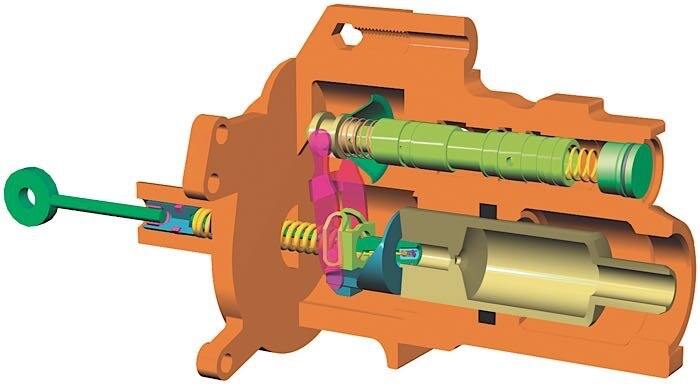
Credit: www.brakeandfrontend.com
Frequently Asked Questions
How Do I Increase Vacuum For Power Brakes?
To increase vacuum, check for leaks in the vacuum hose and replace damaged parts. Use a vacuum booster or pump if needed.
What Causes Low Vacuum In Power Brake Systems?
Low vacuum usually results from leaks, a faulty check valve, or a weak engine vacuum source. Inspect these components regularly.
Can A Vacuum Pump Improve Power Brake Performance?
Yes, a vacuum pump can boost vacuum pressure, especially in diesel or turbocharged engines with low vacuum supply.
How Often Should I Check The Vacuum Level In Brakes?
Check vacuum levels during regular maintenance or if brake performance feels weak. Early detection prevents brake failure.
Conclusion
Increasing vacuum for power brakes helps improve braking performance safely. Check your vacuum lines and connections regularly for leaks or damage. Use a vacuum pump or booster to maintain steady pressure. Clean or replace filters to ensure smooth airflow. Small steps can make a big difference in brake response.
Keep your vehicle’s brake system in good shape for safer drives. Remember, consistent maintenance prevents brake problems and keeps you secure on the road. Simple care leads to better control and confidence while driving.