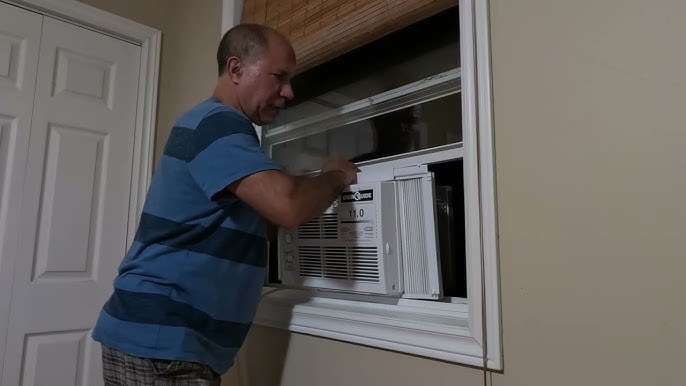
Are you tired of sweating through hot days and sleepless nights? Installing an air conditioner can be the game-changer you need to bring cool comfort into your home.
But the thought of setting it up might feel overwhelming. Don’t worry—you’re in the right place. This guide will walk you through the simple steps to install your air conditioner quickly and safely. By the end, you’ll know exactly what to do, saving you time, money, and frustration.
Ready to beat the heat and enjoy cool air whenever you want? Let’s get started!
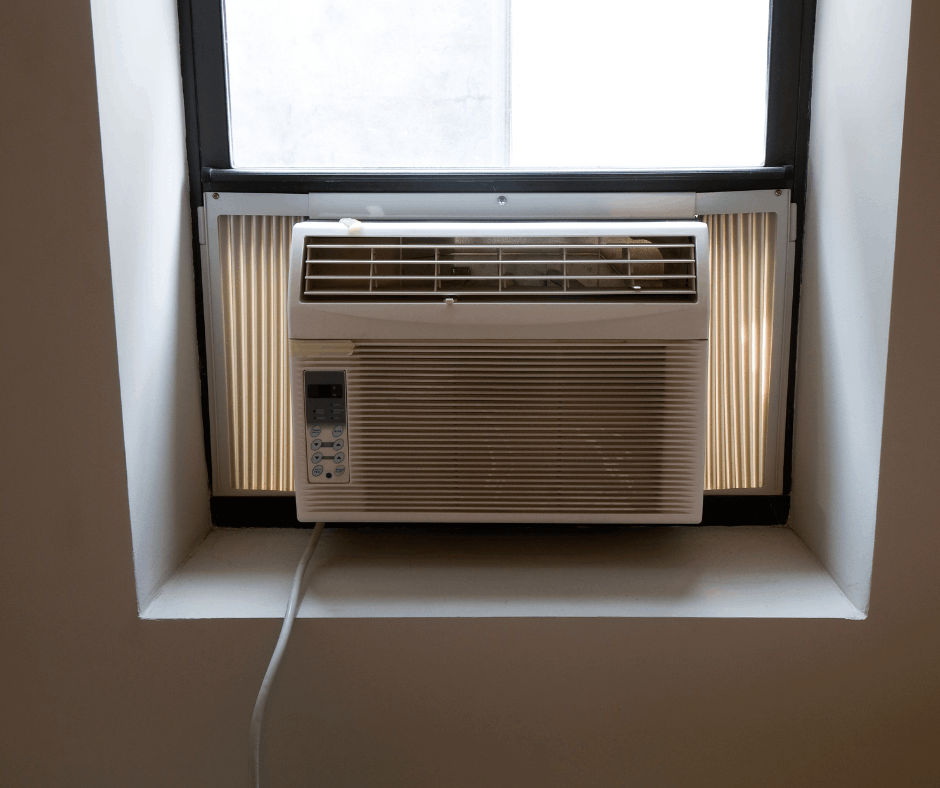
Credit: www.bluefrosthvac.com
Choosing The Right Air Conditioner
Installing an air conditioner helps keep your home cool and comfortable. Picking the right type is important for best results and energy savings.
Consider your room size, budget, and cooling needs before choosing an air conditioner. Different models suit different spaces and uses.
Types Of Air Conditioners
There are several types of air conditioners. Each type has benefits and limits. Choose one that fits your space and lifestyle.
- Window Air Conditioners:Installed in a window, good for small rooms.
- Split Air Conditioners:Have two parts; quiet and efficient for medium to large rooms.
- Portable Air Conditioners:Moveable units that cool single rooms, easy to install.
- Central Air Conditioners:Cool the whole house through ducts, best for large homes.
Factors To Consider
| Factor | What to Check | Why It Matters |
| Room Size | Measure square footage | Choose AC size that cools efficiently |
| Energy Efficiency | Look for Energy Star rating | Save money on electric bills |
| Noise Level | Check decibel rating | Keep noise low for comfort |
| Installation | Consider ease and cost | Some units need professional help |
| Budget | Set a price range | Find a model that fits your budget |
Gathering Necessary Tools And Materials
Installing an air conditioner requires the right tools and materials. This helps make the job easier and safer.
Before starting, gather everything you need. This saves time and avoids interruptions during installation.
Essential Tools
Having the correct tools is important for a smooth installation. These tools help you handle the unit and secure it properly.
- Drill with various drill bits
- Screwdriver set (flathead and Phillips)
- Measuring tape
- Level tool
- Utility knife
- Wire stripper and cutter
- Adjustable wrench
- Stud finder
- Safety gloves and goggles
- Caulking gun and sealant
Materials Checklist
Materials vary depending on the air conditioner type. Check the list below to ensure you have what is needed.
| Material | Purpose | Notes |
|---|---|---|
| Air conditioner unit | Cooling appliance | Choose correct size for room |
| Mounting bracket | Supports the unit | Included with some units |
| Insulation foam | Seals gaps around the unit | Prevents air leaks |
| Electrical wiring | Connects unit to power | Follow local codes |
| Drain pipe | Removes condensation | Check length needed |
| Caulk or sealant | Seals openings | Use weatherproof type |
Preparing The Installation Area
Preparing the area is important before installing an air conditioner. A clean and clear space helps the unit work well.
This guide covers how to pick the right spot and keep good airflow for your air conditioner.
Selecting The Location
Choose a place that supports the air conditioner’s function. It should be near a power source and easy to reach.
Avoid spots with direct sunlight or heat sources. These can make the unit work harder and waste energy.
- Near an electrical outlet for power
- Away from direct sunlight and heat
- Close to the room’s center for even cooling
- Free from obstructions like furniture or curtains
Ensuring Proper Ventilation
Good ventilation allows the air conditioner to remove heat and work efficiently. It needs space for air to flow freely.
Make sure the outside unit is not blocked by walls or plants. Keep at least 2 feet of open space around it.
- Keep vents and filters clean
- Leave space around the outdoor unit
- Do not block airflow with objects
- Check that air can move easily in and out

Credit: thelenmechanical.com
Installing The Air Conditioner Unit
Installing an air conditioner unit correctly ensures it works well and lasts longer. This guide covers key steps to position and secure the unit safely.
Follow these instructions carefully for a smooth installation process and better cooling performance.
Positioning The Unit
Choose a spot that allows good air flow and easy access for maintenance. Avoid places near direct sunlight or heat sources.
- Pick a location close to an electrical outlet.
- Ensure the wall or window can hold the unit’s weight.
- Leave space around the unit for ventilation.
- Check that the unit does not block doors or windows.
Securing The Unit
Use the right tools and hardware to secure the air conditioner. This prevents movement and reduces noise during operation.
| Tool | Purpose | Tip |
|---|---|---|
| Drill | Make holes for screws or bolts | Use a drill bit suitable for the wall material |
| Screws and Anchors | Hold the unit firmly in place | Choose anchors rated for the unit’s weight |
| Level | Ensure the unit is horizontal | Check before tightening screws |
| Wrench | Tighten bolts securely | Do not overtighten to avoid damage |
Connecting Electrical Components
Connecting electrical parts is key to installing an air conditioner. You must follow the instructions carefully to avoid damage.
This guide covers wiring instructions and safety steps to help you connect the electrical components safely and correctly.
Wiring Instructions
Before starting, turn off the main power to prevent shocks. Use the right wire size based on the AC unit’s specifications.
- Locate the electrical junction box near the installation area.
- Connect the ground wire (green or bare copper) to the grounding screw.
- Attach the live wire (usually black or red) to the live terminal.
- Connect the neutral wire (usually white) to the neutral terminal.
- Use wire nuts to secure all connections tightly.
- Cover all wires with electrical tape to avoid exposure.
Safety Precautions
| Precaution | Reason |
| Turn off power before wiring | Prevents electric shock and injury |
| Use insulated tools | Protects against accidental contact with live wires |
| Check wire ratings | Avoids overheating and fire risks |
| Secure all connections | Prevents loose wires and shorts |
| Follow local electrical codes | Ensures legal and safe installation |
Testing The Air Conditioner
After installing your air conditioner, testing it is very important. This step ensures the unit works well and cools properly.
Testing helps find problems early so you can fix them quickly. It also confirms the installation was done right.
Initial Performance Check
Start by turning on the air conditioner and setting it to cool mode. Listen for any strange noises or vibrations.
Check if cold air flows from the vents after a few minutes. Measure the temperature to see if it matches the settings.
- Ensure the unit powers on without delay
- Check for steady airflow from all vents
- Measure air temperature drop of about 15-20°F (8-11°C)
- Listen for unusual sounds like rattling or buzzing
- Inspect the outdoor unit for proper fan operation
Troubleshooting Common Issues
If the air conditioner does not cool well, check the filters and vents for blockage. Clean them if dirty.
Sometimes, the unit may leak water or make loud noises. These signs show problems that need fixing.
- Unit does not start: Check power supply and circuit breaker
- No cold air: Clean or replace filters and check refrigerant levels
- Water leaks: Ensure drain pipe is clear and properly connected
- Loud noise: Tighten loose parts or check fan blades
- Unusual smell: Inspect for mold or electrical issues
Maintenance Tips For Longevity
Keeping your air conditioner in good shape helps it last longer. Regular care saves money and keeps your home cool.
Simple maintenance tasks prevent big problems and improve air quality. Follow these tips to extend your AC’s life.
Regular Cleaning
Clean your air conditioner often to remove dust and dirt. Dirty parts reduce efficiency and cause damage.
Focus on the filters, coils, and fins. Clean parts help the AC cool better and use less energy.
- Remove and wash or replace air filters monthly
- Use a soft brush or vacuum to clean coils and fins
- Clear debris around the outdoor unit
- Wipe down the exterior parts with a damp cloth
Seasonal Maintenance
Check your air conditioner before and after summer. Seasonal checks catch issues early.
Inspect electrical connections, refrigerant levels, and the drainage system. Fix small problems before they grow.
- Test the thermostat to ensure accurate cooling
- Check refrigerant and refill if needed
- Clean and clear the drainage pipe
- Inspect wiring for wear or damage
- Schedule a professional checkup yearly

Credit: apexelectricmechanical.ca
Frequently Asked Questions
What Tools Are Needed To Install An Air Conditioner?
You need a drill, screwdriver, level, measuring tape, and mounting brackets. Safety gloves and sealant help ensure a secure and safe installation.
How Do I Choose The Right Air Conditioner Size?
Measure your room’s square footage. Match the air conditioner’s BTU rating to the room size for optimal cooling efficiency.
Can I Install A Window Air Conditioner Myself?
Yes, with basic tools and careful instructions, you can install a window AC. Ensure the unit is secure and properly sealed.
How Do I Maintain My Air Conditioner After Installation?
Clean or replace filters monthly. Check for leaks and clear debris around the unit. Schedule professional servicing yearly for peak performance.
Conclusion
Installing an air conditioner can be simple with clear steps. Follow the instructions carefully to avoid mistakes. Check all connections and test the unit before finishing. Proper installation helps your AC work well and last longer. Stay safe by using the right tools and asking for help if needed.
Enjoy a cool home during hot days. Taking time now saves you trouble later. Ready to feel the chill? Your comfort starts with good installation.