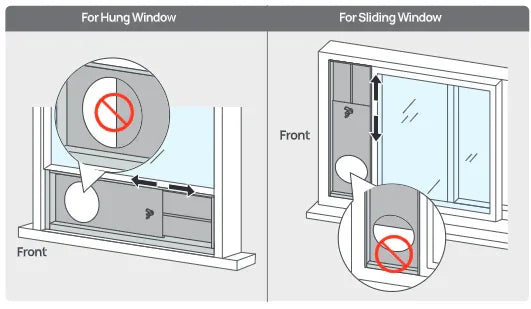
Are you ready to stay cool this summer without breaking the bank? Installing a sliding window air conditioner might sound tricky, but with the right steps, you can do it yourself quickly and easily.
Imagine enjoying a refreshing breeze in your room without waiting for a technician or paying extra fees. In this guide, you’ll discover simple, clear instructions to get your air conditioner up and running in no time. Keep reading, and you’ll be surprised at how straightforward it can be to beat the heat on your own.
Choose The Right Air Conditioner
First, measure the width and height of your window opening. This ensures the air conditioner fits well and stays secure. Measure the window frame’s inside width and height accurately.
Check the cooling capacity needed for your room size. It is measured in BTUs (British Thermal Units). A small room needs about 5,000 BTUs, while a larger room needs more. Choose a unit with enough power to cool your space efficiently.
Energy efficiency saves money and helps the environment. Look for air conditioners with the ENERGY STAR label. These units use less electricity and cool better. Also, check the Energy Efficiency Ratio (EER). Higher EER means better efficiency.
| Room Size (sq. ft.) | Recommended BTUs | Energy Efficiency Tip |
|---|---|---|
| Up to 150 | 5,000 – 6,000 | Look for ENERGY STAR units |
| 150 – 300 | 6,000 – 8,000 | Check for high EER rating |
| 300 – 450 | 8,000 – 10,000 | Choose efficient models to save power |

Credit: archexteriors.com
Gather Necessary Tools
Gathering the right toolsmakes the installation easier and safer. Essential items include a drill, screwdriver, and measuring tape. A levelhelps keep the unit straight. You will also need support bracketsand screwsfor secure fitting.
Use protective glovesto avoid cuts. Safety glasses protect your eyes from dust and debris. It’s important to have a dust maskif drilling creates dust. Proper safety gear prevents injury during installation.
| Tools | Safety Equipment |
|---|---|
| Drill | Protective gloves |
| Screwdriver | Safety glasses |
| Measuring tape | Dust mask |
| Level | |
| Support brackets | |
| Screws |
Prepare The Window
Start by cleaning the window framethoroughly. Use a damp cloth to remove dust and dirt. This helps the air conditioner fit snugly.
Next, remove any obstructionssuch as curtains, blinds, or screens. This creates space and makes installation easier.
Check the window for damage. Look for cracks or rot in the frame. Fix any issues before installing the unit to ensure safety and stability.
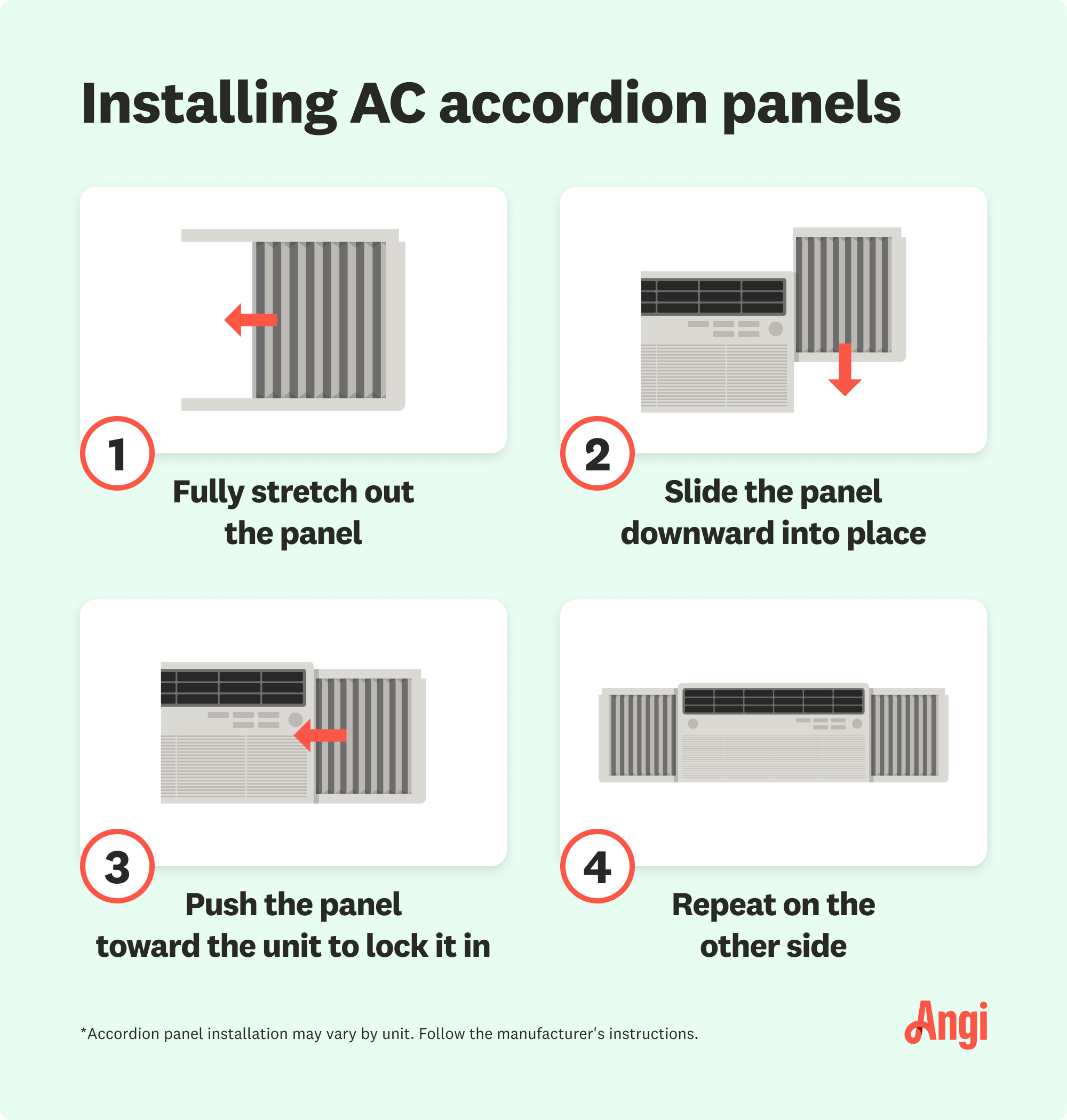
Credit: www.angi.com
Install The Support Bracket
Place the support bracket where the air conditioner will sit. Make sure it is level and fits the window frame snugly. This helps hold the unit steady.
Use a pencil to mark the screw holes on the window frame. Check that the bracket is straight before marking.
Secure the bracket by driving screws into the marked spots. Use screws that match the bracket holes for a tight fit. Tighten screws firmly but avoid over-tightening to prevent damage.
Place The Air Conditioner
Lift the air conditioner carefully and hold it steady. Use both hands to avoid dropping it. Slide the unit gently into the window track. Check that it fits snugly without forcing it.
Ensure the unit is level to work properly. A tilted air conditioner may leak water. Adjust the position until it sits evenly in the frame.
- Make sure the side panels fill the window opening.
- Use screws or brackets to secure the unit.
- Seal gaps with weather stripping to keep air out.
A proper fit keeps the room cool and stops bugs or dust from entering. Take time to check the window frame size before placing the unit.
Seal Gaps And Secure Panels
Attach the side panels to the air conditioner carefully. Make sure they fit tightly against the window frame. This helps block air from escaping and keeps bugs out.
Use weather stripping along the edges of the panels. It creates a soft seal that stops drafts. Press it firmly so it sticks well.
Seal any small gaps with caulk. This prevents air leaks and water from entering. Smooth the caulk with a finger or tool for a neat finish.
Connect Power And Test
Plug the air conditioner into a grounded power outlet. Make sure the cord is not damaged. Avoid using extension cords for safety.
Turn the unit on and set it to the cooling mode. Listen for the sound of the compressor starting. Check if cold air flows from the vents.
- Set the thermostat to a cool temperature.
- Adjust fan speed to your comfort.
- Use timer settings if available.
Watch for any unusual noises or leaks. Confirm that the air conditioner runs smoothly without interruption.
Maintain Your Air Conditioner
Cleaning filterskeeps your air conditioner working well. Dust and dirt block airflow. This makes the unit less cool and uses more power. Remove the filters and wash them with warm water. Let them dry before putting them back. Do this every month during use.
Storing the unit properly during the off-season helps it last longer. Remove the air conditioner from the window. Clean it and dry all parts to stop mold. Cover it with a plastic sheet or cloth. Store it in a cool, dry place. This protects the unit from dust and damage.

Credit: www.dreo.com
Frequently Asked Questions
How Do I Measure For A Sliding Window Ac?
Measure the window’s width and height accurately. Ensure the AC unit fits securely within these dimensions. Check manufacturer guidelines for additional requirements. Accurate measurements ensure a snug fit and optimal performance.
Can I Install The Ac Unit Alone?
While possible, having assistance is advisable. Sliding window AC units can be heavy and unwieldy. A helper ensures safe handling and precise installation. Two people make the process smoother and prevent potential damage.
What Tools Do I Need For Installation?
You’ll need a screwdriver, measuring tape, and a level. Some installations may require additional tools like a drill or screws. Check the installation manual for specific tool requirements to ensure a successful setup.
Is Additional Support Needed For The Unit?
Yes, additional support may be necessary. A sliding window AC can be heavy, so use brackets for stability. Proper support prevents window damage and ensures the unit operates safely and efficiently.
Conclusion
Installing a sliding window air conditioner is simple and quick. Follow each step carefully for best results. Make sure the unit fits well and seals tightly. Check the power source and safety before turning it on. Keep the area clean and clear around the unit.
Enjoy cool air during hot days without extra costs. A properly installed AC helps save energy and money. Small effort now means comfort all summer long. You can do this with confidence and ease.