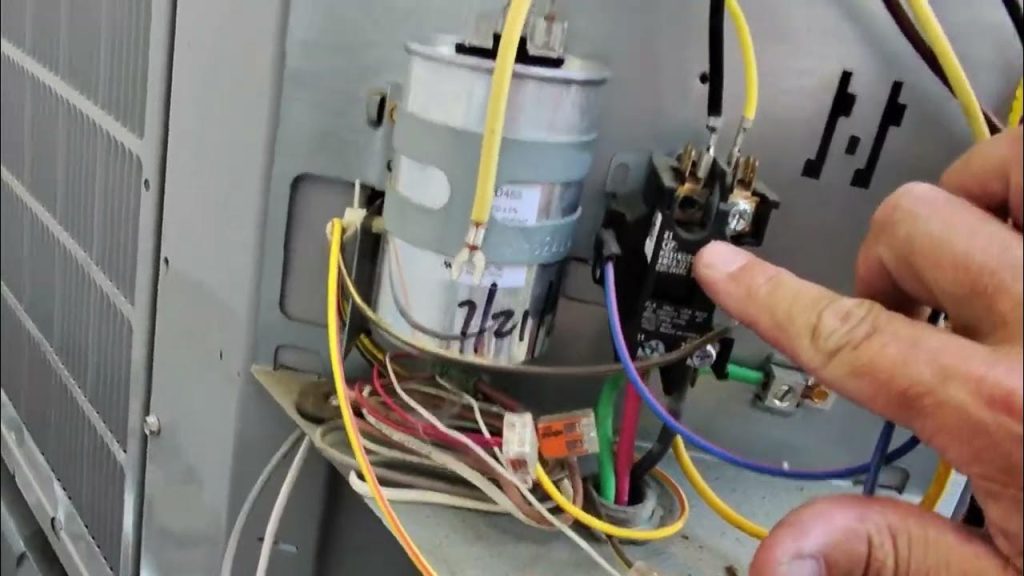
Are you struggling with your air conditioner not starting or cooling properly? The problem might be a faulty capacitor.
Knowing how to install an air conditioner capacitor can save you time and money on repairs. In this guide, you’ll learn simple, step-by-step instructions to replace the capacitor safely and get your AC running smoothly again. Keep reading, and you’ll soon feel confident tackling this common issue on your own.
Tools And Materials Needed
Gathering the right tools and materialshelps make the job easier. Essential items include:
- Screwdriverfor removing and securing screws.
- Multimeterto test the capacitor and ensure safety.
- Needle-nose pliersfor handling small wires.
- Replacement capacitormatching your air conditioner’s specs.
- Electrical tapeto cover exposed wires after installation.
- Safety glovesto protect your hands.
- Voltage testerto confirm power is off before starting.
Having all these ready saves time and helps avoid mistakes.
Credit: www.carrier.com
Safety Precautions
Turn off powerto the air conditioner before starting. Use a voltage testerto confirm no electricity flows. Capacitors can hold dangerous chargeseven when off. Discharge the capacitorusing a screwdriver with an insulated handle. Wear rubber glovesand eye protectionto avoid shocks and injuries.
Work in a dry areato reduce risk of electric shock. Keep tools and hands dry. Avoid wearing metal jewelrylike rings or bracelets. Make sure the workspace is clean and free from clutter for safety.
- Read the air conditioner manual for specific instructions
- Handle the capacitor carefully to prevent damage
- Keep children and pets away during the installation
- Do not touch capacitor terminals directly
Locating The Capacitor
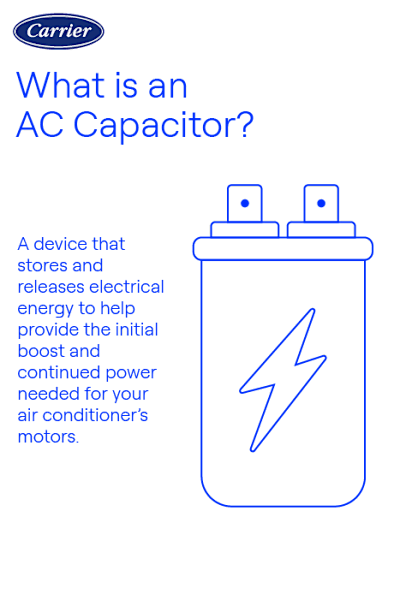
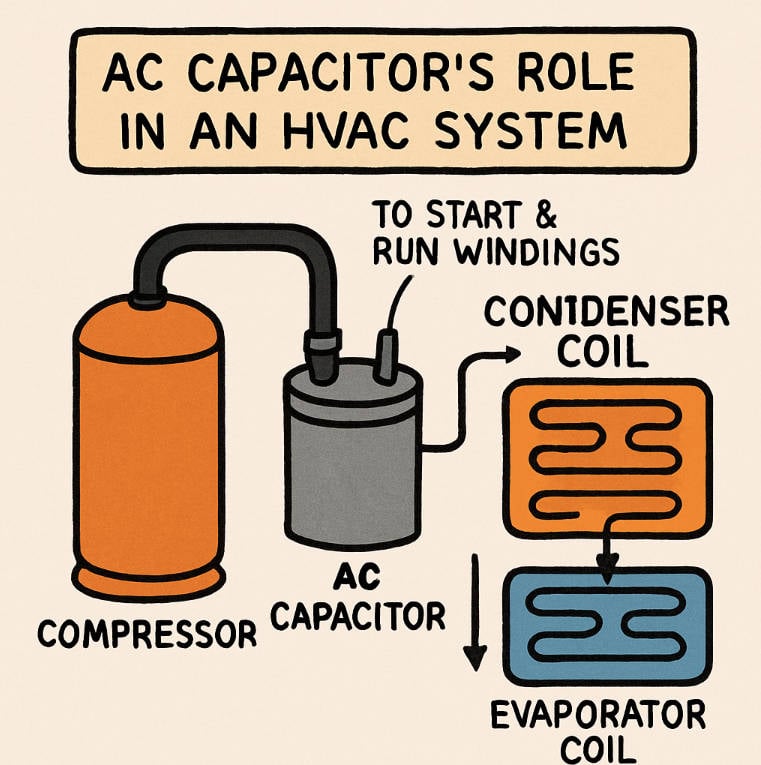
The capacitoris a small, round or oval part inside the outdoor unit of the air conditioner. It is usually near the compressor or fan motor. The capacitor stores energy and helps start the motor.
Look for a metal or plastic coveron the side of the unit. Remove this cover carefully to see the capacitor. It often has wires connected to it with labels like C(common), HERM(compressor), or FAN(fan motor).
- Turn off the power to avoid electric shock.
- Locate the outdoor unit of your air conditioner.
- Remove the panel or cover to access the inside.
- Find the capacitor near the compressor or fan motor.
Discharging The Capacitor
Capacitors store electric charge and can hold a dangerous shock. Before working, discharge the capacitorsafely to avoid injury. Use a screwdriver with an insulated handle. Hold the metal part to touch both terminals of the capacitor at the same time. This action releases stored electricity.
Wear insulated gloves for extra safety. Double-check the capacitor is fully discharged by testing the terminals with a voltage tester. Never touch the terminals directly with your hands. Always assume the capacitor has charge until proven safe.
- Turn off power to the air conditioner.
- Use insulated tools to discharge the capacitor.
- Wear safety gloves to protect your hands.
- Test the capacitor with a voltage tester afterward.
Removing The Old Capacitor
Turn off the power to the air conditioner first. This is very important for safety. Use a screwdriver to remove the cover panel. You will see the old capacitor inside. Take a picture or note how the wires are connected. This helps during installation of the new capacitor.
Use insulated tools to disconnect the wires carefully. Do not touch the capacitor terminals directly. The capacitor may still have an electric charge. Discharge it by connecting a screwdriver with an insulated handle across the terminals. Wear gloves and safety glasses for extra protection.
Once discharged, remove the screws or clips holding the capacitor in place. Take out the old capacitor gently. Do not damage the wires or other parts inside the unit. Keep the old capacitor away from children and pets. You are now ready to install the new capacitor safely.
Choosing The Right Replacement
Choose a capacitor that matches the voltageand microfarad (µF) ratingof the old one. Using the wrong size can cause the air conditioner to fail or get damaged. Check the label on the old capacitor for this information.
Buy a capacitor with the same shapeand terminal type. It should fit well in the unit. The terminals must match the wires for easy connection.
| Feature | What to Check |
|---|---|
| Voltage | Matches old capacitor (e.g., 370V) |
| Microfarad (µF) | Same rating as old capacitor (e.g., 35+5 µF) |
| Terminal Type | Spade or screw, same size |
| Shape | Round or oval, fits in unit |
Installing The New Capacitor
Before installing, make sure the power is off. Safety first. Remove the old capacitor carefully. Check the new capacitor’s rating matches the old one. Look at the voltage and microfarad numbers.
Hold the new capacitor and connect the wires to the correct terminals. Usually, terminals are marked with letters. Match each wire to its proper terminal. Secure the wires tightly to avoid loose connections.
Place the capacitor in its holder or mount it securely. Avoid touching the capacitor terminals after installation. Turn the power back on and test the air conditioner. The unit should start smoothly without strange noises.

Credit: www.angi.com
Testing The Air Conditioner
Turn off the power to the air conditioner before testing. Safety first.
Use a multimeter to check the capacitor’s charge. Set it to the microfarads (µF) scale.
Discharge the capacitor by touching its terminals with a screwdriver. This avoids shocks.
Remove the wires from the capacitor terminals carefully. Note their positions for reinstallation.
Place the multimeter probes on the capacitor terminals. Read the measurement.
Compare the reading with the capacitor’s rated value printed on its side. A good capacitor shows a reading close to this value.
If the reading is very low or zero, the capacitor is faultyand needs replacement.
- Wear insulated gloves during testing
- Never test a capacitor while it is connected
- Repeat the test a couple of times for accuracy
Troubleshooting Common Issues
Common issueswith AC capacitors include failure to start, buzzing noises, and overheating. A dead capacitorstops the motor from running properly. Signs of a bad capacitor are a warm compressor or fan motor that won’t start.
Testingthe capacitor with a multimeter helps find problems. Look for swollen or leakingparts as physical signs of damage. A capacitor with low microfarad (µF) readings needs replacement.
- Check power is off before handling the capacitor.
- Discharge the capacitor safely to avoid shocks.
- Use a multimeter to test capacitance.
- Replace if readings are below the rated value.
- Secure new capacitor firmly before powering on.
Credit: www.bettlink.com
Frequently Asked Questions
What Tools Do I Need To Install A Capacitor?
To install an air conditioner capacitor, you’ll need a screwdriver, pliers, and a multimeter. Make sure to have safety gloves and goggles as well. These tools ensure a safe and efficient installation process.
How Do I Identify A Faulty Capacitor?
A faulty capacitor often shows bulging or leaking. Your air conditioner might also produce a humming sound. If the unit doesn’t start, it’s another common sign of a capacitor issue.
Can I Install A Capacitor Myself?
Yes, you can install a capacitor yourself with basic tools and safety precautions. However, ensure the power is off before starting. If unsure, it’s safer to consult a professional.
How Long Does A Capacitor Installation Take?
Installing a capacitor typically takes 30 minutes to an hour. This depends on your experience and the air conditioner’s design. Ensure you follow the manufacturer’s instructions for a smooth process.
Conclusion
Replacing an air conditioner capacitor is a simple task with the right steps. Always turn off the power before starting. Use a screwdriver to remove the old capacitor carefully. Match the new capacitor’s ratings with the old one. Connect the wires to the correct terminals.
Tighten all connections securely. Test the unit to ensure it runs well. Safety comes first—wear gloves and avoid touching metal parts. Taking your time helps prevent mistakes. With these tips, you can keep your air conditioner running smoothly. Easy and safe!