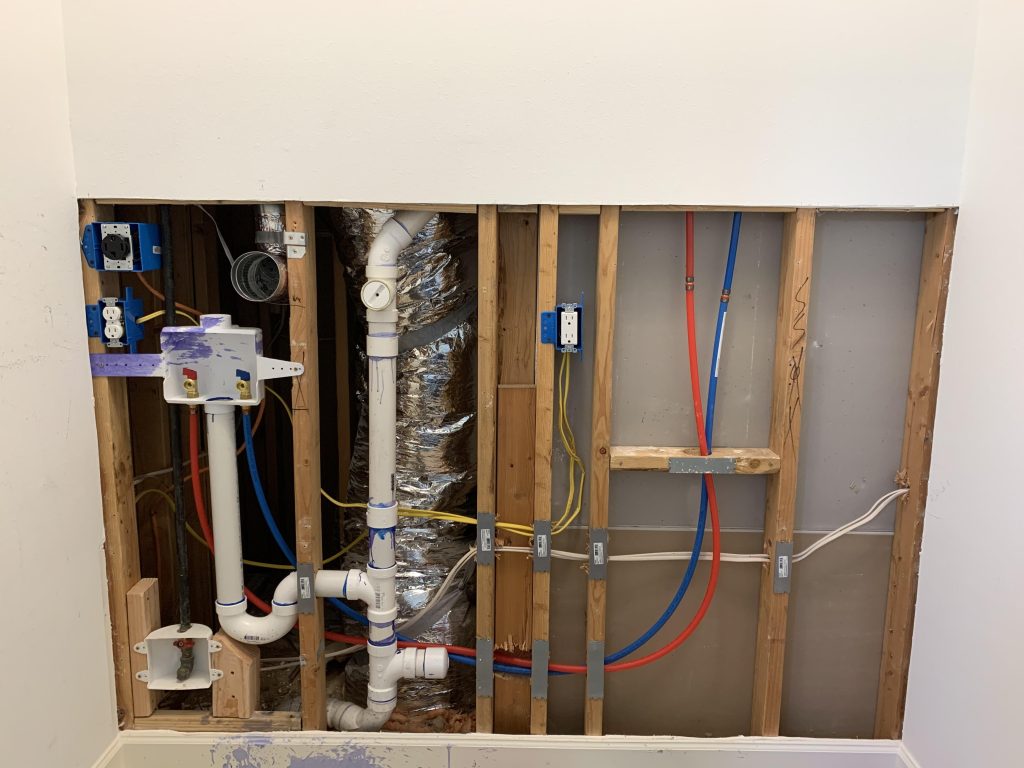
Are you ready to make laundry day easier by setting up your own washer and dryer hookups? Installing these connections yourself might sound tricky, but with the right guidance, you can do it confidently and save money.
Imagine having the convenience of a laundry area right at home, without waiting for a plumber. You’ll discover simple, step-by-step instructions to install washer and dryer hookups safely and effectively. Keep reading, and you’ll soon have everything in place to handle laundry like a pro.
Tools And Materials Needed
Installing washer and dryer hookups requires specific tools and materials. Having them ready makes the job easier and safer.
These tools help you connect water, electricity, and drainage for your laundry appliances.
Water Supply Valves
Water supply valves control water flow to your washer. Use shut-off valves to stop water during installation or repairs.
- Hot water valve
- Cold water valve
- Ball or gate valves preferred
Drain Pipe And Fittings
The drain pipe carries used water from the washer. Use PVC or ABS pipes that fit your local codes.
- Drain pipe (1.5-inch diameter)
- Elbow joints and connectors
- Pipe hangers or straps
Electrical Outlet And Wiring
Dryers need a proper electrical outlet. Most dryers use a 240-volt outlet with a matching plug.
- 240-volt outlet (for electric dryers)
- Appropriate circuit breaker
- Electrical wires and connectors
Hose And Connectors
Hoses connect the water valves to the washer. Use durable hoses to prevent leaks or bursts.
- Hot and cold water hoses
- Hose clamps
- Flexible dryer vent hose
Tools For Installation
Use the right tools to cut pipes, tighten fittings, and secure connections. This ensures a safe setup.
- Adjustable wrench
- Pipe cutter or hacksaw
- Screwdrivers (flat and Phillips)
- Drill with bits
- Level
- Plumber’s tape (Teflon tape)
- Measuring tape
Choosing The Right Location
Selecting the best place for washer and dryer hookups is important. It makes laundry tasks easier and safer.
Think about space, plumbing, and electricity before starting the installation.
Space Requirements
Choose a spot with enough room for both appliances. Leave extra space for doors to open fully.
- Measure width, depth, and height of washer and dryer
- Allow at least 3 inches of clearance on all sides
- Keep space free of clutter for easy access
Access To Water Supply
Pick a location close to hot and cold water lines. This reduces the cost and effort of plumbing work.
Check if water pressure meets the washer’s needs. Poor pressure can cause poor washing performance.
Drainage Options
A proper drain is necessary to handle wastewater from the washer. Locate near a floor drain or standpipe.
| Drain Type | Description | Pros | Cons |
|---|---|---|---|
| Floor Drain | Drain in the floor near washer | Easy water flow | Needs proper plumbing |
| Standpipe | Vertical pipe for washer drain hose | Common in laundry rooms | Must be correctly sized |
| Utility Sink | Sink used to drain washer water | Multi-purpose use | May splash water |
Electrical Supply
Dryers need a special electrical outlet. Washers require a grounded outlet for safety.
- Use a 240-volt outlet for electric dryers
- Gas dryers need a 120-volt outlet plus gas hookup
- Check local codes for electrical requirements
Ventilation Needs
Dryers require good ventilation to remove heat and moisture. Choose a spot near an exterior wall.
A properly vented dryer lowers fire risk and improves drying speed. Avoid placing the dryer in a small, closed space without vent access.
Preparing Water Supply Lines
Installing washer and dryer hookups requires setting up water lines properly. Preparing the water supply lines ensures your appliances work safely and efficiently.
Start by understanding the plumbing layout and gathering necessary tools. This preparation will make the installation easier and avoid leaks.
Shut Off Main Water Valve
Turn off the main water valve before working on any water lines. This stops water flow to your home and prevents flooding.
Find the main valve near your water meter or where the water line enters your house. Turn it clockwise to close it completely.
- Locate the main water valve
- Turn valve clockwise to shut off water
- Open faucets to drain remaining water
- Confirm water is off before proceeding
Install Hot And Cold Water Lines
Install separate lines for hot and cold water to your washer hookup. Use flexible hoses or copper pipes for easy connection.
Attach shut-off valves on both hot and cold lines. These valves let you control water flow to the washer without affecting the whole house.
- Measure and cut pipes to needed length
- Attach shut-off valves to hot and cold lines
- Connect pipes to washer supply valves
- Check all connections for tightness
- Turn on main valve and test for leaks

Credit: www.reddit.com
Setting Up Drainage System
Setting up a proper drainage system is key for washer and dryer hookups. It helps prevent water damage and keeps your laundry area clean.
This guide covers how to install the drain pipe and connect it to the main sewer line safely and efficiently.
Install Drain Pipe
Start by selecting a durable drain pipe, typically made of PVC. The pipe must be long enough to reach from the washer to the drainage area.
- Cut the pipe to the needed length using a saw.
- Deburr the edges to ensure smooth connections.
- Attach a P-trap to prevent sewer gases from entering your home.
- Secure the pipe to the wall with brackets to avoid movement.
- Make sure the pipe slopes downward slightly for proper drainage.
Connect To Main Sewer Line
Connecting the drain pipe to the main sewer line requires care to avoid leaks and blockages. Follow local plumbing codes for best results.
| Material | Purpose | Note |
| PVC Pipe | Main drain connection | Use solvent cement for joints |
| Rubber Coupling | Flexible connection | Use clamps for tight seal |
| Vent Pipe | Prevents vacuum in drain | Must connect above roofline |
| Cleanout Plug | Allows easy maintenance | Install near connection point |
Installing Electrical Connections
Installing electrical connections is key for washer and dryer hookups. Proper wiring keeps appliances safe and working well.
This guide covers the basics of power needs and outlet setup for these appliances.
Determine Power Requirements
Check the washer and dryer manuals for their power needs. Dryers usually need 240 volts, washers need 120 volts.
Make sure your home’s electrical system can handle these loads safely before installation.
- Dryers often need a 30-amp 240-volt circuit
- Washers usually require a 15-amp 120-volt circuit
- Confirm local electrical codes for required circuits
Wiring And Outlet Installation
Use the correct wire size and type for each circuit to avoid hazards. This depends on the appliance’s power needs.
Install proper outlets: a 4-prong 240-volt outlet for dryers, and a standard 120-volt outlet for washers.
- Use 10-gauge wire for 30-amp dryer circuits
- Use 14-gauge wire for 15-amp washer circuits
- Connect ground wires to the grounding bar in your panel
- Test outlets with a voltage tester before plugging in appliances
Mounting Washer And Dryer Hookups
Mounting washer and dryer hookups can seem like a daunting task. With the right tools and steps, you can do it yourself.
Proper installation ensures your appliances work efficiently and safely. Follow this guide to get started.
Gather Necessary Tools And Materials
Before you begin, make sure you have everything you need. Having the right tools will make the process smoother.
- Adjustable wrench
- Drill with bits
- Level
- Pipe wrench
- Safety goggles
- Water supply hoses
- Vent hose
Shut Off Water And Power
Safety is important. Make sure to turn off the water supply and unplug any electrical outlets before proceeding.
Install Water Supply Lines
Connecting the water supply lines is crucial for the washer’s operation. Follow the instructions for proper installation.
| Connection | Tool Needed |
| Cold water line | Pipe wrench |
| Hot water line | Pipe wrench |
| Drain hose | Adjustable wrench |
Vent The Dryer
The dryer needs proper ventilation to function well and prevent hazards. Install the vent hose securely to an external vent.
Test The Connections
Once everything is in place, test the connections. Turn on the water and power to check for any leaks or issues.
If you find any leaks, tighten the connections. Ensure all hoses and vents are secure before using your appliances.
Testing The Connections
After installing your washer and dryer hookups, it’s important to test the connections. Ensuring everything works correctly will save you from future issues.
Follow these steps to check for leaks and test electrical outlets for your new appliances.
Check For Leaks
Checking for leaks ensures that water is flowing properly and not causing damage. Here’s how you can do it:
- Turn on the water supply to the washer.
- Inspect hoses and connections for any signs of dripping.
- Place a dry towel under connections to detect small leaks.
- Adjust and tighten any loose connections as needed.
Test Electrical Outlets
It’s crucial to ensure your electrical outlets are functioning correctly. Faulty outlets can cause appliance failures or hazards.
Use a voltage tester to check each outlet:
- Insert the tester into the outlet.
- Look for the indicator light showing power.
- If the light does not turn on, consider calling an electrician.
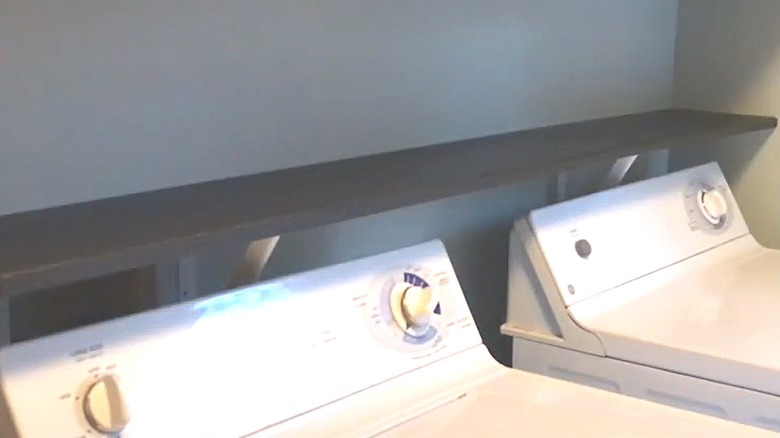
Ensure all outlets in your laundry area are grounded for safety.
Credit: www.housedigest.com
Safety Tips And Best Practices
Installing washer and dryer hookups requires careful attention to safety. Proper preparation helps avoid accidents and damage.
Follow best practices to ensure your installation is safe, efficient, and meets local codes.
Turn Off Power And Water
Always shut off the electrical power at the circuit breaker before working on dryer hookups. Also, close the main water supply valve to prevent leaks during installation.
Use Proper Tools And Equipment
Gather all necessary tools such as wrenches, pipe cutters, and voltage testers before starting. Use equipment rated for the job to avoid hazards.
Follow Local Building Codes
Check your local regulations for installing washer and dryer hookups. Codes often specify pipe types, electrical requirements, and venting rules.
Secure Water Connections
Use high-quality hoses and fittings to connect the washer to water supply lines. Tighten connections properly to avoid leaks and water damage.
Ensure Proper Dryer Venting
Dryer vents must be installed to allow hot air to exit safely outside. Use rigid or semi-rigid vent pipes and avoid plastic ducts.
- Place vent pipe as short and straight as possible
- Seal joints with foil tape, not duct tape
- Clean vents regularly to prevent fire hazards
Test Electrical Connections Safely
Check that all electrical wiring is grounded and connected correctly. Use a voltage tester to confirm power is off before touching wires.
Check For Leaks And Secure Appliances
| Check Item | Action |
| Water Connections | Inspect for drips and tighten if needed |
| Dryer Vent | Ensure vent pipe is sealed and free from blockages |
| Electrical Outlet | Test voltage and grounding |
| Appliance Stability | Level washer and dryer to prevent movement |

Credit: www.reddit.com
Frequently Asked Questions
What Tools Are Needed For Washer And Dryer Hookups?
Essential tools include a drill, adjustable wrench, pliers, pipe cutter, and a level. Also, have Teflon tape, hoses, and fittings ready for proper installation.
How Do I Connect Water Lines For The Washer?
Turn off the water supply. Attach hot and cold water hoses to corresponding valves. Use Teflon tape to prevent leaks. Tighten connections securely but avoid over-tightening.
What Type Of Electrical Outlet Is Required For A Dryer?
Dryers typically need a 240-volt outlet. Ensure your electrical panel can handle the load. Use a dedicated circuit with the correct breaker size for safety.
How To Install A Vent For A Dryer Properly?
Install the vent using rigid or semi-rigid metal ducting. Avoid plastic ducts to reduce fire risk. Keep the vent as short and straight as possible for airflow.
Conclusion
Installing washer and dryer hookups is a useful skill for any home. It saves time and money by avoiding professional help. Always follow safety rules and local codes during installation. Double-check all connections to prevent leaks or damage. Take your time and work carefully for the best results.
Soon, you will enjoy the convenience of your new laundry setup. This simple project can make your home more functional and comfortable. Keep this guide handy for reference whenever needed.