Are you tired of waking up in your tent drenched in sweat during hot summer nights? You’re not alone.
Keeping your tent cool and comfortable can be a real challenge when the sun is blazing. But what if you could transform your tent into a refreshing retreat, even on the hottest days? You’ll discover simple, effective ways to insulate your tent for summer.
These tips will help you stay cool, enjoy better sleep, and make your outdoor adventure much more enjoyable. Keep reading to learn how to beat the heat and make your tent a summer sanctuary.
Credit: www.battlbox.com
Choosing The Right Tent Material
Choosing the right material for your tent helps keep it cool during summer. Some fabrics allow air to flow well. Others block the sun’s rays.
It is important to know the benefits of different materials. This helps you pick the best one for summer camping.
Lightweight And Breathable Fabrics
Lightweight fabrics help reduce heat inside the tent. Breathable materials let air pass through. This stops the tent from feeling stuffy.
- Nylon: Strong and light but not very breathable.
- Polyester: Resists stretching and dries quickly.
- Mesh panels: Often added to tents for airflow.
- Canvas: Heavy but very breathable and cool.
- Ripstop fabrics: Designed to prevent tears while allowing breath.
Uv-resistant Options
UV-resistant tent materials protect you from the sun. They stop harmful rays and reduce heat inside the tent.
| Material | UV Protection | Weight | Durability |
|---|---|---|---|
| Polyester with UV coating | High | Light | Good |
| Silicone-coated nylon | Moderate | Very Light | Very Good |
| Canvas treated with UV blockers | High | Heavy | Excellent |

Credit: www.reddit.com
Setting Up In A Shady Spot
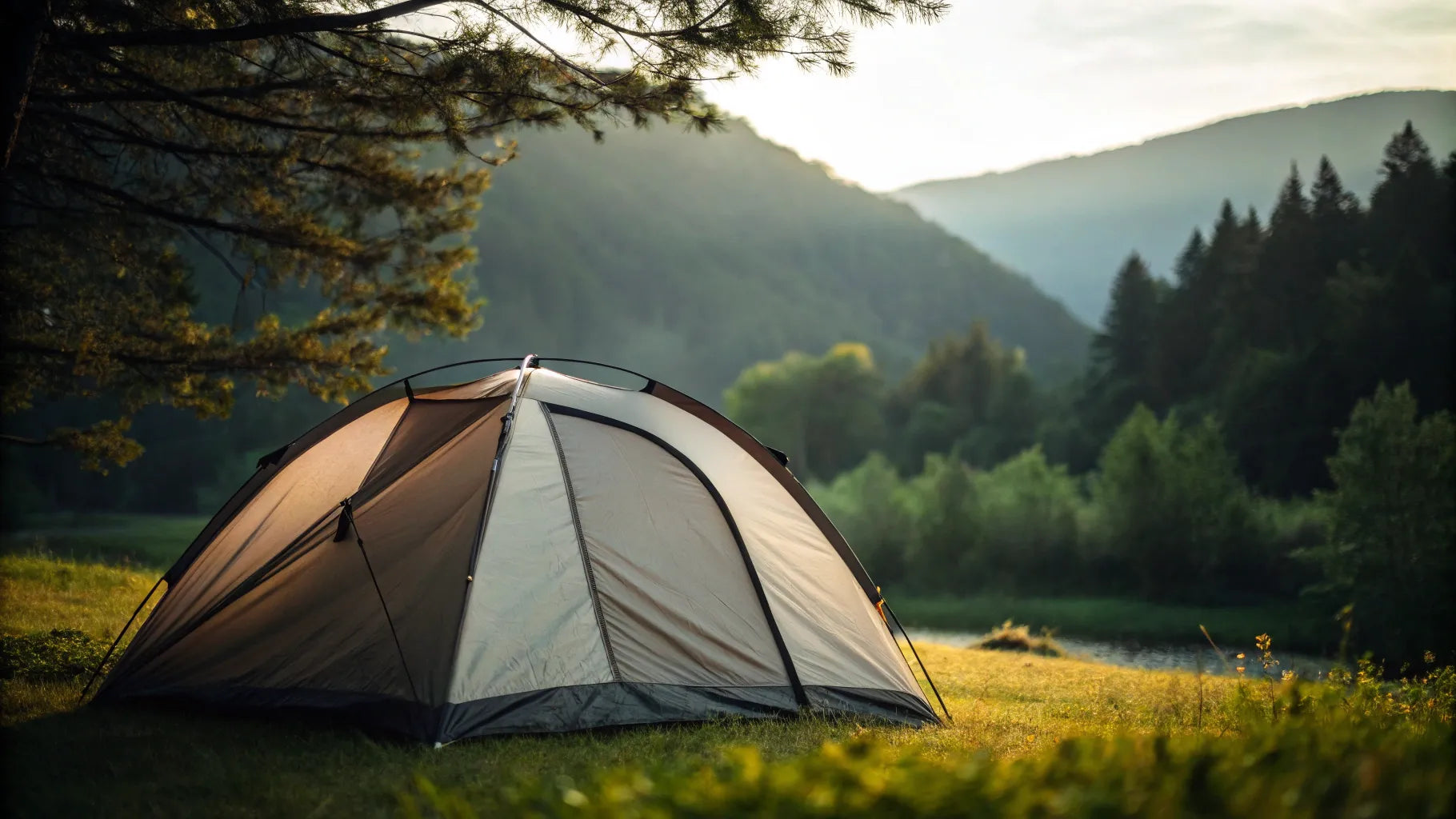
Keeping your tent cool in summer starts with choosing the right spot. Shade helps lower the inside temperature and protects you from harsh sun rays.
Finding or making shade can make your camping experience much more comfortable. Here are two ways to do that.
Using Natural Shade
Natural shade comes from trees, bushes, or rock formations. These spots block sunlight and keep your tent cooler.
- Look for tall trees with thick leaves.
- Avoid spots where the sun moves around and shines directly later.
- Check the ground for dryness to avoid dampness.
- Ensure the area is safe from falling branches.
Creating Artificial Shade
When natural shade is not available, you can create your own. Use tarps, umbrellas, or shade sails to block the sun.
| Shade Method | Materials Needed | Tips |
| Tarp Shelter | Tarp, rope, poles | Secure tightly to avoid wind damage |
| Pop-up Canopy | Canopy tent | Place above your tent for extra cover |
| Umbrella | Large outdoor umbrella | Use with a sturdy base to prevent tipping |
| Shade Sail | Shade fabric, ropes, anchors | Angle to block afternoon sun |
Ventilation Techniques
Keeping your tent cool during summer is important for comfort. Good airflow helps reduce heat and moisture inside.
Using the right ventilation methods will make your tent more pleasant on hot days. Here are some simple ways to improve airflow.
Opening Mesh Windows
Mesh windows let air in while keeping bugs out. Open them fully during the day to let fresh air circulate.
- Unzip mesh windows completely for maximum airflow.
- Use window flaps to control how much air enters.
- Keep windows on opposite sides open to create cross-ventilation.
- Close mesh windows at night to avoid insects.
Using Ventilation Flaps
Ventilation flaps are small openings near the tent’s top or sides. They help hot air escape and keep air moving.
| Type of Vent | Purpose | Tips |
| Roof Vents | Release hot air rising inside the tent | Keep open during the hottest parts of the day |
| Side Flaps | Allow fresh air to enter and circulate | Adjust flap openings to control airflow |
| Ground Vents | Bring cool air from outside | Keep clear of debris for better airflow |
Positioning Tent For Breeze
Place your tent where it can catch natural breezes. Look for open spaces without tall trees blocking wind.
- Face the tent’s main door toward the wind direction.
- Set up near hills or ridges where wind flows freely.
- Avoid low spots where air can become still and hot.
- Check the wind direction before pitching your tent.
Adding Reflective Covers
Keeping your tent cool in summer is important for comfort. Reflective covers help block sunlight and heat.
Using reflective materials is a simple way to reduce heat inside your tent. This guide covers two easy methods.
Using Reflective Tarps
Reflective tarps reflect sunlight away from your tent. They work best if placed above or around the tent.
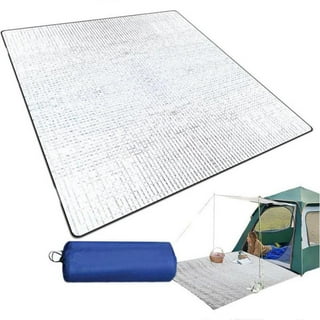
- Buy a tarp with a silver reflective surface.
- Secure the tarp above your tent using ropes or poles.
- Leave space for air to flow between tarp and tent.
- Check that the tarp covers the tent’s sunny sides.
- Make sure the tarp is tight to avoid flapping in wind.
Diy Reflective Shields
You can make your own reflective shields using simple materials. These shields add extra protection from the sun.
| Material | Purpose | Tips |
|---|---|---|
| Aluminum foil | Reflects sunlight | Use thick foil for better durability |
| Cardboard | Provides structure | Cut to fit tent walls |
| Glue or tape | Attaches foil to cardboard | Use weather-resistant tape |
| String or clips | Secures shield to tent | Attach at corners for stability |
Make sure shields cover the tent’s sunny sides well. Remove them at night to avoid moisture buildup.
Floor And Ground Insulation
Insulating your tent floor helps keep it cool in summer. It stops heat from the ground from reaching inside.
Good floor insulation also adds comfort and protects against dampness. Use simple materials to create a cool base.
Using Ground Tarps
Place a tarp under your tent to block heat and moisture. It adds a layer between the hot ground and your tent floor.
Choose a tarp that is waterproof and thick enough to stop heat. This keeps the tent floor cooler and dry.
- Lay the tarp flat on the ground before setting up the tent
- Make sure tarp edges do not extend too far beyond the tent
- Use heavy-duty tarps for better insulation and durability
Adding Foam Or Rugs
Foam pads or rugs add extra insulation inside the tent. They create a soft barrier that stops ground heat.
Use closed-cell foam or thick rugs for best results. These materials help keep the floor cool and comfortable.
- Place foam pads directly on top of the tarp
- Cover foam with rugs for added comfort
- Choose light-colored rugs to reflect heat
Cooling Accessories
Keeping your tent cool in the summer is important for comfort. Cooling accessories help reduce heat inside your tent. They work well with good ventilation and shade.
This guide covers two popular accessories: portable fans and cooling towels and pads. Each helps you stay cool in different ways.
Portable Fans
Portable fans are easy to carry and use inside tents. They circulate air and help sweat evaporate from your skin. This lowers your body temperature and makes the tent feel cooler.
- Battery-powered fans do not need electricity.
- Clip-on fans can attach to tent poles or gear loops.
- Rechargeable fans save money on batteries.
- Look for fans with adjustable speed settings.
- Some fans also have misting features for extra cooling.
Cooling Towels And Pads
Cooling towels and pads use special materials to stay cool after wetting. They absorb water and release it slowly, providing a cooling effect. You can use towels around your neck or pads on your body.
| Accessory | Use | Care Tips |
| Cooling Towels | Wear around neck or head | Wet, wring out, and air dry after use |
| Cooling Pads | Place on seat or pillow | Keep clean and avoid sharp objects |
Waterproofing And Heat Management
Keeping a tent dry and cool in summer is important for comfort and safety. Good waterproofing stops rain and dew from soaking your gear.
Managing heat inside the tent helps you sleep well and avoid overheating. This guide covers two key points: waterproof sprays and condensation control.
Applying Waterproof Sprays
Waterproof sprays add a protective layer to your tent fabric. They help water roll off and keep the tent dry during summer rains.
- Choose a spray suitable for your tent material.
- Clean the tent surface before applying the spray.
- Spray evenly and avoid drips.
- Allow the tent to dry fully before packing.
- Reapply the spray every season or after heavy use.
Managing Condensation
Condensation forms when warm, moist air meets cool tent walls. It can make your tent damp and uncomfortable.
| Method | How It Helps |
| Use Ventilation | Lets moist air escape and brings fresh air in |
| Keep Tent Doors Open | Improves airflow and reduces moisture buildup |
| Use a Groundsheet | Keeps moisture from the ground away from tent floor |
| Avoid Drying Wet Clothes Inside | Prevents extra moisture in the tent |
Credit: klymit.com
Packing And Preparing For Heat
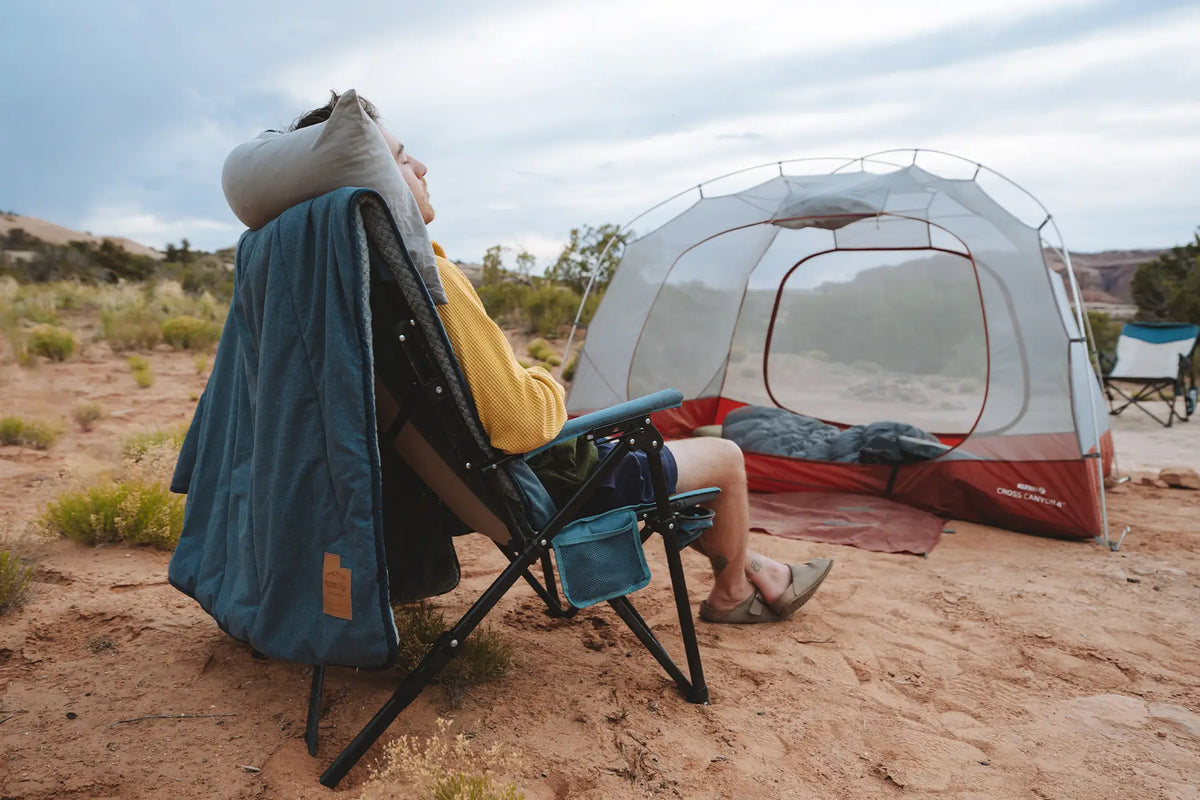
Camping in summer means dealing with high temperatures. Proper packing and planning help keep your tent cool. This guide covers key tips for packing and preparing for heat.
Choosing the right gear and scheduling your activities wisely can make your outdoor experience more comfortable and safe.
Choosing Light-colored Gear
Light-colored gear reflects sunlight and heat better than dark colors. This helps reduce the temperature inside your tent. Choose tents, tarps, and sleeping bags in light colors.
- Pick tents with white or beige fabric
- Use light-colored ground tarps
- Choose sleeping bags and mats in pastel shades
- Avoid dark backpacks and gear covers
- Wear light-colored clothing when packing
Scheduling Activities To Avoid Peak Heat
Plan your outdoor activities during cooler parts of the day. Avoid strenuous work or hiking in the afternoon. This lowers heat exposure and keeps your body temperature stable.
| Time of Day | Recommended Activity |
| Early Morning (6 am – 9 am) | Hiking, setup camp |
| Late Morning (9 am – 12 pm) | Light activities, rest breaks |
| Afternoon (12 pm – 4 pm) | Rest, stay in shade |
| Evening (4 pm – 7 pm) | Camp chores, walk |
| Night (7 pm onwards) | Relax, sleep |
Frequently Asked Questions
How Can I Keep My Tent Cool In Summer?
To keep your tent cool, use reflective tarps or thermal blankets. Position your tent in shaded areas and ensure proper ventilation by opening windows and vents. Use a battery-powered fan to circulate air inside. Lightweight, breathable fabrics for sleeping gear also help maintain a comfortable temperature.
What Materials Help Insulate A Tent?
Reflective tarps, thermal blankets, and foam pads are effective insulators. These materials prevent heat transfer and maintain cooler temperatures inside. Use them on the tent’s exterior or interior. Lightweight, breathable fabrics for sleeping gear can also aid insulation while ensuring comfort during hot summer nights.
Are There Specific Tents For Summer Insulation?
Yes, many tents are designed with summer insulation features. These include reflective coatings, proper ventilation systems, and lightweight, breathable materials. Look for tents with mesh windows and vents for airflow. Some models also come with built-in sunshades or awnings to enhance insulation and comfort.
Does Tent Color Affect Summer Insulation?
Tent color can impact summer insulation. Lighter colors reflect sunlight, keeping the interior cooler. Darker colors absorb heat, making the tent warmer. Choose tents with light-colored exteriors for better heat reflection. This helps maintain a more comfortable temperature inside during hot summer days.
Conclusion
Insulating your tent keeps it cooler and more comfortable in summer. Use simple materials like reflective blankets or foam pads inside. Ventilation matters too; open vents help air flow well. Small steps make a big difference on hot nights. Enjoy your outdoor time without feeling too hot.
Try these easy tips on your next camping trip. Stay cool, rest well, and have fun outdoors.