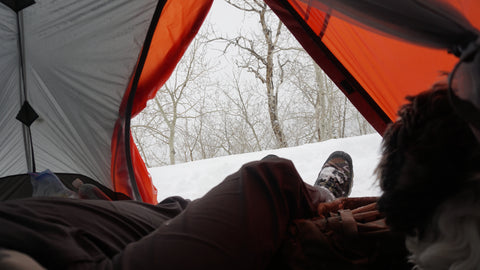
Camping in winter can be an amazing experience, but staying warm is your biggest challenge. If you don’t insulate your tent properly, the cold will sneak in and ruin your trip.
Imagine waking up shivering, unable to enjoy the crisp morning air or the beauty around you. But it doesn’t have to be that way. With the right techniques, you can turn your tent into a cozy shelter that keeps the cold out and comfort in.
In this guide, you’ll learn simple and effective ways to insulate your tent for winter camping, so you stay warm, safe, and ready for adventure. Keep reading to discover how to make your winter camping experience truly enjoyable.

Credit: www.battlbox.com
Choosing The Right Tent
Picking the right tent is key for winter camping comfort. Your tent must keep you warm and safe from harsh weather.
This guide covers important tent features that help you insulate your tent for cold conditions.
Four-season Vs Three-season Tents
Four-season tents are built for winter. They resist snow and strong winds well. Three-season tents work best in mild weather but lack strong insulation.
- Four-season tents have thicker fabric and stronger poles.
- Three-season tents offer more ventilation but less warmth.
- Four-season tents usually have fewer mesh areas to keep heat inside.
- Choose a four-season tent if you expect snow and cold nights.
Tent Materials And Insulation
Tent fabric and insulation affect warmth. Look for materials that block wind and keep heat in.
| Material | Feature | Benefit |
|---|---|---|
| Ripstop nylon | Strong, tear-resistant | Handles heavy snow loads |
| Polyester | Water-resistant | Keeps tent dry and insulated |
| Double-wall design | Inner mesh with outer rainfly | Improves ventilation and insulation |
| Insulated floor | Extra padding | Prevents cold from ground |
Tent Size And Ventilation
Size affects warmth and comfort. A tent too big loses heat fast. Ventilation stops moisture inside.
- Choose a tent size close to the number of campers.
- Smaller tents warm up faster.
- Use vents to reduce condensation build-up.
- Check that vents can close to keep cold air out.

Credit: www.andreaference.com
Selecting Insulation Materials
Camping in winter can be challenging due to the cold. Insulating your tent helps keep it warm and cozy. Choosing the right materials is crucial for effective insulation.
Below are some options you can consider to insulate your tent. Each type has its own benefits and uses.
Sleeping Pads And Mats
Sleeping pads and mats provide comfort and insulation from the cold ground. They help retain body heat while you sleep.
- Foam pads are lightweight and affordable.
- Inflatable mats offer better insulation but are costlier.
- Self-inflating pads combine foam and air for comfort.
Thermal Blankets And Liners
Thermal blankets and liners are useful for adding an extra layer of warmth. They are versatile and easy to use.
Thermal blankets are often made from reflective materials. They are lightweight and can be used as a tent liner or emergency blanket.
Foam Panels And Reflective Barriers
Foam panels and reflective barriers offer excellent insulation. They are ideal for lining the tent walls and floor.
| Material | Benefit |
| Foam Panels | Easy to cut and fit |
| Reflective Barriers | Reflect body heat back |
Preparing The Campsite
Preparing your campsite is important for winter camping comfort. A well-prepared site helps keep you warm and safe.
Focus on choosing the right spot and protecting your tent from cold winds. Good ground preparation keeps moisture away.
Picking A Sheltered Location
Look for a spot that blocks strong winds naturally. Trees or large rocks can shield your tent.
Avoid low areas where cold air collects. Higher ground is usually warmer and drier.
Clearing Snow And Ground Prep
Remove snow where you want to pitch your tent. Clear the area down to the ground if possible.
Flatten the ground by packing down snow or dirt. This creates a firm base and helps prevent moisture.
- Shovel snow away from the tent area
- Compact the ground by stomping or using a snowshoe
- Place a ground tarp or footprint to add insulation
Creating Windbreaks
Windbreaks reduce the cold wind hitting your tent. Use natural materials or build simple barriers.
Stack snow blocks or use branches to block wind. Set these up on the side facing the wind.
- Build a snow wall about 3 feet high
- Use fallen branches to form a fence
- Place rocks or logs to strengthen the barrier
Credit: www.battlbox.com
Installing Tent Insulation
Keeping your tent warm during winter camping is important. Proper insulation helps trap heat and block cold air.
Installing insulation is easy and improves comfort inside your tent. Focus on floors, walls, and reflective layers.
Adding Floor Insulation
Cold air often seeps through the tent floor. Adding insulation under your sleeping area helps keep you warm.
Use foam pads or insulated mats. These create a barrier between the cold ground and your body.
- Place closed-cell foam pads directly on the tent floor
- Use thermal sleeping mats for extra warmth
- Layer multiple mats for better insulation
- Cover the mats with a durable groundsheet to protect them
Lining Tent Walls
Adding insulation to tent walls reduces heat loss. It also blocks wind and cold drafts.
Use thick blankets or insulated fabrics to line the inner walls. Attach them with clips or tape.
- Choose materials like fleece or wool for warmth
- Secure lining to avoid sagging or movement
- Ensure the lining does not block ventilation areas
- Remove or adjust lining if condensation builds up
Using Reflective Layers
Reflective layers bounce heat back inside the tent. They help trap your body heat effectively.
Use emergency blankets or reflective tarps. Place them on floors, walls, or ceiling for best results.
- Lay reflective blankets under sleeping bags
- Attach reflective sheets to tent walls carefully
- Avoid covering mesh windows to keep airflow
- Check for tears or holes in reflective materials
Maintaining Warmth Inside
Keeping warm inside your tent is key for winter camping. Cold air can quickly lower your body temperature. Proper insulation helps you stay cozy all night.
Using the right techniques can keep heat in and cold out. This guide covers how to keep your tent warm safely and comfortably.
Effective Ventilation Techniques
Good ventilation stops air from becoming stale. It also reduces moisture that can make you cold. Open vents slightly to let fresh air in.
Use mesh windows or small openings near the tent top. This keeps air moving without letting too much cold air enter.
- Keep vents open but small to reduce heat loss
- Use mesh panels to block bugs but allow airflow
- Position tent so wind passes through vents gently
Using Heat Sources Safely
Heat sources like portable heaters or stoves can warm your tent. Use only devices made for indoor use. Never leave heaters unattended.
Keep heaters away from flammable materials and never block air vents. Always follow the manufacturer’s safety instructions.
- Choose heaters with safety shut-off features
- Place heaters on stable, flat surfaces
- Keep a carbon monoxide detector nearby
- Do not use open flames inside the tent
Managing Moisture And Condensation
Moisture inside the tent makes it cold and uncomfortable. Condensation forms when warm air hits cold surfaces. Use a groundsheet to block dampness from below.
Dry wet clothes outside the tent and keep wet gear away from sleeping areas. Ventilation helps reduce moisture buildup too.
- Use waterproof ground covers
- Hang wet clothes outside or in a vestibule
- Open vents to let moisture escape
- Use moisture-wicking sleeping bags and liners
Clothing And Sleeping Gear
Staying warm is key for winter camping. Proper clothing and sleeping gear help keep your body heat inside the tent.
Choosing the right items can make a big difference in comfort and safety during cold nights outdoors.
Choosing Thermal Clothing
Wear thermal clothing made from materials that trap heat but allow sweat to escape. Wool and synthetic fabrics work well.
- Start with a moisture-wicking base layer
- Add an insulating middle layer, like fleece
- Use a windproof and waterproof outer layer
- Wear thermal socks and gloves
- Protect your head with a warm hat
Selecting The Right Sleeping Bag
Choose a sleeping bag rated for temperatures lower than you expect. Mummy-shaped bags trap heat better.
| Sleeping Bag Type | Temperature Rating | Best Use |
| Down | -10°F to 20°F | Dry cold weather |
| Synthetic | 0°F to 30°F | Wet or damp conditions |
| Double-layer | -20°F to 10°F | Extra cold nights |
Layering Techniques For Warmth
Layer your clothing and gear to adjust warmth easily and keep dry. Good layering keeps heat in and cold out.
- Wear a thin base layer next to your skin
- Add a thicker insulating layer over it
- Put on a shell layer to block wind and moisture
- Use insulated liners or blankets inside your sleeping bag
- Keep dry clothes ready to change if you sweat
Additional Tips For Cold Weather
Camping in winter means you must take extra care to stay warm. Insulating your tent well helps keep the cold outside. Here are some extra tips to stay cozy in freezing weather.
These tips focus on ways to warm your tent before use, keep emergency heat sources ready, and pack useful gear to boost warmth.
Preheating The Tent
Warming your tent before bedtime makes a big difference. You can preheat the tent to create a comfortable space.
- Use a hot water bottle inside the tent to warm sleeping bags.
- Set up a safe camp stove outside the tent to warm the tent walls indirectly.
- Seal tent flaps tightly to trap any heat inside.
Emergency Warmth Strategies
Always prepare for unexpected cold snaps. Emergency warmth tools can save lives in harsh conditions.
| Item | Purpose | Notes |
| Emergency Blanket | Reflects body heat | Lightweight and compact |
| Hand Warmers | Provides heat for hours | Keep in pockets or gloves |
| Extra Clothes | Layer for insulation | Include hats and socks |
| Fire Starting Kit | Quick fire ignition | Store in waterproof bag |
Packing Warmth-boosting Accessories
Packing the right accessories can improve your heat retention significantly. Small items add up to big comfort.
- Insulated sleeping pads to stop ground cold.
- Thermal liners for sleeping bags to add warmth.
- Windproof tent covers or tarps.
- Warm hats and gloves for inside the tent.
- Battery-powered heated blankets or pads.
Frequently Asked Questions
How Can I Keep My Tent Warm In Winter?
Use insulated sleeping pads and thermal blankets inside. Seal tent openings and use a four-season tent for better heat retention. Avoid moisture to prevent cold air from entering.
What Materials Are Best For Tent Insulation?
Foam mats, reflective blankets, and insulated liners work well. These materials trap heat and block cold winds. Use multiple layers for improved insulation.
Is It Necessary To Ventilate An Insulated Tent?
Yes, ventilation prevents condensation buildup inside the tent. Open vents slightly to allow airflow while maintaining warmth. Proper ventilation reduces moisture and keeps the tent dry.
Can A Tent Heater Be Used Safely Inside?
Yes, but only with proper ventilation and safety measures. Use propane or electric heaters designed for indoor tent use. Never leave heaters unattended to avoid fire risks.
Conclusion
Insulating your tent keeps you warm during cold nights. Use simple materials like foam pads and blankets inside. Cover tent floors and walls to block cold air. Close all openings tightly to keep heat in. Stay dry to avoid losing body heat.
These easy steps help you enjoy winter camping safely. Warmth and comfort matter most in cold weather. Prepare well, and your outdoor adventure will be great.