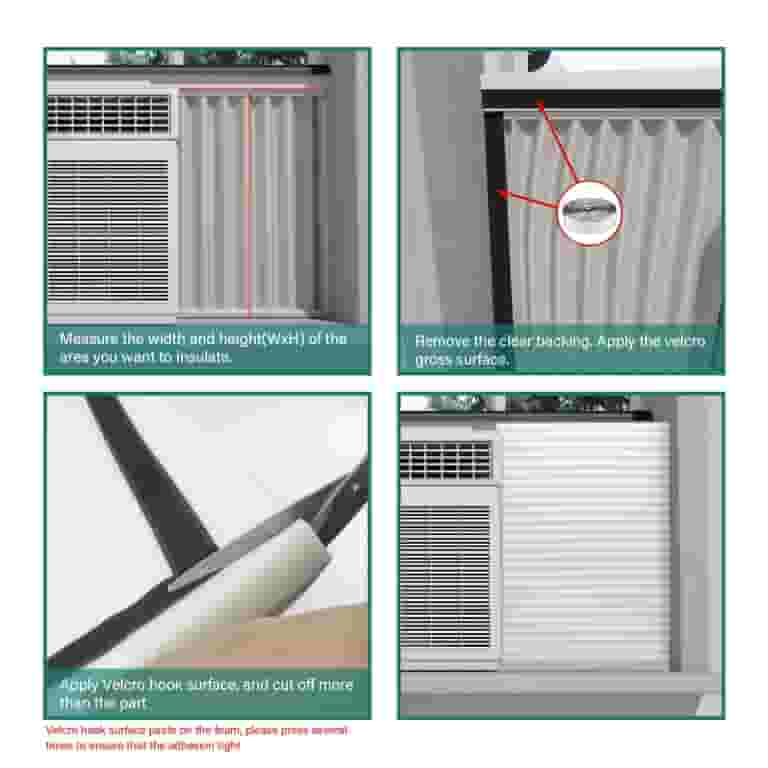
Are you worried about cold drafts sneaking in through your window air conditioner during winter? You’re not alone.
When winter hits, that trusty AC unit can become a source of chilly air and higher heating bills. But here’s the good news: you can easily insulate your window air conditioner to keep your home warm and cozy all season long.
In this post, you’ll discover simple, effective steps to block out the cold and save money on energy. Keep reading, and you’ll learn how to turn your air conditioner from a winter problem into a winter-proof solution.
Why Insulate Window Ac Units
Window air conditioners are useful in summer. In winter, they can let cold air inside your home.
Insulating your window AC unit helps keep your house warm and saves energy.
Energy Loss Risks
Window AC units have gaps that let warm air escape in winter. This causes your heater to work harder.
Heat loss through the AC unit wastes energy and raises your heating bill.
- Warm air escapes through gaps around the unit
- Cold air enters and lowers indoor temperature
- Heater runs longer to keep rooms warm
- Energy use and costs increase
Preventing Cold Drafts
Cold drafts make rooms uncomfortable and cause chills near the window.
Insulation blocks these drafts by sealing gaps and covering the AC unit properly.
- Use foam panels or weatherstripping to seal gaps
- Cover the outside part with a protective cover
- Keep cold air from blowing inside
- Maintain a steady and warm indoor temperature
Protecting The Unit
Winter weather can damage your window AC unit if it is not protected.
Insulation helps keep moisture and cold out, preventing rust and broken parts.
- Blocks snow and rain from reaching the unit
- Prevents ice buildup on parts
- Reduces risk of rust and wear
- Extends the unit’s life and readiness for summer

Credit: www.amazon.ca
Tools And Materials Needed
Insulating your window air conditioner for winter helps keep cold air out. You need some tools and materials to do it right. This guide lists common options and what you will need.
Gathering these items before you start makes the process easier and faster. Choose the materials that fit your window and air conditioner type.
Weatherstripping Options
Weatherstripping seals gaps around your air conditioner. It stops drafts and reduces heat loss. There are different types to consider.
- Foam tape: Easy to apply and flexible.
- Rubber weatherstripping: Durable and good for larger gaps.
- V-strip or tension seal: Creates a tight seal on window sashes.
- Felt strips: Cheap but less durable than foam or rubber.
Foam Insulation Types
Foam insulation helps fill empty spaces around the air conditioner. It adds warmth and blocks cold air. Choose from these foam types.
| Foam Type | Description | Best Use |
| Rigid foam board | Strong and thick | Large gaps and window panels |
| Spray foam | Expands to fill cracks | Irregular gaps and corners |
| Foam weatherstripping | Soft and easy to cut | Small to medium gaps |
Plastic Seal Kits
Plastic seal kits cover your window to block cold air. They usually come with plastic sheets and double-sided tape. You shrink the plastic tight with a hair dryer.
- Clear plastic film sheets
- Double-sided tape for mounting
- Scissors or utility knife to cut plastic
- Hair dryer to shrink and tighten the plastic
Basic Tools Checklist
- Measuring tape to get window and unit dimensions
- Scissors or utility knife for cutting materials
- Screwdriver for removing or adjusting parts
- Hair dryer for plastic shrinking
- Staple gun or nails for securing weatherstripping
- Gloves to protect your hands during work
Preparing The Window Ac Unit
Preparing your window air conditioner for winter helps protect it from cold damage. Taking time to clean and check the unit ensures it stays in good shape for next summer.
Follow these simple steps to get your window AC ready for the colder months ahead.
Cleaning The Unit
Start by cleaning the outside and inside parts of the air conditioner. Remove dust and dirt to prevent mold and damage.
- Unplug the unit before cleaning.
- Use a soft brush or cloth to wipe dust from vents and coils.
- Clean the air filter with mild soap and water.
- Let all parts dry completely before moving on.
Removing The Front Panel
Take off the front panel carefully to access the inside parts. This helps you clean and inspect areas that are usually hidden.
- Locate the screws or clips holding the panel in place.
- Use a screwdriver if needed to remove screws.
- Gently pull the panel away from the unit.
- Place the panel in a safe spot to avoid damage.
Drying And Inspecting
After cleaning, dry the unit fully. Check for any problems that need repair before winter.
| Inspection Area | What to Check | Action Needed |
| Coils | No dirt or damage | Clean or replace if dirty |
| Wiring | No frays or loose connections | Fix or call a technician |
| Drainage | Clear of blockages | Remove any clogs |
| Seals | Intact and tight | Replace if worn |
Credit: www.walmart.com
Sealing Gaps And Cracks
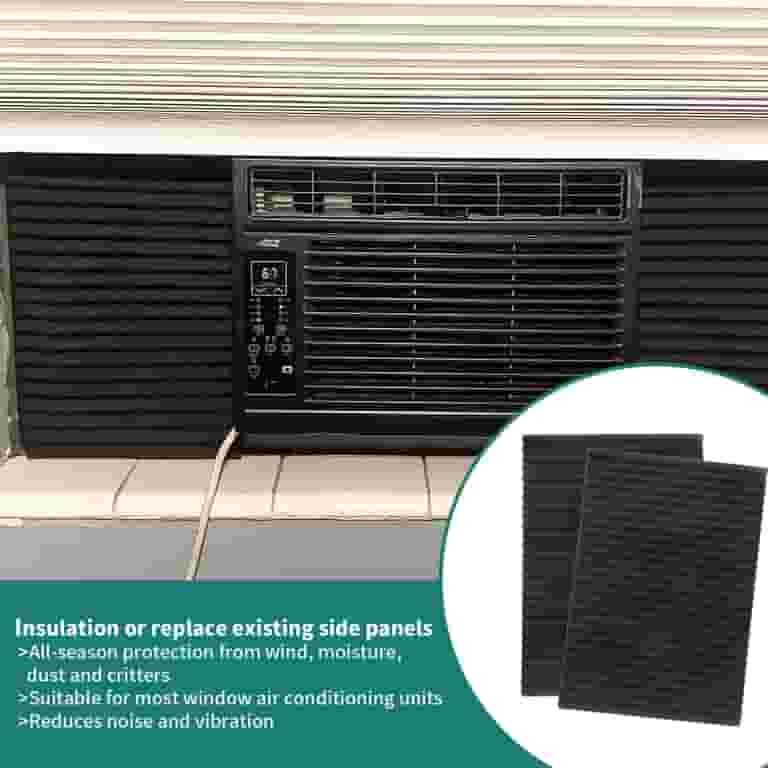
Window air conditioners often leave gaps around the unit. These gaps let cold air enter your room. Sealing these spaces helps keep your home warm in winter.
Closing cracks and gaps also stops drafts and saves energy. Use simple materials to block air from coming in.
Applying Weatherstripping
Weatherstripping is a flexible material you attach around the edges of your air conditioner. It blocks air leaks and fits tightly to the window frame.
Choose foam or rubber weatherstripping for easy installation. Clean the surface before applying to help it stick well.
- Measure the window frame edges carefully
- Cut weatherstripping to fit the size
- Press firmly to attach it without gaps
- Check for any spaces left after applying
Filling Gaps With Foam
Expanding foam fills larger gaps and cracks around the air conditioner. It expands to seal uneven spaces and blocks cold air.
Use foam carefully, as it can expand more than expected. Apply small amounts and let it dry before adding more if needed.
- Wear gloves to protect your skin
- Insert the foam into the gaps slowly
- Wait for the foam to fully expand and dry
- Trim extra foam for a neat finish
Using Caulk For Tight Seals
Caulk is a sealant you apply to small cracks and seams. It creates a smooth, airtight seal around the air conditioner.
Use a caulking gun or squeeze tube for easy control. Choose silicone or latex caulk made for windows and doors.
- Clean the area and remove old caulk
- Cut the tip of the caulk tube to the right size
- Apply a steady bead along the crack or gap
- Smooth the caulk with a finger or tool
- Let it dry fully before using the air conditioner
Adding Insulation Covers
Insulating your window air conditioner for winter saves energy and prevents cold air leaks. Adding insulation covers helps keep your home warm.
There are several ways to add insulation covers to your air conditioner. This guide explains easy steps to protect your unit.
Installing Foam Covers
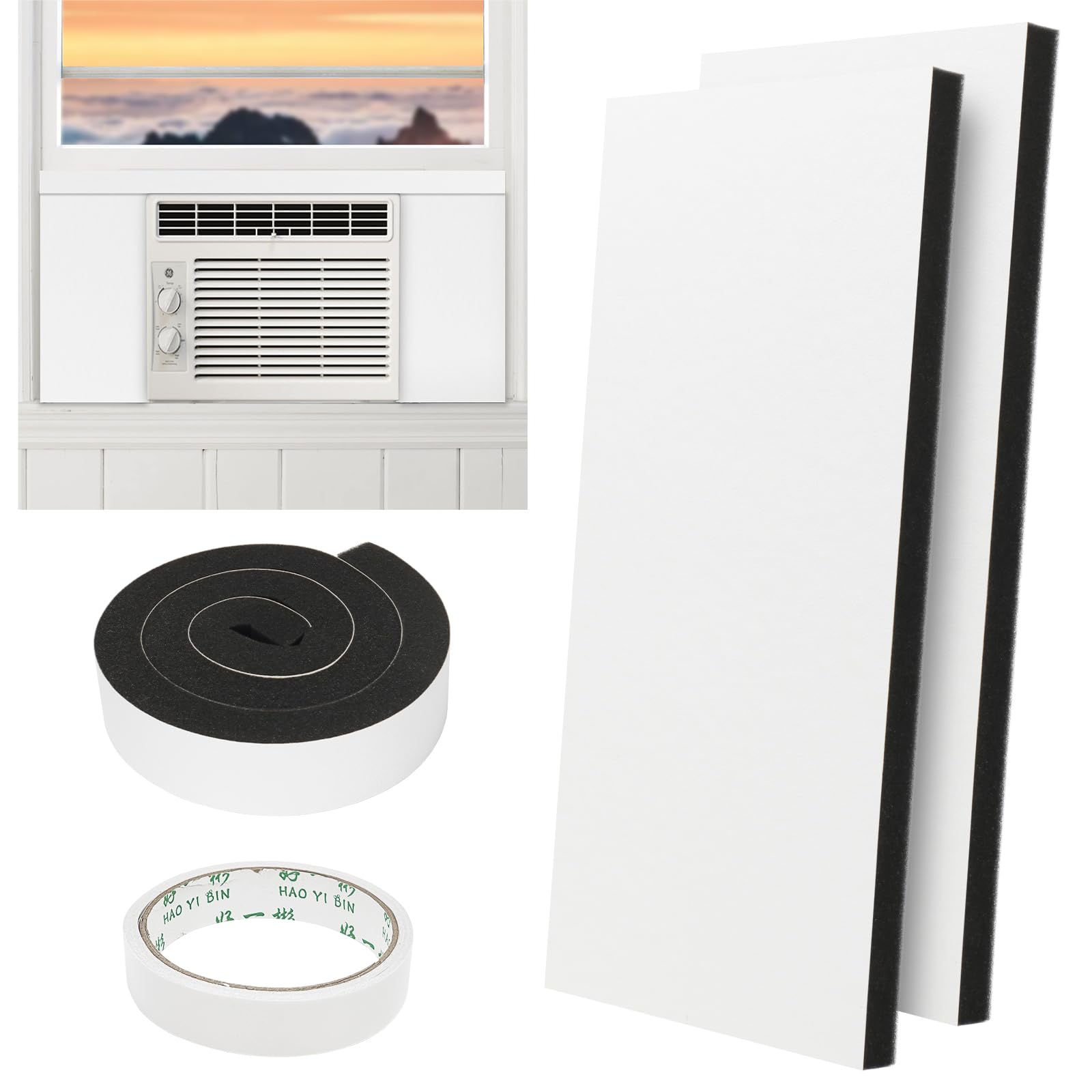
Foam covers fit over your air conditioner to block cold air. They are lightweight and easy to install.
Choose foam that matches the size of your unit. Place the cover carefully to seal all gaps.
- Measure your air conditioner before buying foam covers
- Clean the unit to help foam stick better
- Fit the foam tightly around the unit
- Secure with tape if needed to prevent slipping
Using Reflective Insulation
Reflective insulation reflects heat back inside your home. It also blocks cold air from entering.
Cut the reflective material to cover the air conditioner. Attach it with tape or fasteners to keep it in place.
- Use reflective insulation with a foil surface
- Cover all sides of the air conditioner
- Seal edges with weatherproof tape
- Check for holes or gaps and cover them
Securing Plastic Wraps
Plastic wraps create a barrier that stops cold drafts. They are cheap and easy to apply around the unit.
Wrap the plastic tightly around the air conditioner and window frame. Use tape to hold it firmly in place.
- Choose clear plastic wrap for better light
- Stretch the wrap tightly to avoid wrinkles
- Seal edges with strong tape to block air leaks
- Remove the wrap in spring to prevent damage
Credit: www.amazon.ca
Tips For Maximizing Efficiency
Insulating your window air conditioner for winter helps save energy. It keeps cold air out and warm air in. Proper care also extends the unit’s life.
Follow simple steps to protect your air conditioner during winter. This guide covers important tips for better insulation and storage.
Regular Inspection
Check the air conditioner before insulating it. Look for cracks, holes, or damage. Fix these issues to keep the cold air out.
Inspect the weather stripping and seals around the unit. Replace worn or missing parts. This keeps the insulation tight and effective.
- Look for cracks or holes in the unit
- Check weather stripping and seals
- Replace damaged or missing parts
- Clean the unit to remove dirt and debris
Avoiding Moisture Build-up
Moisture can damage your air conditioner in winter. It causes rust and mold. Use a cover that allows air to flow but blocks rain and snow.
Keep the area around the unit dry. Avoid covering the air conditioner with plastic sheets that trap moisture. Proper ventilation stops water damage.
- Use a breathable cover for the unit
- Keep the area dry and clear of snow
- Do not seal the unit completely with plastic
- Check for moisture regularly
Storing The Unit Properly
Remove the air conditioner from the window if possible. Clean it well before storing. Dry all parts to prevent mold and rust.
Store the unit in a cool, dry place. Cover it with a cloth or breathable cover. Avoid heavy items on top of it to keep it in good shape.
- Clean and dry the unit before storage
- Store in a cool, dry area
- Use a breathable cover
- Keep heavy objects away from the unit
Frequently Asked Questions
How Do I Insulate A Window Ac For Winter?
To insulate a window AC, first remove it or seal gaps with foam insulation. Cover with a weatherproof cover to block cold air and moisture. This prevents drafts and protects the unit during winter months, saving energy and maintaining indoor warmth.
Can Insulating Window Ac Save Energy In Winter?
Yes, insulating your window AC blocks cold air leaks. It reduces heat loss around the unit, lowering heating costs. Proper insulation maintains room temperature, improving energy efficiency and comfort during winter months.
What Materials Are Best For Insulating Window Ac Units?
Use foam weatherstripping, rigid foam boards, and plastic covers. These materials seal gaps, block drafts, and protect the unit from moisture. They are affordable, easy to install, and effective for winter insulation.
Should I Remove The Window Ac Before Winter?
Removing the window AC is ideal if possible. It prevents damage from cold and moisture. If removal isn’t feasible, insulate and cover the unit securely to protect it during winter.
Conclusion
Properly insulating your window air conditioner saves energy and lowers bills. It keeps cold air out and warmth inside your home. Use simple materials like foam or weather stripping for easy installation. Check for gaps and seal them well. This small effort improves comfort during winter months.
Stay warm without losing heat through your AC unit. A little care goes a long way for winter comfort. Try these steps and enjoy a cozier home all season.