You’ve fired up your charcoal grill, and the smell of sizzling food is already making your mouth water. But keeping those coals glowing just right can be tricky.
If your grill dies out too soon or gets too hot too fast, your meal could end up undercooked or burnt. What if you could learn simple, smart tricks to keep your charcoal burning steady and strong from start to finish?
You’ll discover easy tips that make your grilling experience smoother and more enjoyable. Ready to become the grill master your friends and family will admire? Let’s dive in and keep that charcoal going!
Choosing The Right Charcoal
Choosing the right charcoal can make a big difference when grilling. It affects the heat, flavor, and cooking time. Knowing the types of charcoal helps you pick the best one for your needs.
Different charcoals burn differently and offer unique benefits. Some are better for quick cooking, while others last longer. Let’s explore the options to keep your charcoal grill going strong.
Types Of Charcoal
Charcoal mainly comes in two forms: lump charcoal and briquettes. Lump charcoal is made by burning wood in low oxygen. Briquettes are made from compressed charcoal and other materials. Each type has its own uses and qualities.
- Lump charcoallights quickly and burns hotter.
- Briquettesburn longer and give steady heat.
- Charcoal chunksare larger pieces, good for slow cooking.
- Instant-light charcoalcontains chemicals that help it ignite fast.
Benefits Of Lump Vs. Briquettes
| Feature | Lump Charcoal | Briquettes |
| Burn time | Shorter | Longer |
| Heat level | Hotter | Moderate and steady |
| Smoke and flavor | More natural wood flavor | Less smoke, neutral flavor |
| Light speed | Quick | Slower |
| Ash production | Less ash | More ash |
Sustainable Options
Sustainability is important when choosing charcoal. Some options use wood from well-managed forests. Others use recycled materials or natural binders. These choices help reduce harm to the environment.
- Look for charcoal with FSC or similar certification.
- Choose lump charcoal made from hardwood scraps.
- Try coconut shell charcoal for a renewable source.
- Avoid charcoal with chemical additives or fillers.
Credit: www.hungryhuy.com
Setting Up The Grill
Getting your charcoal grill ready is key for a good cooking session. Proper setup helps keep the fire steady and food cooked well.
Start by arranging charcoal, then light it safely, and give the grill time to heat up. Each step matters for the best results.
Arranging Charcoal For Optimal Heat
Place charcoal to control heat zones on your grill. This helps cook food evenly or keep some parts hotter for searing.
- Pile charcoal in the center for direct heat.
- Spread charcoal on one side for indirect cooking.
- Use fewer coals for low heat, more for high heat.
- Leave space between coals to allow air flow.
Using A Chimney Starter
A chimney starter lights charcoal without lighter fluid. It is safer and gives a clean burn.
| Chimney Starter Use | Details |
|---|---|
| Fill chimney | Fill with charcoal to the top. |
| Place paper | Put crumpled paper or fire starters under the chimney. |
| Light paper | Light the paper from several spots. |
| Wait | Wait 10–15 minutes until coals are gray and glowing. |
| Pour coals | Carefully pour hot coals into the grill. |
Preheating The Grill
Preheat the grill before cooking. This helps burn off residue and sets the right temperature.
- Close the lid after adding hot coals.
- Open vents fully for good airflow.
- Wait 10–15 minutes for the grill to get hot.
- Check temperature by holding your hand above the grate.
Managing Airflow
Controlling airflow is key to keeping a charcoal grill burning well. Air feeds the fire and helps keep the heat steady.
Adjusting the vents lets you control how much oxygen reaches the charcoal. This changes the temperature inside the grill.
Adjusting Vents For Temperature Control
Open vents increase oxygen flow and make the fire hotter. Closing vents reduces oxygen and cools the fire down.
- Open the bottom vents to let air in and fuel the fire.
- Use the top vents to release heat and smoke.
- Adjust vents slowly to avoid sudden temperature changes.
- Keep vents partly open for steady cooking.
Identifying When To Open Or Close Vents
Watch the fire and smoke to know when to adjust vents. Bright flames mean more air is needed.
| Condition | Action |
| Fire is too low or dying | Open bottom vents more to add oxygen |
| Too much smoke and low heat | Open top vents to release smoke and increase airflow |
| Fire is too hot or burning fast | Close vents slightly to reduce oxygen |
| Steady heat needed for cooking | Keep vents partially open and adjust as needed |
Maintaining Consistent Heat
Keeping a charcoal grill at the right temperature is key for good cooking. Consistent heat helps food cook evenly and taste better.
Understanding how to add charcoal and use heat zones will help you keep the grill steady. These tips make grilling easier and more fun.
Adding Charcoal During Cooking
Add charcoal carefully to keep the fire burning strong. Adding too much at once can cause flare-ups or drop the temperature.
- Add a few briquettes at a time to the edges of the fire.
- Use long tongs to place new charcoal without disturbing the cooking area.
- Wait a few minutes for new coals to catch fire before moving food closer.
- Keep the grill lid closed to keep heat inside during the process.
Using Heat Zones For Cooking
Heat zones let you cook different foods at the right temperatures on one grill. You can have hot and cooler areas side by side.
| Zone | Temperature | Use |
| Direct Heat | High (450°F+) | Steaks, burgers, quick searing |
| Indirect Heat | Medium to Low (250°F – 350°F) | Slow cooking, large cuts, smoking |
Enhancing Flavor With Wood Chips
Using wood chips on a charcoal grill adds extra flavor to your food. The smoke from the wood chips gives a rich, smoky taste.
Knowing how to pick and use wood chips helps keep your charcoal grill going strong. It also boosts the flavor of grilled dishes.
Choosing The Right Wood For Smoking
Different woods create different flavors. Some woods are mild, and others are strong. Pick wood that matches the food you grill.
- Apple wood adds a sweet, fruity flavor. Good for chicken and pork.
- Hickory gives a strong, bacon-like taste. Best for beef and ribs.
- Cherry wood offers a mild and sweet flavor. Works well with vegetables.
- Mesquite has a very strong, earthy taste. Use it for red meats.
- Oak provides a medium smoky flavor. It is good for almost all meats.
Soaking And Adding Wood Chips
Soaking wood chips in water helps them burn slowly. This creates more smoke and less flame. Soak chips for at least 30 minutes before use.
Add soaked chips directly on hot charcoal or in a smoker box. This makes smoke for your food without burning the chips too fast.
- Use a metal smoker box or wrap chips in foil with holes.
- Place chips near hot coals but not in the fire.
- Add more chips every 20-30 minutes for steady smoke.
- Don’t use too many chips to avoid bitter smoke taste.
Credit: georgetownfd.com
Safety Precautions
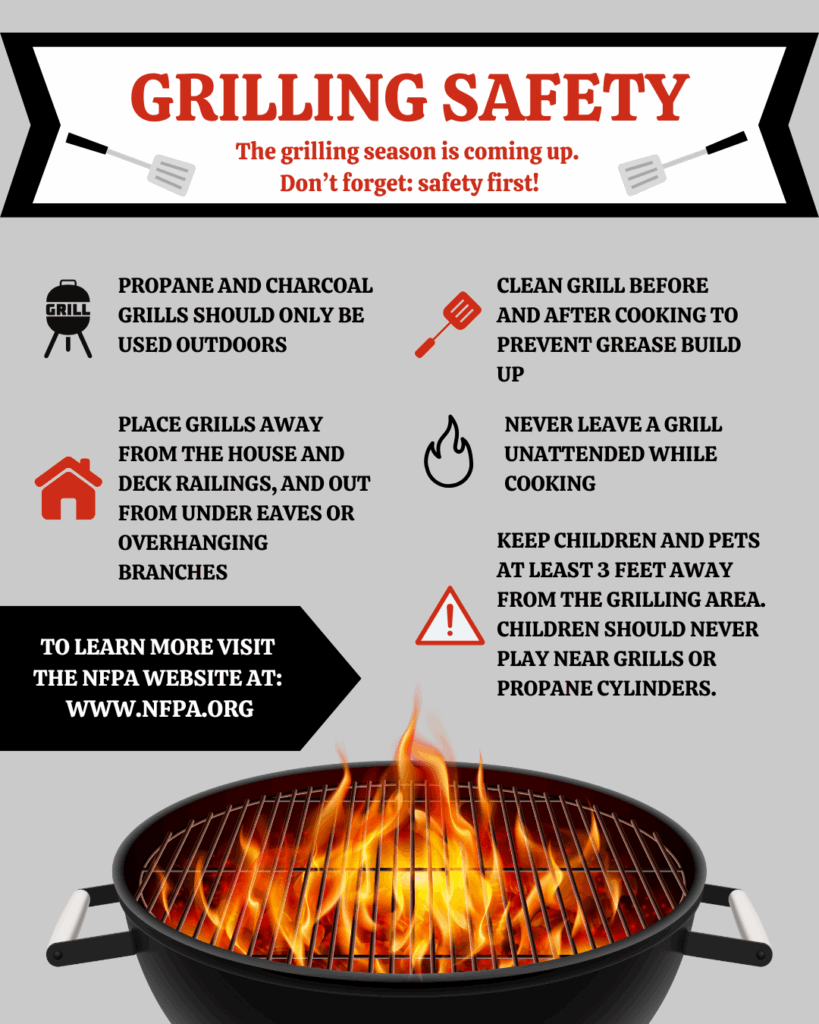
Using a charcoal grill can be fun and tasty. Safety is key to avoid accidents. Follow simple rules to keep your grill safe.
Always think about how to handle charcoal and fire. This helps protect you and others around the grill.
Handling Charcoal Safely
Charcoal can be dangerous if not handled right. Store it in a dry place away from children and pets. Use gloves when adding or moving charcoal.
- Keep charcoal in a metal container with a lid
- Do not store charcoal near heat or flames
- Use long-handled tools to add charcoal
- Never add lighter fluid to hot or warm coals
- Dispose of ashes only when fully cool
Fire Safety Tips
Fire can spread quickly. Be ready to stop it fast. Keep water or a fire extinguisher near your grill. Never leave the grill unattended.
| Safety Tool | Purpose |
| Water Bucket | To put out small flames |
| Fire Extinguisher | For larger fires |
| Grill Gloves | To protect your hands from heat |
| Long Tongs | To move charcoal safely |
Cleaning And Storing The Grill
Keeping your charcoal grill clean helps it last longer. Storing it right protects it from weather damage. Both cleaning and storing are key for a ready-to-use grill.
Follow simple steps to clean the grill after use. Then use proper storage methods to keep it safe and dry.
Cleaning After Use
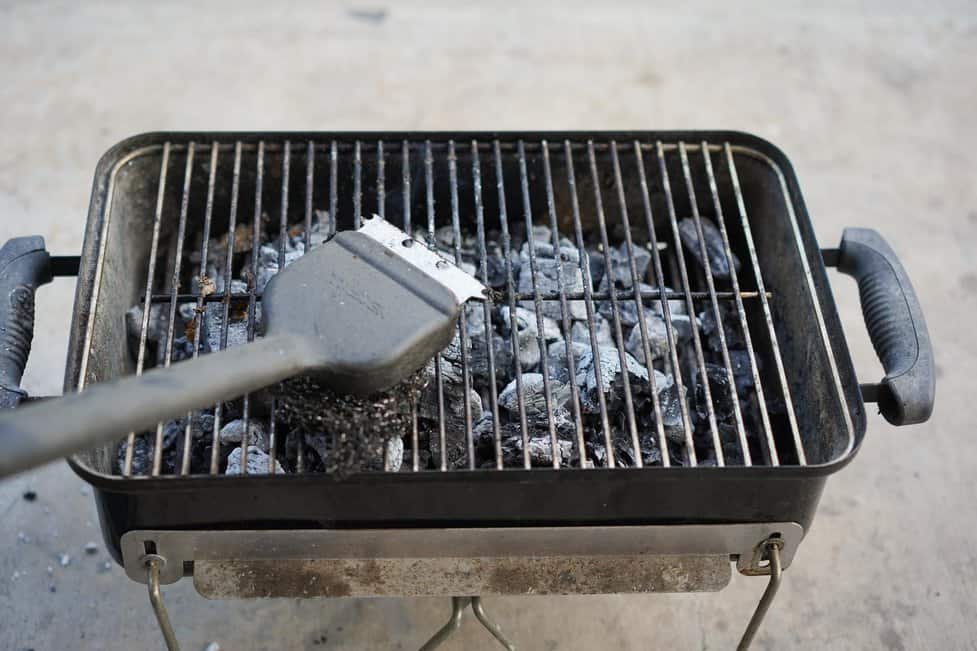
Clean the grill soon after cooking. This removes ash and leftover food. Use a grill brush for the grates and a scoop for the ash.
- Wait until the grill cools down but is still warm.
- Brush the grill grates to clear burnt food.
- Empty the ash catcher to prevent buildup.
- Wipe the outside with a damp cloth.
- Check for rust spots and treat if needed.
Proper Storage Techniques
Store the grill in a dry place to stop rust and damage. Cover it with a grill cover or tarp if stored outdoors.
| Storage Location | Benefits |
| Garage or shed | Protects from rain and sun |
| Covered patio | Easy access and some weather protection |
| Outdoors with cover | Stops dirt and moisture |

Credit: www.reddit.com
Troubleshooting Common Issues
Using a charcoal grill can sometimes be tricky. You might face temperature changes or flare-ups during cooking.
Knowing how to handle these issues helps keep your grill working well and food cooking evenly.
Dealing With Temperature Drops
Temperature drops can slow cooking or leave food undercooked. They happen when air flow is low or charcoal burns out.
- Check the air vents and open them to increase oxygen flow.
- Add fresh charcoal to keep the heat steady.
- Keep the lid closed to trap heat inside.
- Use a chimney starter to light new charcoal evenly.
- Remove any ash that blocks airflow below the grill.
Preventing Flare-ups
Flare-ups happen when fat drips on hot coals, causing sudden flames. They can burn food or cause uneven cooking.
| Cause | How to Prevent |
|---|---|
| Excess fat on meat | Trim fat before grilling to reduce drips. |
| High grill temperature | Cook on medium heat to avoid burning fat quickly. |
| Grease buildup in grill | Clean grill grates and drip pans regularly. |
| Lid left open | Keep lid closed to control oxygen and flames. |
Frequently Asked Questions
How Long Does Charcoal Last While Grilling?
Charcoal typically lasts 45 minutes to 1 hour at steady heat. Adding small amounts of charcoal every 20 minutes keeps the temperature consistent. Proper airflow and adjusting vents also help maintain the charcoal’s burn time efficiently.
What Is The Best Way To Add Charcoal During Cooking?
Add charcoal gradually using the chimney starter or tongs. Place new lit charcoal on the edges to avoid sudden temperature spikes. This method keeps the grill hot without interrupting cooking or causing flare-ups.
How Do I Control Grill Temperature With Charcoal?
Adjust the grill’s vents to control airflow. More oxygen increases temperature; less lowers it. Positioning charcoal in different piles also helps manage heat zones for even cooking.
Can I Reuse Charcoal For Multiple Grilling Sessions?
Yes, you can reuse charcoal if it has unburned pieces. Let the grill cool completely, then store leftover charcoal in a dry place. Reusing charcoal saves money but may reduce heat intensity slightly.
Conclusion
Keeping a charcoal grill going takes patience and simple steps. Use dry charcoal and keep airflow steady. Add small amounts of charcoal to keep heat constant. Watch the fire closely to avoid flare-ups. Clean the grill after each use to help it last.
With care, your grill will provide great meals every time. Enjoy the process and tasty results. Grilling can be easy and fun with these tips. Keep practicing, and you will improve quickly.