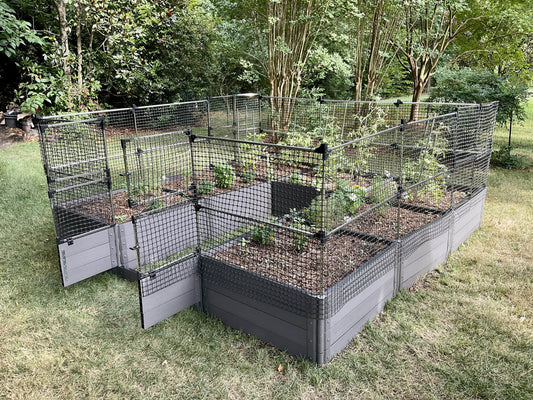
You’re not alone if you’ve ever tended to your raised garden beds only to find them ransacked by furry intruders. It’s frustrating, isn’t it?
You put in the effort, time, and love to grow your plants, and then, in a blink, it’s all gone. But what if you could change that narrative? Imagine a thriving garden where your plants grow untouched by curious critters.
Sounds like a dream, right? Well, it’s more achievable than you think. In this guide, we’ll explore simple yet effective strategies to keep animals out of your raised garden beds. By the end, you’ll have practical tips that not only protect your plants but also bring peace of mind. Ready to reclaim your garden? Let’s dive in and transform your growing space into a serene, animal-free zone!
Common Garden Pests
Raised garden beds can attract many animals. These animals often eat or damage plants. Knowing which animals visit your garden helps protect your plants.
Many pests come from local wildlife. Learning to identify them is the first step in keeping them out of your raised beds.
Identifying Local Wildlife
Local wildlife varies by region but some animals are common in many gardens. Signs like footprints, droppings, and plant damage help identify visitors.
- Rabbits leave small, round droppings and nibble leaves close to the ground.
- Deer make tall, irregular bite marks on leaves and stems.
- Raccoons leave large footprints and can dig into soil.
- Groundhogs create burrows near garden beds and eat many vegetables.
- Birds often peck at fruits and seeds.
Animals That Damage Raised Beds
| Animal | Type of Damage | Common Signs |
| Rabbits | Chew on young shoots and leaves | Small droppings, nibbled plants |
| Deer | Eat leaves and stems | Broken branches, tall bite marks |
| Raccoons | Dig for insects and roots | Large footprints, disturbed soil |
| Groundhogs | Eat vegetables and create burrows | Burrow holes, missing plants |
| Birds | Peck fruits and seeds | Peck marks, scattered seeds |

Credit: www.reddit.com
Physical Barriers
Animals can damage plants in raised garden beds. Using physical barriers helps keep them away. These barriers create a clear block that animals cannot pass.
This guide covers three common physical barriers to protect your garden. You will learn about fencing, netting, and raised edges.
Installing Fencing
Fencing is a strong way to stop animals from entering garden beds. Choose a fence tall enough for the animals in your area. Make sure it has small gaps to block smaller creatures.
Secure the fence deeply into the ground. This prevents animals from digging under it. Check the fence often for holes or weak spots.
- Use wire mesh or chicken wire for small animals.
- Metal or wood fences work well for larger animals.
- Fence height should be at least 3 feet for deer.
- Install a barrier 6 inches below ground to stop digging.
Using Netting And Covers
Netting keeps birds and small animals from eating plants. Covers protect plants while still letting sunlight and rain through. You can buy garden netting or use old mesh fabrics.
Attach netting securely around the bed. Use stakes or frames to hold the netting above plants. Remove covers carefully to check your plants.
- Use lightweight netting for easy setup.
- Choose UV-resistant netting for long use.
- Cover plants fully to stop all animal access.
- Remove netting during pollination if needed.
Creating Raised Edges
Raised edges make it harder for animals to climb into garden beds. Use wood, bricks, or stones to build these edges. Make them at least 6 inches tall for better protection.
Raised edges also help keep soil in place and reduce weeds. Check edges regularly for gaps or damage. Fix any weak spots to keep animals out.
- Wooden boards are easy to install and replace.
- Bricks or stones add a sturdy barrier.
- Ensure edges are tightly joined without gaps.
- Combine with fencing or netting for best results.
Natural Deterrents
Animals can damage raised garden beds by eating or digging up plants. Using natural deterrents helps keep animals away without chemicals.
These methods are safe for your garden and the environment. They also keep your plants healthy and protected.
Planting Repellent Herbs
Some herbs smell strong and animals dislike them. Planting these herbs near your garden beds can stop animals from coming close.
- Lavender – Its scent repels rabbits and deer.
- Rosemary – Keeps insects and small animals away.
- Mint – Strong aroma that deters pests and animals.
- Chives – Animals avoid the sharp smell of chives.
- Thyme – Its fragrance is unpleasant to many garden pests.
Homemade Sprays And Solutions
You can make sprays using common ingredients. These sprays work by smelling or tasting bad to animals.
| Spray Type | Main Ingredients | Use Instructions |
| Garlic Spray | Crushed garlic, water, soap | Mix and spray on plants every 3 days |
| Chili Pepper Spray | Chili powder, water, soap | Apply around garden edges and on plants |
| Vinegar Solution | Vinegar, water | Spray on soil near plants to deter digging |
| Soap Spray | Liquid soap, water | Spray leaves to keep insects and animals away |

Credit: www.reddit.com
Garden Maintenance Tips
Raised garden beds can attract animals looking for food. Keeping animals out helps protect your plants and vegetables.
Simple garden maintenance can stop animals from damaging your garden. This guide covers useful tips to keep animals away.
Removing Attractants
Animals visit gardens because of food, water, or shelter. Removing these attractants reduces visits from unwanted animals.
Clean up fallen fruits, vegetables, and plant debris quickly. Avoid leaving pet food or birdseed near your garden beds.
- Pick ripe fruits and vegetables promptly
- Remove plant debris and weeds regularly
- Store compost bins securely
- Do not leave standing water around beds
- Keep pet food indoors or away from garden
Regular Bed Inspection
Check your raised beds often for signs of animal activity. Early detection helps prevent major damage.
Look for footprints, droppings, holes, or broken plants. Fix any damage and reinforce barriers quickly.
- Inspect beds at least once a week
- Look under and around bed edges
- Repair any holes or weak fencing
- Remove animal tracks or droppings
- Replace damaged plants promptly
Animal-friendly Deterrents
Keeping animals out of raised garden beds can protect your plants. Using gentle methods helps avoid harm to wildlife.
Animal-friendly deterrents work by discouraging animals without causing stress or injury. These methods can be safe and effective.
Using Noise And Motion Sensors
Noise and motion sensors can scare animals away from your garden. They detect movement and trigger sounds or lights to startle animals.
These devices do not harm animals but make the area less inviting. They work well for deer, rabbits, and birds that visit gardens.
- Set sensors to activate only during certain hours
- Use varied sounds to prevent animals from getting used to them
- Place sensors near garden edges or entrances
- Combine with other deterrents for best results
Employing Companion Animals
Companion animals like dogs or chickens can help keep pests away. Their presence makes animals feel unsafe near your garden.
Dogs can patrol the garden and alert you to intruders. Chickens scratch the soil and may eat insects and small pests.
- Train dogs to stay near garden areas
- Use chickens to reduce insect populations
- Ensure companion animals do not damage plants
- Provide shelter and water for companion animals
Long-term Strategies
Keeping animals out of raised garden beds takes time and planning. Long-term strategies help protect plants over many seasons. These methods reduce animal damage naturally.
Using smart garden practices and community support keeps animals away. You can grow healthy plants without constant chasing or barriers.
Rotating Crops
Changing what you plant in your raised beds each season helps stop pests and animals. Crop rotation confuses animals and reduces their interest. It also keeps soil healthy and plants strong.
- Plant different crops in each bed every season.
- Avoid planting the same plant family repeatedly.
- Include plants that animals dislike or avoid.
- Use companion planting to protect vulnerable crops.
- Rotate crops that attract pests with ones that repel them.
Building Community Awareness
Working with neighbors and local groups helps protect your garden. When more people watch for animal activity, it keeps pests away. Sharing tips and resources builds strong defenses around your garden area.
| Community Action | Benefits |
| Neighborhood watch for garden pests | Early detection of animal problems |
| Sharing animal deterrent methods | More effective and varied protection |
| Group purchase of fencing materials | Lower costs and better coverage |
| Organizing garden workshops | Learning and spreading best practices |

Credit: www.reddit.com
Frequently Asked Questions
How Can I Prevent Animals From Entering Raised Beds?
Use physical barriers like wire mesh or fencing around beds. Raised beds can be covered with netting or garden fabric to block animals.
What Natural Repellents Keep Animals Away From Gardens?
Sprinkle garlic, chili powder, or coffee grounds near plants. These natural scents deter animals without harming them or the environment.
Are Raised Garden Bed Covers Effective Against Animals?
Yes, covers like mesh or row covers protect plants from birds and small mammals. They also allow sunlight and rain to reach plants.
Which Animals Commonly Invade Raised Garden Beds?
Rabbits, deer, squirrels, and raccoons often target raised garden beds. Identifying local wildlife helps tailor prevention methods effectively.
Conclusion
Keeping animals out of raised garden beds takes some effort and care. Simple barriers like fences or nets work well. Planting strong-smelling herbs can help keep pests away. Regularly checking your garden stops problems early. Healthy soil and plants grow stronger and resist damage.
Small changes make a big difference over time. Protect your plants and enjoy a thriving garden all season. Start with easy steps and watch your garden flourish without unwanted visitors.