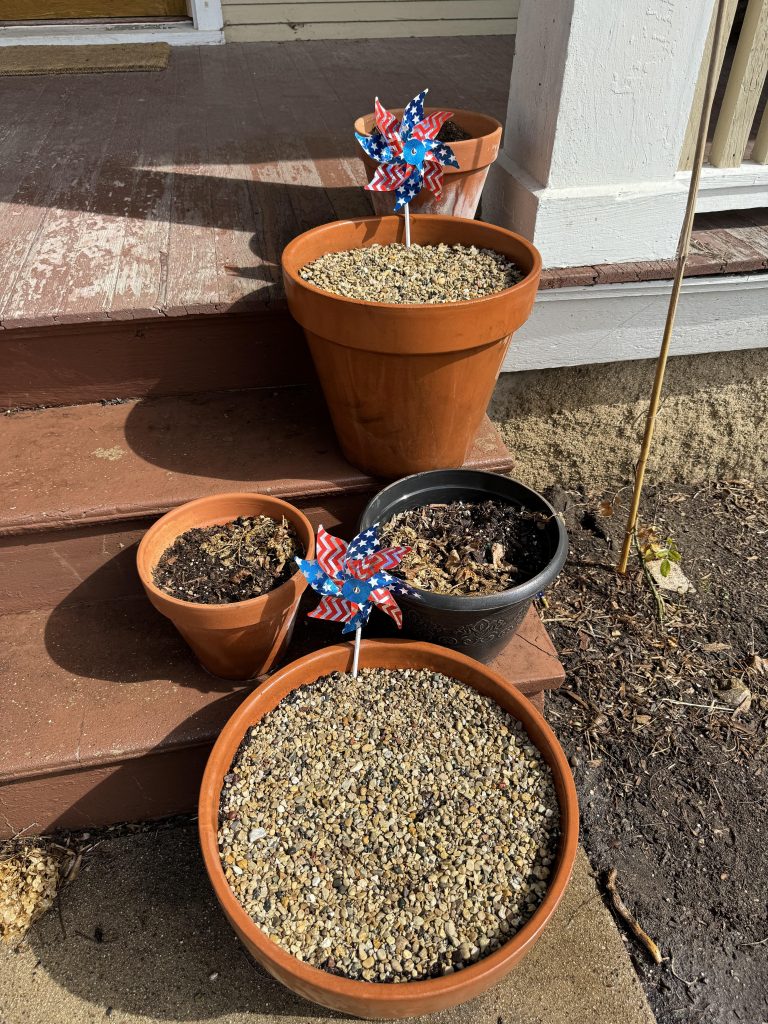
Are chipmunks turning your beautiful planters into their personal playground? You’re not alone.
These tiny creatures may look cute, but they can cause big damage to your plants and soil. If you want to protect your garden and keep those pesky chipmunks away, you need simple and effective solutions you can trust. You’ll discover easy ways to stop chipmunks from digging, nibbling, and making a mess in your planters.
Keep reading, and take back control of your garden today!
Identify Chipmunk Activity
Chipmunks can damage your planters and garden. It is important to spot their activity early.
Learning to identify chipmunk signs helps protect your plants and soil.
Signs Of Chipmunk Presence
Chipmunks leave clear signs where they are active. Look for small holes and tunnels near your planters.
You may see small piles of dirt or freshly dug soil around the pots.
- Small burrows or tunnels
- Loose soil around plants
- Chewed plant stems and leaves
- Small footprints in soft soil
- Scratch marks on wood or planters
Common Areas Of Damage
Chipmunks often target certain parts of your garden. Knowing these spots helps you watch better.
They usually dig near planter bases and hide under pots or garden edges.
- Soil around planter edges
- Inside flower pots and containers
- Under raised garden beds
- Near mulch or leaf piles
- Along garden borders and walls
Physical Barriers
Chipmunks can damage plants by digging and eating seeds. Physical barriers stop them from reaching planters. Using the right materials helps protect your plants without harming animals.
This guide covers wire mesh and fencing to keep chipmunks away. These barriers create a strong defense around your planters.
Wire Mesh Solutions
Wire mesh is a popular way to block chipmunks. It works by creating a tough screen that chipmunks cannot chew through or squeeze under.
- Choose hardware cloth with small openings, about 1/4 inch.
- Line the inside of planters with the mesh to prevent digging.
- Secure the mesh firmly to avoid gaps chipmunks can enter.
- Bend the edges outward to stop chipmunks from climbing over.
- Check regularly for any damage or holes in the mesh.
Effective Fencing Options
Fencing creates a barrier around the planter area. It keeps chipmunks out while letting plants get sunlight and rain.
| Fence Type | Material | Height | Best Use |
| Wire Mesh Fence | Galvanized steel | 12-18 inches | Small planter areas |
| Chicken Wire | Thin wire mesh | 12 inches | Temporary or light protection |
| Plastic Garden Fence | Durable plastic | 18 inches | Easy to install and move |
| Metal Garden Fence | Steel or aluminum | 18-24 inches | Long-term protection |
Natural Deterrents
Chipmunks can damage your planters by digging and eating plants. Using natural deterrents keeps them away without harming them.
These solutions use smells and plants chipmunks dislike. They help protect your garden in an eco-friendly way.
Essential Oils And Repellents
Chipmunks dislike strong smells like peppermint and eucalyptus. Using essential oils can keep them out of your planters.
Mix a few drops of essential oil with water. Spray this around your planters to create a scent barrier.
- Peppermint oil
- Eucalyptus oil
- Clove oil
- Garlic oil
Plant-based Solutions
Certain plants naturally repel chipmunks. Planting these near your planters helps keep chipmunks away.
These plants have strong smells or tastes chipmunks avoid. They add beauty and protect your garden.
- Lavender
- Marigolds
- Garlic
- Chrysanthemums

Credit: www.reddit.com
Ultrasonic Devices
Ultrasonic devices help keep chipmunks away from your planters. They send out high-frequency sounds.
These sounds bother chipmunks but are usually silent to humans and pets.
How Ultrasonic Repellents Work
Ultrasonic repellents use sound waves above 20,000 Hz. Chipmunks can hear these sounds clearly.
- The sound creates an uncomfortable environment.
- Chipmunks avoid the area to escape the noise.
- These devices do not harm animals but keep them away.
- They work best in quiet outdoor areas.
Placement For Maximum Effectiveness
Place ultrasonic devices near planters where chipmunks enter. Avoid blocking the sound with objects.
| Placement Area | Reason |
| Near planter edges | Chipmunks often enter here |
| Open spaces | Sound travels better without obstacles |
| About 1-2 feet above ground | Targets chipmunks’ height |
| Away from water sources | Prevents device damage |
Habitat Modification
Chipmunks can cause damage to planters by digging and eating plants. Changing their habitat helps keep them away. You can do this by making your garden less attractive to them.
Removing food sources and reducing shelter options are two effective ways to discourage chipmunks. These methods make your planters less inviting.
Removing Food Sources
Chipmunks look for easy food like seeds, nuts, and fallen fruit. Removing these items stops them from visiting your planters often.
- Clean up fallen seeds and nuts regularly
- Use bird feeders that do not spill food on the ground
- Harvest ripe fruits and vegetables promptly
- Store pet food and birdseed in sealed containers
- Plant chipmunk-resistant plants around your garden
Reducing Shelter Options
Chipmunks like to hide in thick shrubs and piles of debris. Removing these shelters makes your garden less safe for them.
| Shelter Type | Action to Reduce |
|---|---|
| Thick bushes and shrubs | Trim regularly to reduce cover |
| Wood piles | Store wood away from planters |
| Rock and leaf piles | Remove or relocate piles away from garden |
| Garden debris | Clean up fallen leaves and branches |

Credit: eastborngardens.com
Trapping And Relocation
Chipmunks can damage your planters by digging and eating plants. Trapping and relocating them is a safe way to protect your garden. This method helps move chipmunks without harm.
Use the right tools and follow laws to keep the process safe and legal. This guide explains how to trap and relocate chipmunks properly.
Safe Trapping Techniques
Choose a live trap that is big enough for chipmunks. Place bait like sunflower seeds or peanut butter inside. Set the trap near the planter where chipmunks appear most.
- Check traps often to avoid stress on the animal
- Wear gloves when handling traps to protect yourself and the chipmunk
- Release chipmunks at least one mile away to prevent return
- Use humane traps that do not injure the animal
- Keep pets and children away from the trap area
Legal Considerations For Relocation
Before trapping chipmunks, check local wildlife laws. Some areas require permits to trap or relocate animals. Follow all rules to avoid fines or harm.
| Legal Aspect | Details |
| Permit Required | Check with local wildlife agency |
| Relocation Distance | Usually at least 1 mile from capture site |
| Prohibited Methods | No poisons or lethal traps allowed |
| Release Locations | Safe natural habitats only, avoid urban areas |
Community Efforts
Keeping chipmunks out of planters can be a challenge. Working together with neighbors helps protect gardens and plants. Community efforts create stronger solutions than doing it alone.
Sharing ideas and watching out for pests as a group can reduce damage. Neighborhoods can form plans to stop chipmunks and keep planters safe.
Neighborhood Watch Programs
Neighborhood watch programs help by organizing residents to look for signs of chipmunk activity. Members can share tips and report problems quickly.
- Create a schedule for neighbors to check planters regularly.
- Share photos or reports of chipmunk sightings in a group chat.
- Use simple deterrents like noise makers or safe barriers together.
- Hold meetings to discuss what works and what does not.
Collaborative Solutions
Working as a group allows for better planning and resource sharing. Combining tools and ideas helps reduce chipmunk problems.
| Solution | Description | Benefits |
| Shared Barriers | Neighbors install fences or mesh around planters. | Blocks chipmunks from entering gardens. |
| Group Purchase of Repellents | Buy repellents in bulk to save money. | Ensures everyone has access to protection. |
| Community Garden Patrols | Volunteers watch and maintain gardens. | Spots problems early and deters pests. |

Credit: www.aol.com
Regular Monitoring
Keeping chipmunks out of planters requires regular monitoring. This helps you spot signs of their activity early.
By checking often, you can keep your plants safe and adjust your efforts to keep chipmunks away.
Routine Checks And Maintenance
Look for chipmunk holes or disturbed soil near your planters every few days. Remove any fallen seeds or nuts that may attract them.
- Inspect planter soil for new holes or tunnels.
- Clear away spilled birdseed or food scraps.
- Trim nearby bushes where chipmunks hide.
- Fix any damaged barriers or fences.
Adjusting Strategies As Needed
Watch how chipmunks respond to your methods. Change your approach if they find ways to get past barriers.
| Signs | Actions to Take |
| New burrows near planters | Increase barrier height or add mesh covers |
| Chewed plant leaves | Use natural repellents or move plants |
| Food remains in planter | Clean daily and remove attractants |
| Damaged fences | Repair or replace fences promptly |
Frequently Asked Questions
How Can I Prevent Chipmunks From Damaging Planters?
Use physical barriers like wire mesh around planters. Plant chipmunk-repellent plants and apply natural deterrents. Regularly clean fallen food to avoid attraction. These methods effectively keep chipmunks away without harming them.
What Natural Repellents Work Against Chipmunks?
Peppermint oil, garlic, and cayenne pepper repel chipmunks naturally. Spray diluted solutions around planters to deter them. These substances irritate their senses, discouraging them from approaching your plants.
Are There Safe Traps To Catch Chipmunks In Planters?
Yes, humane live traps safely capture chipmunks without harm. Place bait like sunflower seeds inside traps near planters. Release chipmunks far from your garden to prevent return.
Why Do Chipmunks Target Garden Planters?
Chipmunks seek food and shelter in planters. They eat seeds, bulbs, and roots, causing damage. Planters provide easy access and protection, attracting chipmunks frequently.
Conclusion
Keeping chipmunks away from your planters protects your plants and soil. Use barriers like mesh or wire around pots to block entry. Plant strong-smelling herbs that chipmunks dislike nearby. Removing food sources and hiding spots reduces their visits. Regularly check your garden for new signs of chipmunks.
Small steps can make a big difference in keeping them out. Stay patient and consistent with these methods. Your plants will grow healthier and safer without chipmunk trouble.