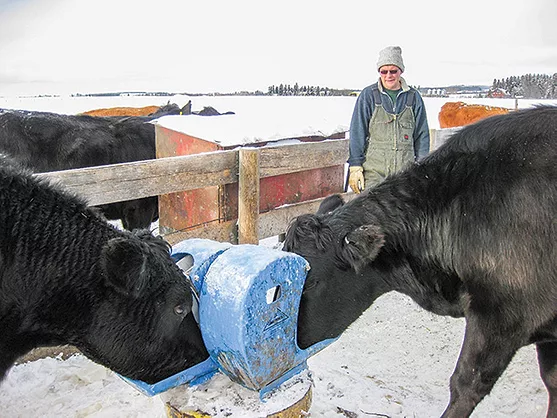
When winter’s chill takes hold, keeping your cows’ water from freezing becomes a priority. As temperatures drop, you might find yourself struggling to provide your cattle with the essential hydration they need.
But worry not—you’re not alone in this challenge. Imagine the peace of mind knowing your livestock always have access to fresh, unfrozen water, regardless of how cold it gets outside. This guide is here to help you achieve just that.
You’ll discover practical tips and clever hacks that are easy to implement, ensuring your cows stay healthy and hydrated all season long. Dive in and learn how to turn this winter woe into a worry-free solution.
Causes Of Water Freezing
Water freezing in cow troughs is a common challenge during cold months. Understanding why water freezes helps farmers find solutions. Several factors cause water to freeze, affecting livestock daily.
Temperature Effects On Water
Water freezes at 32°F (0°C). When the air temperature drops below this point, water starts to turn into ice. Cold nights and windy conditions speed up the freezing process. The longer water stays cold, the faster it freezes solid.
Environmental Factors
Wind increases heat loss from water surfaces. Shaded areas freeze water slower than open, exposed troughs. Snow cover can insulate water, slowing freezing. Metal or plastic troughs react differently to cold, affecting freeze rates.
Impact On Cattle Health
Frozen water limits cows’ access to drinking water. Dehydration risks rise when cows cannot drink enough. Lack of water reduces milk production and growth. Keeping water thawed protects cattle health and productivity.

Credit: www.youtube.com
Choosing The Right Water Sources
Choosing the right water source helps keep cows hydrated and healthy during winter. Cold weather can freeze water quickly. Selecting sources that resist freezing saves time and effort. Proper water sources reduce stress on animals and improve farm productivity.
Natural Vs. Artificial Sources
Natural water sources include ponds, streams, and springs. These can freeze over easily in cold temperatures. Ice on natural sources limits cows’ access to water. Artificial sources like tanks and troughs offer better control. They can be managed to prevent freezing more effectively.
Natural sources may be cheaper but need more monitoring. Artificial sources require investment but provide consistent water supply. Choose based on your farm size, budget, and climate conditions.
Insulated Water Troughs
Insulated water troughs keep water from freezing quickly. They use materials that slow heat loss. Thick walls and covers protect water from cold air. Insulation reduces energy needed to keep water warm.
- Use foam or rubber insulation around troughs.
- Cover troughs with lids or tarps at night.
- Place troughs in sheltered areas to block wind.
These steps help maintain liquid water longer without extra heating. Insulated troughs lower maintenance and save energy costs.
Heated Water Systems
Heated water systems use electric or solar power to stop freezing. They keep water at a safe temperature continuously. Options include heated mats, immersion heaters, and floating de-icers.
| Type | Benefits | Considerations |
|---|---|---|
| Heated Mats | Easy to install; energy efficient | Needs power source nearby |
| Immersion Heaters | Directly warms water; fast melting | Risk of electrical hazards; needs supervision |
| Floating De-Icers | Moves water to prevent ice; low maintenance | May not work in extreme cold |
Choose systems based on farm needs and climate severity. Proper installation and safety checks are important.
Effective Methods To Prevent Freezing
Keeping cow water from freezing is vital during cold months. Frozen water harms cattle health and disrupts farm routines. Effective methods can maintain water flow and temperature, ensuring cows stay hydrated and healthy. Proper techniques reduce labor and save energy costs.
Using Water Tank Heaters
Water tank heaters keep water warm and prevent ice formation. These heaters plug into power sources and maintain a steady temperature. Many models have thermostats that turn the heater on or off as needed. Choose heaters designed for outdoor use and safe with livestock.
Heaters come in different sizes for small or large tanks. Submersible heaters heat water from inside the tank. External heaters wrap around the tank surface. Both types work well but need proper installation to avoid hazards.
Insulation Techniques
Insulation slows heat loss from water tanks and troughs. Wrap tanks with foam or fiberglass insulation to keep warmth inside. Use insulated covers to shield water from cold air and wind. Insulation reduces the energy needed to keep water warm.
Apply weatherproof materials to protect insulation from rain and snow. Elevated tanks reduce ground contact and cold transfer. Combine insulation with heaters for best results.
Water Circulation And Movement
Moving water freezes slower than still water. Use pumps or fountains to keep water circulating. Even slow movement breaks ice formation on the surface. Circulation devices must be safe and durable for farm use.
Another option is heated waterers with built-in agitators. These keep water fresh and ice-free. Regularly check equipment to ensure it works properly during freezing weather.
Diy Solutions For Farmers
Keeping your cows’ water from freezing during cold months can be a tough challenge, especially if you rely on traditional watering systems. Luckily, there are several DIY solutions that you can put together with basic materials and a bit of ingenuity. These options not only save money but also give you control over the setup, ensuring your animals always have access to fresh water.
Homemade Tank Covers
Creating a cover for your water tanks can significantly reduce heat loss. Use materials like old insulation boards, plywood, or thick plastic sheets to build a simple lid that fits snugly over the tank.
Adding a layer of straw or foam insulation on top of the cover can trap heat effectively. I’ve found that using weather-resistant tape to seal any gaps keeps cold air out and prevents ice from forming quickly.
Would a cover alone be enough in your climate? It’s worth testing this affordable solution before investing in more complex systems.
Solar-powered Heating Options
Solar energy offers a low-cost way to keep water from freezing without increasing your electricity bill. Small solar panels connected to low-wattage heaters or heat mats placed inside or under the tank work well on sunny winter days.
You can build a basic setup by mounting a solar panel on a south-facing surface and connecting it to a waterproof heating element. This method requires minimal maintenance and runs silently.
Consider if your farm gets enough sunlight during winter to make solar heating viable. Combining solar power with insulation can boost effectiveness.
Windbreaks And Shelter Placement
Positioning your water tanks where they are shielded from harsh winds can reduce freezing dramatically. Planting dense shrubs or installing wooden fences around your water source acts as a natural barrier.
Even a simple tarp stretched on poles to block wind can help maintain water temperature. I once moved a tank from an open field to a spot behind a barn, and the difference in freezing time was noticeable.
Ask yourself: could rearranging your farm layout protect your water better? Sometimes the simplest changes make the biggest impact.
Monitoring And Maintenance Tips
Keeping your cows’ water from freezing requires more than just setting up a heater or insulation. Regular monitoring and maintenance are crucial to ensure the water stays accessible and safe for your herd. Paying close attention to the water source helps you catch problems early and adjust your approach before the cold becomes a bigger challenge.
Regular Water Checks
Check your water supply several times a day during freezing conditions. Look for any ice forming on the surface or around the edges of the trough.
Don’t just rely on visual checks—touch the water to feel if it’s getting too cold or slushy. This simple habit helps you catch freezing issues before your cows do.
Ask yourself: Are you checking early enough to prevent the water from freezing solid? Catching the problem early means less stress for both you and your animals.
Cleaning And Preventing Ice Build-up
Remove ice that forms on the water surface promptly. Use a sturdy tool to break it up gently without damaging the trough.
Keep the water trough clean to prevent debris from freezing along with the water. Dirty water freezes faster and can trap ice in unwanted spots.
Try adding a small amount of vegetable oil or a floating ball to the surface. These tricks can reduce ice formation by disturbing the water surface, making a big difference on cold mornings.
Adjusting Strategies For Extreme Cold
When temperatures drop dramatically, your usual methods might not be enough. Consider switching to heated water bowls or adding insulated covers to your troughs.
Increase the frequency of your checks and ice removal during these periods. Extreme cold demands extra attention to keep water available.
Have you thought about setting up a backup water source indoors or in a heated area? This can save you time and effort when outdoor conditions become too harsh.
Credit: www.canadiancattlemen.ca
Benefits Of Consistent Water Access
Ensuring cows have steady access to unfrozen water during cold months is crucial for their well-being and productivity. Consistent water availability prevents many health issues and supports vital bodily functions. Let’s look at how this simple practice benefits your herd in multiple ways.
Maintaining Hydration
Cows need plenty of water to stay hydrated, especially in winter when dry feed intake increases. Frozen water sources can limit their drinking, leading to dehydration. Have you noticed your cows drinking less in cold weather? This often signals frozen water.
Keeping water liquid encourages regular intake. You can use heated water tanks or insulated troughs to prevent freezing. This small change helps your cows maintain proper hydration effortlessly.
Improving Milk Production
Water directly impacts milk yield. Cows that drink enough water produce more milk with better quality. Even a slight drop in water intake can reduce milk output significantly.
One dairy farmer shared how installing a heated water system in winter increased milk production by 10%. Consistent water access helps your cows meet their nutritional needs and sustain peak milk flow.
Enhancing Overall Herd Health
Water supports digestion, temperature regulation, and immune function in cows. Frozen water limits intake, which can lead to digestive issues and stress. This weakens their ability to fight off diseases.
Providing unfrozen water reduces illness risk and improves recovery times. Think about the last time you felt dehydrated—your energy and health took a hit. Your cows experience the same.
How will you ensure your herd never faces water shortages this winter? Taking action now protects their health and your farm’s success.
Credit: www.agproud.com
Frequently Asked Questions
How Can I Prevent Cow Water From Freezing In Winter?
Use heated water tanks or de-icers to keep water above freezing. Insulate water containers and place them in sheltered areas. Regularly check and break ice to ensure cows have constant access to water.
What Are The Best Heated Water Tanks For Cows?
Look for durable, energy-efficient heated tanks designed for livestock. Choose tanks with thermostats that maintain optimal water temperature. Consider solar-powered options for energy savings and easy installation.
Why Is Preventing Frozen Water Important For Cows?
Frozen water limits cows’ access to hydration, affecting health and milk production. It can cause dehydration and stress. Maintaining liquid water ensures cows stay healthy and productive during cold months.
Can Insulation Help Keep Cow Water From Freezing?
Yes, insulation reduces heat loss and slows freezing. Use foam or straw around water containers. Insulated covers or boxes provide extra protection against cold temperatures.
Conclusion
Keeping cow water from freezing takes simple steps and care. Use heated water tanks or insulated containers. Check water supply often during cold days. Clean water troughs prevent ice buildup and keep cows healthy. Small actions save time and protect animals.
Cold weather is tough, but preparation helps cows stay hydrated. Stay consistent and observe changes in weather. Water is life—keep it flowing all winter.