Have you ever faced the frustration of your DEF (Diesel Exhaust Fluid) freezing just when you need it most? If your vehicle’s DEF freezes, it can cause delays, damage, and costly repairs.
But don’t worry—keeping your DEF from freezing is easier than you might think. You’ll discover simple, effective tips that protect your DEF in cold weather. By following these steps, you can avoid downtime and keep your vehicle running smoothly no matter how low the temperature drops.
Keep reading to learn exactly what you need to do to prevent your DEF from freezing.
Credit: azurechemical.com
Causes Of Def Freezing
Understanding what causes DEF (Diesel Exhaust Fluid) to freeze is key to preventing it from disrupting your vehicle’s performance. DEF freezing happens more often than you might think, especially in colder climates. By knowing the reasons behind the freeze, you can take steps to keep your system running smoothly.
Chemical Properties Of Def
DEF is made up of 32.5% high-purity urea and 67.5% deionized water. This unique mix is designed to reduce harmful emissions in diesel engines. However, the water content means DEF behaves much like water when temperatures drop—it freezes.
Unlike pure water, DEF freezes at around -11°C (12°F). This lower freezing point is due to the urea solution, but it still solidifies under cold conditions. The crystals formed can block the DEF pump and lines, causing system malfunctions.
Temperature Thresholds
Most DEF products start freezing when temperatures fall below -11°C (12°F). But it’s not just the outside temperature you should watch. DEF stored in tanks exposed to cold drafts or poor insulation can freeze even faster.
Have you noticed your vehicle’s DEF warning light during chilly mornings? That’s a sign the fluid is approaching freezing point. Cold starts in winter are prime moments when DEF freezing is most likely to happen.
Impact On Vehicle Performance
Frozen DEF can block the dosing system that sprays fluid into your exhaust. When this happens, your vehicle’s emissions control system won’t work properly. This can trigger warning lights and even reduce engine power as a protective measure.
Driving with frozen DEF isn’t just inconvenient—it can lead to costly repairs. Your truck or car might enter a “limp mode,” limiting speed and performance to prevent damage. Have you ever had your vehicle slow down unexpectedly in cold weather? DEF freezing could be why.
Preparing Def For Winter
Preparing DEF (Diesel Exhaust Fluid) for winter is essential to keep your vehicle running smoothly in freezing temperatures. DEF can freeze at 12°F (-11°C), but with the right preparation, you can prevent it from causing any issues. Taking simple steps before the cold hits helps you avoid downtime and costly repairs.
Selecting Quality Def
Choosing high-quality DEF makes a big difference in winter performance. Look for products that meet ISO 22241 standards to ensure purity and effectiveness.
Some brands add antifreeze agents to help lower the freezing point. Have you checked the DEF label for these additives? Opting for premium DEF can save you trouble during harsh cold spells.
Proper Storage Techniques
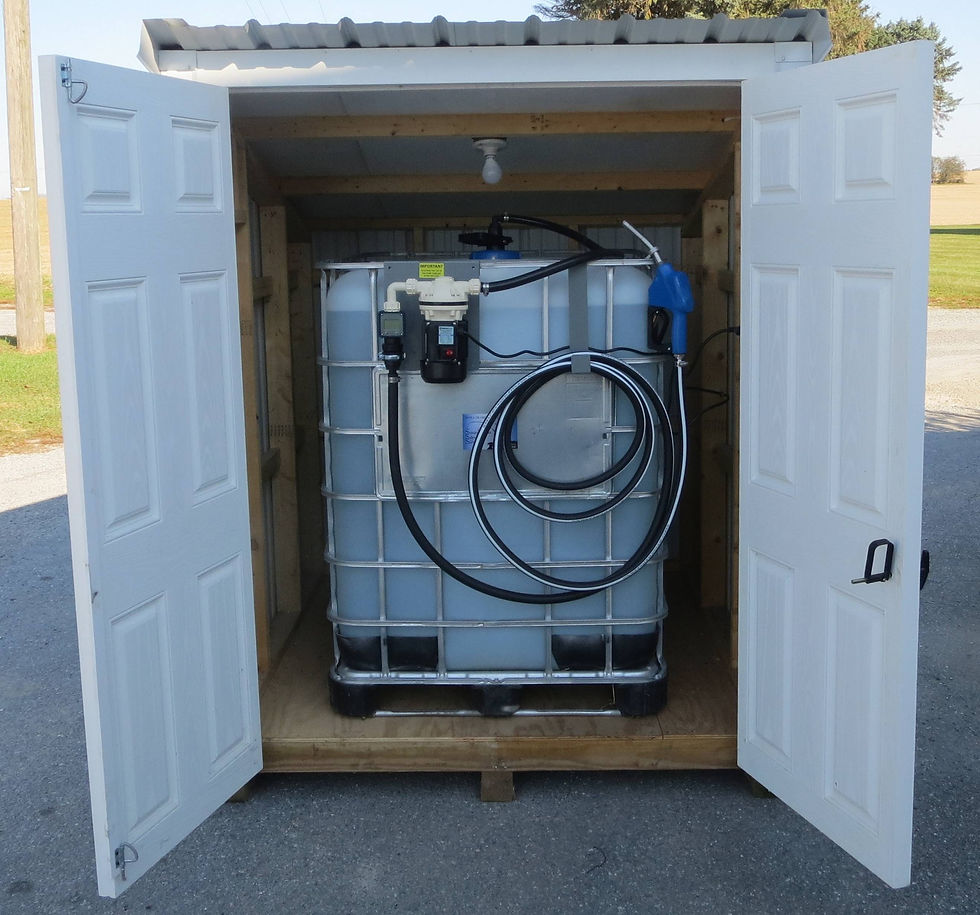
Where and how you store DEF matters a lot. Keep your DEF containers indoors or in insulated spaces to avoid exposure to freezing temperatures.
If storing outside is unavoidable, use insulated covers or thermal blankets to shield the containers. Avoid leaving DEF in direct sunlight or near heat sources, as extreme temperature swings can degrade the fluid.
Using Heated Def Tanks
Installing heated DEF tanks is a smart solution for preventing freezing in cold climates. These tanks use electric heating elements or engine heat to maintain fluid temperature above freezing.
Have you considered retrofitting your vehicle with a heated tank? It ensures DEF stays liquid and ready to use, reducing start-up delays and improving emissions system performance.
Maintaining Def System Health
Maintaining the health of your Diesel Exhaust Fluid (DEF) system is crucial to prevent freezing and ensure smooth vehicle operation. A well-cared-for system reduces the chances of costly repairs and downtime. Paying attention to simple maintenance tasks can keep your DEF system running efficiently, even in colder climates.
Regular Inspection
Check your DEF tank and lines regularly for cracks, leaks, or any signs of wear. Small leaks can let moisture in, increasing the risk of freezing. Make it a habit to inspect these components every few weeks, especially before winter.
Look for cloudiness or contamination in the DEF fluid—it should be clear or slightly blue. If you notice discoloration, consider testing the fluid or replacing it. Have you checked your DEF system this week?
Cleaning Def Components
Dirt and debris can clog the DEF injector and lines, leading to freezing problems. Use a clean cloth and mild detergent to wipe down the tank cap, filler neck, and surrounding areas. Avoid harsh chemicals that might damage the system.
Flush the DEF lines periodically to remove buildup. This simple step can prevent blockages that cause fluid to freeze in the wrong places. How often do you clean your vehicle’s DEF components?
Replacing Filters
Filters in the DEF system remove impurities that can cause freezing or damage. Check your owner’s manual for the recommended replacement intervals. Old or clogged filters restrict fluid flow, increasing freeze risk.
Use only manufacturer-approved filters to maintain system integrity. A fresh filter ensures your DEF fluid stays pure and flows smoothly. When was the last time you replaced your DEF filter?
Winter Driving Tips
Driving in winter means dealing with freezing temperatures that can affect your Diesel Exhaust Fluid (DEF). Keeping DEF from freezing is crucial to maintaining your vehicle’s performance and avoiding costly repairs. Let’s look at some practical winter driving tips to help you manage DEF effectively.
Pre-trip Def Check
Before you hit the road, always check your DEF level and its condition. DEF can freeze at 12°F (-11°C), so make sure your tank is full or at least above half to reduce freezing risk. Also, inspect the DEF tank for any cracks or damage that could let cold air in.
Have you noticed your vehicle’s DEF warning lights? Don’t ignore them. They can signal low DEF or freezing issues that need immediate attention.
Managing Def Levels On The Road
While driving, try to keep your DEF tank as full as possible. Frequent refills reduce the chance of freezing since the fluid inside stays warmer. If you’re stopping for breaks, park in sheltered or heated areas when available to keep the DEF temperature stable.
Using a block heater or engine heater can help maintain fluid temperature during long stops. Did you know some trucks come with DEF tank heaters? If yours doesn’t, consider aftermarket options to protect your DEF in extreme cold.
Emergency Def Handling
If your DEF freezes on the road, don’t panic. Most DEF systems will automatically thaw as the engine warms up during driving. However, if thawing takes too long or your vehicle won’t start, you may need to warm the DEF tank manually.
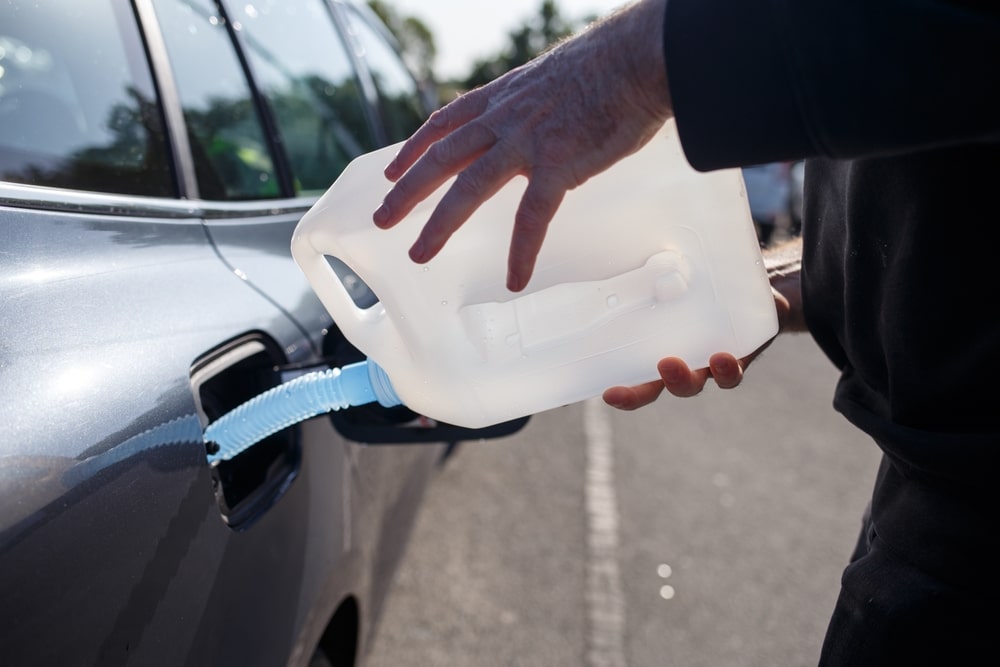
Carrying a portable heater or heat packs can save you in emergencies. Also, keep a small amount of DEF in a warm container inside your vehicle for quick refills if needed. How prepared are you for unexpected DEF freezing during your winter drives?
Technology Solutions For Def Freezing
Technology plays a key role in preventing DEF from freezing. Advanced tools and materials help keep DEF fluid during cold weather. These solutions protect the vehicle’s performance and reduce downtime.
Using technology ensures DEF stays in the right condition. It keeps the system working smoothly even in freezing temperatures. Below are some common technological methods to prevent DEF freezing.
Heated Lines And Pumps
Heated lines use electric elements wrapped around DEF pipes. These heat the fluid, stopping it from freezing inside the tubes. Pumps with built-in heaters keep DEF moving and warm.
This system activates when temperatures drop. It keeps DEF flowing to the engine without blockage. Heated pumps also maintain pressure, ensuring proper fluid delivery.
Insulation Materials
Insulation wraps around DEF tanks and pipes to reduce heat loss. It works by trapping warmth inside the system. This keeps the DEF liquid longer during cold weather.
Common insulation materials include foam and rubber sleeves. They are easy to install and help maintain steady temperatures. Insulation lowers the risk of ice forming in the DEF system.
Smart Monitoring Systems
Smart sensors track the DEF temperature in real time. They send alerts to the driver or maintenance team when freezing risk rises. This allows quick action to protect the fluid.
These systems often connect to vehicle computers. They can automatically activate heaters or adjust engine settings. Smart monitoring helps prevent DEF freezing without manual checks.

Credit: azurechemical.com

Credit: www.amazon.ca
Frequently Asked Questions
What Is Def And Why Does It Freeze?
DEF (Diesel Exhaust Fluid) is a urea solution used in diesel engines. It freezes at 12°F (-11°C). Freezing can block the DEF system, affecting emissions control and engine performance.
How Can I Prevent Def From Freezing In Cold Weather?
Store DEF in insulated containers or heated areas. Use DEF heaters or electric blankets. Keep the vehicle in a garage during extreme cold to maintain fluid temperature.
Can I Use Additives To Stop Def From Freezing?
No additives are recommended for DEF. Using additives can damage the DEF system and void warranties. Follow manufacturer guidelines to ensure DEF quality and freezing resistance.
What Happens If Def Freezes In My Vehicle?
Frozen DEF can clog the dosing system, causing engine faults. Most vehicles have built-in heaters to thaw DEF quickly. Avoid driving until the DEF system is fully thawed.
Conclusion
Keeping DEF from freezing is crucial for smooth vehicle operation. Use a quality DEF heater for reliable protection. Store DEF in a warm place, away from cold. Regularly check DEF levels to prevent issues. Consider using additives to lower the freezing point.
These steps ensure your vehicle runs well in cold weather. Protecting DEF saves time and money on repairs. Now you can drive confidently, knowing you’re prepared for winter’s chill. Stay proactive and keep your vehicle in top shape all season long.