Are cold feet keeping you awake during your camping trips? Nothing ruins a cozy night in your sleeping bag faster than that icy chill creeping in at your toes.
You deserve to stay warm and comfortable from head to toe, no matter how low the temperature drops outside. You’ll discover simple, effective ways to keep your feet warm inside your sleeping bag—so you can enjoy deep, restful sleep every night.
Keep reading to find out how to banish the cold and wake up refreshed!
Credit: goosefeetgear.com
Choose The Right Sleeping Bag
Keeping your feet warm inside a sleeping bag starts with picking the right bag. Your sleeping bag should protect your whole body from cold air and keep heat inside.
Choosing the correct sleeping bag depends on the insulation type and the bag’s size and shape. These factors help keep your feet cozy all night.
Select Appropriate Insulation
Insulation keeps your body heat trapped inside the sleeping bag. There are two main types: down and synthetic. Each has benefits for warmth and moisture resistance.
- Down insulation:Lightweight and compressible. It keeps heat well but loses warmth if wet.
- Synthetic insulation:Heavier but keeps warmth even when damp. Dries faster than down.
- Insulation weight:Bags with higher fill power or thicker synthetic layers provide better warmth.
Pick The Correct Size And Shape
The size and shape of your sleeping bag affect how well it holds heat around your feet. A good fit means less air space to warm up.
| Bag Shape | Heat Retention | Comfort |
|---|---|---|
| Mummy | Best for warmth. Snug fit reduces heat loss. | Less room but keeps feet warm. |
| Rectangular | More air space, less heat retention. | More room for movement but colder feet. |
| Semi-rectangular | Balance of warmth and space. | Good comfort and decent heat retention. |
Layer Up Your Socks
Keeping your feet warm in a sleeping bag is important for a good night’s sleep. Layering up your socks can help maintain warmth.
Choose the right materials and techniques to ensure your feet stay cozy throughout the night.
Use Moisture-wicking Materials
Moisture-wicking materials pull sweat away from your feet. This helps keep them dry and warm.
- Look for socks made of wool or synthetic fibers.
- Avoid cotton as it retains moisture.
- Consider liner socks for added comfort.
Avoid Tight Or Damp Socks
Wearing tight or damp socks can restrict blood flow. This makes your feet colder.
Ensure your socks are dry before wearing them to bed. If needed, change into a fresh pair to maintain warmth.
| Material | Benefits |
| Wool | Warm and moisture-wicking |
| Synthetic | Lightweight and quick-drying |
| Cotton | Not recommended as it retains moisture |
Pre-warm Your Sleeping Bag
Keeping your feet warm in a sleeping bag is very important for a good night’s sleep. Cold feet can make you uncomfortable and wake you up.
Pre-warming your sleeping bag helps keep the inside warm before you get in. This makes it easier to stay cozy all night long.
Use Hot Water Bottles
Hot water bottles are great for warming your sleeping bag before bedtime. Fill a bottle with hot water and place it at the foot of your bag.
The heat from the bottle spreads inside the bag. It keeps your feet warm for hours. Make sure the bottle is sealed well to avoid leaks.
- Use warm water, not boiling hot
- Wrap the bottle in a cloth to protect your skin
- Place it at the bottom of your sleeping bag
- Remove the bottle before sleeping if it gets too hot
Warm Up With Body Heat
Your body heat can help warm your feet inside the sleeping bag. Move your feet around before getting inside to increase blood flow.
Once inside, curl your toes and keep your feet close together. This helps trap heat and keeps your feet cozy.
- Wear dry socks made of wool or synthetic fibers
- Avoid tight footwear that blocks circulation
- Keep your feet inside the sleeping bag’s footbox
- Do gentle foot exercises before sleeping
Add Extra Insulation
Keeping your feet warm in a sleeping bag is important for a good night’s sleep. Adding extra insulation helps trap heat around your feet.
There are simple ways to add insulation that make a big difference. This keeps you comfortable in cold weather.
Use Foot Warmers
Foot warmers are small packs that produce heat. You place them inside your sleeping bag near your feet.
They provide extra warmth for several hours. Foot warmers are easy to use and can make cold nights better.
- Activate foot warmers before use
- Put them inside your sleeping bag near feet
- Do not place directly on skin to avoid burns
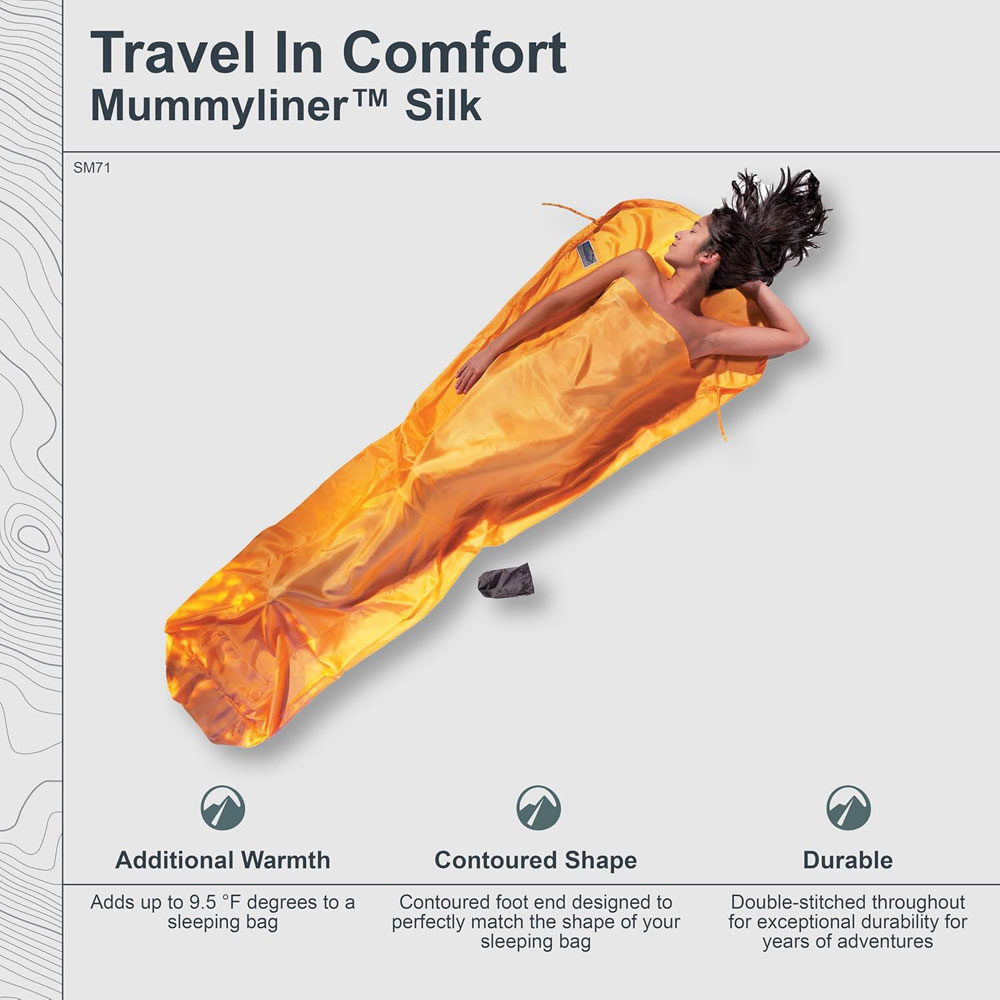
Try Thermal Liners
Thermal liners are thin blankets made of insulating material. You add them inside your sleeping bag to increase warmth.
They help trap body heat and keep cold air out. Liners are lightweight and easy to carry on trips.
- Choose liners that fit your sleeping bag size
- Place the liner inside the bag before sleeping
- Use liners made of fleece or silk for best warmth
Optimize Sleeping Bag Position
Keeping your feet warm inside a sleeping bag helps you sleep better in cold weather. How you position your sleeping bag can make a big difference.
Adjusting your sleeping bag to fit your body well stops cold air from reaching your feet. This keeps the warmth inside.
Keep Feet Away From Air Gaps
Air gaps inside your sleeping bag let cold air circulate near your feet. This cools them down quickly. Avoid spaces between your feet and the sleeping bag walls.
Try to fill all empty spaces around your feet. Use your legs to push out any loose parts of the sleeping bag. This stops cold air from moving inside.
- Make sure the sleeping bag fits your height well
- Use a foot box or foot pocket if your bag has one
- Keep your feet slightly apart to fill the foot area
Avoid Compressing Insulation
Insulation in your sleeping bag traps warm air. If you press your feet too hard against the bag, it squashes this insulation. This lowers its ability to keep heat.
Try not to curl your feet tightly or press them hard against the bag. Let the insulation stay fluffy around your feet. This keeps warmth trapped inside.
- Keep a relaxed foot position inside the bag
- Use extra socks or liners for added warmth
- Avoid heavy boots or shoes inside the sleeping bag
Credit: www.walks4all.com
Maintain Good Circulation
Keeping your feet warm inside a sleeping bag is important for comfort. Good blood flow helps stop your feet from getting cold.
Here are simple ways to improve circulation and keep your feet warm all night.
Do Light Foot Exercises
Moving your feet helps blood flow better. It keeps your toes warm and stops numbness.
- Flex and point your toes gently
- Rotate your ankles in circles
- Wiggle your toes often
- Stretch your feet before sleeping
Avoid Tight Clothing
Tight socks or pants can block blood flow. Wear loose layers that do not squeeze your legs or feet.
| Clothing Type | Effect on Circulation |
|---|---|
| Tight Socks | Restricts blood flow, causes cold feet |
| Loose Socks | Allows blood to move freely |
| Tight Pants | Can squeeze leg arteries |
| Loose Pants | Supports good circulation |
Choose The Right Campsite
Keeping your feet warm inside a sleeping bag starts with picking the right campsite. Your location affects how much cold you feel at night.
Finding a good spot can protect you from wind and dampness, which make your feet colder. Choose carefully for a better night’s sleep.
Find Sheltered Spots
Look for places that block strong wind. Trees, bushes, and large rocks can act as natural shields. Avoid open areas where wind flows freely.
- Set up near dense trees or shrubs
- Use natural landforms like hills or cliffs as windbreaks
- Avoid ridges or exposed hilltops
- Check the wind direction before pitching your tent
Avoid Damp Ground
Wet ground cools your sleeping bag from below. It also makes your feet colder and less comfortable. Choose dry soil or grassy areas to stay warm.
| Ground Type | Effect on Warmth |
| Dry soil | Keeps heat inside sleeping bag |
| Wet soil or mud | Draws heat away from your body |
| Grass | Offers natural insulation |
| Rocks or gravel | Can be cold but dry |
Credit: goosefeetgear.com
Frequently Asked Questions
How Can I Keep My Feet Warm In A Sleeping Bag?
Wear insulated socks and use a sleeping bag liner for extra warmth. Keep your feet dry and avoid tight footwear. Use a hot water bottle or heat packs safely inside the bag for added heat.
Does Wearing Socks Help Keep Feet Warm In Sleeping Bags?
Yes, wearing moisture-wicking, insulated socks helps retain heat. Avoid cotton socks as they trap moisture. Choose wool or synthetic socks designed for cold weather to keep feet warm and dry.
What Type Of Sleeping Bag Is Best For Cold Feet?
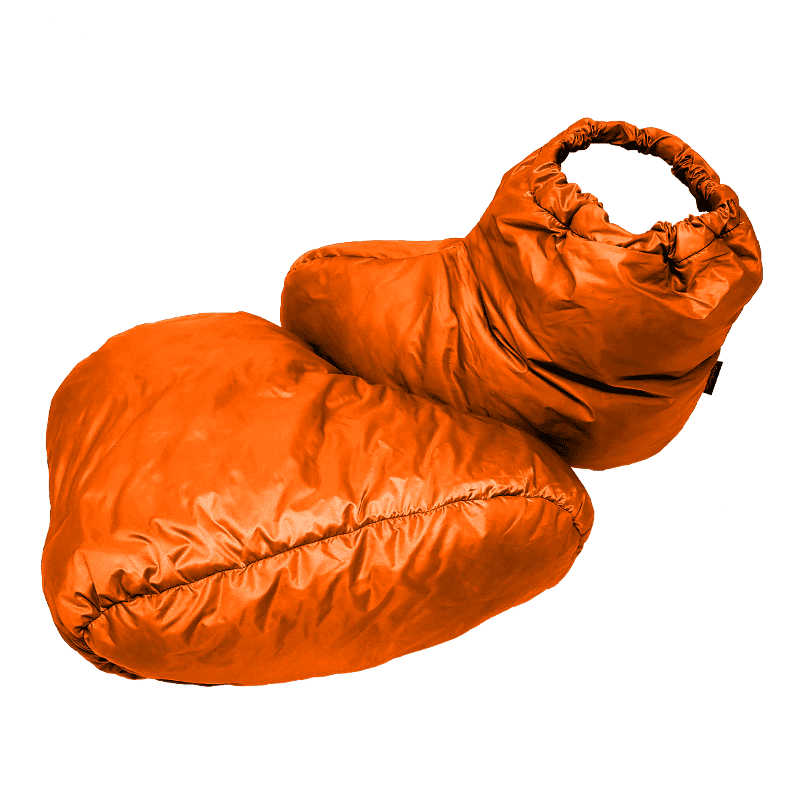
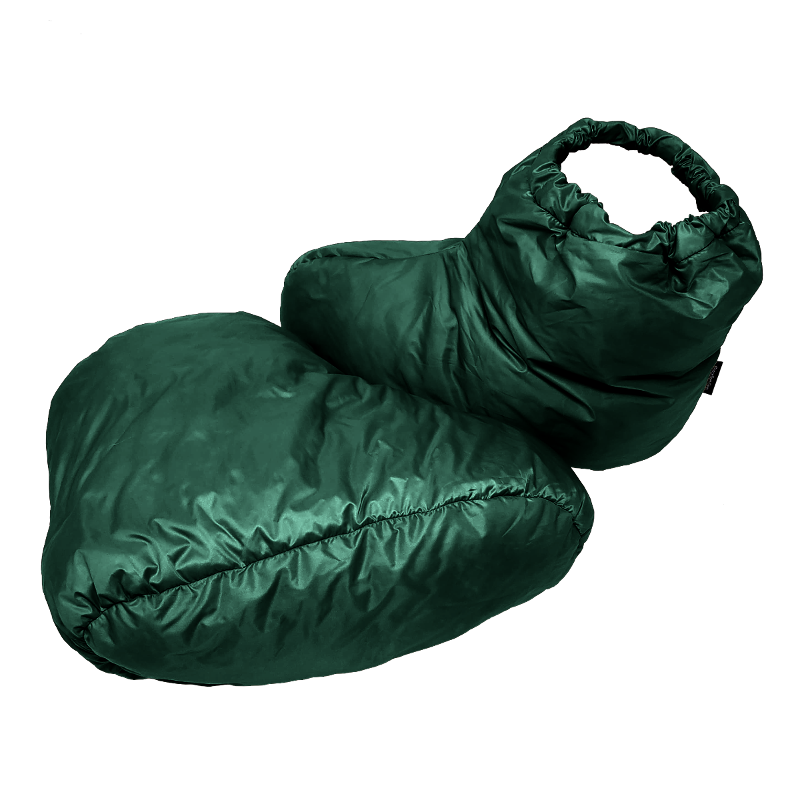
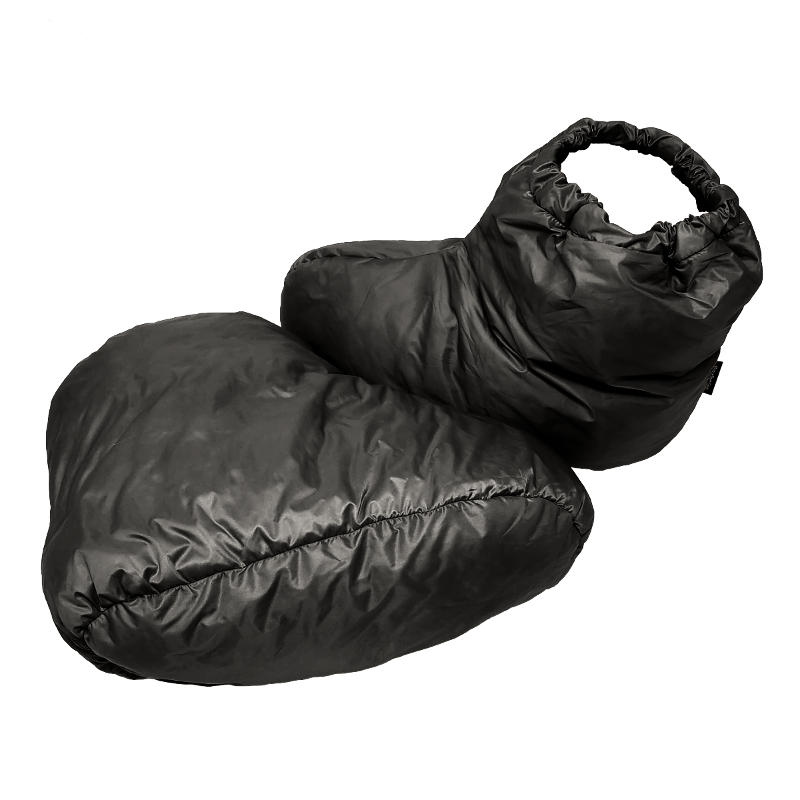
Choose a sleeping bag rated for temperatures below expected conditions. Mummy-shaped bags trap heat better. Bags with insulated foot boxes provide extra warmth specifically for your feet.
Can Foot Warmers Improve Warmth Inside A Sleeping Bag?
Yes, chemical or electric foot warmers can provide additional heat. Use them safely to avoid burns or overheating. They are especially useful in extremely cold conditions or for people prone to cold feet.
Conclusion
Cold feet can spoil a good night’s sleep outdoors. Keep your feet dry and wear warm socks. Use foot warmers or a hot water bottle safely inside the sleeping bag. Choose a sleeping bag with good insulation around the feet area.
Keep your sleeping bag zipped up tight to trap heat. These small steps help your feet stay warm and comfortable. Sleep better and enjoy your camping trip more with warm feet. Simple care makes a big difference in cold weather.
Stay cozy and rest well!