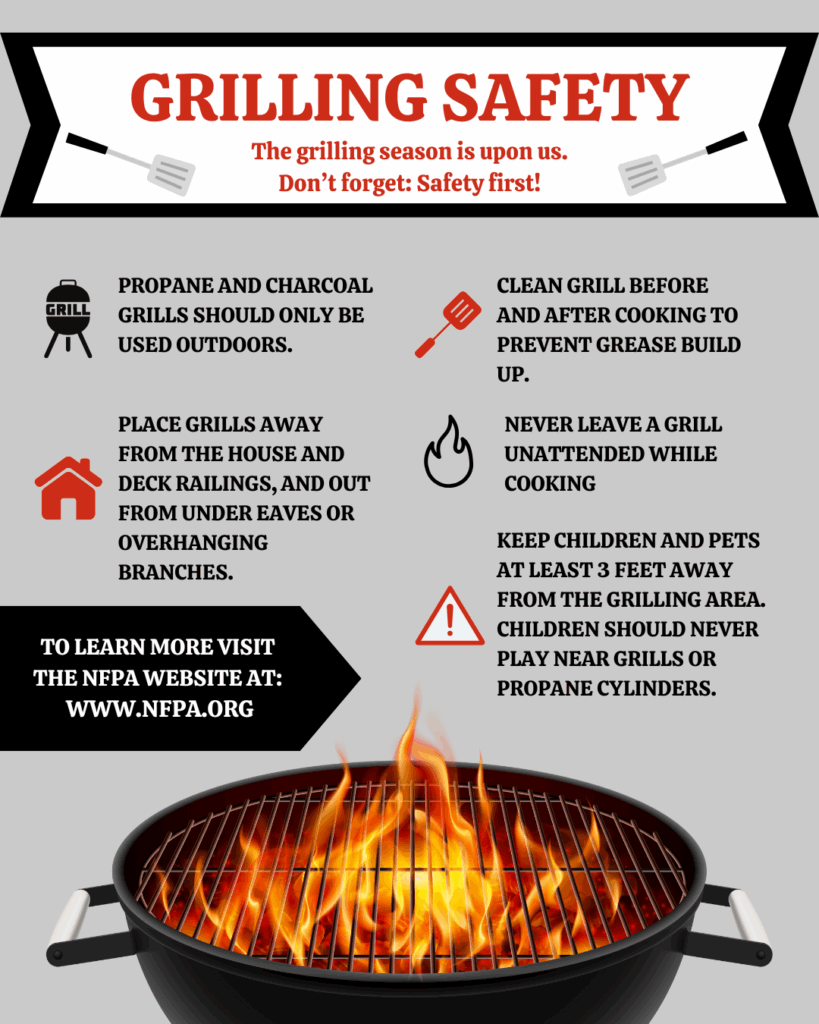
Keeping your charcoal grill fire burning strong can sometimes feel like a challenge. You want those perfect flames to cook your food just right, but the fire keeps dying out or turning into a pile of gray ash.
What if you could learn simple, reliable tricks to keep your grill fire going longer and hotter? You’ll discover easy steps that anyone can follow to maintain a steady, powerful fire on your charcoal grill every time you cook. Get ready to turn your grilling experience up a notch and impress your friends with perfectly cooked meals!
Credit: bbqnewsletter.substack.com
Choosing The Right Charcoal
Keeping a fire going on a charcoal grill starts with picking the right charcoal. Good charcoal burns longer and gives steady heat.
Different types of charcoal affect how your grill performs. Learn what to choose for the best grilling experience.
Types Of Charcoal
Charcoal mainly comes in lump charcoal and briquettes. Lump charcoal is made by burning wood slowly. Briquettes are made from compressed charcoal and other materials.
- Lump Charcoal:Lights fast and burns hot. It produces less ash but can burn unevenly.
- Briquettes:Burn longer and give consistent heat. They make more ash but are easier to control.
- Natural Hardwood Briquettes:Made without additives. They offer clean burning and good flavor.
- Instant Light Charcoal:Contains chemicals to light quickly. Not recommended for flavor-sensitive cooking.
Quality Indicators
Look for charcoal that burns evenly and has low ash content. High-quality charcoal should be dry, hard, and free from dust.
| Indicator | Why It Matters | How to Check |
| Low Ash | Less ash means better airflow and longer burn | Look for clean, hard pieces with little powder |
| Dryness | Wet charcoal is hard to light and burns poorly | Tap pieces; they should sound solid, not dull |
| Uniform Size | Even pieces burn more steadily | Check the bag for consistent chunk sizes |
| No Additives | Pure charcoal gives better flavor and is safer | Read labels to avoid chemicals and fillers |
Avoiding Common Mistakes
Many make errors that hurt the fire’s strength. Avoid these to keep your grill burning well.
- Do not use charcoal with too much dust or small pieces. These burn too fast.
- Avoid charcoal that is damp or stored outside in rain.
- Do not mix instant light charcoal with natural charcoal for flavor-sensitive cooking.
- Never use softwood charcoal or charcoal with fillers. They burn poorly and create bad smoke.
Preparing Your Grill
Preparing your charcoal grill well helps keep the fire burning strong. Good preparation makes cooking easier and more enjoyable.
Focus on cleaning, arranging charcoal, and setting airflow. These steps create the best conditions for grilling.
Cleaning The Grill
Start by removing old ashes and leftover charcoal. Use a grill brush to clean the grates well.
Cleaning prevents flare-ups and helps heat spread evenly. It also stops old food from changing the taste of your meal.
Arranging The Charcoal
Arrange your charcoal to keep the fire alive longer. Place more coals in the center for steady heat.
- Make a pile of charcoal in the middle for direct heat.
- Spread some coals to the sides for indirect heat.
- Leave space between pieces to allow air flow.
- Add fresh charcoal as needed to maintain the fire.
Setting Up Airflow
Good airflow controls the fire’s temperature. Open the vents under the grill and on the lid to allow oxygen in.
| Vent Position | Effect on Fire |
|---|---|
| Fully Open | Increases oxygen, makes fire hotter |
| Partially Open | Moderates heat, maintains steady fire |
| Closed | Limits oxygen, fire dims or goes out |
Adjust vents as needed to keep the fire burning at the right temperature.
Lighting Techniques
Keeping a fire going on a charcoal grill needs the right lighting methods. Good lighting helps your charcoal burn evenly and longer.
This guide shows simple ways to start and keep your fire strong. Learn how to use fire starters, matches, lighters, and stay safe.
Using Fire Starters
Fire starters help ignite charcoal quickly and safely. They burn long enough to light the charcoal without harmful chemicals.
- Place fire starters under the charcoal pile for even heat.
- Use natural options like wax cubes or wood chips.
- Avoid using too much fire starter to prevent flare-ups.
- Light the fire starter at several points for a steady burn.
Match Vs Lighter Methods
Matches and lighters are common tools to start a grill fire. Each has advantages depending on your needs.
| Method | Advantages | Best For |
| Matches | Easy to carry, cheap, disposable | Quick lighting in calm weather |
| Lighter | Reusable, wind-resistant models available | Lighting in windy or damp conditions |
Safe Ignition Tips
Safety is key when lighting charcoal. Follow these tips to avoid accidents and burns.
- Light your charcoal in a well-ventilated area.
- Keep a bucket of water or fire extinguisher nearby.
- Do not use gasoline or other flammable liquids.
- Wear heat-resistant gloves for protection.
- Never leave the grill unattended while lighting.
Credit: pnpcharcoal.com
Maintaining The Fire
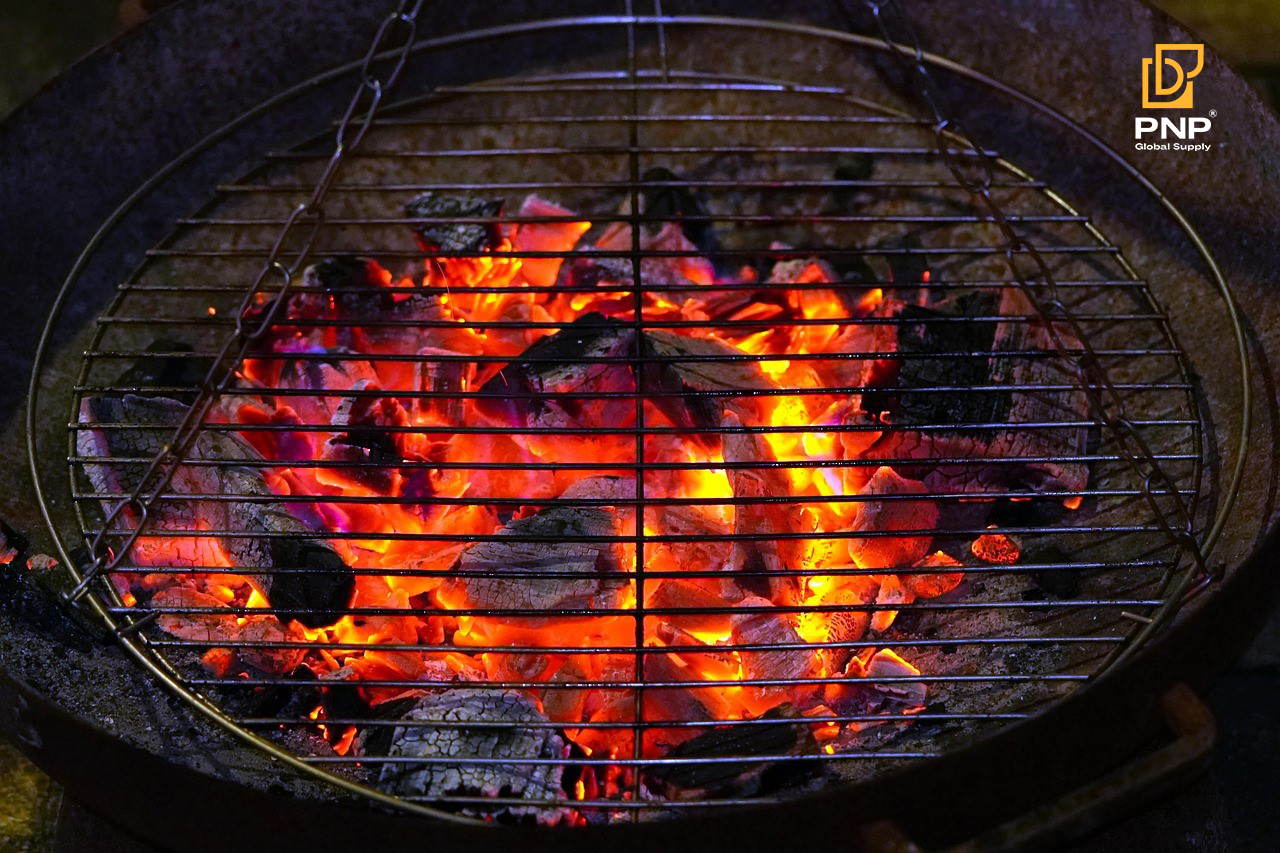
Keeping a fire going on a charcoal grill takes attention and care. You need to control heat and add fuel at the right time.
This guide shows simple ways to keep your charcoal fire steady and strong for cooking.
Adding Charcoal Gradually
Add charcoal little by little to keep the fire burning well. Too much charcoal at once can smother the flames.
Start with a small pile and add more as the fire burns down. This keeps a steady heat for cooking.
- Add fresh charcoal every 30 to 45 minutes
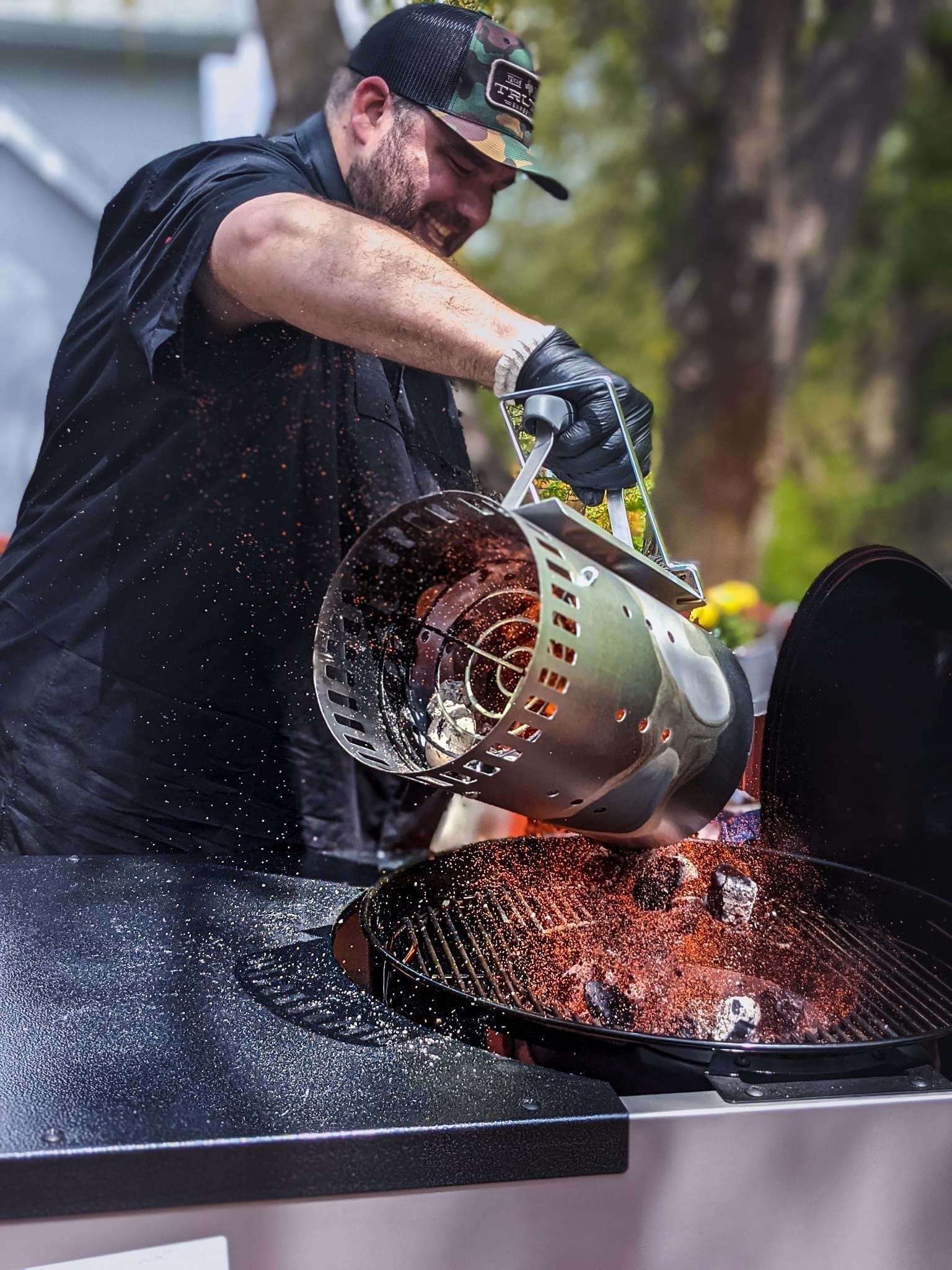
- Use a charcoal chimney to light new coals quickly
- Place new charcoal on the edges of the fire
Controlling Air Vents
Air vents control how much oxygen reaches the fire. More oxygen makes the fire hotter and burn faster.
Adjust the vents to keep the fire burning just right for your cooking needs.
- Open vents wide for a strong, hot fire
- Close vents partially to lower the heat
- Close vents fully only to put out the fire
Managing Heat Zones
Heat zones help you cook food evenly. You can have a hot zone for searing and a cooler zone for slow cooking.
Arrange charcoal to create different heat areas on your grill for better control.
- Place most charcoal on one side for direct heat
- Leave the other side with fewer coals for indirect heat
- Move food between zones to avoid burning
Troubleshooting Common Issues
Keeping the fire going on a charcoal grill can be tricky. Many people face problems that stop the fire from burning well.
This guide explains common problems and how to fix them. You will learn simple tips to keep your grill hot.
Fire Dying Out
The fire may die out if the charcoal is wet or lacks air. Too much ash can also block air flow.
To fix this, use dry charcoal and clean out the ash often. Open the grill vents to let air in.
- Use dry, good-quality charcoal
- Remove excess ash regularly
- Keep vents open for air flow
- Avoid putting too many damp items on the grill
Excessive Smoke
Too much smoke means the fire is not burning cleanly. This happens if the charcoal is damp or the grill is too crowded.
Use dry charcoal and avoid using lighter fluid. Clean the grill to remove leftover grease and food bits.
- Choose dry charcoal only
- Avoid lighter fluid or use natural starters
- Do not overload the grill with food
- Clean grill grates before cooking
Uneven Heat Distribution
Uneven heat causes some food to burn while other parts stay raw. This happens when charcoal is not spread well.
Arrange charcoal in a single layer or create heat zones. Use a grill thermometer to check temperatures.
- Spread charcoal evenly in the grill
- Create hot and cooler zones for cooking
- Use a thermometer to monitor heat
- Stir or add charcoal if heat drops
Credit: amazingribs.com
Safety Precautions
Keeping your charcoal grill fire going safely needs care and focus. You must know how to handle hot charcoal and avoid accidents.
Follow these safety tips to protect yourself, others, and your property while enjoying your grill.
Handling Hot Charcoal
Hot charcoal can cause burns or fires if not handled right. Always use tools made for grilling, like long tongs or heat-resistant gloves.
- Wear heat-resistant gloves to protect your hands.
- Use long-handled tools to move or spread charcoal.
- Never touch charcoal with bare hands.
- Keep children and pets away from the grill area.
- Set the grill on a flat, stable surface to avoid tipping.
Fire Safety Tips
Fire safety is key when using a charcoal grill. Keep a fire extinguisher or water source nearby in case of emergencies.
| Safety Action | Details |
| Keep Grill Away from Flammables | Place grill 10 feet from buildings, trees, and flammable items. |
| Monitor the Grill | Never leave the grill unattended while lit or hot. |
| Use Proper Fuel | Only use charcoal and approved starters, not gasoline or other liquids. |
| Have Fire Extinguisher Ready | Keep a fire extinguisher or bucket of sand nearby. |
| Do Not Overload Charcoal | Too much charcoal can cause flare-ups and loss of control. |
Proper Disposal Of Ashes
After grilling, ashes stay hot for hours. Dispose of them safely to prevent fires.
- Wait at least 48 hours before removing ashes.
- Place ashes in a metal container with a tight lid.
- Store the container outside, away from buildings and flammable materials.
- Never throw ashes in plastic, paper, or wooden trash bins.
- Check ashes are fully cold before final disposal.
Frequently Asked Questions
How Do I Maintain A Charcoal Grill Fire?
To maintain a charcoal grill fire, regularly add charcoal. Keep vents open to control airflow. Use long-handled tools for safety. Avoid overloading with food to ensure even heat distribution. Consistently manage ash buildup for better air circulation and heat retention.
What’s The Best Way To Add Charcoal?
Add charcoal using a chimney starter for even burning. Place new briquettes directly on the existing coals. This ensures a consistent temperature. Avoid using lighter fluid, as it can affect flavor. Spread coals evenly for uniform heat distribution and optimal grilling conditions.
How Often Should I Check The Grill Temperature?
Check the grill temperature every 15 to 20 minutes. This helps maintain consistent heat for cooking. Use a grill thermometer for accuracy. Adjust vents to control airflow and heat. Regular checks prevent overheating or cooling, ensuring food cooks evenly and efficiently.
Why Is Airflow Important For A Charcoal Grill?
Airflow is crucial for maintaining a steady temperature. Open vents increase oxygen supply, boosting the fire. Closed vents reduce heat. Proper airflow prevents coals from extinguishing prematurely. It also helps control flare-ups and enhances fuel efficiency, ensuring your grill stays lit longer.
Conclusion
Keeping the fire alive on a charcoal grill takes patience and care. Use dry charcoal and good airflow to keep flames steady. Add small amounts of charcoal over time for longer cooking. Avoid opening the lid too often to hold heat inside.
Keep a close eye on the fire, and adjust vents as needed. With these tips, your grill will stay hot and ready. Enjoy cooking tasty meals with a strong, steady fire every time. Simple steps make all the difference.