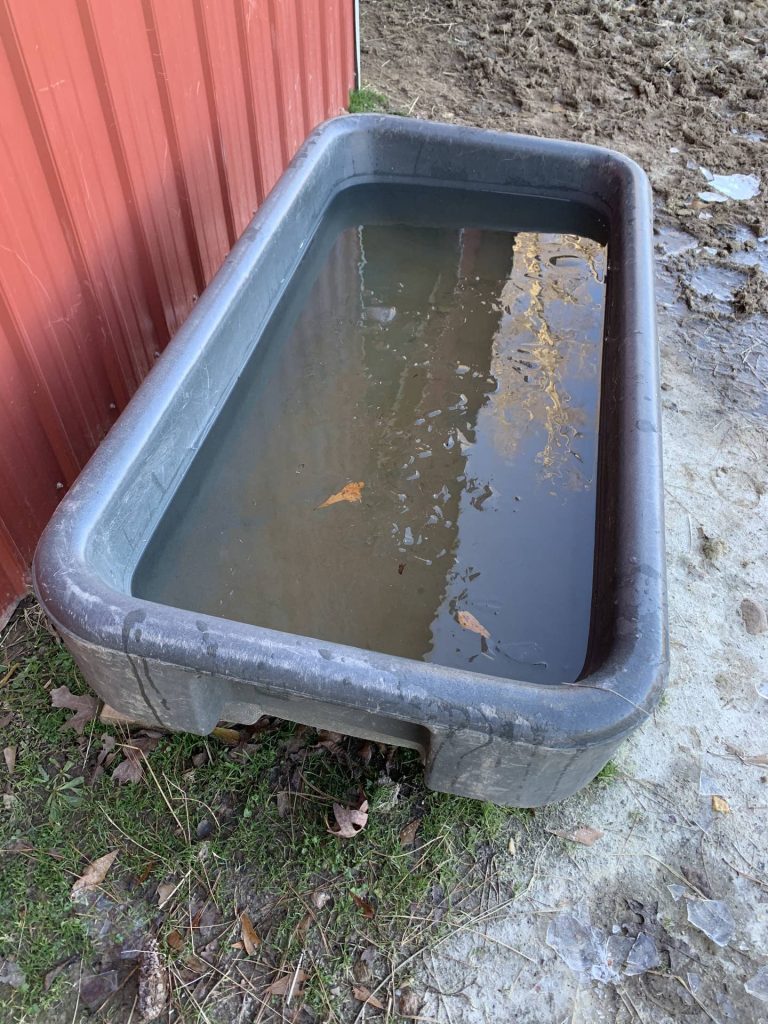
Keeping your horse’s water from freezing in cold weather is more important than you might think. When water freezes, your horse can’t stay properly hydrated, which can lead to health problems and discomfort.
You want to make sure your horse stays healthy and happy, even when the temperature drops. You’ll discover simple and effective ways to prevent your horse’s water from freezing. These tips will save you time, reduce stress, and keep your horse comfortable all winter long.
Keep reading to learn how to protect your horse from the cold in the easiest way possible.

Credit: www.cryochaps.co.uk
Why Horse Water Freezes
Understanding why horse water freezes is key to keeping your horse hydrated during cold months. Water freezes because of temperature changes, but other factors also play a role. Knowing these can help you prevent frozen water and protect your horse’s health.
Cold Weather Effects
Freezing happens when temperatures drop below 32°F (0°C). Outdoor water troughs and buckets are especially vulnerable. Wind chill and exposure to open air speed up the freezing process.
Have you noticed how quickly water freezes on windy days? That’s because wind removes heat from the water’s surface faster than still air. Placing water sources in sheltered spots can slow down freezing.
Water Temperature Factors
The starting temperature of the water affects how fast it freezes. Warm water takes longer to freeze, so refilling buckets with fresh, lukewarm water can help. However, pouring boiling water is unsafe—it can crack containers and hurt horses.
The size and material of the water container also matter. Metal buckets chill faster than plastic ones. Larger volumes of water freeze more slowly than small amounts, so using bigger containers can be a smart choice.
Impact On Horse Health
Frozen water limits your horse’s access to hydration. Dehydration can lead to colic, a serious and painful condition. Horses might refuse to drink ice-cold water, increasing their risk.
Keeping water liquid and fresh encourages your horse to drink regularly. Have you checked your horse’s water trough today? A simple daily check can prevent many health issues.
Choosing The Right Water Containers
Choosing the right water containers is a key step to prevent your horse’s water from freezing in cold weather. The type of container you pick affects how well it holds heat and how easy it is to maintain. Your goal is to find a container that keeps water liquid longer and fits your daily routine.
Insulated Buckets And Tanks
Insulated buckets and tanks help keep water from freezing by trapping heat inside. These containers often have thick walls or special materials that slow down heat loss. Using insulated tanks is especially useful if your horse spends long hours outside during winter.
I once switched to an insulated bucket after my horse’s water froze solid overnight several times. The difference was clear—less ice, and I spent less time breaking it. Think about how much time you can save by choosing a container designed to maintain temperature.
Material Types And Benefits
Water containers come in various materials, each with pros and cons for winter use. Plastic buckets are lightweight and inexpensive but freeze faster. Rubber buckets offer more insulation and resist cracking in cold weather.
Metal containers conduct cold quickly, so they’re not the best for winter unless insulated. Some owners prefer polyethylene tanks because they hold heat better and don’t break easily. Consider your local climate and how durable your container needs to be.
Size And Shape Considerations
The size and shape of the water container play a big role in freezing time. Larger volumes of water freeze slower than small amounts, so bigger tanks can reduce ice formation. However, very large containers can be hard to clean and refill daily.
Shallow, wide containers expose more surface area and freeze faster, while deeper, narrow containers keep water liquid longer. You should ask yourself: What size fits your horse’s drinking habits and your ability to maintain it? A container that matches your needs will make winter care easier.
Effective Heating Solutions
Winter brings challenges in keeping horse water from freezing. Effective heating solutions ensure horses have access to fresh water. Here are some reliable options for maintaining liquid water during cold months.
Heated Water Buckets
Heated water buckets are practical for stables. These buckets plug into an outlet and keep water above freezing. They are ideal for individual horses. The built-in thermostat regulates temperature. This ensures energy efficiency. Choose a model with a strong cord for safety.
Tank Heaters And De-icers
Tank heaters and de-icers are perfect for larger water sources. They work well in pastures. Submersible de-icers sit at the bottom of the tank. They prevent ice formation. Floating models heat from the surface. Both types are safe for livestock. Make sure they are securely placed to avoid accidents.
Solar-powered Options
Solar-powered solutions offer an eco-friendly choice. They use the sun’s energy to keep water from freezing. These systems work best in sunny regions. Some models include a backup battery. This ensures functionality during cloudy days. Solar solutions reduce electricity costs. They are a sustainable choice for horse owners.
Diy Hacks To Prevent Freezing
Keeping your horse’s water from freezing doesn’t have to mean expensive equipment or complicated setups. There are simple, hands-on tricks you can try that use everyday items. These DIY hacks help ensure your horse stays hydrated even in the coldest weather.
Using Salt Or Sugar
Adding a small amount of salt or sugar to your horse’s water can lower the freezing point slightly. This means the water won’t freeze as quickly in cold temperatures.
Be careful with the amount—too much salt can be harmful, and sugar might attract insects if it’s warm later. A pinch or two per gallon is usually enough to make a difference without affecting your horse’s health.
Have you noticed how even a tiny change can keep water liquid longer? It’s a simple trick that many horse owners overlook.
Adding Hot Water Regularly
Pouring hot water into your horse’s trough several times a day helps keep the water temperature above freezing. It’s a quick and easy way to keep water drinkable without fancy tools.
This method works best if you combine it with other hacks, like insulating the trough. You’ll need to monitor the water often, but it’s a reliable way to keep water from solidifying.
How often can you realistically add hot water during the coldest days? Setting a schedule might help ensure you don’t forget.
Covering Water Sources
Covering your water containers with lids or insulating materials reduces exposure to cold air and wind. This slows down the freezing process significantly.
Using things like foam covers, old blankets, or even specially designed insulated buckets can make a big difference. The less cold your water surface is exposed to, the longer it stays liquid.
Have you tried layering different materials to trap heat? Sometimes simple household items can provide excellent insulation without any cost.
Placement And Maintenance Tips
Proper placement and routine maintenance of your horse’s water source can make a big difference in preventing ice buildup. Thoughtful positioning combined with active care helps keep water accessible and safe throughout freezing weather. Let’s look at some practical tips that you can apply right away.
Sheltered Locations
Choose a spot for your water trough or bucket that is shielded from wind and direct exposure to the elements. Placing it near a barn wall or inside a run-in shed can reduce the chill factor dramatically.
Have you noticed how a simple windbreak reduces frost on your windshield? The same idea applies here—less wind means slower freezing. Avoid open fields where cold air settles and freezes water faster.
Regular Water Replacement
Changing the water frequently prevents ice from forming a thick, hard layer. If you swap out the water every few hours, the fresh liquid stays warmer and less prone to freezing.
Try pouring lukewarm water instead of cold water during replacement. This small step can delay ice formation and keep your horse drinking comfortably.
Monitoring Ice Formation
Check the water source multiple times a day during freezing temperatures. Early detection of ice means you can break it up before it becomes a problem.
Using a long-handled tool, gently tap or stir the water to break thin ice layers. This keeps the surface open and invites your horse to drink more easily.
Credit: www.homesteadingtoday.com
Safety Tips For Winter Watering
Keeping water from freezing in winter is vital for horse health. Safety must guide every step in winter watering. Cold weather adds risks that require careful attention and smart choices.
Safe watering protects horses and prevents accidents or injuries. Use the right tools and follow simple rules. These tips help keep water fresh and safe during harsh cold.
Avoiding Toxic Additives
Never add antifreeze or chemicals to water tanks. Many additives are harmful or deadly to horses. Use only safe, approved products for winter water care. Consider natural solutions like heated buckets or insulated tanks. Check labels carefully before adding anything to water.
Electrical Safety With Heaters
Use heaters made for outdoor or animal use only. Keep cords and plugs dry and off the ground. Regularly inspect heaters for damage or wear. Unplug heaters when not in use or during storms. Avoid overloading electrical circuits with multiple devices. Use ground-fault circuit interrupters (GFCIs) for extra protection.
Preventing Slips And Falls
Ice around water sources can cause dangerous slips. Clear snow and ice regularly from paths and watering areas. Spread sand or non-toxic grit for better traction. Place rubber mats or textured surfaces near tanks. Teach horses to approach water slowly and calmly. Watch for frozen puddles or hidden ice patches nearby.

Credit: www.horsedrinker.com
Frequently Asked Questions
How Can I Prevent Horse Water From Freezing In Winter?
Use insulated buckets or heated waterers to keep water warm. Place water containers in sunny, sheltered spots. Regularly check and replace ice to ensure horses always have access to fresh water.
What Types Of Heated Waterers Work Best For Horses?
Submersible heaters and heated buckets are effective for horse water. Choose models with thermostat controls to maintain safe water temperatures. Ensure the heater is safe, durable, and designed for outdoor use.
Are Insulated Water Buckets Effective Against Freezing?
Yes, insulated buckets reduce heat loss and slow freezing. They keep water warmer longer, especially when paired with a cover or placed in a protected area. Insulation is a cost-effective freezing prevention method.
How Often Should I Check Horse Water In Freezing Weather?
Check water at least twice daily during freezing conditions. Remove any ice buildup and refill with fresh water. Frequent monitoring ensures horses stay hydrated and prevents dehydration risks.
Conclusion
Keeping horse water from freezing takes some effort but pays off. Use heated buckets or water tank heaters for best results. Insulate water sources to keep cold out. Check water often to ensure it stays fresh and unfrozen. Simple steps can keep your horse healthy and hydrated all winter.
Don’t let frozen water cause stress or health problems. Stay prepared and protect your horse through cold months. Easy care keeps your horse happy and safe.