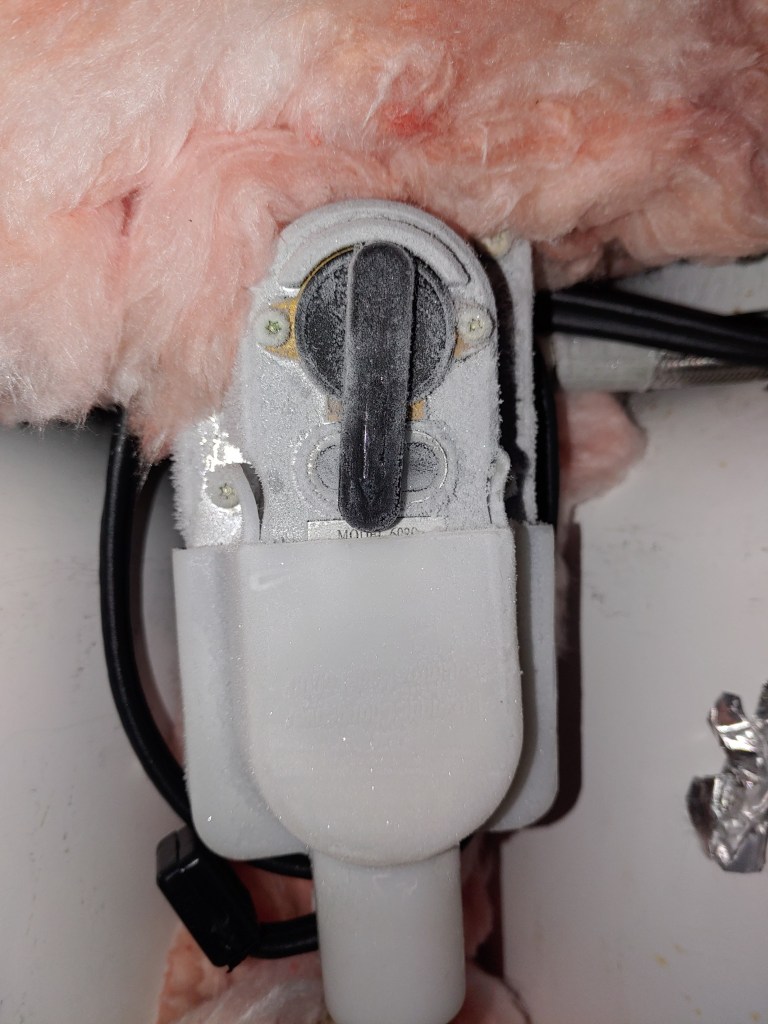
Are you tired of dealing with a propane regulator that freezes just when you need it the most? It’s frustrating and can put a halt to your plans, especially during those cold months when you rely on propane for heating or cooking.
But don’t worry, you’re not alone in this struggle, and there’s a solution at hand. By understanding why propane regulators freeze and learning some simple preventative measures, you can keep your propane system running smoothly all winter long. Dive into this article to discover practical tips that can save you time, frustration, and even money.
Your propane system doesn’t have to be a source of stress; it can be a reliable partner in your daily routine. Let’s explore how you can ensure it stays that way!
Causes Of Propane Regulator Freezing
Propane regulator freezing can disrupt your gas flow and cause safety issues. Understanding the causes helps prevent this problem. Several factors contribute to the freezing of propane regulators in cold weather.
Role Of Moisture In Freezing
Moisture is a major cause of propane regulator freezing. Water vapor in the air or propane system can freeze inside the regulator. This ice blocks gas flow and causes the regulator to freeze. Condensation forms when warm gas meets cold air, increasing moisture buildup. Even small amounts of moisture can cause ice to form quickly.
Impact Of Temperature Fluctuations
Rapid temperature changes can lead to freezing issues. Cold weather lowers the regulator’s temperature, causing any moisture to freeze. When temperatures drop suddenly, ice forms inside the regulator’s valve. The colder it gets, the higher the chance of freezing. Night and day temperature swings worsen the problem.
Effects Of High Propane Usage
High propane consumption affects regulator temperature. Fast gas flow lowers the regulator’s temperature through pressure drop. This cooling effect makes the regulator more likely to freeze. Continuous or heavy use in cold weather increases freezing risk. The regulator struggles to maintain proper function under heavy load.

Credit: centralpennpropane.com
Signs Of A Frozen Regulator
Recognizing the signs of a frozen propane regulator is key to avoiding safety risks and appliance damage. A frozen regulator can interrupt your gas supply and cause unexpected problems. Early detection helps you take prompt action to restore normal function.
Reduced Gas Flow
Your appliances may burn weakly or not start at all. Flames might flicker or look yellow instead of blue. These are clear signs the gas flow is limited. This happens because ice blocks the regulator, stopping propane from passing through properly.
Visible Ice Formation
Check the regulator for frost or ice buildup on the outside. Ice can form around the connections and valve areas. This visual cue shows the regulator is freezing and needs attention. Ice on the regulator signals cold temperatures and moisture are causing a blockage.
Unusual Odors Or Sounds
You might notice a strange smell near the regulator. It could be a faint gas odor caused by leaks or pressure issues. Listen for unusual hissing or whistling noises as well. These sounds indicate the regulator is not working as it should due to freezing conditions.
Preventive Measures
Preventive measures are key to stopping propane regulators from freezing. Taking simple steps can keep your regulator working smoothly in cold weather. These actions protect the regulator and ensure a steady gas flow without interruptions.
Proper Regulator Installation
Place the regulator in a dry, sheltered spot. Avoid locations exposed to wind or rain. Install the regulator above ground level to prevent water buildup. Use the correct fittings and tighten them securely. Make sure the gas tank valve is easily accessible. Proper installation reduces moisture contact and freezing risk.
Using Insulation Materials
Wrap the regulator with foam or rubber insulation sleeves. Use weather-resistant tape to secure the insulation. Avoid covering vents or pressure relief areas. Insulation helps keep heat near the regulator. This slows down ice formation during freezing temperatures.
Regular Maintenance And Inspection
- Check for cracks or damage on the regulator and hoses.
- Clean dirt and debris from vents and openings.
- Test the regulator’s pressure to ensure proper function.
- Replace worn or faulty parts immediately.
- Inspect the installation spot for water pooling or ice buildup.
Routine checks prevent small problems from turning into freezing issues. Regular care keeps the propane system safe and reliable all winter long.

Credit: www.adamsgas.co.uk
Dealing With A Frozen Regulator
Dealing with a frozen propane regulator can be frustrating and potentially dangerous if not handled properly. The regulator controls the flow of propane gas to your appliances, and when it freezes, it can disrupt your gas supply and create safety risks. Understanding how to safely thaw a frozen regulator and avoid common pitfalls is essential for any propane user.
Safe Thawing Techniques
Never use open flames or heat guns to thaw a frozen regulator. These methods can damage the regulator or cause a fire hazard. Instead, try these safer options:
- Move the regulator to a warmer area if possible.
- Use warm (not hot) water to gently thaw the ice. Pour it slowly over the frozen parts.
- Wrap the regulator in towels soaked with warm water to help melt the ice gradually.
Patience is key. Let the ice melt naturally instead of rushing the process. Have you tried warming your hands on a cold day? It’s similar—slow and steady works best.
Avoiding Common Mistakes
Many people rush to fix a frozen regulator but end up making it worse. Avoid these common errors:
- Do not use sharp tools to chip away the ice—it can damage the regulator’s surface.
- Avoid placing the regulator directly on heating vents or radiators; uneven heating can cause cracks.
- Never ignore warning signs like unusual smells or hissing sounds after thawing. These could indicate leaks.
Have you ever fixed something only to find it broke down again? Taking shortcuts with a frozen regulator can lead to costly repairs or hazards.
When To Call A Professional
If your regulator remains frozen despite your safe thawing attempts, it’s time to seek expert help. Professionals have the right tools and experience to handle stubborn ice safely.
Also, if you notice any damage, leaks, or irregularities in gas flow, don’t hesitate to call a licensed technician. Your safety and peace of mind are worth it.
Would you rather risk handling a complex issue yourself or trust a pro who can fix it quickly? Sometimes, calling in help is the smartest choice.
Choosing The Right Equipment
Choosing the right equipment is essential to prevent your propane regulator from freezing during cold weather. The right tools not only ensure safety but also keep your propane system working smoothly. Let’s look at specific equipment options that can make a real difference when temperatures drop.
Selecting Freeze-resistant Regulators
Freeze-resistant regulators are designed to handle cold conditions better than standard models. These regulators often have built-in features like moisture-resistant materials and improved venting to reduce ice buildup.
When shopping, look for regulators labeled as “freeze-resistant” or “winterized.” They might cost a bit more upfront, but they save you time and hassle in the long run. Have you checked if your current regulator meets these specs?
Using Heated Regulator Covers
Heated covers wrap around your regulator and gently warm it to prevent ice from forming. They’re especially useful if you live in an area with frequent freezing temperatures.
These covers plug into a power source and maintain a steady temperature. Using one can be a simple fix if you don’t want to replace your entire regulator. Do you have an accessible outlet near your propane system to power a heated cover?
Upgrading Propane Systems For Cold Weather
Sometimes, a full upgrade is the best solution for freezing issues. Upgrading might include installing regulators with better insulation or switching to systems designed specifically for winter use.
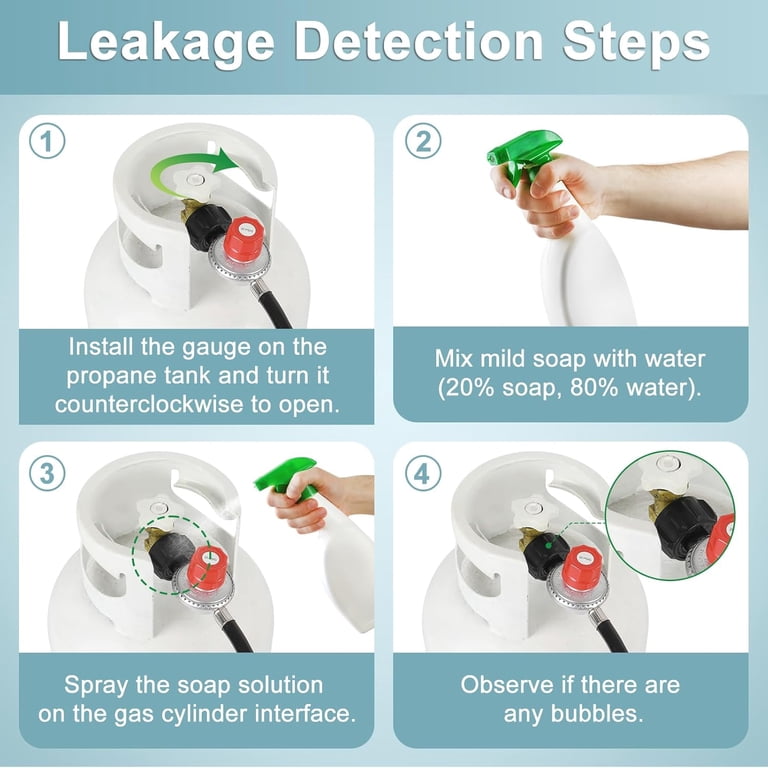
Consider propane setups that include automatic pressure control and frost-proof components. These systems reduce manual maintenance and keep your supply steady regardless of weather. Have you thought about whether your propane system was built for your local climate?
Credit: www.walmart.com
Additional Tips For Cold Weather Propane Use
Cold weather can cause propane regulators to freeze, disrupting your gas supply. Taking extra care with propane use during winter helps avoid these issues. Follow these tips to keep your propane system working safely and efficiently in cold conditions.
Monitoring Propane Levels
Check propane levels often during cold months. Low propane can cause the regulator to freeze. Keep tanks at least half full to maintain pressure. Use a gauge or weight method to monitor tank content. Frequent checks prevent sudden shortages and freezing problems.
Ensuring Proper Ventilation
Ventilation helps prevent moisture buildup around the regulator. Moist air can freeze and block gas flow. Clear snow and ice away from vents and regulator areas. Make sure air moves freely around propane equipment. Proper airflow reduces frost and keeps propane flowing smoothly.
Storing Propane Tanks Safely
Store tanks upright on a flat, stable surface. Avoid placing tanks in enclosed spaces like basements or garages. Keep tanks away from direct snow or ice buildup. Use a weatherproof cover to protect tanks from moisture. Safe storage prevents damage and freezing during cold weather.
Frequently Asked Questions
Why Does My Propane Regulator Freeze?
Propane regulators freeze due to moisture buildup and cold temperatures. When moisture condenses and freezes on the regulator, it blocks gas flow. This happens mostly in humid, cold weather or when propane leaks cause vapor to cool rapidly.
How Can I Prevent Propane Regulator Freezing?
To prevent freezing, keep the regulator dry and shield it from wind. Use a regulator heater or insulation wrap. Regularly check for leaks and replace faulty parts. Proper ventilation and avoiding overuse in cold weather also help prevent freezing.
What Are Signs Of A Frozen Propane Regulator?
Signs include reduced or no gas flow, flame sputtering, and regulator frost or ice buildup. You might notice your appliance not heating properly or shutting off. Inspect the regulator for visible ice or frost during cold weather.
Can I Use A Propane Regulator Heater?
Yes, propane regulator heaters are effective. They provide gentle warmth to prevent ice buildup. Use heaters designed specifically for propane regulators. They are safe, easy to install, and help maintain proper gas flow in freezing conditions.
Conclusion
Keeping your propane regulator from freezing protects your equipment and safety. Simple steps like using a regulator cover and proper ventilation help a lot. Check your regulator regularly, especially in cold weather. Avoid placing the propane tank in direct wind or snow.
Small actions prevent big problems. Stay warm and safe by following these easy tips. Your propane system will work better all winter long. Simple care goes a long way. Remember, frozen regulators cause gas flow issues and risks. Take action today to keep your system running smoothly.